


After the match, protesters move to the DP headquarters: Opposition sold out
After the match, the protesters moved in front of the DP h...

After the match, the protesters moved in front of the DP h...


Traffic noise has become the obligatory soundtrack of urban life, engines, screeching brakes, honking horns, tires scraping the asphalt, loose manhole covers, a constant murmur that many people say they "end up ignoring," but that the car body doesn't miss at all.
Although often perceived as a simple nuisance, science has shown for years that traffic noise pollution is a real risk factor for physical and mental health.
From sleep disorders to heart attacks, including anxiety, depression or respiratory problems, the impact is much more profound than commonly thought.
What exactly is traffic noise and why is it a public health problem?
In physical terms, noise is a sound with measurable characteristics (intensity, frequency, duration, changes over time) which, when combined with our subjective perception, are transformed into annoyance, stress or even pain.
When this noise comes from vehicles and is continuous, as occurs in cities, it is called traffic noise or road traffic.
This noise meets two dangerous conditions: it is constant over time and difficult to avoid.
It doesn't need to reach extreme levels to cause harm; even moderate levels, sustained day and night, gradually deteriorate the nervous system, heart, respiratory function, and mood.
The World Health Organization (WHO) considers noise pollution to be one of the main environmental hazards.
Noise is second only to air pollution in terms of health in Europe. The European Commission has estimated that noise causes around every year.
10,000 to 12,000 premature deaths directly linked to this chronic exposure.
In Europe, road traffic is the main source of environmental noise and the situation is expected to worsen due to urban growth and increasing demand for transport. We are not just talking about major motorways, congested roads, roads with frequent bus services or areas with poor asphalt can easily exceed the recommended levels.
When you think of noise, the first thing that usually comes to mind is hearing loss or tinnitus (ringing in the ears).
At very high levels, noise can cause ruptured eardrums, irreversible hearing loss, or worsening of existing hearing loss.
The most worrying thing is that this damage can occur even when people are not fully aware that the noise is disturbing them.
Provat shkencore tregojnë se ekspozimi i vazhdueshëm ndaj zhurmës së trafikut është i lidhur me çrregullime të gjumit, stres të shtuar, çrregullime kardiovaskulareprobleme me frymëmarrjen, dëmtim njohës në fëmijëri dhe vdekshmëri edhe më të lartë nga shkaqe të ndryshme.
Për më tepër, reagimi ndaj zhurmës nuk është i njëjtë tek të gjithë njerëzit: mosha, seksi, stili i jetës dhe sëmundjet e mëparshme.
Këta faktorë përcaktojnë se sa dhe si ndikon tek njerëzit. Të moshuarit, pacientët me probleme kardiovaskulare ose të frymëmarrjes dhe ata që tashmë vuajnë nga çrregullime ankthi janë veçanërisht të prekshëm.
Ndikimi psikologjik dhe në shëndetin mendor
Zhurma e trafikut vepron si një stresor kronik mjedisor. Truri i interpreton këto tinguj të paparashikueshëm (boritë, frenimet e papritura, kamionët e rëndë) si kërcënime të mundshme, duke aktivizuar qarqet e alarmit që, me kalimin e kohës, përfundojnë duke e lodhur sistemin nervor.
Ndër efektet psikologjike më të dokumentuara janë këto, shqetësim i fortë, ndjenjë humbjeje të mirëqenies, nervozizëmvështirësi në relaksim në shtëpi, rritje e ndjeshmërisë ndaj stresit dhe, tek shumë njerëz, një ndjenjë ngopjes së vazhdueshme që përfundon duke ndikuar në humor.
Studimet e fundit kanë treguar se kjo zhurmë e vazhdueshme shoqërohet me një rrezik i shtuar i ankthit dhe depresionit.
Në një studim të gjerë finlandez, të kryer me më shumë se 114.000 njerëz që kishin jetuar në Helsinki që nga fëmijëria, u vu re se për çdo rritje prej 10 decibelësh të zhurmës së trafikut, Rreziku i depresionit u rrit me 5% dhe rreziku i ankthit me 4%.
Studiuesit zbuluan se duke filluar nga rreth 53 dB zhurmë mesatare banimi, një nivel i ngjashëm me atë të një bisede me zë të lartë dhe afër kufijve të rekomanduar nga OBSH-ja, rreziku i çrregullimeve të shëndetit mendor u rrit ndjeshëm. Efekti ishte veçanërisht i qartë kur zhurma ndodhte në pasdite dhe në mbrëmje, duke ndërhyrë në pushim dhe relaksim të përditshëm.
Zhurma e trafikut, përgjumja dhe lodhja kronike
Gjumi është një nga proceset më të ndjeshme ndaj zhurmës. Edhe kur duket sikur "po fle njësoj", trupi nuk është dakord: zhurma e trafikut në fakt ndihmon mikro-zgjimet dhe ndryshimet në arkitekturën e gjumit të cilat shpesh kalojnë pa u vënë re nga personi.
Këto zgjime të pjesshme pengojnë arritjen e qëndrueshme të fazave të gjumë i thellë dhe rigjenerues.
Rezultati është se, edhe nëse kalohen shumë orë në shtrat, cilësia e pushimit është më e dobët, duke çuar në lodhje, përgjumje gjatë ditës, mungesë përqendrimi dhe performancë më të keqe intelektuale dhe në punë.
Çrregullimi kronik i gjumit jo vetëm që na bën më të lodhur, ai është lidhur me një rrezik i shtuar i hipertensionit, sëmundjeve të zemrës, çekuilibrit hormonal dhe metabolike.
Zhurma e natës, në veçanti, konsiderohet veçanërisht e dëmshme sepse prish proceset e riparimit qelizor dhe rregullimit të sistemit kardiovaskular që ndodhin ndërsa flemë.
Several epidemiological studies have shown that nighttime traffic noise contributes significantly to the burden of disease in cities, causing discomfort, sleep disorders and deterioration of mental health, as well as being a key link in increasing cardiovascular risk.
Cardiovascular consequences: heart and blood vessels on alert
When the brain detects an annoying or unexpected noise, it triggers a stress response. This leads to increased release of adrenaline and cortisol, an increase in heart rate, and an increase in blood pressure. This mechanism is useful in specific situations, but with traffic noise, it remains active for many hours a day.
In the long term, this chronic activation of the sympathetic nervous system and hormonal stress axis promotes high blood pressure, inflammation of blood vessels, and endothelial dysfunction (damage to the inner lining of the arteries), key steps in the development of atherosclerosis.
Extensive studies have been published confirming these links. A study in Denmark, with data from more than four million people, concluded that living near roads with noisy traffic increases the risk of myocardial infarction by about 12%.
Other groups, such as that of the University of Mainz (Germany), have focused on how this noise directly affects the endothelium, impairing vascular function.
Traffic noise and respiratory diseases
Although noise has traditionally been associated mainly with hearing and heart problems, research in recent years has also focused on its relationship to respiratory diseases.
This connection has been studied particularly in cities with high traffic density, such as Madrid.
A first study in the Spanish capital analyzed emergency hospital admissions for respiratory causes and daytime noise levels in the city.
Subsequent research has found links between traffic noise and bronchitis, asthma, pneumonia in children, and even changes in lung function in children. In other words, noise not only accompanies chemical air pollution, but also appears to contribute to the burden of respiratory disease.


Scientists have identified a new pathway that could help s...

We usually associate winter with cold, rain, illness, and ...

Although fruits are healthy, some of them contain a lot of...

The flu is hitting the US hard this season, and experts wa...

In new research, something previously thought is being cha...

A study published in Neurology Open Access found that foll...

Nearly four out of every ten new cancer cases worldwide co...

Quality sleep is important for our well-being, but not eve...

People are often told that eating well, exercising, and av...

After recent heavy snowstorms, freezing temperatures conti...

Certain types of foods help maintain a healthy gut, focusi...

Health and overall well-being should be the main goal for ...

Researchers from the Harvard TH Chan School of Public Heal...

The World Health Organization said Friday that the risk of...

Vitamin D is not only important for bone health, but it al...
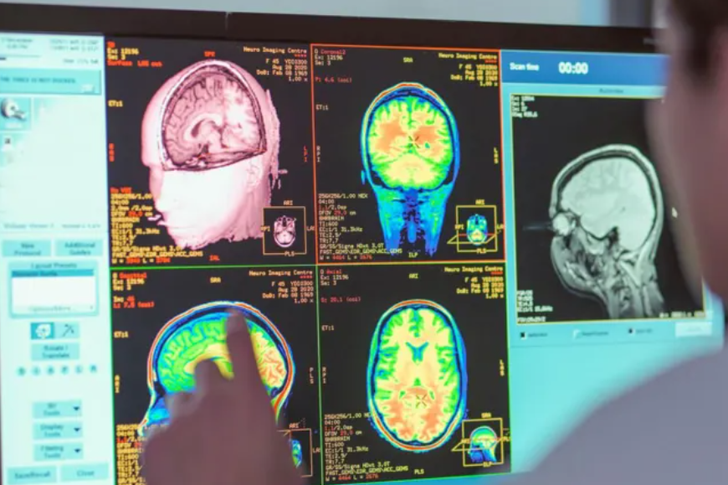
The brain goes through five distinct stages in life, with ...

People who stay up late and are more active at night may h...

People who use GLP-1 injections like Wegovy to lose weight...

Proper nutrition can have a profound impact on the health ...
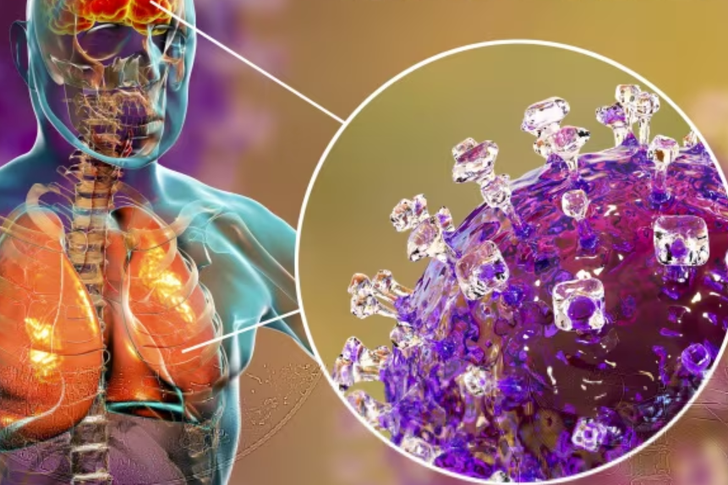
Dy raste të virusit vdekjeprurës Nipah në Indi kanë bërë q...

The case addressed this Wednesday, June 3, on the show "St...

The show "Stop" broadcast this Wednesday, June 3, the case...

Irfan Hysenbelliu claims to be a big businessman, an hones...

The show "Stop" dealt with a denunciation case this Tuesda...

The Special Board of Appeal (KPA) decided this Monday ...

The KPA vetting decided this Thursday to dismiss the p...

Suela Salavaçi, a prosecutor in the Prosecutor's Offic...

The Special Board of Appeal reinstated the prosecutor ...

A road accident occurred this evening on the Tirana-Durres...
Policia e Lezhës ka dalë me reagim zyrtar lidhur me ngjarj...
The Special Court against Corruption and Organized Crime h...

Një banesë është përfshirë nga flakët në lagjen nr. 4 në q...

An alarming figure of more than 166.4 thousand Albanians a...

The weather today will be mostly clear and temperatures wi...

The cherry harvest season is expected to begin in the vill...

The education system in Albania is facing a challenging re...

United States President Donald Trump announced in a post o...

Asambleja e Përgjithshme e Kombet e Bashkuara ka përfundua...

At least nine people have been killed in Israeli airstrike...

A serious incident has occurred in Bakersfield, California...

Korça is ready to open the summer season with one of the c...

Two years after his passing, the renowned Korçë poet Skënd...

The Ethnographic Museum of Berat has opened its doors to v...
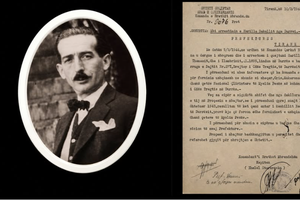
The story of Harilla Bakalli is one of the most chilling t...

The Minister of Finance, Petrit Malaj, announced today a n...

Guvernatori i Bankës së Shqipërisë, Gent Sejko, priti m...

Today, in the foreign exchange market, one US dollar is bo...

DP MP Igli Cara has submitted to the Parliament a draf...