


Gut health/ 6 simple tips through food
Certain types of foods help maintain a healthy gut, focusi...



After recent heavy snowstorms, freezing temperatures continue to sweep across much of the United States. The cold, dry, rainy weather could significantly increase flu transmission. More than 15 million flu cases have already been reported as of the start of the 2026 season.
The virus survives longer in low humidity and cold conditions, while rapid weather changes and increased indoor gatherings further increase infection rates. Studies show that flu activity often peaks about a month after colder, drier or wetter, rainier periods.
New research suggests that people with low levels of vitamin D may be more likely to develop severe flu infections. The study, published in The American Journal of Clinical Nutrition, analyzed health data from 36,258 participants in the UK Biobank, a large, long-term research database.
The researchers found that individuals with severe vitamin D deficiency, defined as blood levels of 15 nmol/L, had a 33% higher risk of being hospitalized for a respiratory tract infection compared to those whose vitamin D levels were 75 nmol/L or higher. For every 10 nmol/L increase in vitamin D levels, the risk of hospitalization decreased by 4%.
The Food and Drug Administration of the National Academies of Sciences, Engineering, and Medicine states that vitamin D levels of 50 nmol/L (20 ng/mL) or higher are sufficient for most people, while the risk of deficiency increases at levels below 30 nmol/L (12 ng/mL). To convert nmol/L to ng/mL, divide by 2.5.
Infectious disease experts note that vitamin D plays a role in supporting both innate immunity, the body's first line of defense, and adaptive immunity, which helps the immune system learn to fight specific pathogens.
However, they also point out that the study focused on people with very low vitamin D levels and found an association, not proof of causation, between deficiency and serious infection.
The National Institutes of Health (NIH) recommends a daily intake of vitamin D of 600 IU (15 mcg) for people ages 1 to 70, including pregnant and breastfeeding women, and 800 IU (20 mcg) for adults over age 70. These amounts are designed to maintain healthy blood levels and support overall immune function. For most people, this intake is sufficient to achieve blood levels above 50 nmol/L (20 ng/mL), which is considered sufficient for bone and overall health.
Symptoms of vitamin D deficiency can be subtle and easily overlooked. Common signs include fatigue, frequent infections, muscle weakness, bone or back pain, and mood swings such as depression. In more severe cases, deficiency can contribute to poor wound healing, hair loss, bone loss, or an increased risk of fractures. Anyone concerned about a deficiency should consult a healthcare provider for appropriate testing and guidance.
Vitamin D levels can be increased through sun exposure and diet. Foods rich in vitamin D include cod liver oil, trout, salmon, mushrooms, milk, and fortified cereals. Experts recommend getting a blood test for vitamin D levels before starting supplements, as vitamin D is fat-soluble and can accumulate in the body. Taking too much can increase calcium levels in the blood, leading to health problems.
Dr. Thomas Russo, chief of infectious diseases at the University at Buffalo School of Medicine in New York, says the best flu prevention strategy starts with proven measures.
"The ideal flu prevention program is getting the flu vaccine, yes, even now, because the flu season doesn't end until April or May — and wearing a mask indoors with lots of people," says Russo.
“A vitamin D supplement is one of the things that can help,” he adds. “There’s little harm as long as you don’t overdo it.”/ CNA

Certain types of foods help maintain a healthy gut, focusi...

Health and overall well-being should be the main goal for ...

Researchers from the Harvard TH Chan School of Public Heal...

The World Health Organization said Friday that the risk of...

Vitamin D is not only important for bone health, but it al...

The brain goes through five distinct stages in life, with ...

People who stay up late and are more active at night may h...

People who use GLP-1 injections like Wegovy to lose weight...

Proper nutrition can have a profound impact on the health ...
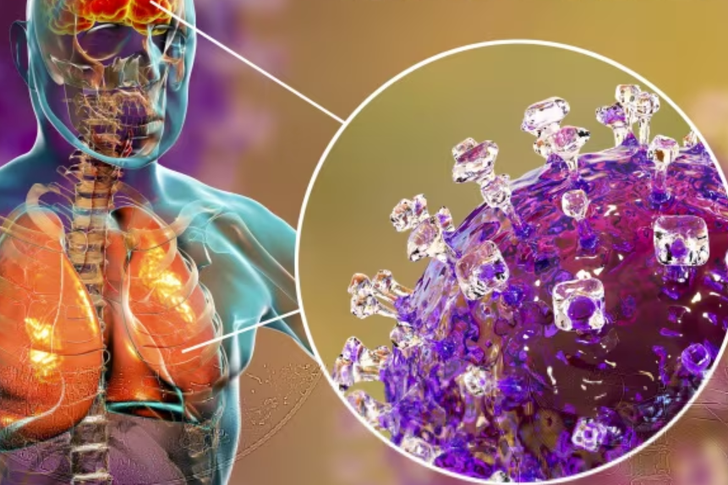
Dy raste të virusit vdekjeprurës Nipah në Indi kanë bërë q...

A new scientific study suggests that a very simple change ...

Even if we get enough sleep, many people wake up feeling t...

Një studim thotë se pirja e tepërt e alkoolit rrit rreziku...

Rudolph E. Tanzi, a professor of neurology at Harvard and ...
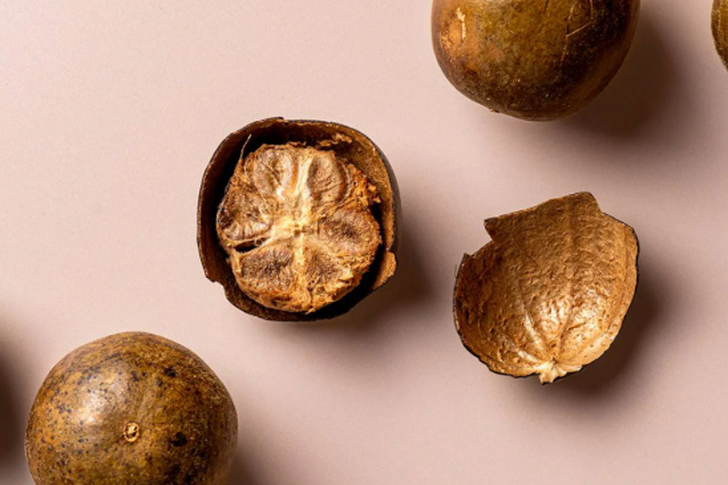
Monk fruit is another name for Luo Han Guo, a tropical fru...

During the winter, many of us notice that our food craving...

When we talk about the connection between food and long-te...

An experimental skin cancer vaccine developed by pharmaceu...

Hair care is an important part of physical well-being, but...

1) “Hidden” carbohydrates in liquid form Smoothie, fruit ...

The protests of recent days related to the situation in Zv...

The case addressed this Wednesday, June 3, on the show "St...

The show "Stop" broadcast this Wednesday, June 3, the case...

Irfan Hysenbelliu claims to be a big businessman, an hones...

The Special Board of Appeal (KPA) decided this Monday ...

The KPA vetting decided this Thursday to dismiss the p...

Suela Salavaçi, a prosecutor in the Prosecutor's Offic...

The Special Board of Appeal reinstated the prosecutor ...

Several images provided by CNA show the area where this mo...

A quantity of explosive material exploded this morning at ...

The Head of the State Police, Skënder Hita, expressed his ...

New details have emerged regarding the serious incident th...

For many children and teenagers, the long summer holidays ...

Witnesses in Lozhan, Maliqi, have shared details from the ...

Albania is facing an unprecedented demographic transition,...

On Thursday, our country will be affected by unstable weat...

Serbian President Aleksandar Vučić has confirmed that he w...

Israel and Lebanon have agreed to renew their fragile ceas...

United States President Donald Trump announced in a post o...

Asambleja e Përgjithshme e Kombet e Bashkuara ka përfundua...

Korça is ready to open the summer season with one of the c...

Two years after his passing, the renowned Korçë poet Skënd...

The Ethnographic Museum of Berat has opened its doors to v...

The story of Harilla Bakalli is one of the most chilling t...

Profit margins in the construction sector have increased s...

The Transparency Board, at its meeting today, decided to i...

Today, in the foreign exchange market, one US dollar is bo...

The Minister of Finance, Petrit Malaj, announced today a n...