


Staying up late is linked to poorer heart health
People who stay up late and are more active at night may h...


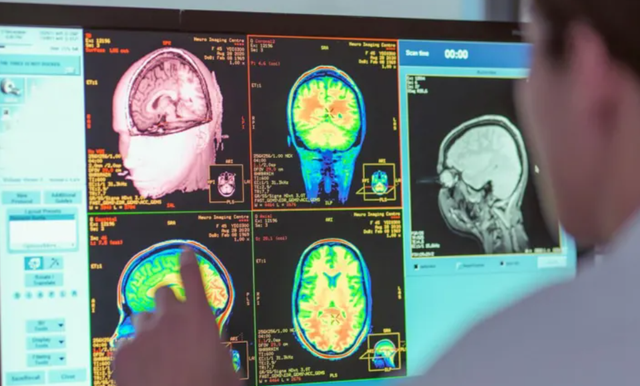
The brain goes through five distinct stages in life, with key turning points at ages 9, 32, 66 and 83, scientists have discovered.
Around 4,000 people up to the age of 90 underwent scans to reveal the connections between their brain cells.
Researchers at the University of Cambridge showed that the brain remains in the adolescent stage until the early thirties, when it "peaks."
They say the results may help us understand why the risk of mental health disorders and dementia changes over the course of life.
The brain is constantly changing in response to new knowledge and experiences.
These are the five stages of the brain:
Childhood - from birth to 9 years old
Adolescence - from nine to 32 years old
Adult age - from 32 to 66 years old
Early aging - from 66 to 83 years old
Late aging - from 83 years old onwards
"The brain reorganizes throughout the lifespan. It's always strengthening and weakening connections and it's not a stable pattern, there are fluctuations and phases of brain reorganization," the study's lead author, Dr. Alexa Mousley, told the BBC.
Some people will reach these milestones earlier or later than others, but the researchers said it was striking how clearly these ages stood out in the data.
These patterns have only now been discovered because of the amount of brain scans available in the study, which was published in the journal Nature Communications.
The five stages of the brain
Childhood - The first period is when the brain rapidly grows in size, but also thins out the excess connections between brain cells, called synapses, created early in life.
The brain becomes less efficient during this stage. It functions like a child wandering around a park, going wherever it pleases, rather than going directly from A to B.
Adolescence - This changes abruptly from the age of nine, when the connections in the brain go through a period of relentless efficiency. "It's a big change," said Dr. Mousley, describing the most profound change between brain stages.
This is also the time when there is the greatest risk of the onset of mental health disorders.
As expected, adolescence begins around the onset of puberty, but this is the latest evidence to suggest that it ends much later than we thought. It was once thought to be limited to the teenage years, before neuroscience suggested that it continued into the 20s and now into the early 30s.
This stage is the only period in the brain when its neural network becomes most efficient. Dr. Mousely said this supports many measures of brain function suggesting it peaks in the early thirties, but added that it was "very interesting" that the brain remains in the same stage between the ages of nine and 32.
Adulthood. Then comes a period of stability for the brain, as it enters its longest age, lasting three decades.
The change is slower during this time compared to previous stages, but here we see improvements in brain efficiency reversed.
Dr. Mousely said this matches a plateau of intelligence and personality that many of us will have witnessed or experienced.
Early aging - This starts at age 66, but it's not an immediate decline. Rather, there are changes in the patterns of connections in the brain.
Instead of coordinating as a single brain, the body increasingly divides into regions that work closely together - like members of a musical group starting their own solo projects.
Although the study focused on healthy brains, this is also the age at which dementia and high blood pressure, which affect brain health, begin to appear.
Late Aging - Then, at age 83, we enter the final stage. There is less data than for the other groups because finding healthy brains to scan was more challenging. The changes in the brain are similar to early aging, but even more pronounced.
Dr. Mousely said what really surprised him was how well different ages matched up with many important milestones such as puberty, health concerns later in life and even quite big societal changes in the early 30s, such as parenthood./ CNA

People who stay up late and are more active at night may h...
People who use GLP-1 injections like Wegovy to lose weight...

Proper nutrition can have a profound impact on the health ...
Dy raste të virusit vdekjeprurës Nipah në Indi kanë bërë q...
A new scientific study suggests that a very simple change ...

Even if we get enough sleep, many people wake up feeling t...

Një studim thotë se pirja e tepërt e alkoolit rrit rreziku...
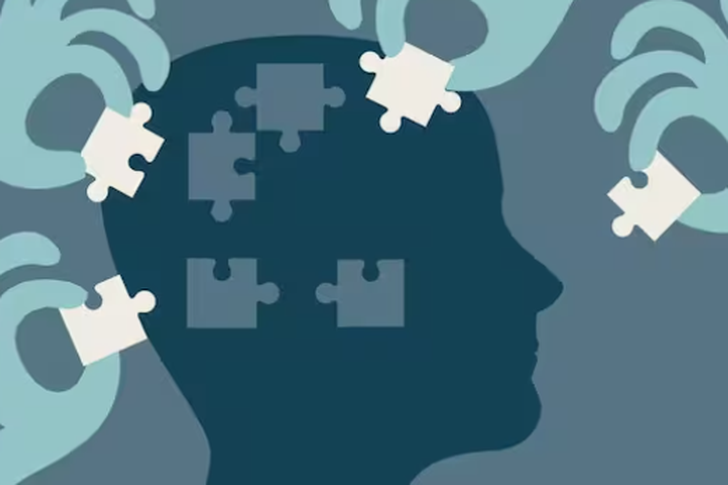
Rudolph E. Tanzi, a professor of neurology at Harvard and ...
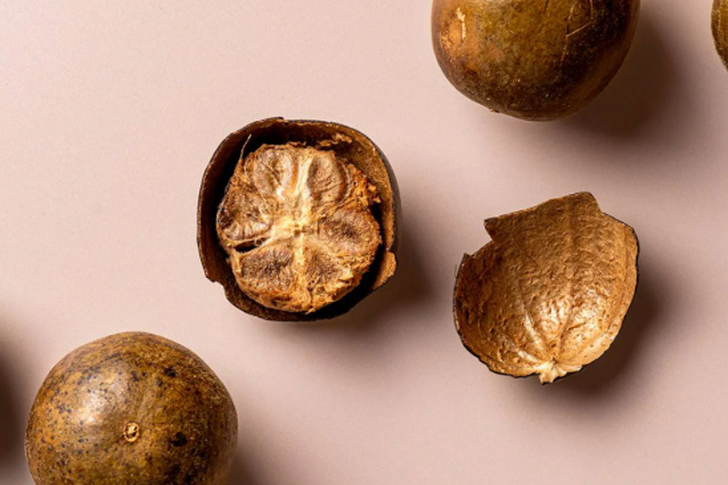
Monk fruit is another name for Luo Han Guo, a tropical fru...

During the winter, many of us notice that our food craving...

When we talk about the connection between food and long-te...

An experimental skin cancer vaccine developed by pharmaceu...

Hair care is an important part of physical well-being, but...

1) “Hidden” carbohydrates in liquid form Smoothie, fruit ...
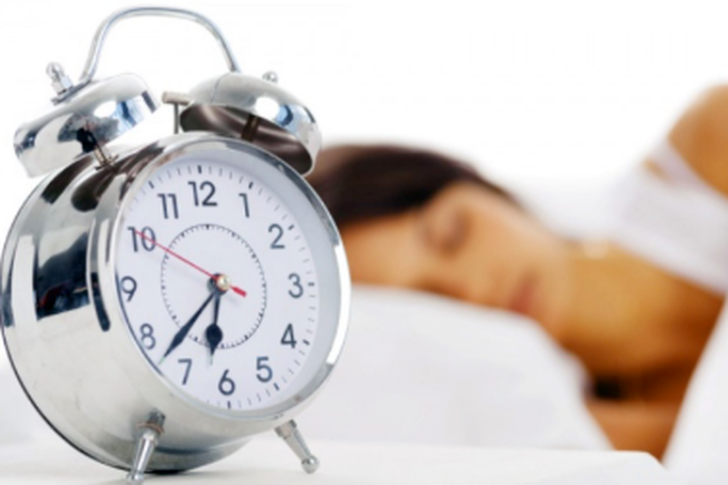
Sleep is one of the most important factors in our physi...

To strengthen and protect the immune system, especially du...

Hormones Every 6-12 months, perform a complete health che...

The Ministry of Health and Social Welfare, through the Ins...

Genetics appear to help determine who develops multiple sc...

Children may end up with high blood pressure due to exposu...

The protests of recent days related to the situation in Zv...

The case addressed this Wednesday, June 3, on the show "St...

The show "Stop" broadcast this Wednesday, June 3, the case...

Irfan Hysenbelliu claims to be a big businessman, an hones...

The Special Board of Appeal (KPA) decided this Monday ...

The KPA vetting decided this Thursday to dismiss the p...

Suela Salavaçi, a prosecutor in the Prosecutor's Offic...

The Special Board of Appeal reinstated the prosecutor ...

Several images provided by CNA show the area where this mo...

A quantity of explosive material exploded this morning at ...

The Head of the State Police, Skënder Hita, expressed his ...

New details have emerged regarding the serious incident th...

For many children and teenagers, the long summer holidays ...

Witnesses in Lozhan, Maliqi, have shared details from the ...

Albania is facing an unprecedented demographic transition,...

On Thursday, our country will be affected by unstable weat...

A number of European Union member states are pressuring th...

Hungary and Ukraine have reached an agreement on the right...

Serbian President Aleksandar Vučić has confirmed that he w...

Israel and Lebanon have agreed to renew their fragile ceas...

Korça is ready to open the summer season with one of the c...

Two years after his passing, the renowned Korçë poet Skënd...

The Ethnographic Museum of Berat has opened its doors to v...

The story of Harilla Bakalli is one of the most chilling t...

Kursi i këmbimit të euros me lekun ka rënë më tej këtë jav...

Profit margins in the construction sector have increased s...

The Transparency Board, at its meeting today, decided to i...

Today, in the foreign exchange market, one US dollar is bo...