


Tafili-Gjuzi clash/ AMP seizes officer's weapon
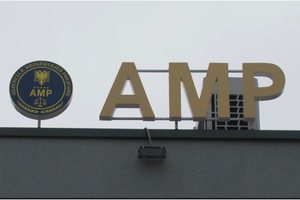
The Police Supervision Agency has seized the service weapo...

The Police Supervision Agency has seized the service weapo...

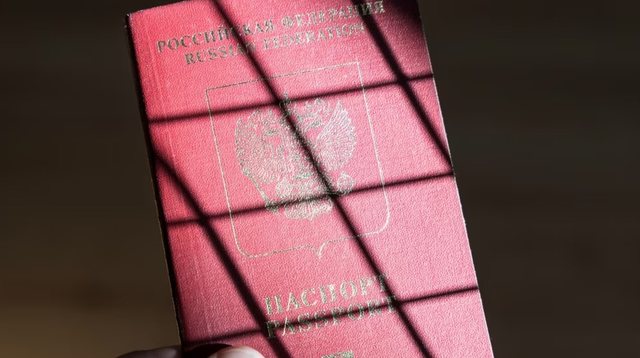
A number of European Union member states are pressuring the European Commission to introduce legislation that would make it easier to refuse tourist visas to Russian citizens, due to Moscow's complete occupation of Ukraine.
Sweden will put the issue up for discussion - with the support of the Czech Republic, Denmark, Estonia, Finland, Latvia, Lithuania and the Netherlands, as well as non-EU Schengen countries Iceland and Norway - when the bloc's interior ministers gather in Luxembourg for their regular monthly meeting on June 4.
Before the meeting, these countries also sent a letter to the European Commission expressing their concerns.
According to the text, which Radio Free Europe (RFE/RL) has seen, it is "deeply disturbing to see a growing number of Russian tourists enjoying their vacations on European beaches and resorts, while missiles and drones continue to strike civilians and civilian infrastructure in Ukraine."
"This is even more painful considering that thousands of illegally deported and forcibly sent Ukrainian children cannot return to their families ," the text says.
This issue is being raised at a time when EU statistics, which REL has seen, show an increase in the number of Schengen area tourist visas issued to Russians during 2025, reaching almost 480,000.
This is the highest number since the start of Russia's full-scale invasion of Ukraine in 2022.
The new legislation is not expected to be passed immediately, meaning that there are unlikely to be any changes before the summer season, when most tourist visas are issued.
Instead, it is hoped that a proposal will be presented later this year and approved in 2027.
However, this will not be easy at all.
The three EU countries that issue the most tourist visas to Russians are France, Italy and Spain. In these countries, tourism contributes significantly to the national economies.
Although a potential EU law only requires a simple majority, i.e. 55 percent of member states representing 65 percent of the bloc's total population, the combined weight of these three countries means they only need one other member state to block any proposed measure.
An alternative could be to introduce general legislation that would allow member states – which have broad autonomy in national matters – to refuse tourist visas to citizens of any country that violates human rights.
In other words, this measure would not specifically mention or single out Russia.
So far, the European Commission has only issued guidelines for member states regarding the restriction of non-essential travel to the EU by Russian citizens.
Russia's neighboring countries, such as Estonia, Finland, Latvia, and Lithuania, have already used these guidelines to almost completely ban the issuance of visas to Russians, with the exception of humanitarian visas for opposition journalists and politicians, civil society activists, and people with special medical needs.
It is precisely these guidelines that the countries signing the document hope to transform into something more stable and unified, such as legislation valid throughout the EU.
"The uneven implementation of these guidelines by member states leaves much to be desired, as it lacks both solidarity and sustainability. It also risks placing member states in unequal economic positions," the document states.
The document also adds that "a situation in which member states implement profoundly different approaches to issuing visas for non-essential travel not only encourages so-called 'visa tourism' but also poses a security risk for the entire Schengen area."
In the fall of 2022, the EU also made it more difficult for Russians to enter the bloc by indefinitely suspending the visa facilitation agreement between Brussels and Moscow, which had set travel rules since 2007.
This suspension meant that multiple-entry visas were no longer to be issued, that the visa fee was increased from around 35 euros to 90 euros, and that more documents were required, as well as the processing time for applications being extended.
In a separate but related move, Estonia is calling on other EU member states to try to ban Russian veterans of the war in Ukraine from entering the Schengen area, drawing up extensive lists of people who would be subject to entry bans across Europe. /REL

Hungary and Ukraine have reached an agreement on the right...
Serbian President Aleksandar Vučić has confirmed that he w...
Israel and Lebanon have agreed to renew their fragile ceas...
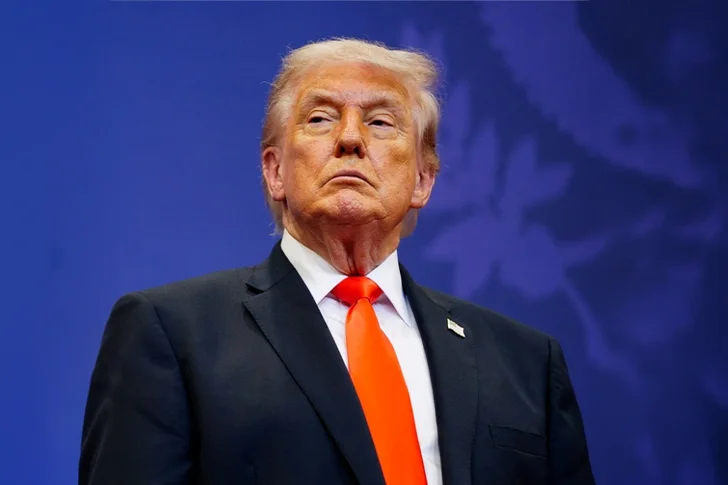
United States President Donald Trump announced in a post o...
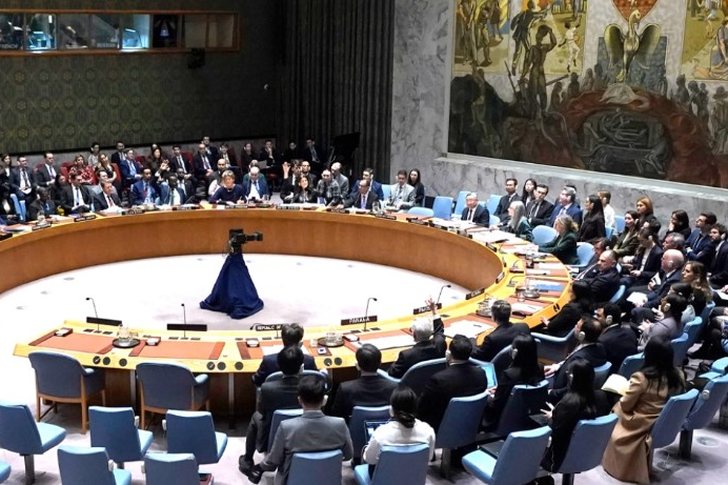
Asambleja e Përgjithshme e Kombet e Bashkuara ka përfundua...
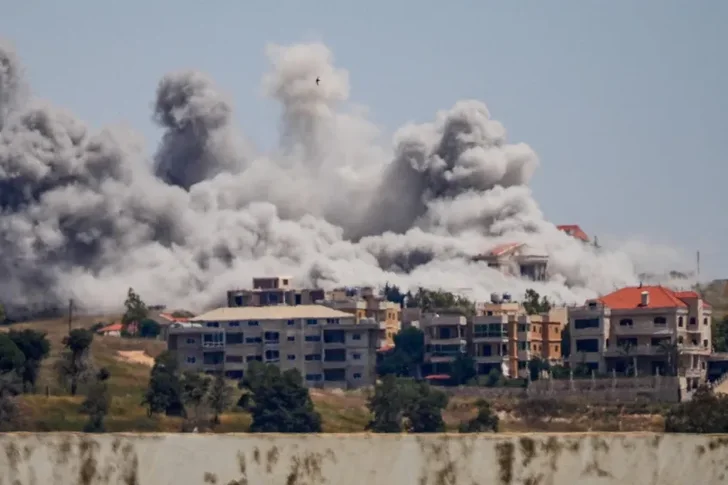
At least nine people have been killed in Israeli airstrike...
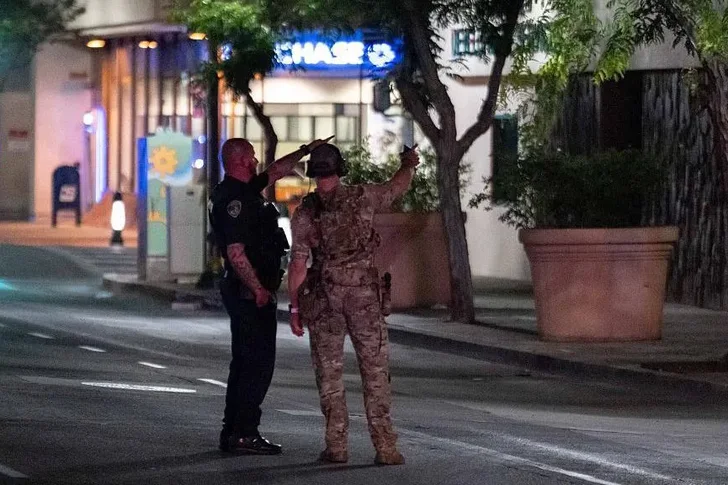
A serious incident has occurred in Bakersfield, California...
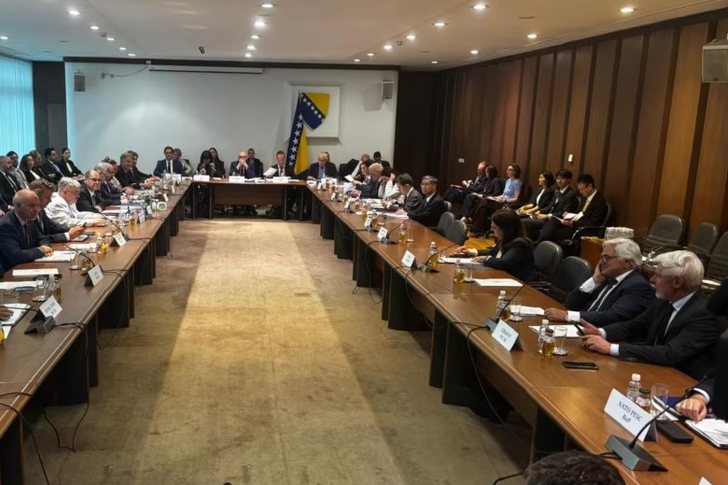
The Peace Implementation Council (PIC) began its meeting i...
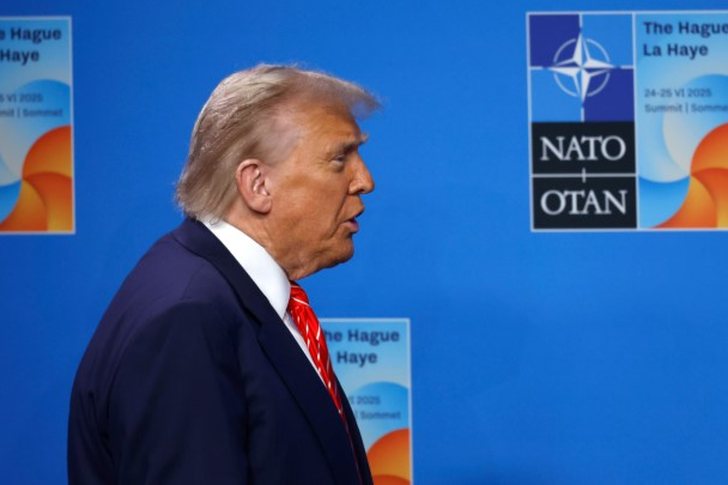
US Secretary of State Marco Rubio announced today that US ...

Nobel Peace Prize-winning doctor Denis Mukwege warned that...
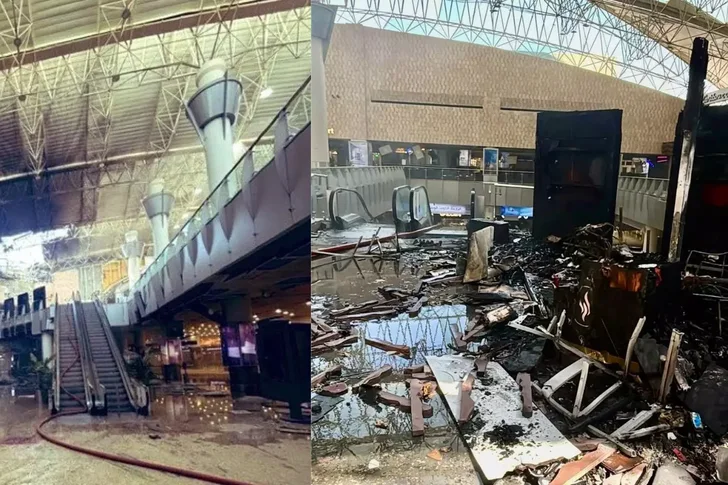
Kuwait's Ministry of Foreign Affairs has declared two memb...
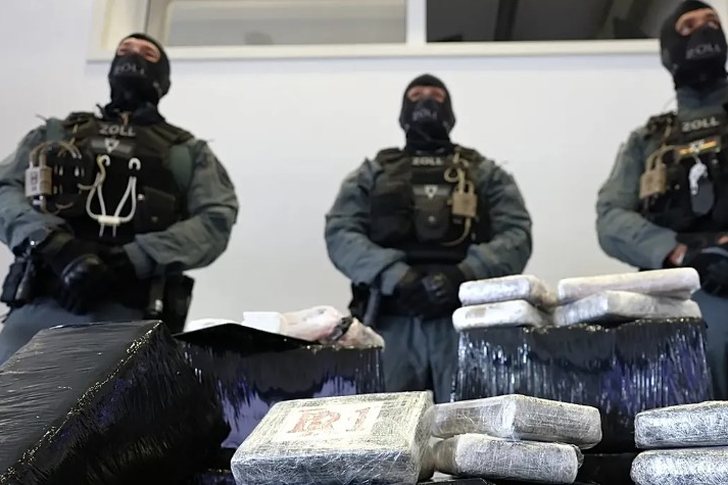
German authorities have seized more than eight tons of coc...
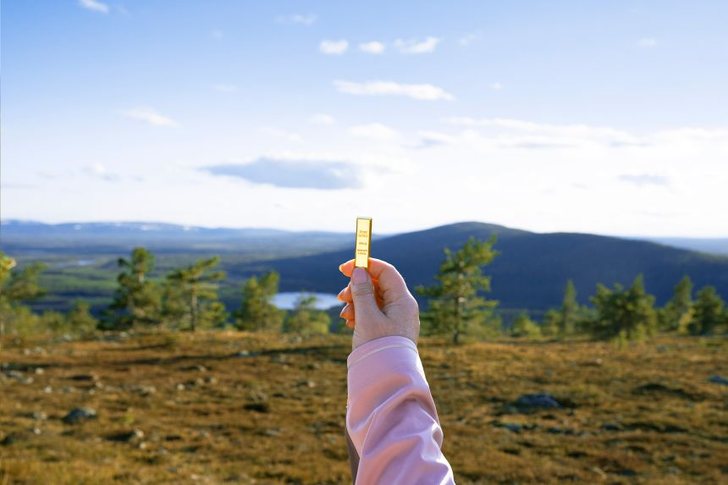
Known as the home of Santa Claus and for its landscapes re...
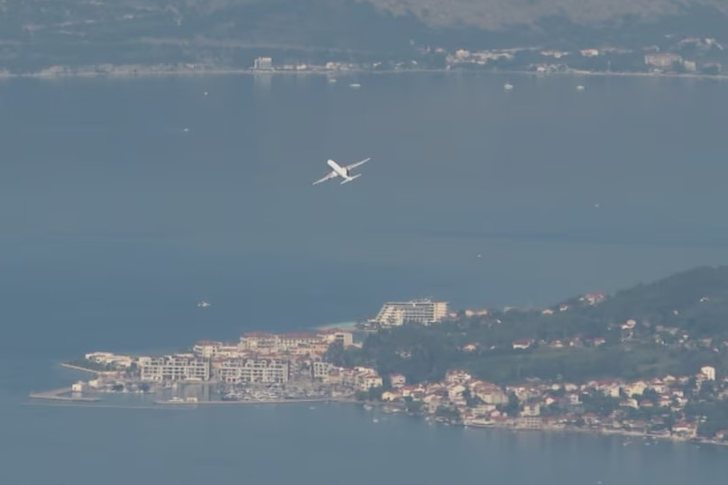
A plane with 90 passengers, which arrived in Montenegro fr...

US President Donald Trump has confirmed that he had a tens...
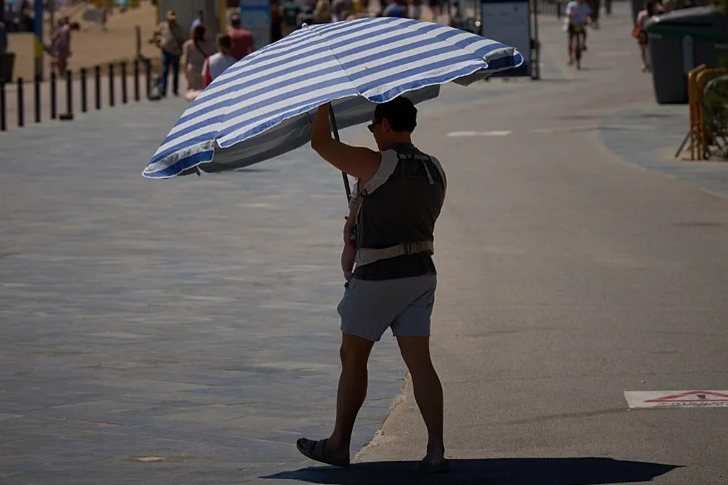
Spain has recorded a record number of deaths linked to hig...
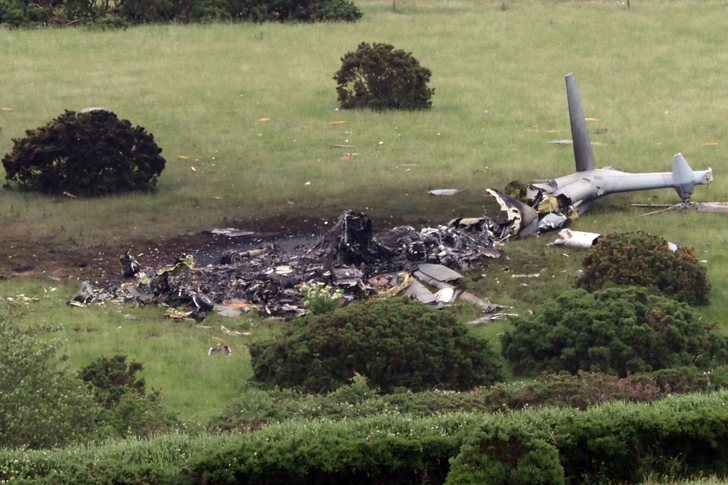
Three members of the Royal Navy have died after their heli...
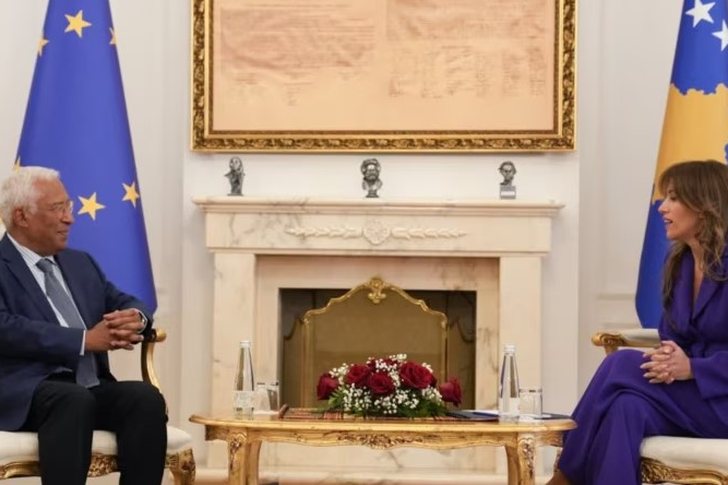
The acting president of Kosovo, Albulena Haxhiu, said that...
The European Commission has warned that the war in the Mid...
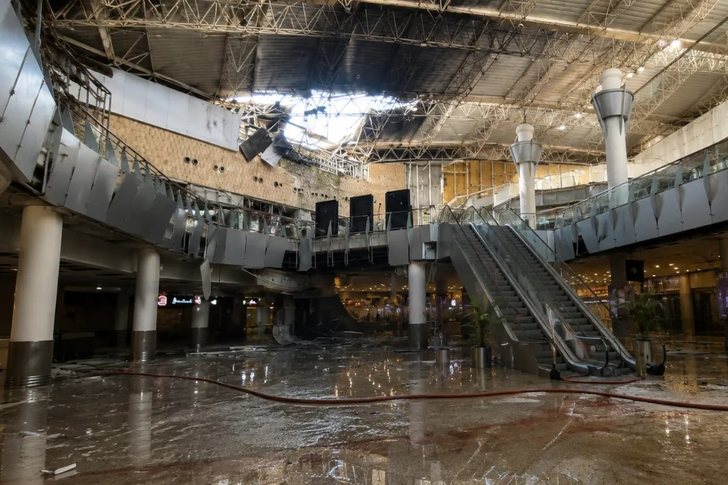
An Iranian attack on Kuwait's international airport today ...
A 39-year-old citizen has been arrested in Lezha, after se...

CNA has launched another investigation that could lead to ...

Irfan Hysenbelliu is a businessman that we call "Irfan the...

In March 2026, CNA launched another investigation centered...

The Special Board of Appeal (KPA) decided this Monday ...

The KPA vetting decided this Thursday to dismiss the p...

Suela Salavaçi, a prosecutor in the Prosecutor's Offic...

The Special Board of Appeal reinstated the prosecutor ...
The Police Supervision Agency has seized the service weapo...
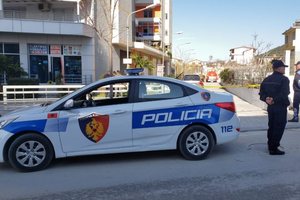
A serious incident occurred in Lushnje, where citizen IY, ...
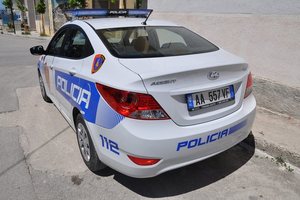
As a result of the investigative and procedural actions ca...
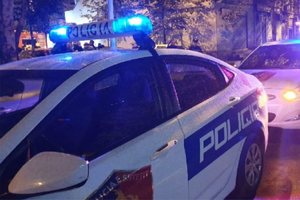
A conflict for weak motives was recorded today in the vill...

Today, our country will be under the influence of stable a...

By noon, cloudiness is expected to prevail in almost all o...

Children without parental care, for whom alternative famil...
On Thursday, our country will be under the influence of st...
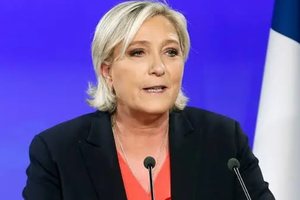
Marine Le Pen is entering the decisive phase of the presid...
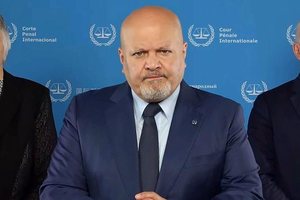
Member states of the International Criminal Court voted to...

From the declining role of exports to new public investmen...

South Korea is becoming one of the most sought-after desti...
Two windows, a century of history and the metaphysics of p...
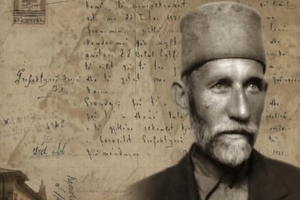
In my research at the Central State Archives, specifically...

At a time when industrial products are increasingly taking...

Trust among people is not just a three-syllable word. It c...
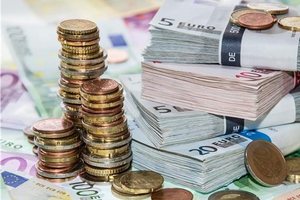
This Saturday, one US dollar is bought for 81.7 lek and so...
War, weather and supply disruptions could send gas prices ...
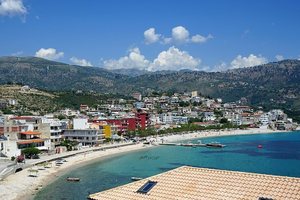
The number of active enterprises in Albania continued to g...
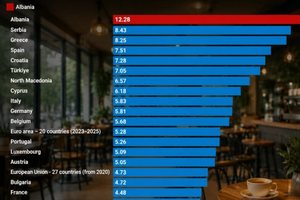
In Albania, the bar-cafe has long become an almost unique ...