

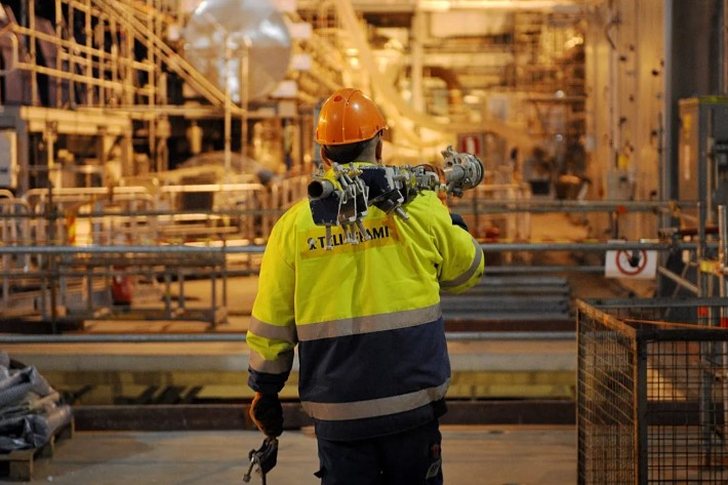
EC warns: Around 1.3 million jobs at risk from war in the Middle East
The European Commission has warned that the war in the Mid...


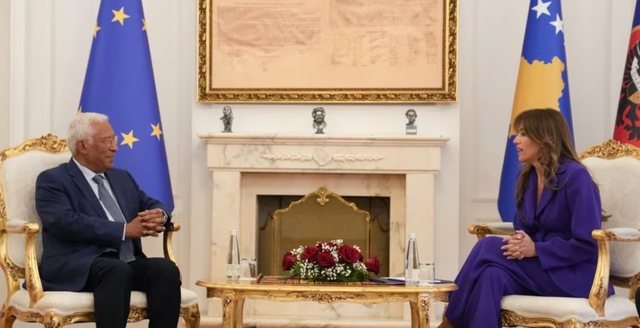
The acting president of Kosovo, Albulena Haxhiu, said that the country's path towards the European Union is a strategic state interest.
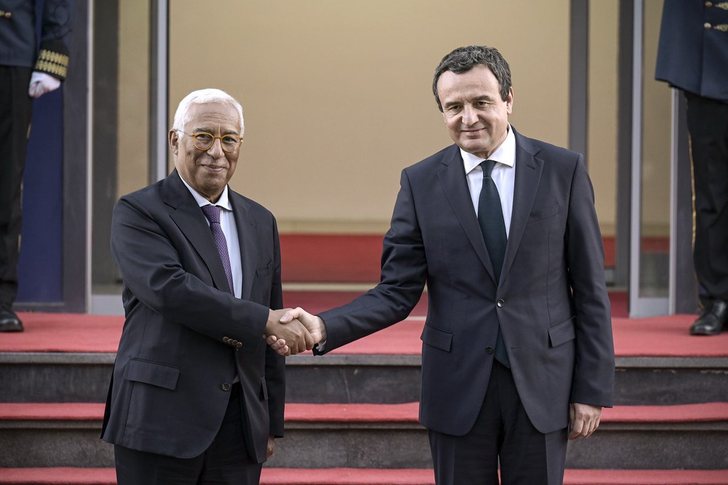
She made these statements during a meeting in Pristina with the President of the European Council, Antonio Costa, with whom she said she discussed a number of issues, including the EU's Growth Plan for the Western Balkans as well as regional stability.
"Kosovo's path towards the European Union is a strategic state interest and a democratic choice of our citizens," Haxhiu said in a Facebook post.
Before the meetings began, Costa wrote on X that he encourages political leaders in Kosovo to prioritize EU integration, "and to work together towards this common goal."
"Kosovo needs strong, stable and capable institutions to implement reforms, benefit from what the EU offers and implement the commitments arising from the Kosovo-Serbia dialogue," Costa wrote.
Meanwhile, according to a statement issued by the Presidency, Haxhiu has requested that the integration process be advanced, as Kosovo is the only country in the region that does not even have candidate country status.
Kosovo submitted its application for EU membership in December 2022. However, this application has not yet even passed the first formal phase, that of review by the EU Council and then sending it for opinion to the European Commission. Haxhiu assessed that Kosovo has the most “pro-European” society in the region, arguing that this orientation is the basis for the country’s path towards the EU.
Meanwhile, regarding the Growth Plan, Haxhiu said that Kosovo sees it as a concrete opportunity for development, "for rapprochement with the European common market and for direct benefits for citizens."
The EU's financial package for the Western Balkans - for the period 2024-2027 - is worth €6 billion. The funds are allocated to the countries of the region partly in the form of grants and partly through soft loans.
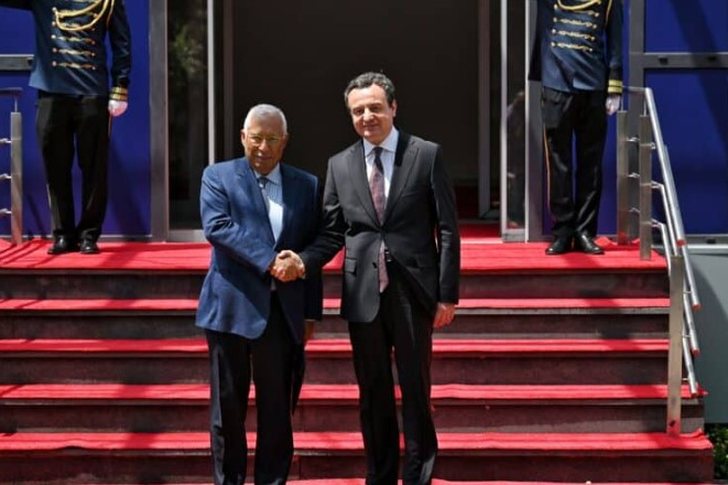
During his stay in Pristina, Costa also met with the acting Prime Minister, Albin Kurti, as well as with the leaders of the opposition parties in Kosovo.
Kurti said that the EU remains Kosovo's main development partner.
“Acting Prime Minister Kurti emphasized the Government’s commitment to reforms stemming from the Growth Plan and other pre-accession instruments, underlining the importance of obtaining candidate status,” the statement said. According to the Kosovo Acting Government, Kurti and Costa also discussed security and the importance of good neighborliness.
The European official's visit to Kosovo is part of a tour of the countries of the Western Balkans region.
"My second tour of the Western Balkans sends a clear signal: the European Union's commitment to the region is real, as is the opportunity for enlargement. The momentum is there. Now is the time to deliver," he said in a statement ahead of the start of his visits to the region.
Costa began his Balkan tour in Sarajevo, where he met with members of the Presidency of Bosnia and Herzegovina and the head of the Council of Ministers.
A day later, he stayed in Tirana where he met with Albanian Prime Minister Edi Rama and President Bajram Begaj. Then, in Skopje, he held a meeting with Macedonian Prime Minister Hristijan Mickoski.
After his stay in Pristina, Costa will travel to Serbia, for meetings with Serbian President Aleksandar Vu?i?, Parliament Speaker Ana Brnabi?, and representatives of civil society organizations.
Costa will conclude his visits to the region in Montenegro, where in addition to meetings with Montenegrin officials, he will co-chair the EU-Western Balkans summit in Tivat.
The theme of this year's summit, according to the EU, is "Shared Prosperity and Stability of the EU and the Western Balkans."
Last year, this summit was held in Brussels and Kosovo was represented by the now former president Vjosa Osmani, while Serbia did not participate. In the declaration of last year's summit, it was stated that "the lack of normalization of relations between Pristina and Belgrade is keeping both countries blocked on the European path."
Kosovo and Serbia began negotiations, under the mediation of Brussels, over a decade ago.
A number of agreements were reached during the process, but not all of them were implemented on the ground.
The two countries have not held a high-level political meeting since September 2023, a few days before the armed attack in Banjska, Zvecan.
A group of armed Serbs attacked the Kosovo Police, killing a sergeant. In the ensuing exchange of fire, three more Serb attackers were killed.
Kosovo blames Serbia for the attack, but Belgrade denies involvement.
For the attack in Banjska, authorities in Kosovo have convicted three defendants, while dozens of others are on the run.
Milan Radoicic, the former deputy leader of the Serbian List – the main Serb party in Kosovo that enjoys the support of Belgrade – has claimed responsibility for organizing the attack, as Kosovo repeatedly demands that Serbia extradite him./ Rel

The European Commission has warned that the war in the Mid...
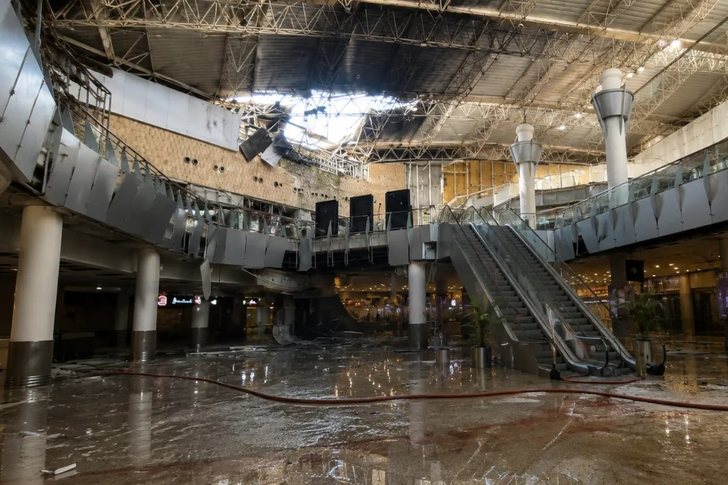
An Iranian attack on Kuwait's international airport today ...
The acting Prime Minister of Kosovo, Albin Kurti, received...
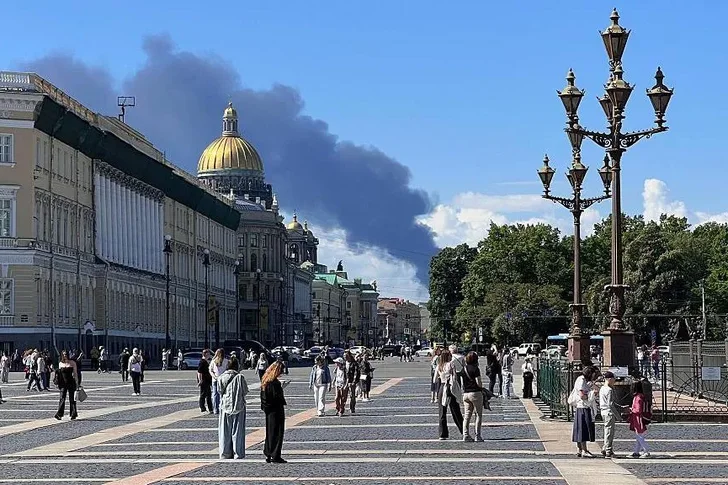
Ukraine has carried out a wave of attacks on the outskirts...
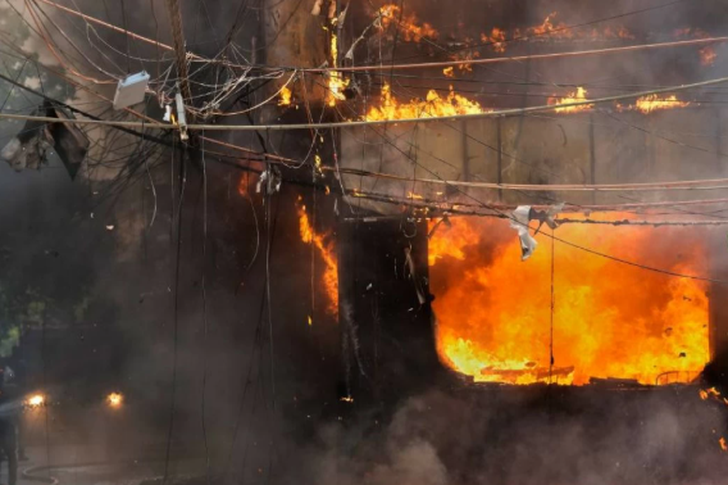
At least 21 people have died in a fire that broke out at a...
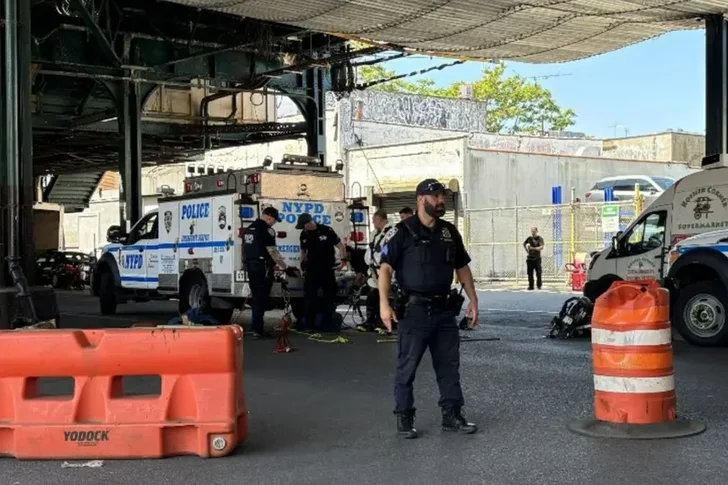
New York City police are investigating after several video...
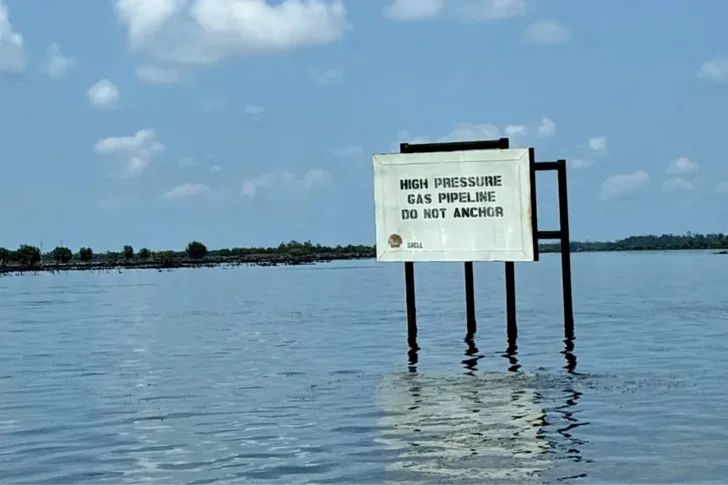
British multinational Shell continued to operate a major o...
Seven people have been killed and 11 others injured in a d...
Tensions in the Middle East remain high, with US forces ca...
Kosovo's acting Prime Minister, Albin Kurti, will host the...
US Secretary of State Marco Rubio told Congress that the T...
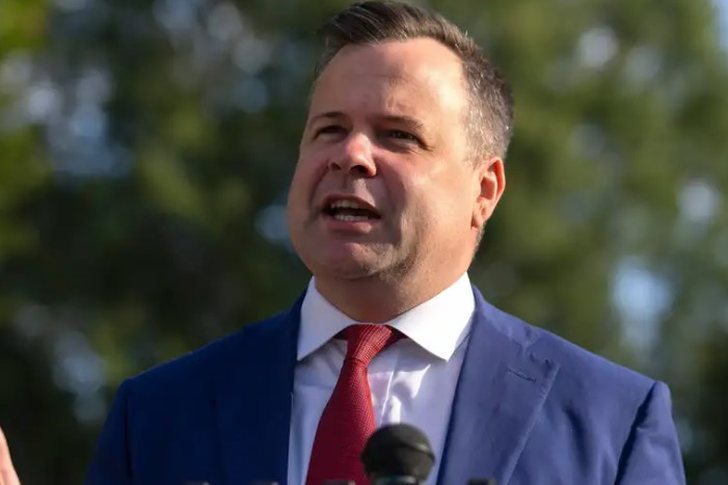
US President Donald Trump has appointed Bill Pulte as acti...
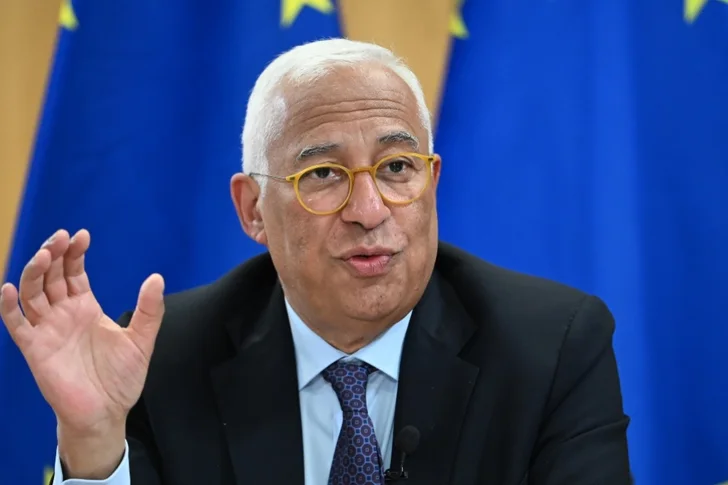
The President of the European Council, Antonio Costa, reit...
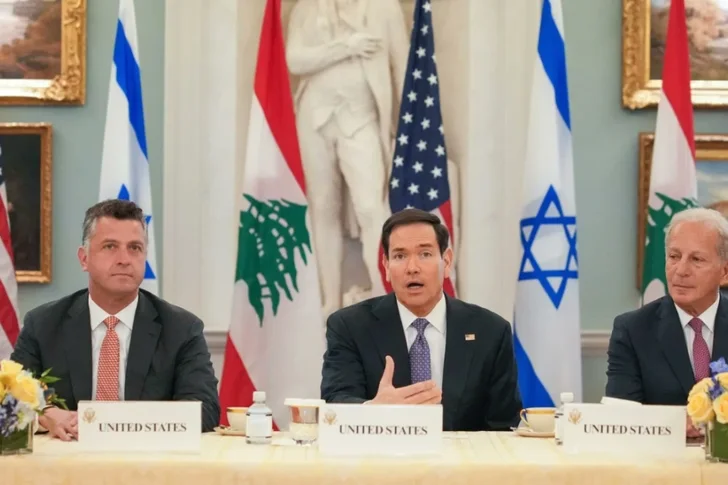
US Secretary of State Marco Rubio said on Tuesday that neg...
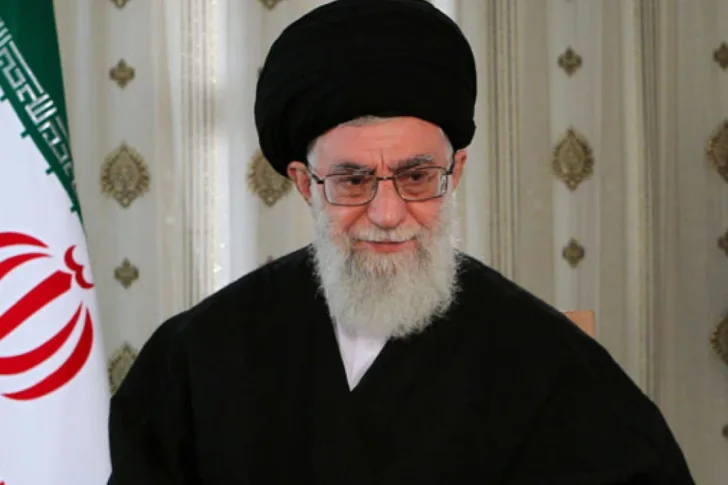
Iran is planning a three-day funeral for Supreme Leader Ay...
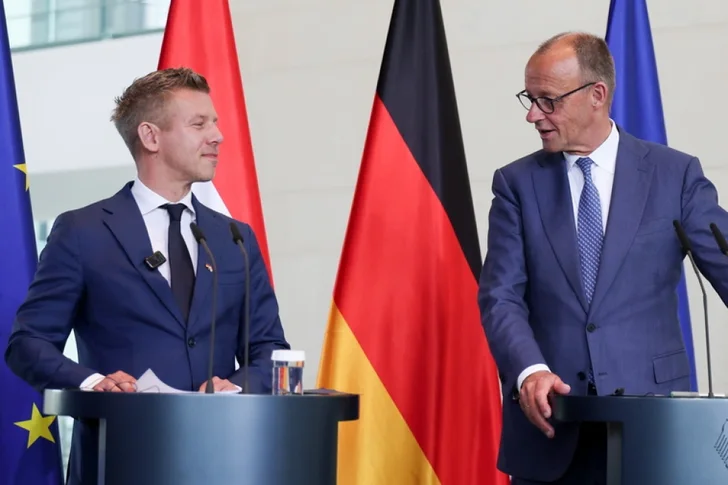
Hungary's new Prime Minister, Peter Magyar, expressed toda...
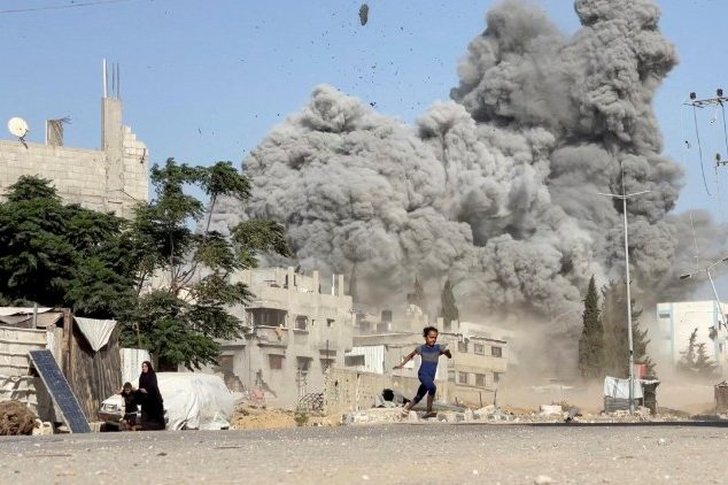
At least three Palestinians were killed today by Israeli a...

The Ministry of Industry, Entrepreneurship, Trade and Inno...
European Union health ministers will hold an extraordinary...
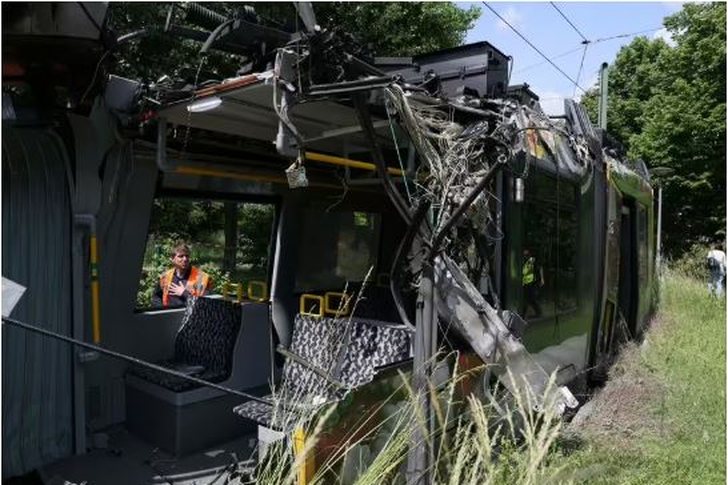
Të paktën 20 persona besohet se janë plagosur në një incid...
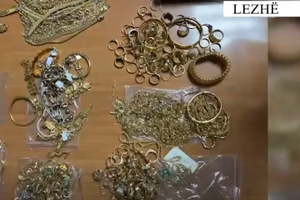
A 39-year-old citizen has been arrested in Lezha, after se...

CNA has launched another investigation that could lead to ...

Irfan Hysenbelliu is a businessman that we call "Irfan the...

In March 2026, CNA launched another investigation centered...

The Special Board of Appeal (KPA) decided this Monday ...

The KPA vetting decided this Thursday to dismiss the p...

Suela Salavaçi, a prosecutor in the Prosecutor's Offic...

The Special Board of Appeal reinstated the prosecutor ...
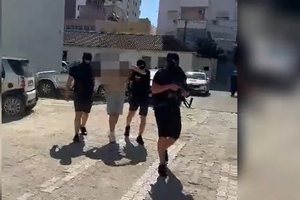
Following the successive operations carried out by the ope...
The Police Supervision Agency has seized the service weapo...
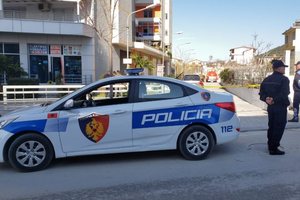
A serious incident occurred in Lushnje, where citizen IY, ...
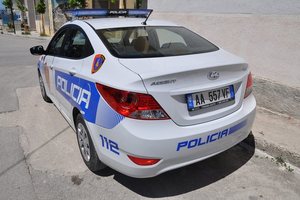
As a result of the investigative and procedural actions ca...

Today, our country will be under the influence of stable a...

By noon, cloudiness is expected to prevail in almost all o...

Children without parental care, for whom alternative famil...
On Thursday, our country will be under the influence of st...
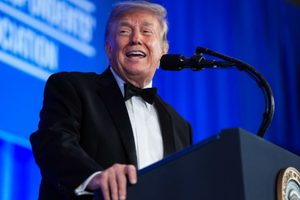
US President Donald Trump has announced that he will seek ...
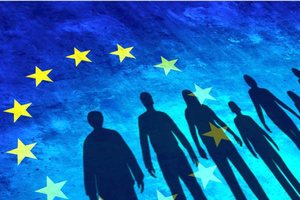
Almost half of people living in France, Germany, Italy and...
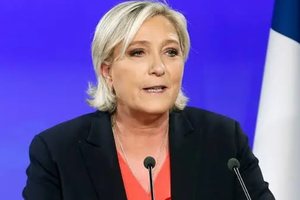
Marine Le Pen is entering the decisive phase of the presid...
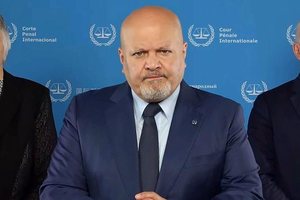
Member states of the International Criminal Court voted to...
Two windows, a century of history and the metaphysics of p...
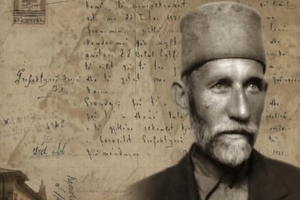
In my research at the Central State Archives, specifically...

At a time when industrial products are increasingly taking...

Trust among people is not just a three-syllable word. It c...
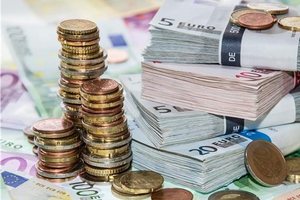
This Saturday, one US dollar is bought for 81.7 lek and so...
War, weather and supply disruptions could send gas prices ...
The number of active enterprises in Albania continued to g...
In Albania, the bar-cafe has long become an almost unique ...