

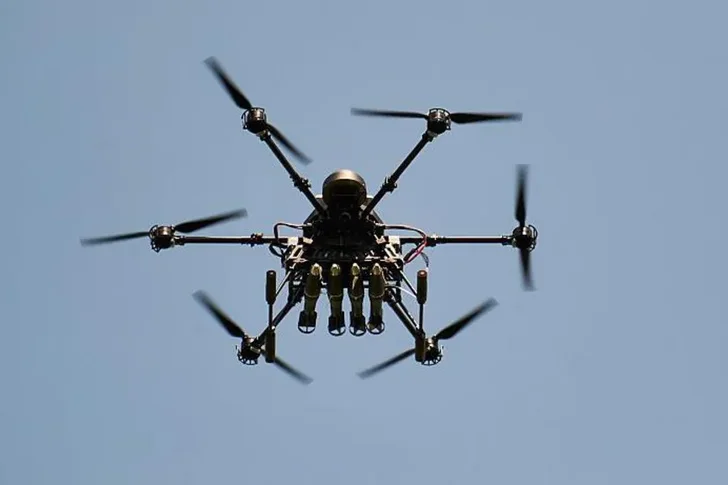
Seven killed in drone attack on bus in Russian-controlled part of Ukraine
Seven people have been killed and 11 others injured in a d...


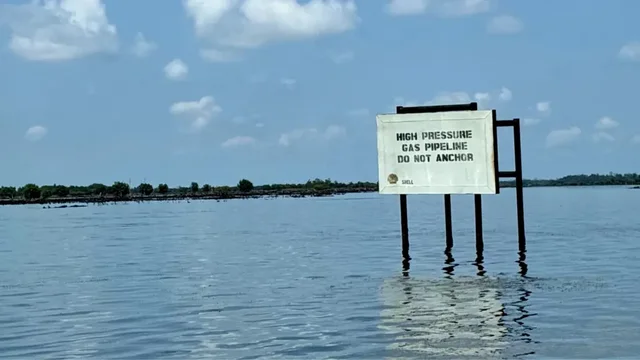
British multinational Shell continued to operate a major oil pipeline in Nigeria for years, even though it knew it was causing widespread pollution - despite a warning from its staff and its own technical standards, internal documents obtained by the BBC show.
The files, including emails and presentations, reveal that a senior Shell executive warned as early as 2008 about the risks of continuing to pump millions of barrels of unrefined fuel through one of the company's main pipelines to Africa's largest oil producer, while the latter was subject to massive and destructive uncontrolled theft and infrastructure failures.
Across the oil-rich southern Niger Delta in Nigeria, decades of oil spills have left a deeply damaged landscape, with wetlands increasingly covered in raw, contaminated sediments.
The BBC obtained the internal documents after Shell disclosed them as part of ongoing legal proceedings in the UK brought by communities living around the streams and mangroves of the Niger Delta, who want Shell to be held liable for pollution caused by more than 100 leaks stemming from the theft and illegal refining of oil between 2011 and 2013 that have damaged their health, environment and livelihoods.
The main line of the Nembe Stream, 96.5 km long, runs near the riverine community of Bille, which consists of 45 islands, from inland oil fields to a coastal processing site for export.
The pipeline, which Shell sold last year, was one of Nigeria's largest, most expensive and ultimately most problematic pieces of infrastructure. It was capable of transporting up to 150,000 barrels of oil a day, but was repeatedly hit by spills and targeted by illegal oil thieves.
In court documents, the oil firm argues that much of the pollution was caused by "large-scale oil theft, sabotage" and dozens of illegal refineries, and that its Nigerian subsidiary has invested heavily over many years to reduce the risk of spills and respond to them.
In places like Bille, which the BBC visited last week, residents describe once-rich fishing grounds as becoming toxic and unusable.
"Before 2011, this was a beautiful area. People would play here and go to the river," 64-year-old fisherman Balafama Augustus Bruce told the BBC.
A plaintiff in the case against Shell, Bruce said that before all the information leaks, he was able to catch a variety of fish, including sardines, catfish, tilapia and even oysters, but most are hard to find now or if caught, appear deformed.
"We used to fish around here. But because of the damage the spills have caused, no one is fishing here anymore."
"Because of this I have become poor. I eat from hand to mouth."
The communities, through an ongoing international lawsuit against Shell, are seeking $1 billion (£742 million), including: $250 million in compensation and $750 million to clean up environmental damage.
According to the UN, since 1958 when Shell shipped its first cargo of oil from Nigeria, at least 13 million barrels - or 1.5 million tonnes - of crude oil have been spilled in at least 7,000 incidents.
Activists have long sought to hold multinational oil firms accountable for environmental damage there - one vocal Shell critic was Ken Saro-Wiwa, one of Nigeria's leading writers, who was infamously executed by the then military government in 1995 after leading anti-pollution demonstrations in his Ogoniland region of the Niger Delta.
Oil theft has also long been a problem in the Niger Delta - known as "bunkering" and usually involves criminal gangs using pipelines to siphon crude oil into ships or storage tanks. Some of the stolen oil is refined in makeshift camps hidden in streams, while the rest is sold illegally.
In the mid-2000s, oil militants were also a major security issue, as heavily armed militants on speedboats attacked installations and kidnapped foreign workers for ransom, including a series of incidents in 2007 and 2008, as part of their demands for the impoverished region to receive more benefits from oil revenues.

Seven people have been killed and 11 others injured in a d...
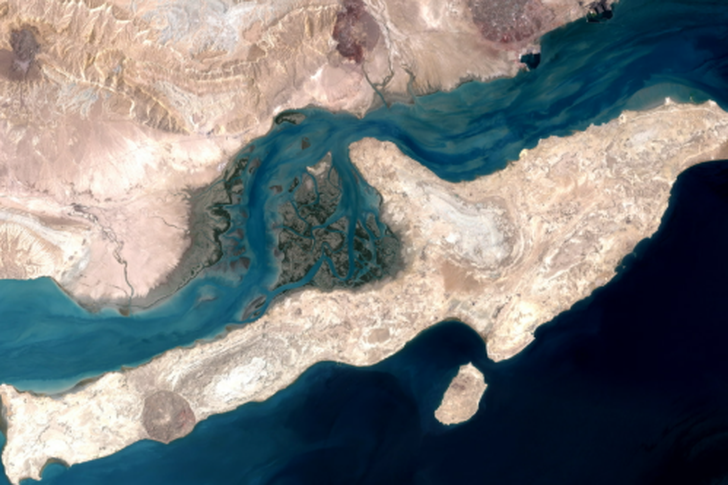
Tensions in the Middle East remain high, with US forces ca...
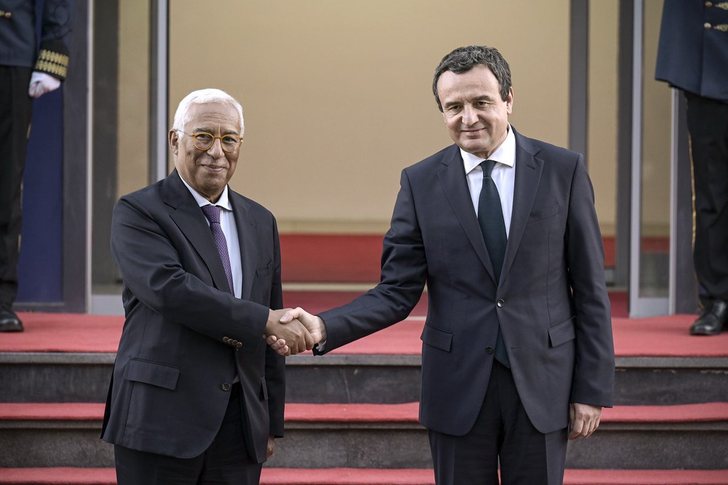
Kosovo's acting Prime Minister, Albin Kurti, will host the...
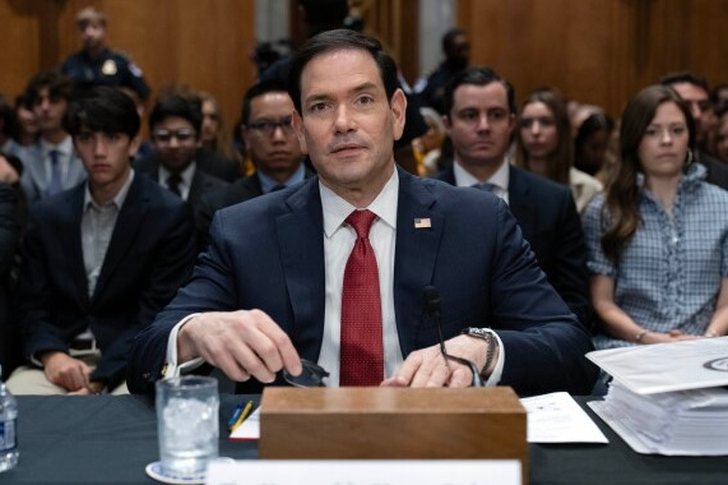
US Secretary of State Marco Rubio told Congress that the T...
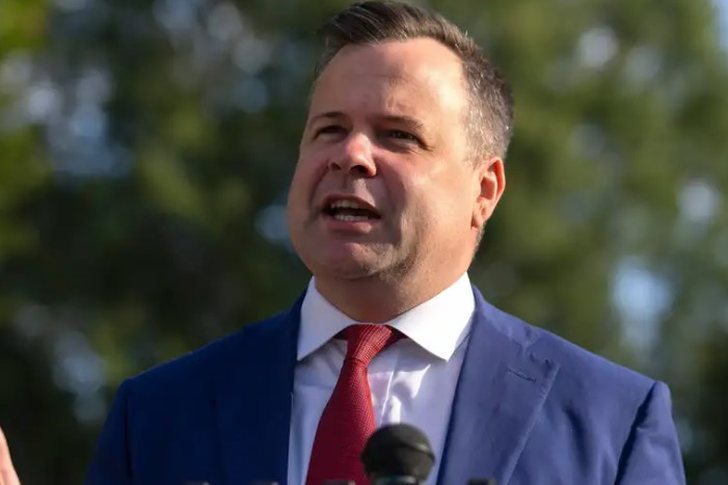
US President Donald Trump has appointed Bill Pulte as acti...
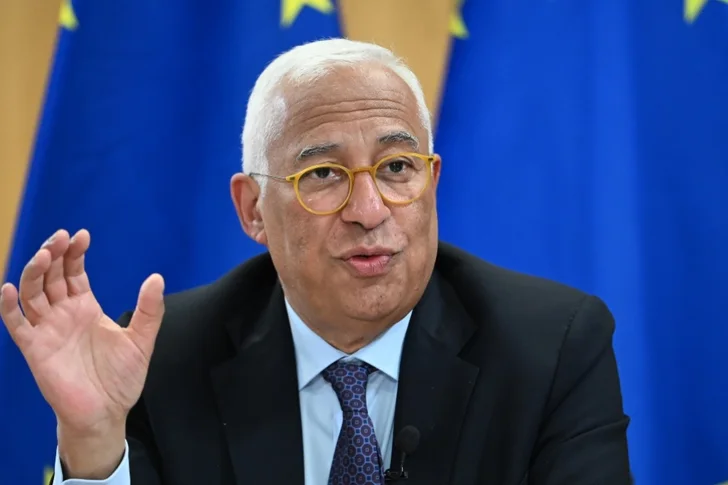
The President of the European Council, Antonio Costa, reit...
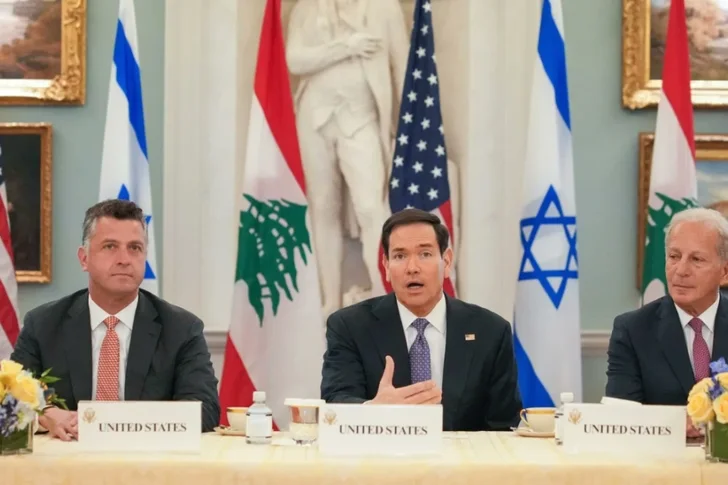
US Secretary of State Marco Rubio said on Tuesday that neg...
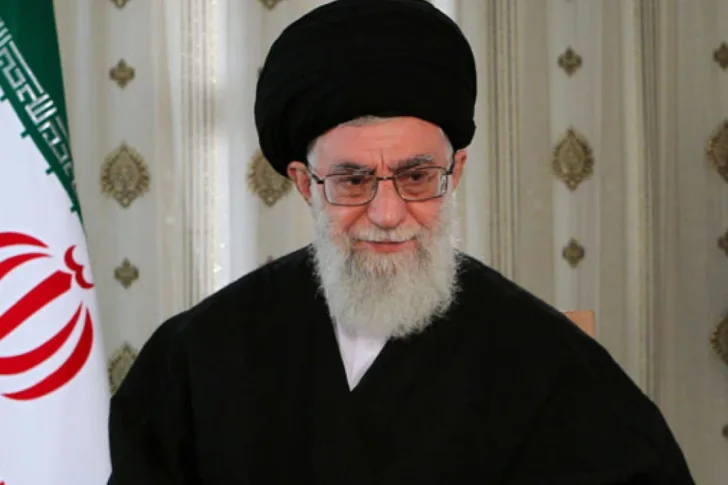
Iran is planning a three-day funeral for Supreme Leader Ay...

Hungary's new Prime Minister, Peter Magyar, expressed toda...
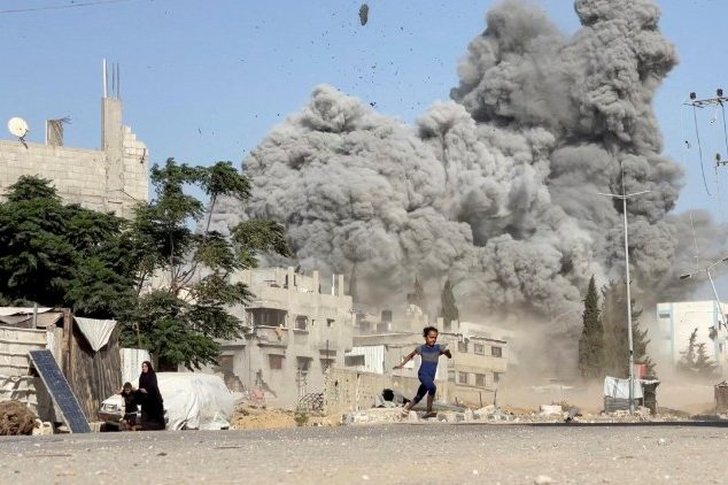
At least three Palestinians were killed today by Israeli a...

The Ministry of Industry, Entrepreneurship, Trade and Inno...

European Union health ministers will hold an extraordinary...

Të paktën 20 persona besohet se janë plagosur në një incid...
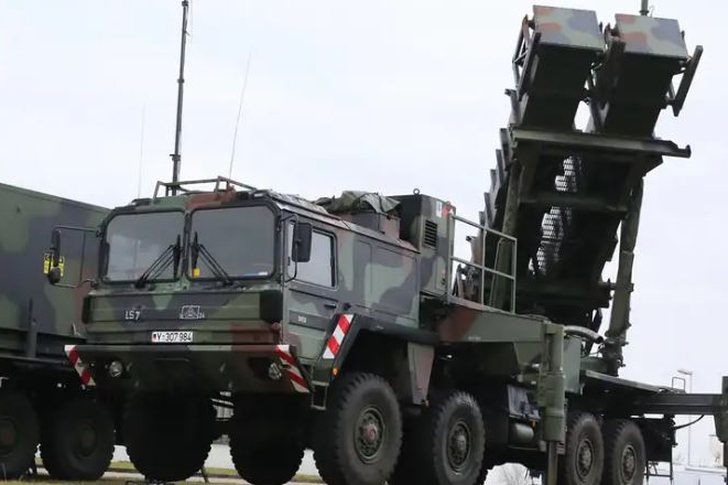
The US is considering deploying nuclear weapons in other E...
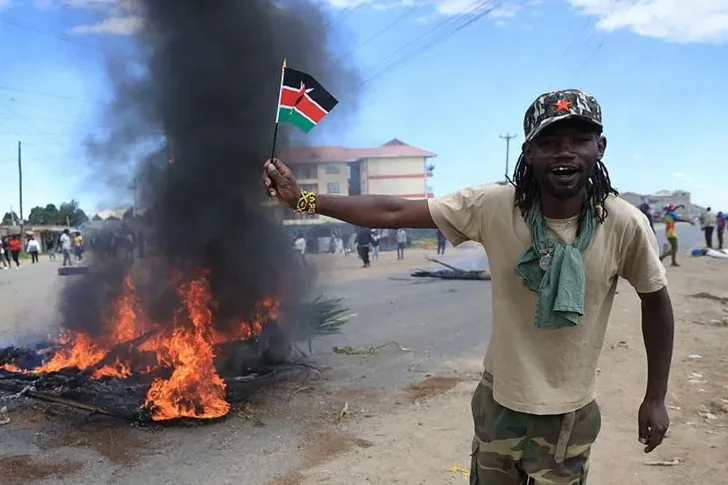
Two people have been shot dead in the central Kenyan town ...
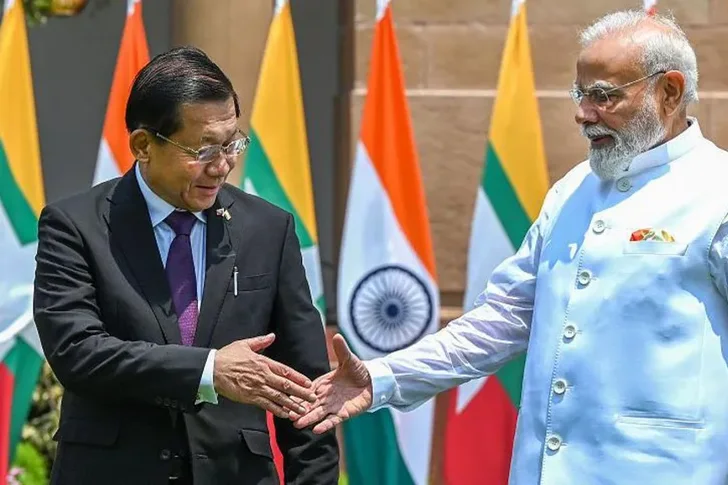
Myanmar President Min Aung Hlaing, who is in India on a fi...
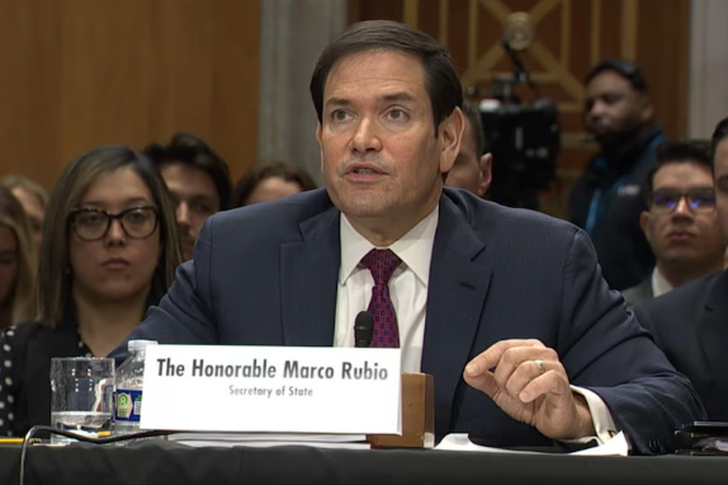
US Secretary of State Marco Rubio will testify before the ...
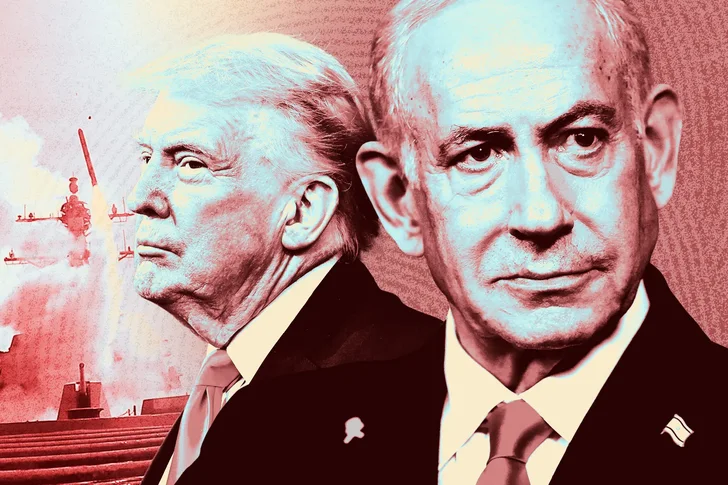
President Trump sharply attacked Israeli Prime Minister Be...
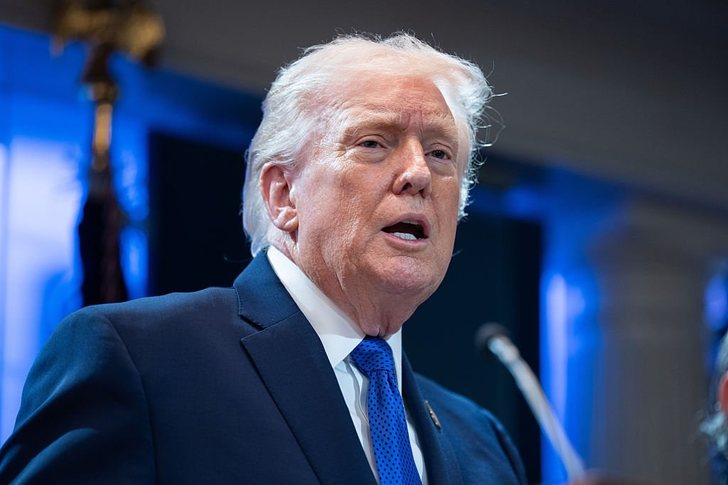
Presidenti i SHBA-së, Donald Trump, tha se korrniza e marr...
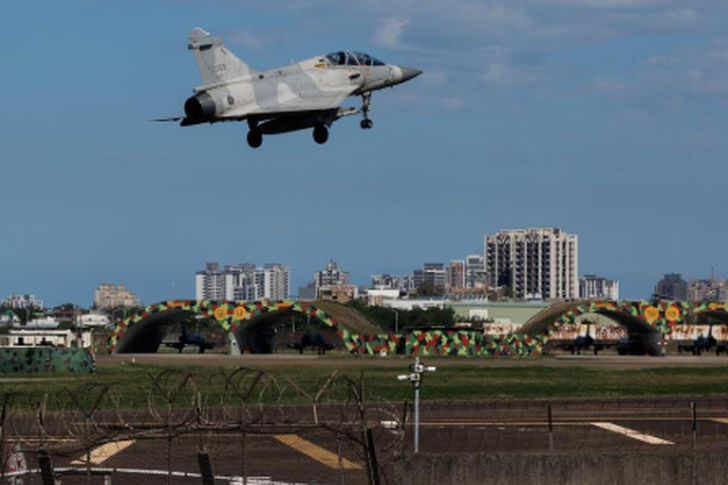
A Taiwanese Air Force training plane crashed this Tuesday ...
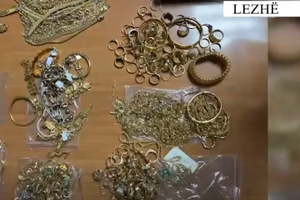
A 39-year-old citizen has been arrested in Lezha, after se...

CNA has launched another investigation that could lead to ...

Irfan Hysenbelliu is a businessman that we call "Irfan the...

In March 2026, CNA launched another investigation centered...

The Special Board of Appeal (KPA) decided this Monday ...

The KPA vetting decided this Thursday to dismiss the p...

Suela Salavaçi, a prosecutor in the Prosecutor's Offic...

The Special Board of Appeal reinstated the prosecutor ...

Following the successive operations carried out by the ope...
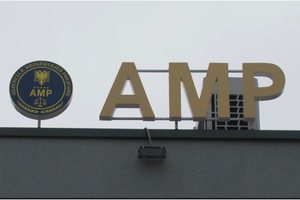
The Police Supervision Agency has seized the service weapo...
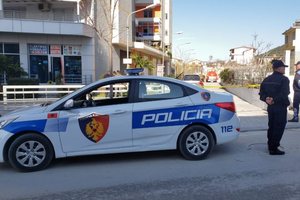
A serious incident occurred in Lushnje, where citizen IY, ...
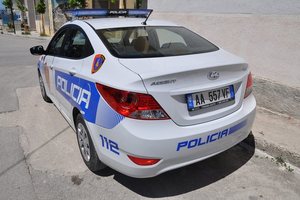
As a result of the investigative and procedural actions ca...
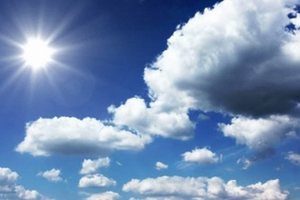
Today, our country will be under the influence of stable a...

By noon, cloudiness is expected to prevail in almost all o...

Children without parental care, for whom alternative famil...
On Thursday, our country will be under the influence of st...

Marine Le Pen is entering the decisive phase of the presid...
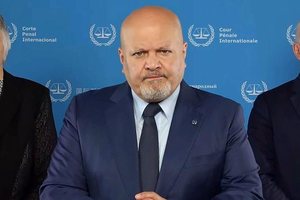
Member states of the International Criminal Court voted to...
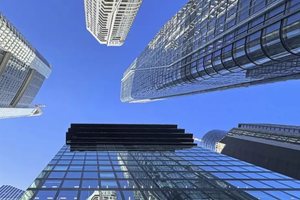
From the declining role of exports to new public investmen...

South Korea is becoming one of the most sought-after desti...
Two windows, a century of history and the metaphysics of p...

In my research at the Central State Archives, specifically...

At a time when industrial products are increasingly taking...

Trust among people is not just a three-syllable word. It c...
This Saturday, one US dollar is bought for 81.7 lek and so...
War, weather and supply disruptions could send gas prices ...
The number of active enterprises in Albania continued to g...
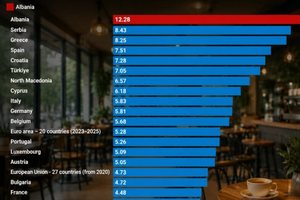
In Albania, the bar-cafe has long become an almost unique ...