


Air pollution increases risk of childhood hypertension
Children may end up with high blood pressure due to exposu...



Genetics appear to help determine who develops multiple sclerosis (MS), two new studies say.
A person's genetics interact with an infection with the Epstein-Barr virus (EBV) to trigger a severe autoimmune reaction that leads to multiple sclerosis, researchers reported this week in the journal Cell.
"In addition to EBV infection, genetic factors also play a role," lead researcher Roland Martin, a professor of neurology and neuroimmunology at the University of Zurich in Switzerland, said in a press release.
Specifically, the genetics allow immune cells infected by the virus to continue to produce antibodies that target myelin, the protective sheath that covers neurons, the researchers said.
This autoimmune attack on myelin and subsequent damage to the nervous system is a hallmark of multiple sclerosis, the researchers said. It causes the paralysis, vision loss and fatigue found in multiple sclerosis.
The results of the two studies add to growing evidence that the Epstein-Barr virus is involved in both causing multiple sclerosis and shaping its progression, the researchers said.
Everyone who has multiple sclerosis (MS) has been previously infected with the Epstein-Barr virus, the researchers said in their preliminary notes.
However, about 95% of healthy people also carry the virus, raising the question of what else happens that causes multiple sclerosis in some but not all.
For the new study, researchers used laboratory mice to explore the hidden mechanisms of multiple sclerosis, looking specifically at B cells - immune cells that produce antibodies.
The Epstein-Barr virus can infect B cells, causing them to produce hunter/killer T cell antibodies that target myelin, the researchers said.
Normally, these altered B cells would be shut down by stringent immune safety mechanisms that kick in before they can cause harm.
But these safety mechanisms are driven by proteins called Human Leukocyte Antigens (HLA), and researchers found that changes in the genes that drive HLA can allow infected B cells to continue to spin out of control.
In experimental mice, EBV-infected B cells caused damage to myelin that closely resembled early lesions of multiple sclerosis, the researchers said.
"The role of EBV in multiple sclerosis has been quite mysterious for a long time. We have identified a series of events, including EBV infection, that must occur in a clearly defined sequence to cause localized inflammation in the brain," said principal investigator Tobias Derfuss, a research group leader at the University of Basel in Switzerland.
"While this does not fully explain all aspects of multiple sclerosis, it may be the spark that ignites chronic inflammation in the brain," he said in a press release.
Experts largely agree that both B cells and the Epstein-Barr virus are involved in the disease, but senior researcher Nicholas Sanderson, a project leader at the University of Basel, said there is no consensus on how.
“The model that emerges from our team’s work is very simple and therefore very compelling,” he said in a press release. “In short, we suggest that virus-infected B cells cause lesions.”
Martin pointed out the potential benefits of the findings.
"Our study shows how the most important environmental and genetic risk factors can contribute to multiple sclerosis and trigger an autoimmune response that targets myelin components in the brain," he said.
"Our findings reveal mechanisms that could be targeted by new therapies," Martin added./ CNA

Children may end up with high blood pressure due to exposu...

A large study, published in the journal Nature, found that...

Body aches, fever, chills, and nasal congestion can make y...

For example, over 50% of the population consumes coffee ev...

A well-known and recently recommended eating pattern by he...

Regular consumption of tomatoes and other lycopene-rich fo...

A new study suggests that relieving stress before surgery ...

Garlic, one of the oldest plants known to man, continues t...

If you're looking for a healthy way to curb your sweet too...

Our grandparents ate bread, butter, and meat every day. Th...

Hair growth is influenced by many factors such as age, gen...

The Mediterranean diet has gained great popularity for the...

Soups are a common food choice, from everyday family menus...

Inflammation tends to increase during the winter months, a...
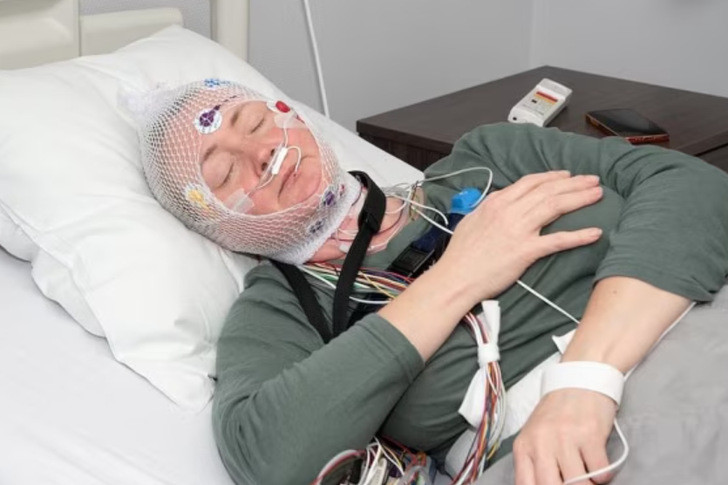
Your body talks while you sleep, and what it says could he...

Focusing solely on weight can obscure other changes that i...

The United States has announced that it is reviewing child...

If you're looking for a simple and sustainable way to feel...

Orange juice, long considered problematic due to its high su...

As the new year begins, many of us set goals to eat health...

The next case broadcast on the show "Stop", this Thursday,...
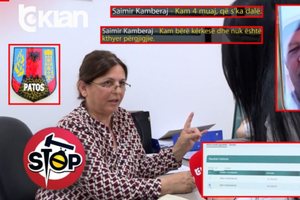
The case published this Thursday, June 4, on the show "Sto...

The protests of recent days related to the situation in Zv...

The case addressed this Wednesday, June 3, on the show "St...

The Special Board of Appeal (KPA) decided this Monday ...

The KPA vetting decided this Thursday to dismiss the p...

Suela Salavaçi, a prosecutor in the Prosecutor's Offic...

The Special Board of Appeal reinstated the prosecutor ...

A convict was found dead today in the premises of the Pris...

Several images provided by CNA show the area where this mo...

A quantity of explosive material exploded this morning at ...

The Head of the State Police, Skënder Hita, expressed his ...

For many children and teenagers, the long summer holidays ...

Witnesses in Lozhan, Maliqi, have shared details from the ...

Albania is facing an unprecedented demographic transition,...

On Thursday, our country will be affected by unstable weat...
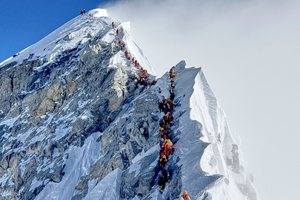
An extraordinary story of survival has been recorded in Ne...

The Peace Implementation Council in Bosnia and Herzegovina...

John Bolton, the former national security adviser to US Pr...

The number of millionaires worldwide rose by nearly 2 mill...

Korça is ready to open the summer season with one of the c...

Two years after his passing, the renowned Korçë poet Skënd...

The Ethnographic Museum of Berat has opened its doors to v...
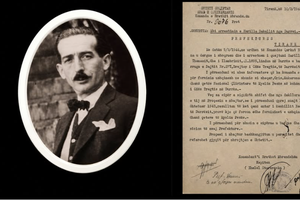
The story of Harilla Bakalli is one of the most chilling t...

The government aims to transform the country's industrial ...

Kursi i këmbimit të euros me lekun ka rënë më tej këtë jav...

Profit margins in the construction sector have increased s...

The Transparency Board, at its meeting today, decided to i...