


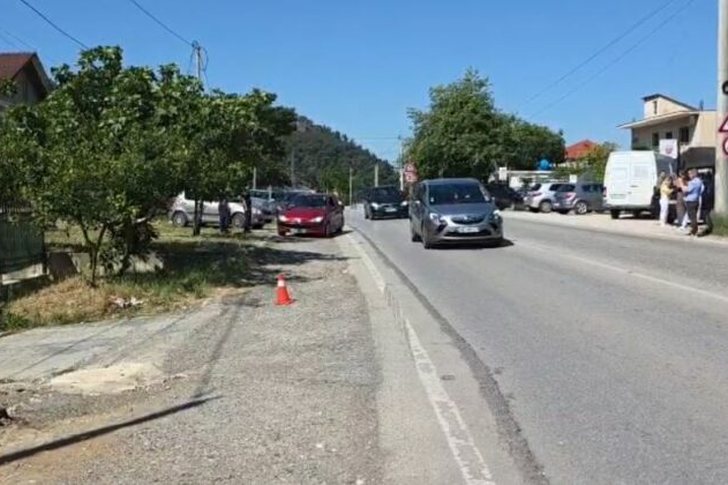
Tensions outside the Parliament/ Police begin escorts
The police have begun the first escorts of protesters who ...

The police have begun the first escorts of protesters who ...


One of the greatest disasters of our time is not the lack of information. Quite the opposite. Never in history has man had so much information available to him as he does today.
The misfortune with a large portion of Albanians and their relationship with portals or social networks is that a large portion of them do not read to understand, but to oppose, insult, or attack.
The topic doesn't matter. The argument doesn't matter. The logic doesn't matter.
The Albanian enters a piece of writing with a preconceived opinion. He doesn't look for arguments. He doesn't look for facts. He doesn't look for new perspectives. He just looks for a sentence that he can use as an excuse to explode into comments.
In an article, regardless of the topic or perspective from which you address a topic, you must include all the things that readers have in mind or belief, all the conspiracy theories they have heard at the neighborhood cafe or at the farmer's market.
In fact, often he doesn't read the article at all. The title is enough. Sometimes the picture is enough. There are times when the author's name is enough. Then the trial begins.
If the writing is political, the author must necessarily insult Rama if the reader is with Berisha. Or insult Berisha if the reader is with Rama. The topic of the writing does not matter. You can write about Homer, Plato, Troy or the climate. You have to insert a political insult somewhere, otherwise you are a mercenary and suspicious.
If you write about the beauties of the sea, someone will immediately come out to explain to you that the mountain is more beautiful. If you write about the mountain, you have to insult the sea, because someone else will appear who will accuse you of underestimating the coast. If you dare to say that both are the beauty and wealth of the country, you are accused of propaganda and then both sides will unite against you.
If you cover the conflict in the Middle East, you shouldn't analyze. You should pick a flag and wave it. If you try to see the human tragedy on both sides, you are immediately declared either a Zionist or a terrorist, depending on who is reading you.
If you talk about Israel, you have to curse it to please the pro-Palestinian side. If you talk about Palestine, you have to do the opposite so as not to anger the other side.
If you talk about relations with Greece, you have to curse everything Greek. You have to curse the Greeks for decades of injustice and at the same time applaud those who once presented themselves as our saviors. If you talk about Turkey, you have to divide the world between Erdogan's admirers and haters. You have to hate Erdogan because he is close to Rama, but worship Mitsotakis because his vote helps us enter the EU.
If he talks about the protests for Zvërnec, they curse him, why doesn't he talk about the theater, Rrjoll, Llogorana, chemical weapons, Kosovo, Belinda's corruption, the politician's spiky head, Zeqine's oratory, or the hundred words that Flamur Noka spins. No one has patience for nuances. No one accepts that reality is more complex than slogans.
The problem is that many people don't understand that a piece of writing is not necessarily a declaration of allegiance to a party. An author who takes a topic seriously is obligated to include the arguments, doubts, contradictions, and facts that exist around it. But the militant reader doesn't want that. He doesn't want analysis. He wants confirmation of his own prejudices.
And when he doesn't find it, he gets angry.
According to this absurd logic, a good journalist is not the one who tells the truth, but the one who says what you want to hear. A good analyst is not the one who argues, but the one who flatters your beliefs. A good author is not the one who makes you think, but the one who convinces you that you were right from the beginning. Above all, the one who makes you blindly believe that you are always right. That your opinion is the absolute truth. That anyone who thinks differently is a fool, a sellout, a traitor, or an enemy.
That's why social networks are filled with people who don't discuss, but announce verdicts, who don't debate, but label. Who don't argue, but scream. Every topic ends up in the same mud: traitors, mercenaries, sellouts, patronageists, Sorosists, Bershirists, rilindas, anti-nationals and enemies.
This is the tragedy of social networks. They were created as spaces for communication and the exchange of ideas, but they have turned into platforms where everyone climbs to declare as a national issue the length of their own shadow and that only they think freely, while everyone else is manipulated.
Therefore, portals produce less and less thought and more and more noise and have become the ideal platform where anyone can speak without knowing, judge without understanding, and condemn without reading.
So the biggest problem is not that there are many people who don't know. The problem is that there are many people who don't know and at the same time are absolutely convinced that they know everything and that noise is an argument.
This is the perfect formula to kill every debate, every reflection, every opportunity and will to understand reality.
The reality they enter not to learn anything. Nor to understand. Nor to exchange ideas, but to vent their anger, complexes, and hatred and to win a debate about something they neither know nor have ever read./ CNA

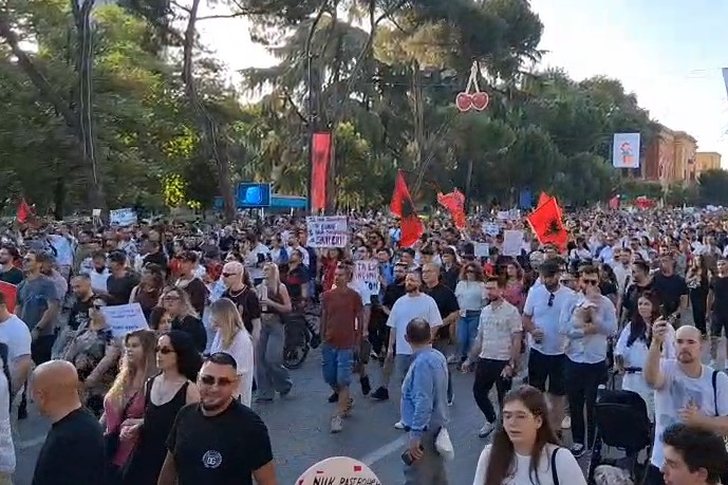
Despite the chaos of messages, banners, placards and cause...
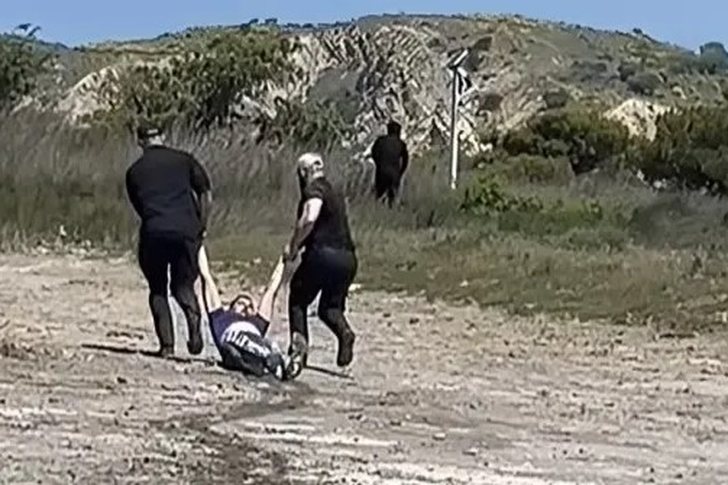
The abduction and ruthless rape of a protesting citizen, l...

Sipas Shkrimit të Shenjtë, që përbën themelin e besimit të...
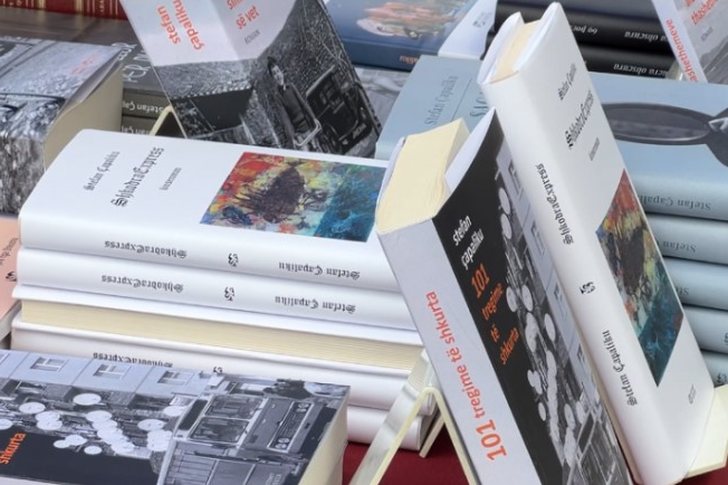
I would have liked to deliver this written statement in th...

I have known both Behgjet and Valon for years. Very well, ...

There are people suffering from life-threatening illnesses...

Honored by the invitation to be present at the celebration...

Europe is facing a significant increase in hate speech, ra...

The debate that erupted after an article I published on th...
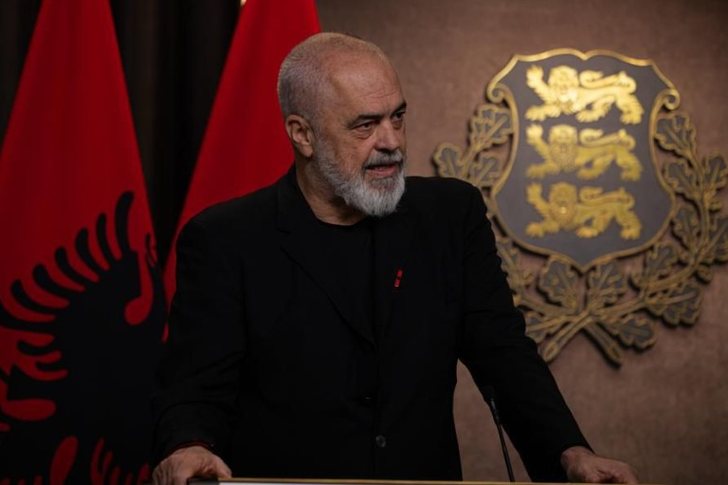
Edhe njëherë si dhe herë të tjera, Edi Rama zgjodhi të për...
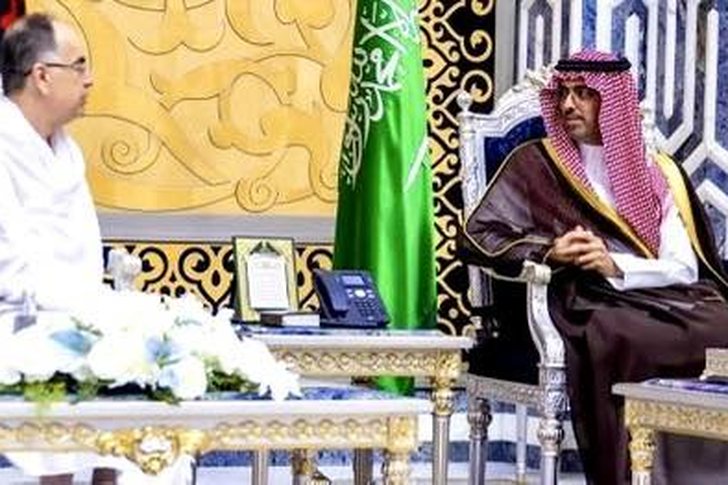
The public appearance of the President of the Republic of Al...

The Democratic Party has announced the holding of the tent...
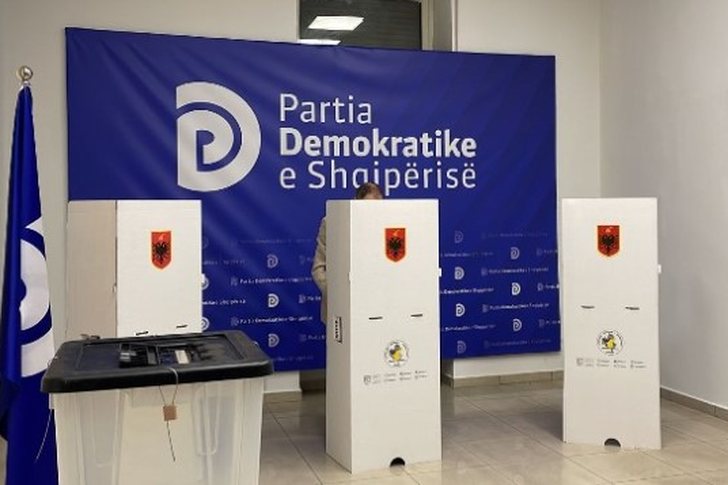
Mirror, mirror, who is the greatest democrat in this kingd...

Under the fever of the thickness of troubles, Edi Rama sto...
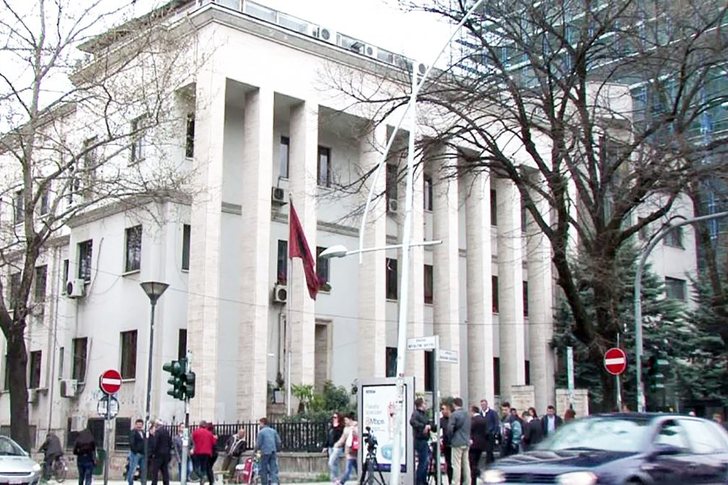
The Constitutional Court's decision essentially leaves the...
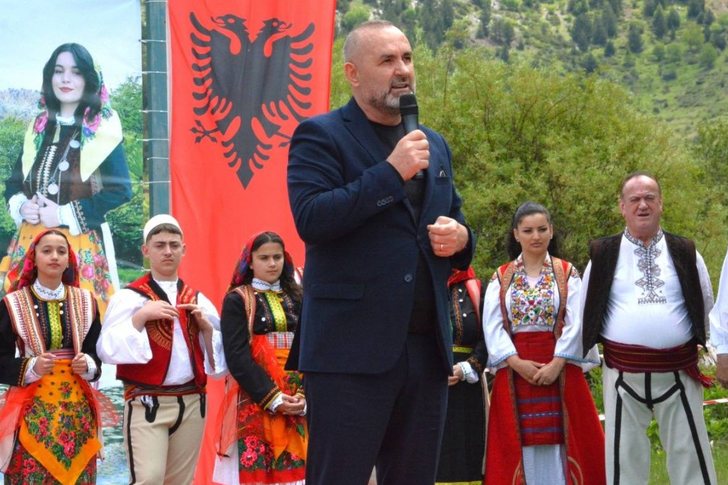
There are days in politics when the noise of television de...
The next victim was recorded, unfortunately it is a child ...
The adoption of the Interim Milestone Report (IBAR) in the...
Theaters used to have "clerks," or paid applause. People ...
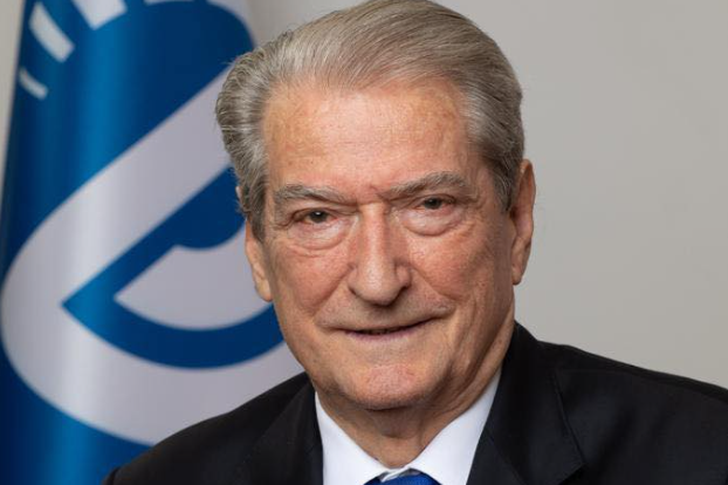
Embarrassed for his pro-Russian initiatives, Rama, in self...
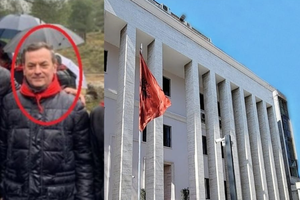
CNA has put under scanner the assets of Sokol Sadushi, the...
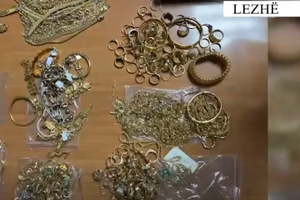
A 39-year-old citizen has been arrested in Lezha, after se...

CNA has launched another investigation that could lead to ...

Irfan Hysenbelliu is a businessman that we call "Irfan the...

The Special Board of Appeal (KPA) decided this Monday ...

The KPA vetting decided this Thursday to dismiss the p...

Suela Salavaçi, a prosecutor in the Prosecutor's Offic...

The Special Board of Appeal reinstated the prosecutor ...

Police have revealed details of the incident that occurred...
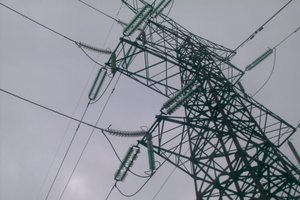
According to preliminary information, a person in his 60s ...

A triple accident occurred on the Peqin-Elbasan axis n...
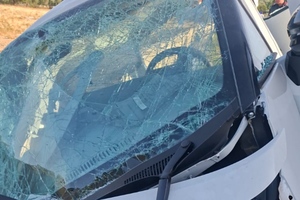
The police have provided details regarding the accident th...

The public sector took the lead in absorbing the workforce...
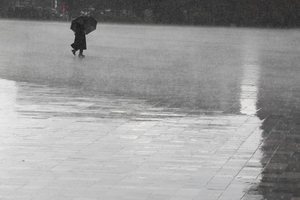
Today, our country will be under the influence of unstable...
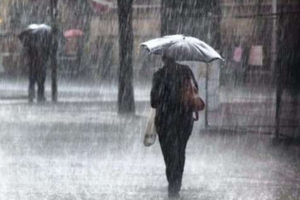
The Institute of Geosciences has today shared a forecast r...

Company leaders can improve productivity by investing in a...
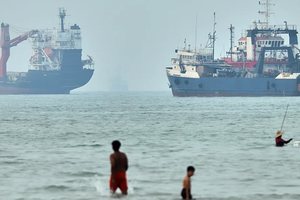
Oil prices fell in early trading on Monday, falling furthe...
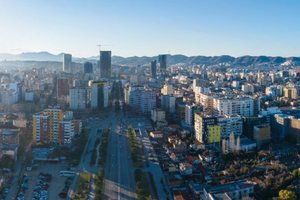
Although Albania does not have a developed industry on the...
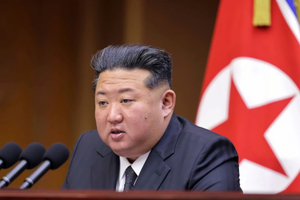
North Korea is said to have achieved some impressive resul...

US Ambassador to the United Nations, Mike Waltz, said toda...
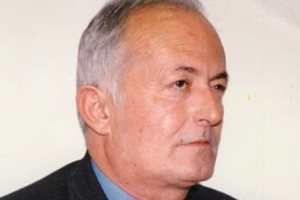
Two windows, a century of history and the metaphysics of p...
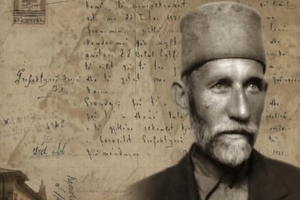
In my research at the Central State Archives, specifically...

At a time when industrial products are increasingly taking...

Trust among people is not just a three-syllable word. It c...

After strong savings growth in the years following the pan...

This Monday, one US dollar is bought for 81.5 lek and sold...

This Sunday, one US dollar is bought for 81.5 lek and sold...

This Saturday, one US dollar is bought for 81.7 lek and so...