


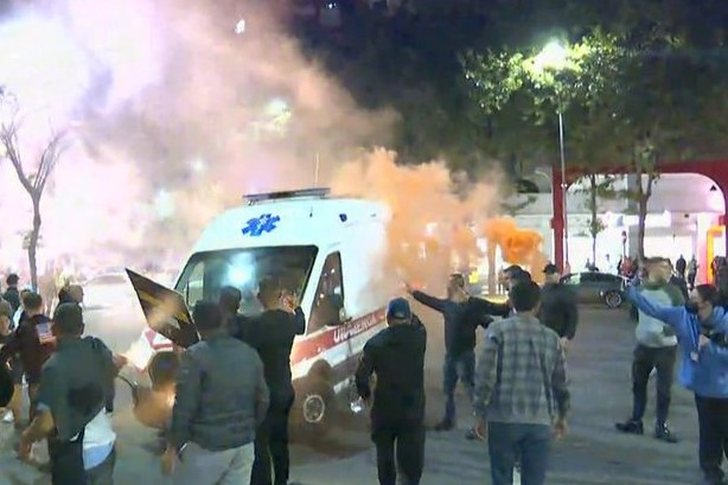
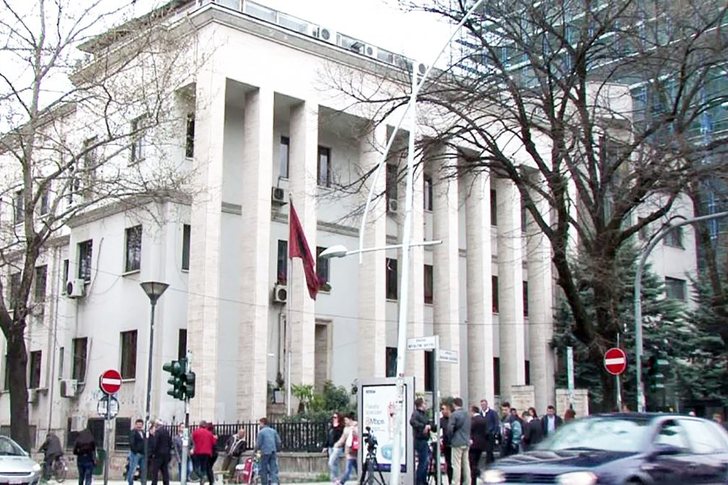
Tensions outside the Parliament/ Police begin escorts
The police have begun the first escorts of protesters who ...

The police have begun the first escorts of protesters who ...

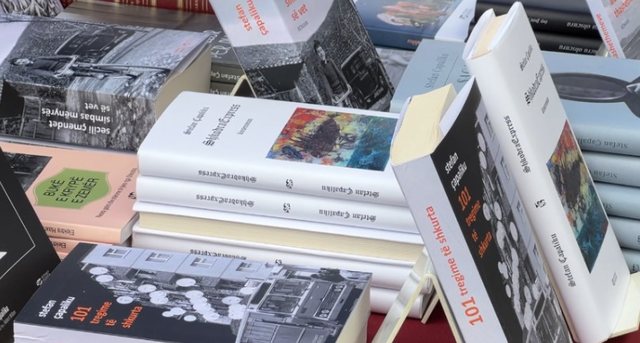
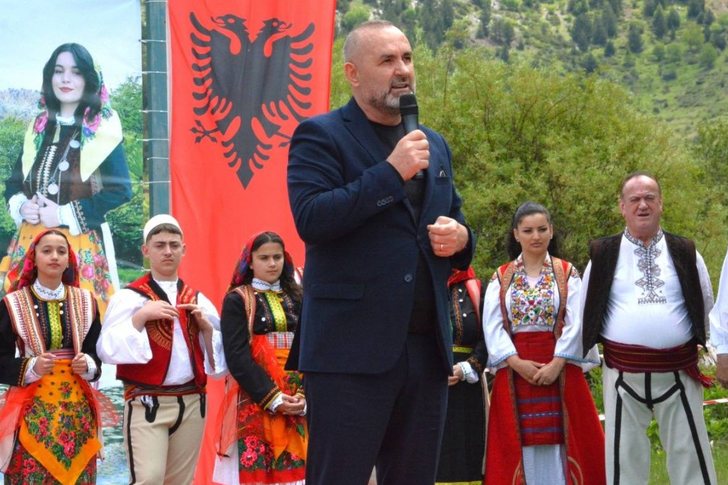
I would have liked to deliver this written statement in the form of an essay, on one of these days of the fair organized in Shkodra under the very significant motto "Books set you free".
However, since I was unable to be at that beautiful event, and also because I was a philology student at the University of Shkodra, I am publishing my essay as a sign of respect for the city to which I always feel humbly obliged to be grateful and respectful for all that it taught me and for all that it generously gave me.
But also to honor my precious friend Professor Matteo Mandalà, whose contributions are of particular importance, especially when it comes to the history of Albanian literature.
The book fair “Libri të ban të liri” in Shkodra represents more than a cultural activity; it is a symbolic return to one of the fundamental pillars of Shkodra’s civic identity: the book. In a city where the tradition of knowledge, writing and critical thinking has left deep traces, this event becomes a space for dialogue between the past and the future.
With a spirit that combines the academic and the human dimension, the fair proves that the book remains the most powerful tool to cultivate freedom of thought and civic consciousness. In essence, it is a celebration of culture, where the written word is not simply exposed to be read, but to be lived. Shkodra, through this fair, reaffirms once again its role as a living hearth of Albanian knowledge and culture.
THE TRIAD OF MODERNITY AND THE EUROPEAN RE-READING OF ALBANIAN LITERATURE ACCORDING TO PROFESSOR MATTEO MANDALÀ
Contemporary studies on Albanian literature have gradually moved from descriptive historical-literary models towards more analytical, comparative and philological approaches.
In this methodological transformation, the contribution of Professor Matteo Mandalà is important, as he proposes a rereading of Albanian and Arbëresh literature in direct relation to European aesthetic systems.
From the perspective of this approach, the modernity of Albanian literature is not presented as a purely linear development, but as an aesthetic configuration that can be read through Professor Mandalà's three referential figures: Jeronim De Radës, Zef Skiroi, and Ismail Kadare.
These three figures can be understood as representing three interpretive moments of Albanian literary modernity: romantic appropriation, symbolic formalization, and narrative universalization.
In the analysis of Albanian literary modernity, Itamar Even-Zohari's Polysystem Theory provides an important interpretative tool. According to this theory, national literatures can be understood as dynamic systems where the center and the periphery are in a continuous relationship of interaction.
Në këtë kuadër, letërsia shqipe është lexuar shpesh si një sistem periferik në raport me modernitetin europian, megjithëse kjo periferi mund të kuptohet jo si mungesë zhvillimi, por si hapësirë e produktivitetit estetik dhe të përpunimit të modeleve të huazuara.
Në të njëjtën linjë, Pascale Casanova argumenton se letërsitë periferike fitojnë legjitimitet ndërkombëtar jo thjesht përmes imitimit, por përmes aftësisë së tyre për të riformësuar estetikisht modelet ekzistuese.
Këtu qasja filologjike e Profesor Mandalà-s ka meritën që e rikthen tekstin letrar në qendër të analizës, duke e zgjeruar atë drejt një hapësire krahasuese europiane. Në vend të një historie letrare të mbyllur, ai propozon një metodë që përfshin analizën e varianteve tekstuale, krahasimin ndërkulturor të motiveve dhe rileximin kritik të kanonit letrar shqiptar.
Në veprën e tij, teksti letrar nuk trajtohet si një dokument identitar i mbyllur, por si një strukturë estetike e hapur ndaj ndërveprimit kulturor dhe historik.
- DE RADA dhe romantizmi si përvetësim estetik
Në historiografinë tradicionale, De Rada është interpretuar kryesisht si poet kombëtar dhe si mbledhës e studiues i traditës arbëreshe. Megjithatë, një lexim filologjik dhe krahasues lejon të shihet edhe një dimension më kompleks estetik në veprën e tij.
Në Këngët e Milosaos, koha narrative nuk ndjek gjithmonë një linearitet klasik, por shfaq një organizim më të fragmentuar dhe lirik. Kjo strukturë e afron veprën me romantizmin europian, duke krijuar pika takimi me poetikën e Lamartinit dhe Bajronit, pa e reduktuar atë në një model të thjeshtë imitimi.
Në këtë kuptim, tradita folklorike nuk funksionon thjesht si material burimor, por si element i transformuar në një formë estetike moderne.
Në një nivel më të thellë interpretimi, vepra e De Radës mund të shihet edhe si një formë e hershme e ndërtimit të kujtesës kulturore arbëreshe përmes poezisë, ku identiteti nuk paraqitet si kategori e dhënë, por si proces i vazhdueshëm rikonstruktimi estetik dhe gjuhësor. Kjo e vendos atë në një hapësirë ndërmjet romantizmit europian dhe një proto-moderniteti kulturor me funksion identitar.
- ZEF SKIROI dhe formalizimi simbolik
Në veprën e Zef Skiroit vihet re një zhvendosje graduale drejt autonomisë së formës letrare. Ndryshe nga romantizmi i De Radës, ku theksi bie më shumë mbi subjektin dhe kujtesën historike, te Skiroi gjuha fillon të funksionojë gjithnjë e më shumë si sistem simbolik më i organizuar.
Struktura ritmike, densiteti metaforik dhe organizimi i imazheve poetike e afrojnë krijimtarinë e tij me prirjet simboliste europiane të fundit të shekullit XIX. Në këtë kuptim, Skiroi mund të shihet si një figurë tranzitore në zhvillimin e modernitetit letrar shqiptar, ku vëmendja zhvendoset gradualisht nga përmbajtja drejt formës.
Symbolism in Skiroi should not be understood as a direct appropriation of a European aesthetic school, but as the result of an internal process of abstraction of poetic language. He stands in a space between the Arbëresh lyrical tradition and European symbolist modernity, functioning as an aesthetic intermediary rather than as a representative of a consolidated stylistic system.
- ISMAIL KADARE and narrative universalization
In Kadare's work, Albanian literature reaches a stage where national history is transformed into a narrative structure with universal potential.
In the novel The Palace of Dreams, for example, the Ottoman universe serves not only as a historical backdrop, but as an allegorical mechanism of power, control, and the administration of fear.
In this way, the text can also be read as a reflection on modern forms of surveillance and bureaucracy, integrating the Albanian narrative into a broader discourse of world literature.
On a further reading, Kadare's prose can be understood as an aesthetic strategy of historical distancing, where local material is not eliminated, but transformed on a symbolic and anthropological level. This process allows the narrative to move from specific history to a generalizable structure, which maintains the tension between national context and aesthetic universality.
- THE TRIAD OF MODERNITY as an interpretive model
Evaluated and viewed according to this approach, the three analyzed figures do not constitute a closed canon, but an interpretive structure that helps articulate three moments of Albanian literary modernity:
1. Cultural appropriation – De Rada and the transformation of folkloric tradition into romantic form.
2. Aesthetic formalization – Skiroi and the gradual autonomization of symbolic poetic language.
3. Narrative universalization – Kadare and the transformation of history into a narrative structure with universal openness
Therefore, referring to Professor Mandalà, I think that Albanian literary modernity can be understood more as a process of aesthetic transformation than as a closed chronological order.
In the methodological line of Professor Mandalà's studies, Albanian literature can be read as an active space of aesthetic processing and reshaping, and not as a passive periphery of European modernity. The analysis of the three figures above shows that Albanian modernity is formed through continuous interaction with European models, which are not copied, but rewritten and transformed.
In this sense, this philological and comparative approach opens the possibility for a critical review of the history of Albanian literature, placing it in equal dialogue with European aesthetic traditions.

I have known both Behgjet and Valon for years. Very well, ...
There are people suffering from life-threatening illnesses...

Honored by the invitation to be present at the celebration...

Europe is facing a significant increase in hate speech, ra...
The debate that erupted after an article I published on th...
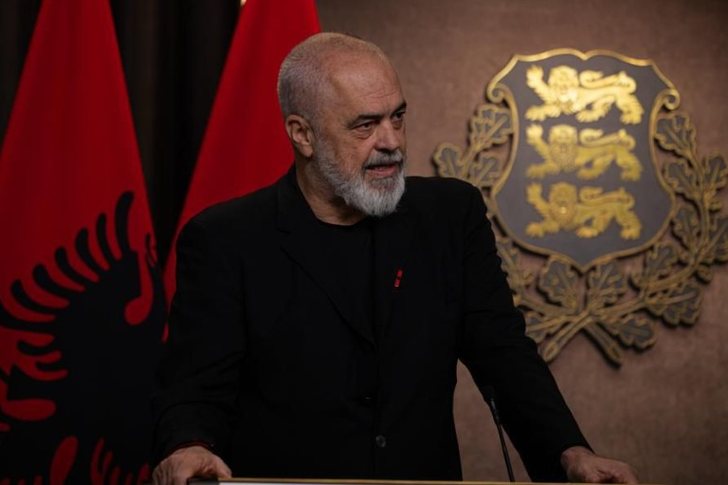
Edhe njëherë si dhe herë të tjera, Edi Rama zgjodhi të për...
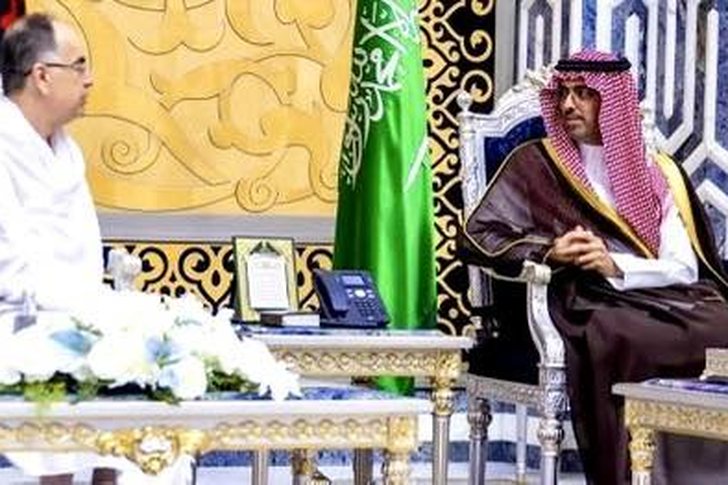
The public appearance of the President of the Republic of Al...
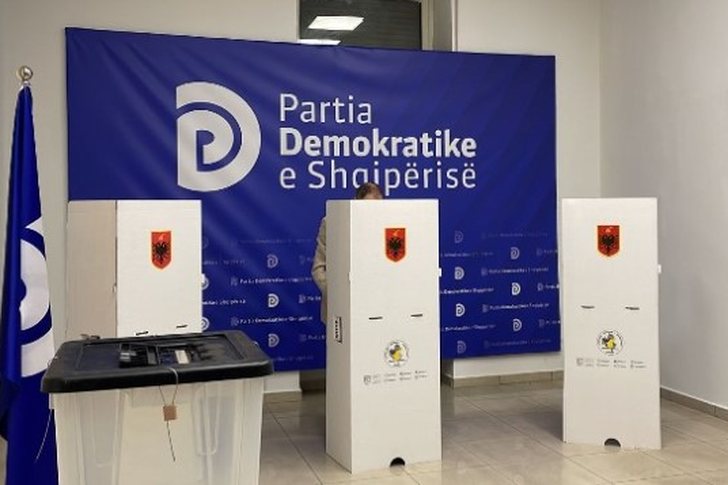
The Democratic Party has announced the holding of the tent...
Mirror, mirror, who is the greatest democrat in this kingd...

Under the fever of the thickness of troubles, Edi Rama sto...
The Constitutional Court's decision essentially leaves the...
There are days in politics when the noise of television de...
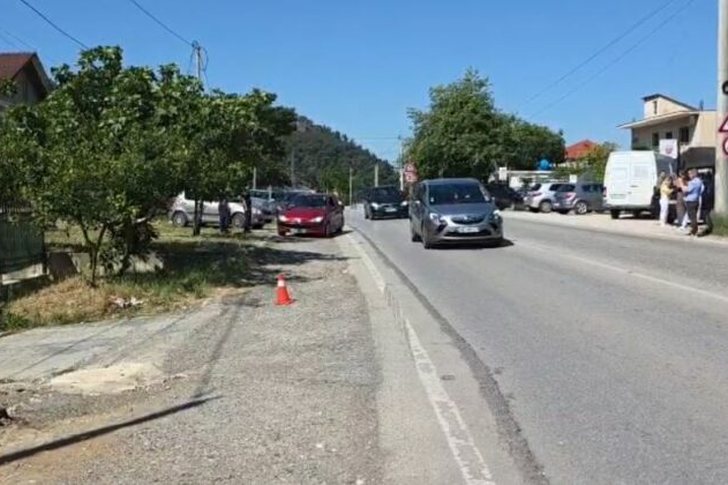
The next victim was recorded, unfortunately it is a child ...
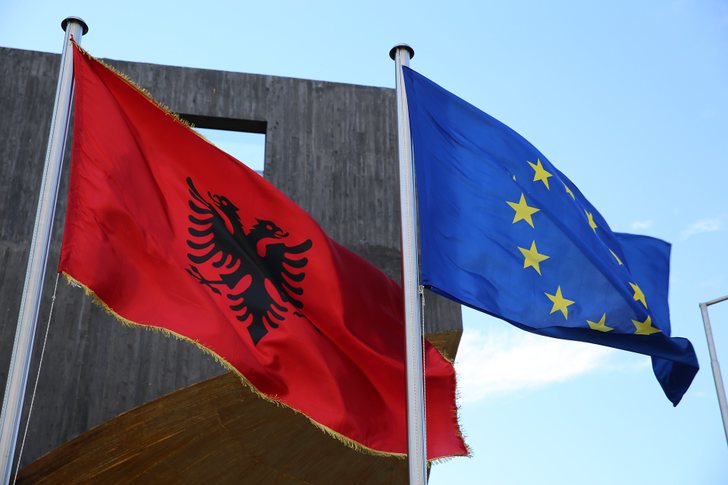
The adoption of the Interim Milestone Report (IBAR) in the...

Theaters used to have "clerks," or paid applause. People ...

Embarrassed for his pro-Russian initiatives, Rama, in self...
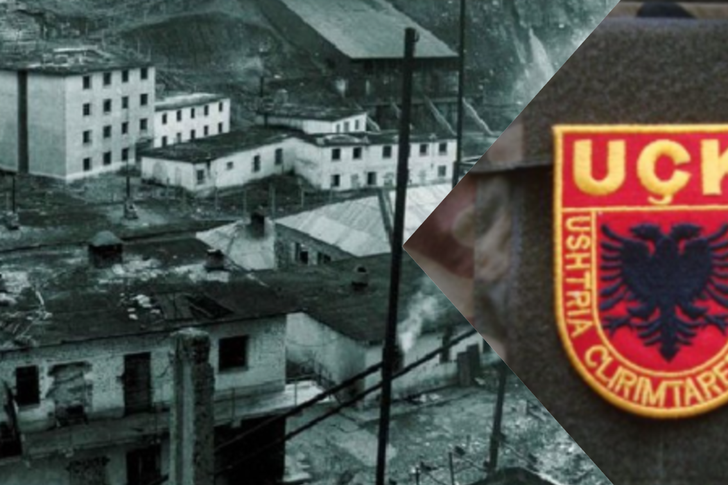
It has been 53 years since the famous anti-communist revol...

The international system is going through a profound phase...
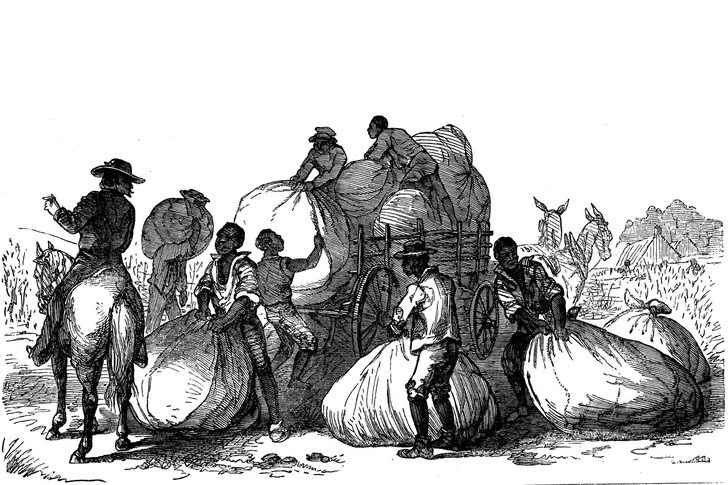
The most dangerous slavery is not the one with chains that...
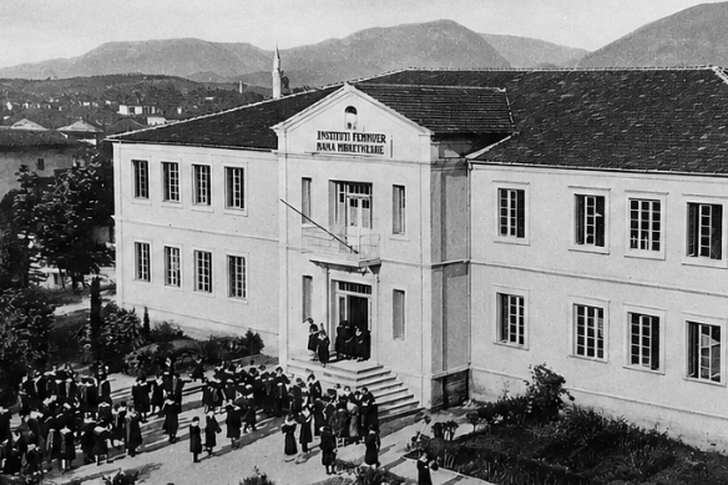
In the history of the Albanian resistance against the Italia...
CNA has put under scanner the assets of Sokol Sadushi, the...
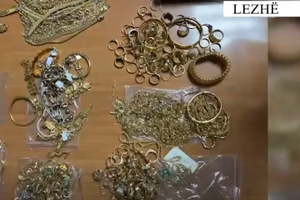
A 39-year-old citizen has been arrested in Lezha, after se...

CNA has launched another investigation that could lead to ...

Irfan Hysenbelliu is a businessman that we call "Irfan the...

The Special Board of Appeal (KPA) decided this Monday ...

The KPA vetting decided this Thursday to dismiss the p...

Suela Salavaçi, a prosecutor in the Prosecutor's Offic...

The Special Board of Appeal reinstated the prosecutor ...
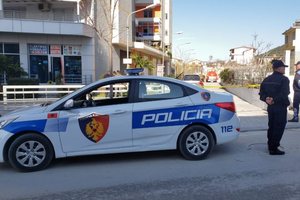
Police have revealed details of the incident that occurred...
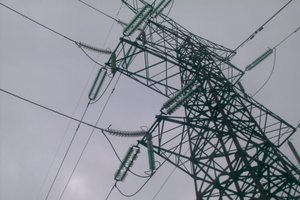
According to preliminary information, a person in his 60s ...

A triple accident occurred on the Peqin-Elbasan axis n...
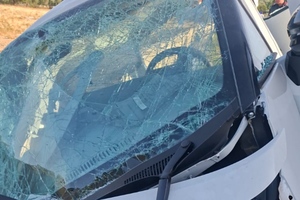
The police have provided details regarding the accident th...
The public sector took the lead in absorbing the workforce...
Today, our country will be under the influence of unstable...
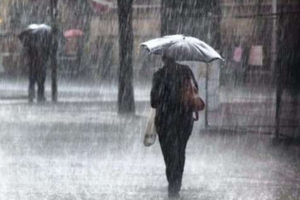
The Institute of Geosciences has today shared a forecast r...
Company leaders can improve productivity by investing in a...
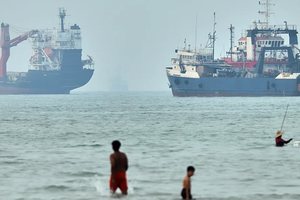
Oil prices fell in early trading on Monday, falling furthe...
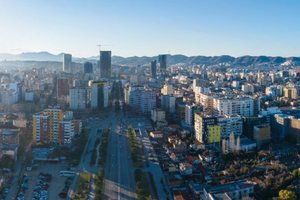
Although Albania does not have a developed industry on the...

North Korea is said to have achieved some impressive resul...
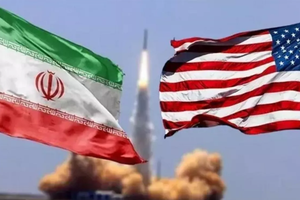
US Ambassador to the United Nations, Mike Waltz, said toda...
Two windows, a century of history and the metaphysics of p...
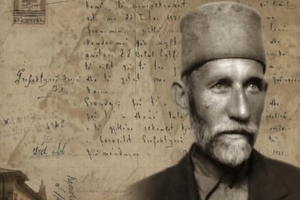
In my research at the Central State Archives, specifically...

At a time when industrial products are increasingly taking...

Trust among people is not just a three-syllable word. It c...

After strong savings growth in the years following the pan...

This Monday, one US dollar is bought for 81.5 lek and sold...
This Sunday, one US dollar is bought for 81.5 lek and sold...
This Saturday, one US dollar is bought for 81.7 lek and so...