


Tensions outside the Parliament/ Police begin escorts
The police have begun the first escorts of protesters who ...

The police have begun the first escorts of protesters who ...

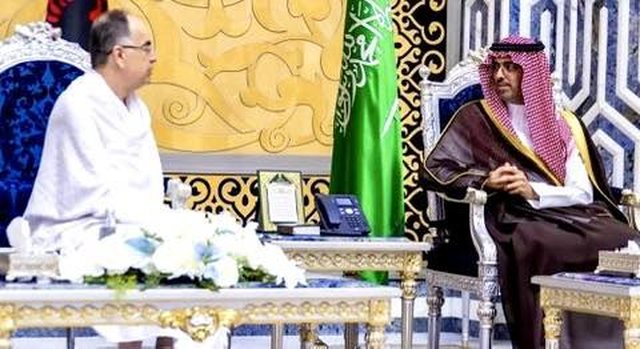
The public appearance of the President of the Republic of Albania in the Hajj, within a structured religious ritual with a full religious charge, constitutes a constitutional provocation in the deepest sense of the word, as it appears as an open violation of the principle of secularism and the way of symbolic representation of the state by the Head of State.
In a constitutional republic, the President is not a private individual who stands parallel to his institutional function.
He is a figure who embodies the unity of the people and the unitarity of the state beyond political, social and religious differences.
Precisely for this reason, he does not represent only himself, but a common space where no citizen should feel excluded because of his beliefs.
The secularism of the state, sanctioned in the Constitution, is not a neutral declarative formula, but a structural principle that organizes the relationship between public power and religion. It requires not only non-interference of religion in the state, but also non-identification of the state with any religious form in the space of its representation. In this sense, Article 10 of the Constitution and its Article 86, which defines the President as the representative of the unity of the people, function as part of a single normative whole: guaranteeing the symbolic neutrality of the state.
The Hajj is not a culturally neutral event, but a structured religious ritual of Islam, one of its five pillars, where through standardized rites in Mecca, the devotion and equality of believers before God is expressed.
It is an act of high religious density, where form and meaning cannot be separated without emptying its very content.
The constitutional question arises precisely at this point: what happens when the figure of the Head of State representing the secular state not only appears, but also becomes the bearer of faith within such a symbolic religious space?
In modern constitutional law, especially in traditions that attach importance to state neutrality, it is not only the subjective purpose of the act that matters, but also its objective effect in the public space.
The president is not simply a biological individual, but an exposed institutional body, where every gesture, presence and appearance produces state meaning.
Here also arises constitutional provocation, which is not a closed legal category, but an analytical way to describe the moment when the Constitution is not respected.
Because the Constitution is not only a normative text; it is also a symbolic order. And this order requires that public power not produce religious identification in any visible form of representation. When this boundary becomes unclear, even without an express legal act of prohibition, then we do not simply have a debate of interpretation, but a slow shift in the meaning of neutrality itself.
In this sense, the problem is not the President's faith, nor his right to participate in a religious ritual as a citizen.
The problem is when this faith appears through the Head of State and begins to be read as a sign of the state. Because at that moment, the state becomes controversial in its symbolism. From this moment, the issue does not remain isolated.
If today this form of symbolic religious manifestation is normalized in the figure of the President of the Republic, then we are not dealing with a case, but we are creating a precedent. And in the logic of the constitutional state, precedent is not simply a repetition, but a transformation of the standard of the norm.
If this limit is relativized for a certain form of faith, then the path is opened for us to have similar symbolic manifestations in the future in relation to other forms of faith. Thus, a President may be perceived as lacking in representation if he does not appear symbolically close to a certain religious tradition, or he may find himself under pressure to produce balances of religious visibility for the sake of a neutrality misunderstood as symbolic symmetry.
In such a development, state neutrality loses its content. It ceases to be an exception to religious identification and begins to become its administration. The state no longer stands outside religious symbolism, but begins to manage it through its highest figure, the President of the Republic. And this is the most silent, but also the deepest and most damaging shift: from a secular state to a symbolically religious state.
In the end, the question is not whether the President can be a believer or participate in the Hajj. The question is what happens to the meaning of the institution of the President when the boundary between state representation and religious symbolism is violated in the public space.
Because a constitutional republic is not only endangered by the violation of its norms, but also by changing the way they are understood and implemented.
Under these conditions and after such a constitutional, state, ethical, civic and political provocation, what remains for the Assembly of the Republic of Albania to do is to immediately initiate the process of dismissing Haxhi Bajram Begaj from the office of President of the Republic.
Because the Assembly of the Republic of Albania has a constitutional obligation to protect the Constitution of the Republic of Albania, to protect secularism and the honor of the state.

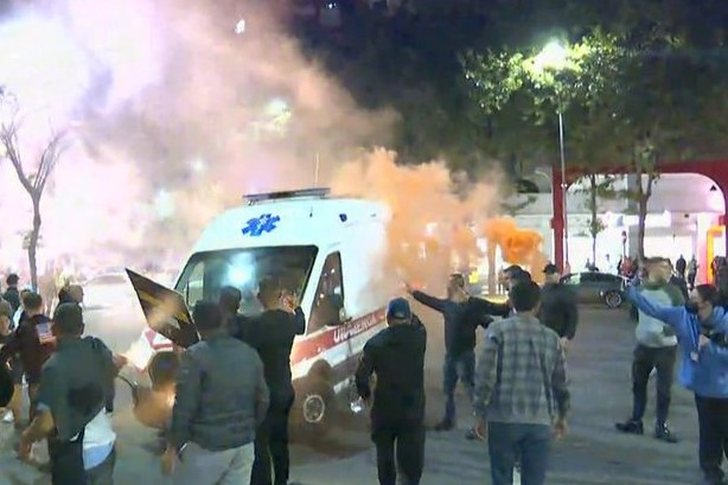
The Democratic Party has announced the holding of the tent...
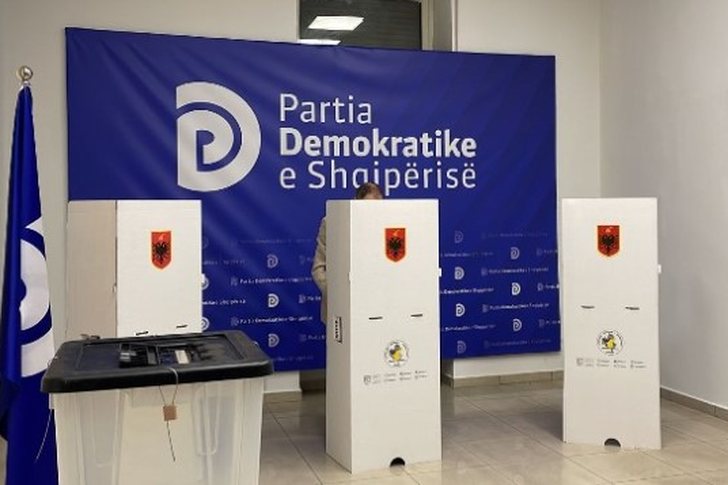
Mirror, mirror, who is the greatest democrat in this kingd...

Under the fever of the thickness of troubles, Edi Rama sto...
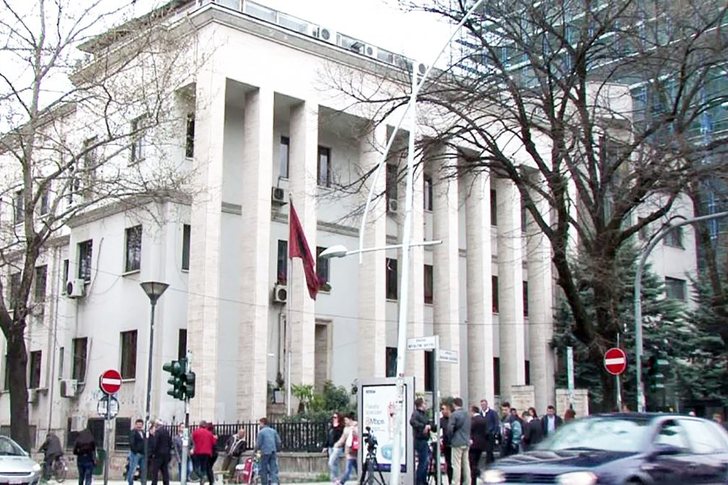
The Constitutional Court's decision essentially leaves the...
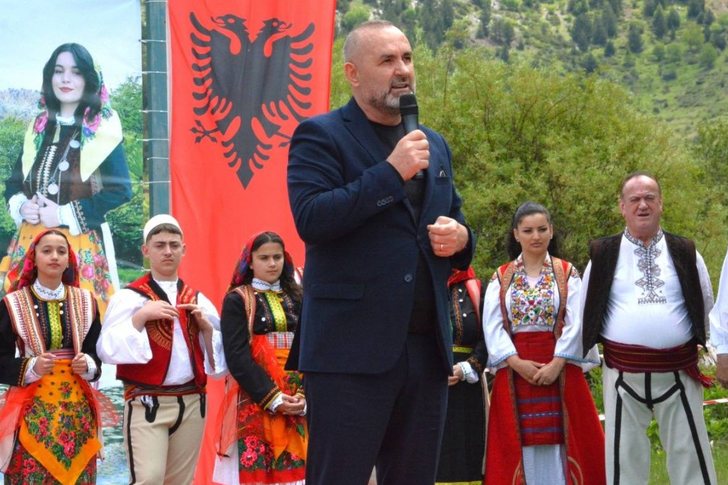
There are days in politics when the noise of television de...
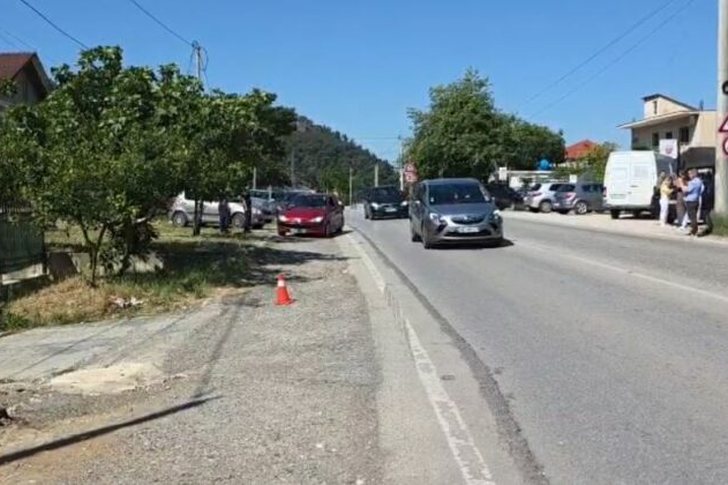
The next victim was recorded, unfortunately it is a child ...
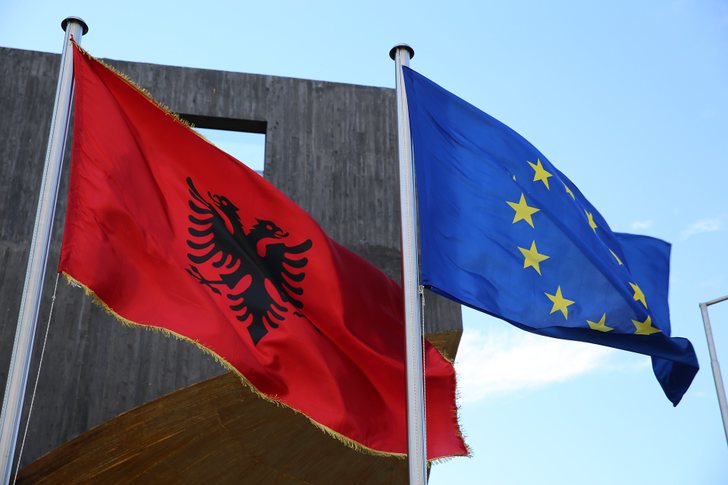
The adoption of the Interim Milestone Report (IBAR) in the...
Theaters used to have "clerks," or paid applause. People ...
Embarrassed for his pro-Russian initiatives, Rama, in self...
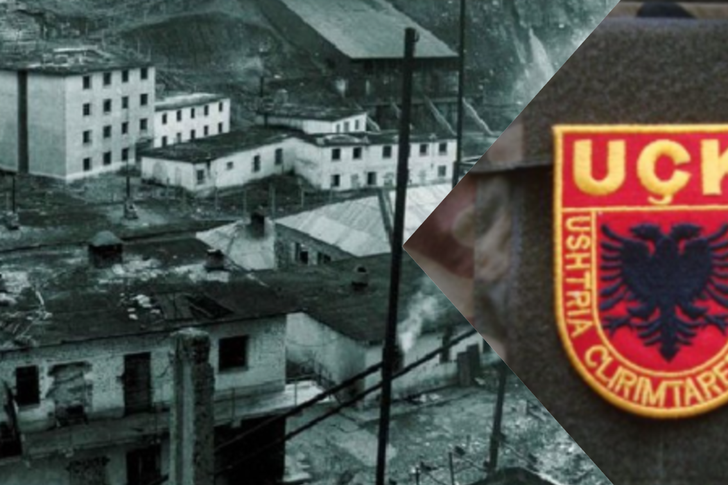
It has been 53 years since the famous anti-communist revol...
The international system is going through a profound phase...
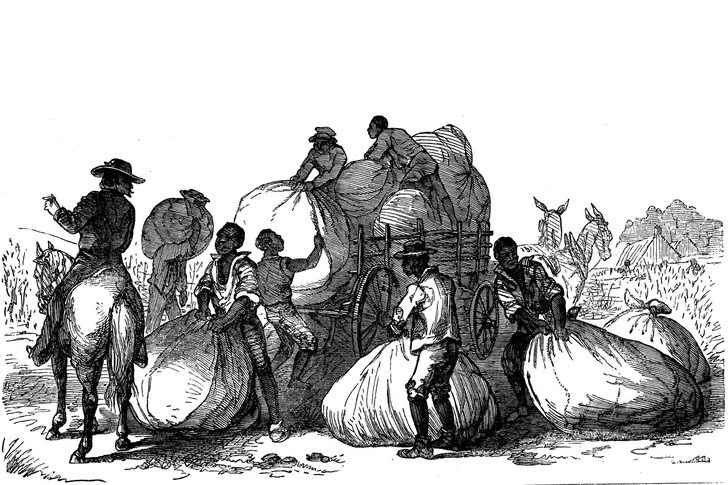
The most dangerous slavery is not the one with chains that...
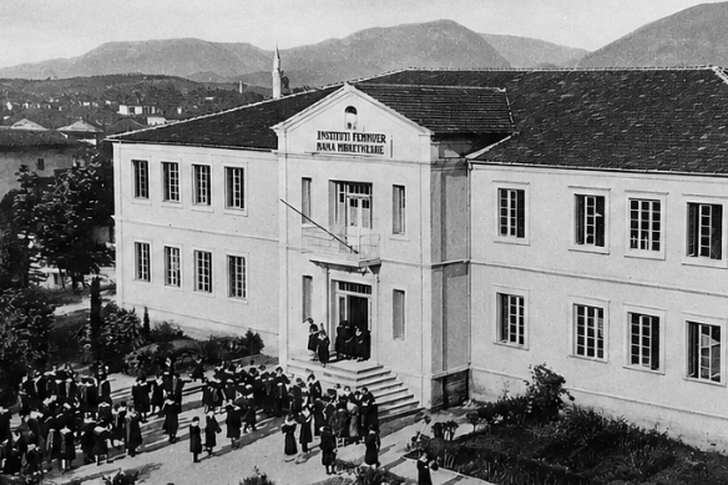
In the history of the Albanian resistance against the Italia...
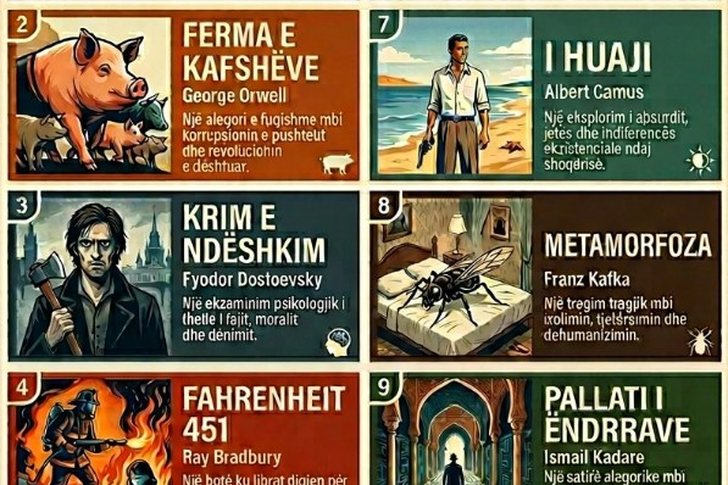
Depersonalization and dehumanization are two of the most s...
Albania is today facing a monumental geopolitical crossroa...
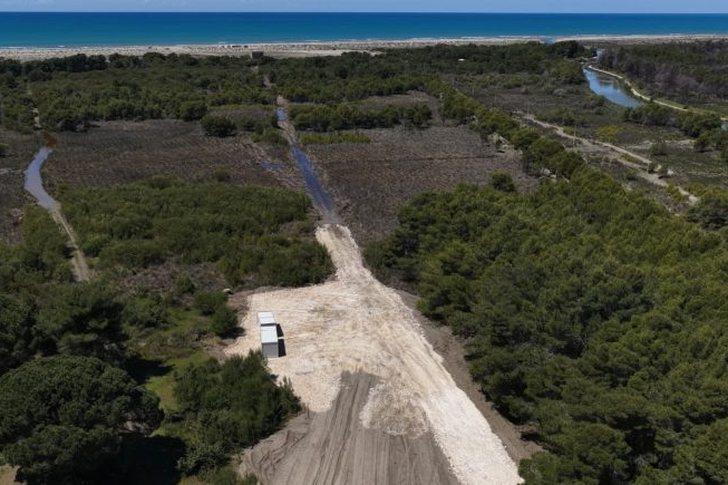
Work is underway in the Poshë Poro-Nartë protected natural...
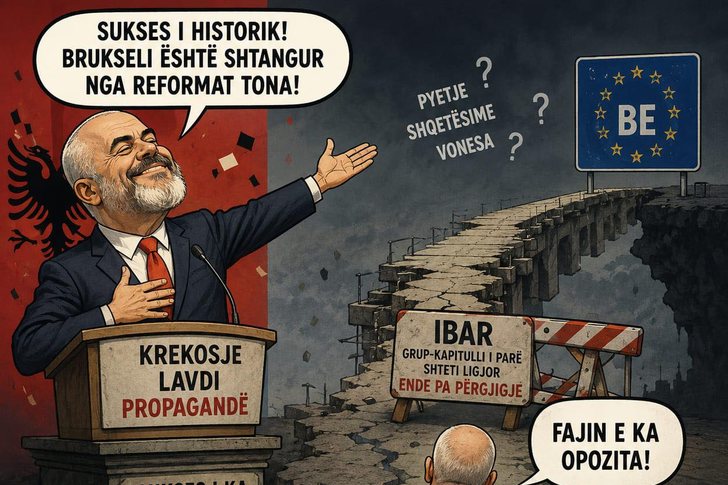
According to government propaganda, Brussels is stunned by...
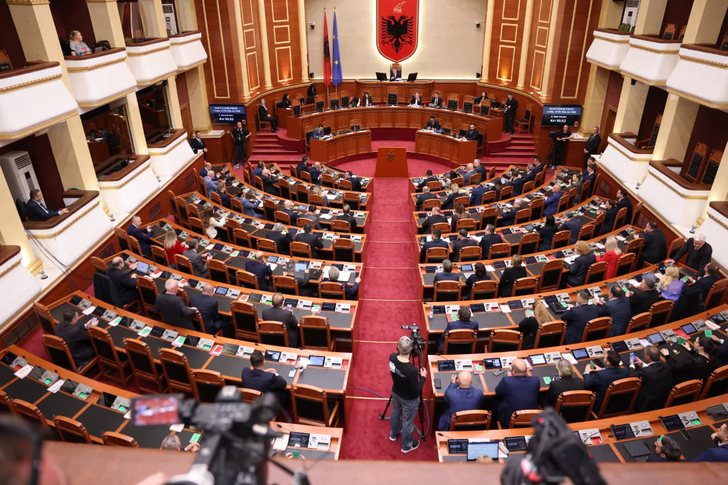
The Albanian Parliament has a very low intellectual level ...
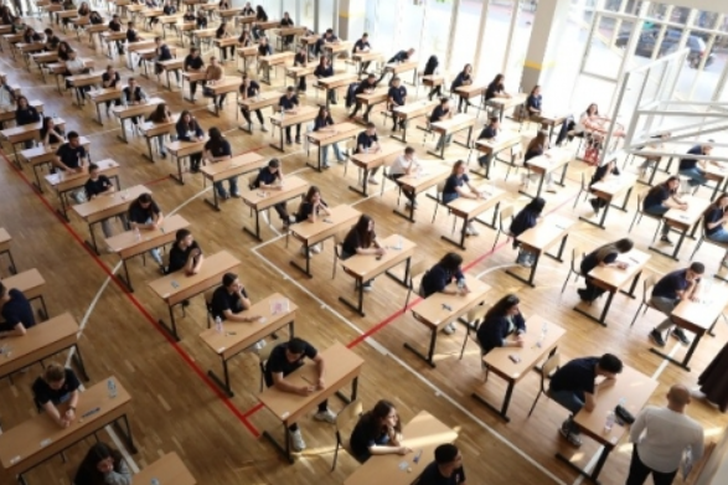
A high school senior asked me today why, for so many years...
Kjo pyetje shtrohet teksa jetojmë në një periudhë tranzici...
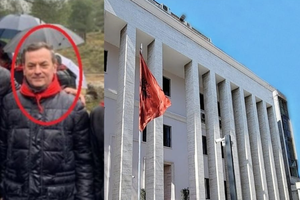
CNA has put under scanner the assets of Sokol Sadushi, the...
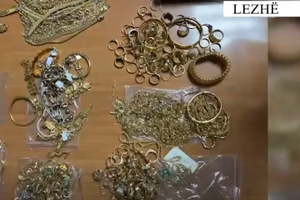
A 39-year-old citizen has been arrested in Lezha, after se...

CNA has launched another investigation that could lead to ...

Irfan Hysenbelliu is a businessman that we call "Irfan the...

The Special Board of Appeal (KPA) decided this Monday ...

The KPA vetting decided this Thursday to dismiss the p...

Suela Salavaçi, a prosecutor in the Prosecutor's Offic...

The Special Board of Appeal reinstated the prosecutor ...
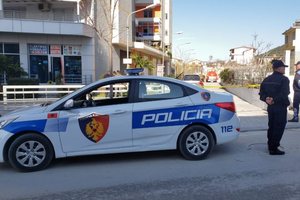
Police have revealed details of the incident that occurred...
According to preliminary information, a person in his 60s ...
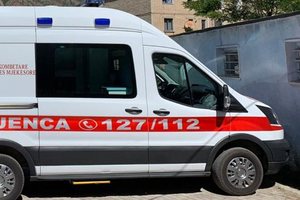
A triple accident occurred on the Peqin-Elbasan axis n...
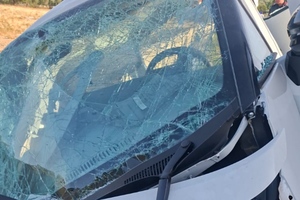
The police have provided details regarding the accident th...

The public sector took the lead in absorbing the workforce...
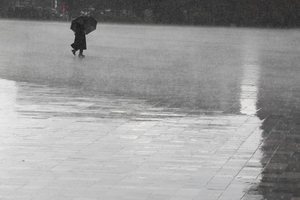
Today, our country will be under the influence of unstable...
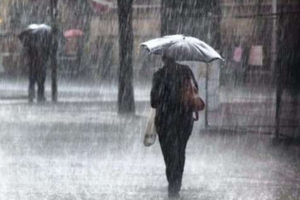
The Institute of Geosciences has today shared a forecast r...
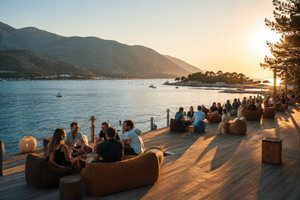
Company leaders can improve productivity by investing in a...
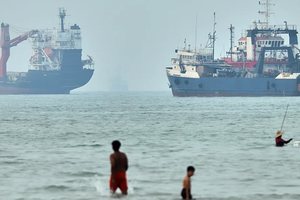
Oil prices fell in early trading on Monday, falling furthe...
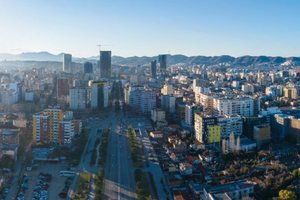
Although Albania does not have a developed industry on the...
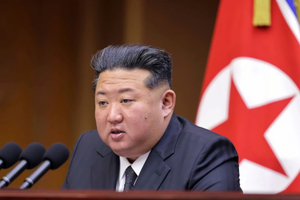
North Korea is said to have achieved some impressive resul...
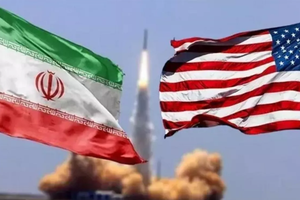
US Ambassador to the United Nations, Mike Waltz, said toda...
Two windows, a century of history and the metaphysics of p...
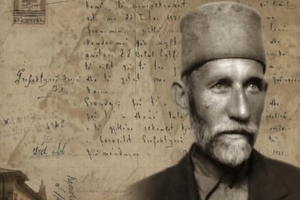
In my research at the Central State Archives, specifically...

At a time when industrial products are increasingly taking...

Trust among people is not just a three-syllable word. It c...

After strong savings growth in the years following the pan...

This Monday, one US dollar is bought for 81.5 lek and sold...
This Sunday, one US dollar is bought for 81.5 lek and sold...
This Saturday, one US dollar is bought for 81.7 lek and so...