


Zvezda residents protest over water shortage: Millions were invested, but the taps are empty
Residents of the village of Zvezda, in the Maliq Municipal...

Residents of the village of Zvezda, in the Maliq Municipal...

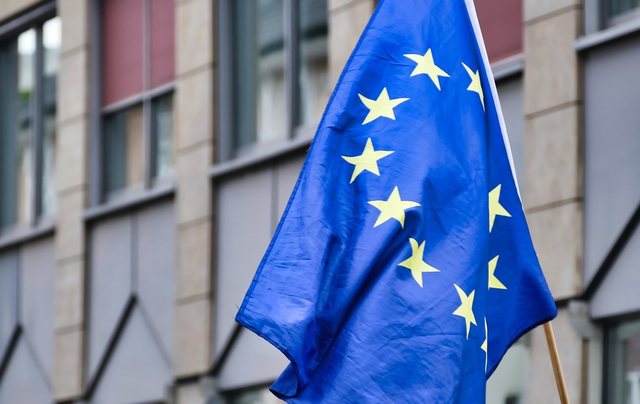
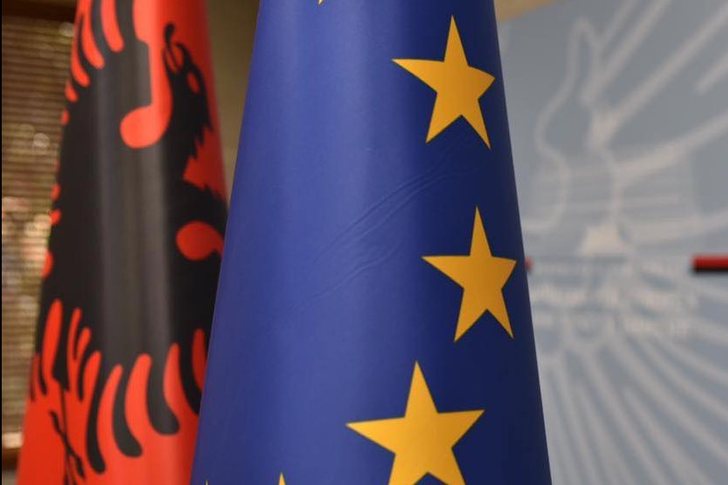
Albania is today facing a monumental geopolitical crossroads, engaged in a de facto race with Montenegro for membership in the European Union. Podgorica has been leading this process on paper for years, but history proves that success does not necessarily belong to the one who sets out first, but to the actor who reads the strategic moment correctly and quickly.
Official Tirana has entered the most decisive phase of integration. For the first time after three decades of complex transition, the main European capitals are discussing a real and time-bound enlargement. This paradigm shift was clearly reflected during the visit of the French President to Tirana.
While attending the international economic forum, held in front of global investors and the Saudi FII fund, Macron articulated a message that would leave any observer speechless. I heard that statement with my own ears and, in fact, I was a little confused by that scene; it was the first time that a leader of the caliber of France did not speak in the vague diplomatic language, but declared directly that investments in Albania are safe, since the country could become part of the European Union by 2027.
This stance confirmed that Europe is seeing the region as a key element of its future strategic architecture, to avoid a dangerous institutional vacuum in the heart of the continent.
In light of these developments, the fundamental question is not related to a lack of potential. Albania's biggest problem today is the mediocre level of the Albanian political class; a class filled with bajraktars who accidentally turned into elites, with political hawks who change flags according to personal interest, with party scoundrels, selfish power-grabbers and arrogant brigands who move from one position to another without any moral or state responsibility.
A large part of Albanian politics lives in a brutal provincialism. They do not understand at all that Albania is today at a critical point for the future of Europe in the Balkans and that this magnitude of opportunity may not be repeated for the next 50 years. They continue to behave like people who administer an isolated municipality, not a state that is at the gates of the European Union.
Instead of building a national consensus for integration, they continue the primitive daily struggle for tenders, appointments, bargaining, television, propaganda and personal vendettas. While Croatia was building a state to enter Europe, Albanian elites have often only built unwavering party clienteles.
A great paradox of our transition remains what we can call the “republic of professors”, since almost every prime minister who has led the Albanian executive has initially come from university auditors as a professor. However, from then until today, this academic circumstance has not managed to profoundly change the culture of thought in the mind of the ordinary Albanian.
This deep structural crisis finds a prophetic reflection in Fishta's satire. In his dialogue, where Saint Michael and Saint Peter descend to see the fate of this land, selfishness and petty interests corrode the state from within:
"A ray of sunshine had come,
That Saint Peter and that Saint Michael,
and they were talking about their old troubles,
That Saint Michael and the one Saint Peter.
Because Albania shrank small,
for the Albanians, like a speck."
This life closed in provincialism, where power is treated as plunder, is echoed just as harshly by the sharp pen of Ibrahim Dalli, attacking the caste that harms the future of generations:
"These politicians we have today,
Who sell us all their money and all their lies,
For a seat and for an interest,
They left Albania without light, without hope.
I see them moving from one position to another,
With the same vice, with that old mind!"
This historical evidence shows that integration requires structural sacrifices, as happened with Slovenia in 2004 through an absolute supranational consensus, with Romania and Bulgaria through strict monitoring of justice, or with Croatia, which allowed the conviction of the highest state figures.
To follow these models, Albania needs a National Pact for Europe. This pact requires that the new justice structures be supported unequivocally and political immunity be dropped. However, this support requires institutional caution, as in the public perception these structures have often turned into a kind of party in open rivalry with the two traditional major parties, creating an excessive public burden.
In parallel, electoral reform with truly open lists, limitation of executive mandates, allowing natural coalitions, lowering the threshold for small parties to 3%, as well as strict European filters against any fiscal amnesty initiative are required.
Above all, this crossroads carries a profound human weight. A century ago, our religious scholars wrote of a blessed land across the ocean, a place where freedoms were so highly respected that during the communist system, when we were small children and the word “America” was mentioned, our parents would tell us ironically: “Eat, take and leave.” Meanwhile, the Europe of that time was viewed with suspicion, being called “Europe a pit” or “the whore of the weather.”
Today, what once seemed distant represents the continent's most humane project: a United Europe that stands as the home of freedoms and equal opportunities for every citizen; for the Jew, the Czech, the Romanian, the Pole, the Greek, the Serbian, the Albanian, the Roma, the Ashkali, the Muslim or the Catholic.
That is precisely why defending this project is an existential duty. When we remember the Declaration and the spirit of , we remember that peace came from the determination to create a space where every nation thrives “united in diversity.”
The next decade could be the decade of Albanians in the Balkans. For the first time in history, Albanians have the opportunity to be a factor of stability, development, and influence in the region not through war, but through economy, integration, and modern institutions.
But history does not wait indefinitely.
Nations lose when they do not understand the historical moment.
And Albania today is facing that very moment.

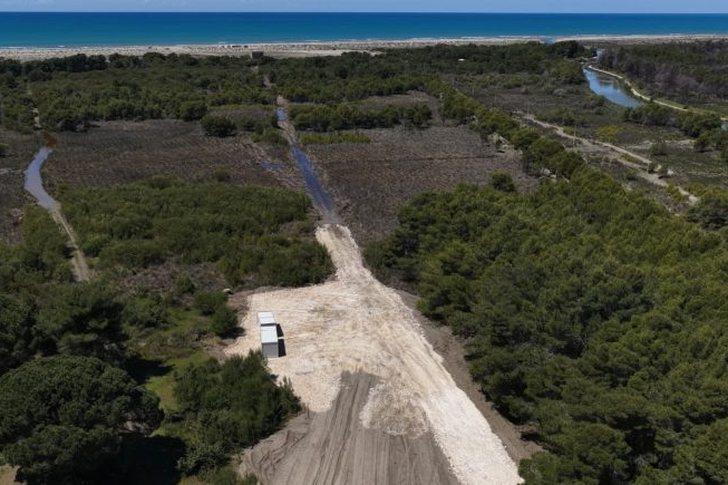
Work is underway in the Poshë Poro-Nartë protected natural...
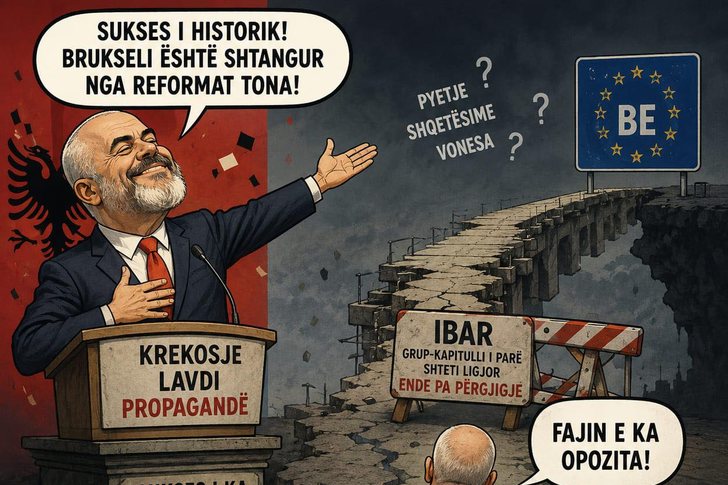
According to government propaganda, Brussels is stunned by...
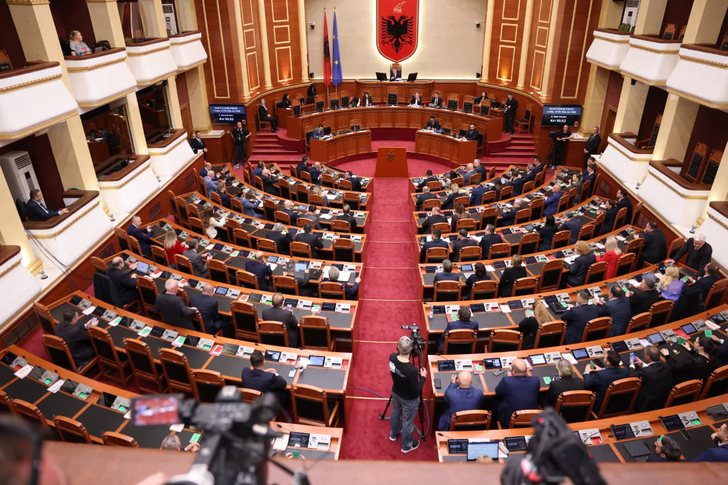
The Albanian Parliament has a very low intellectual level ...
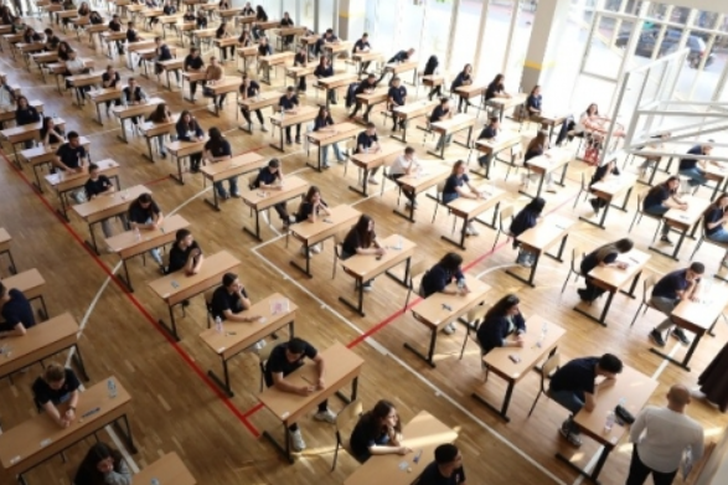
A high school senior asked me today why, for so many years...
Kjo pyetje shtrohet teksa jetojmë në një periudhë tranzici...

Yesterday, a young man, about 19-20 years old, had publish...
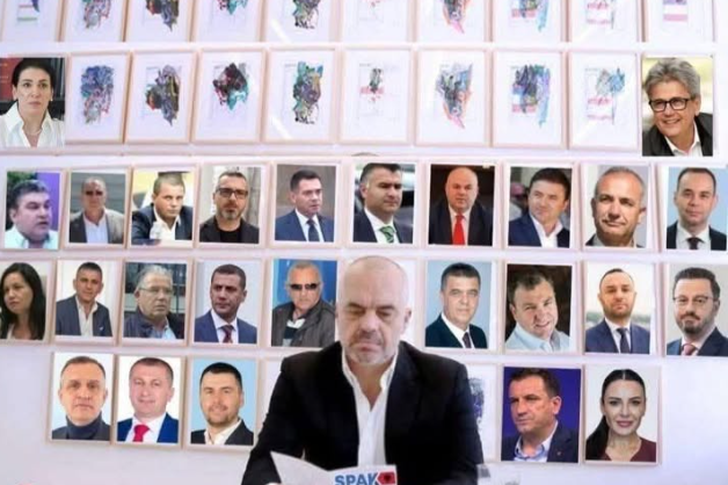
Dy herë përsëriti Edi Rama sot një gënjeshtër aq të pacipë, ...
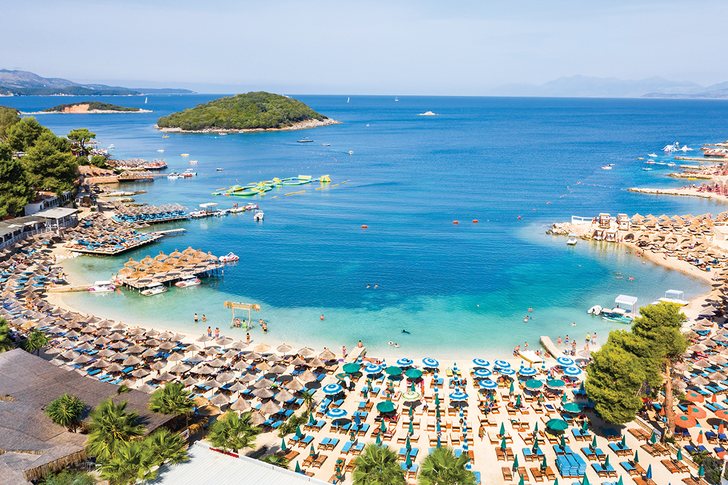
On Friday I headed towards the southern coast. As soon as ...
A people can embrace an ideology only when it gives them hop...

In the contemporary debate on literature, one of the most ...
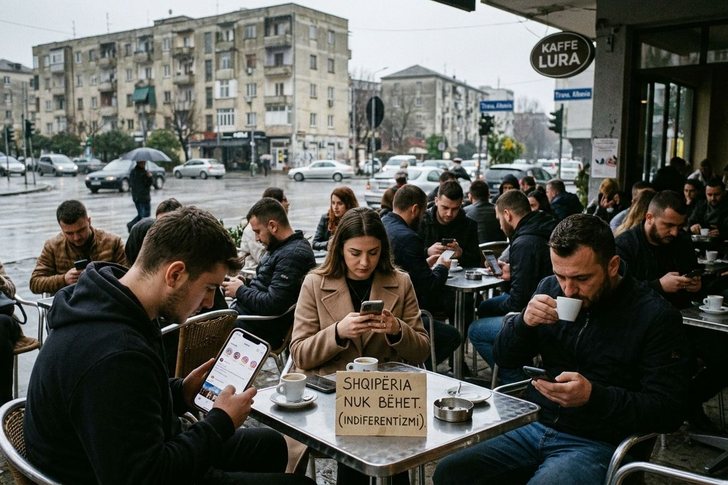
Albanians may not be able to build serious institutions. ...
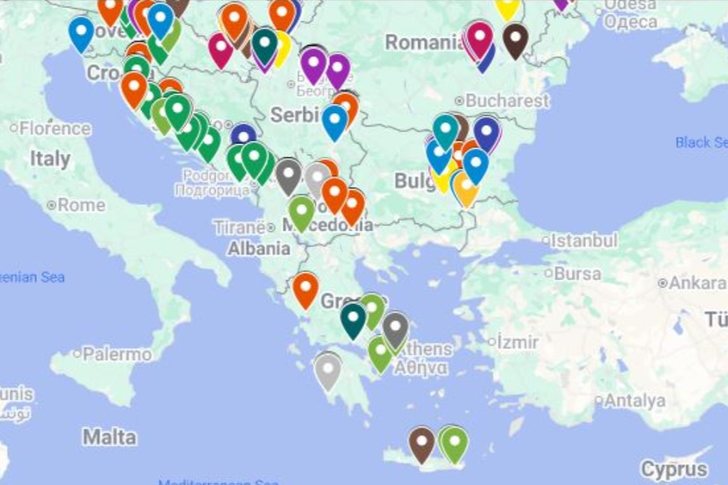
A new study launched in August 2025 and published in the w...
There is a special 24-hour sound in Tirana. It's the soun...
Hit the teachers! Yes, yes, don't stop. Don't stop... Denig...
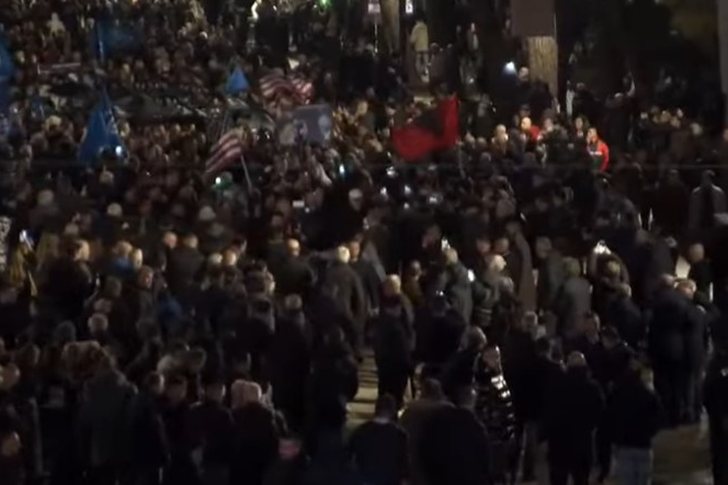
There comes a moment in every political story when metapho...

I chose not to speak out immediately after the event in Du...

The European Parliament approved the report on Albania, wi...

Sunday, May 3, 2026 will remain a sad day in the chronicle...

April 2026 brought news that seemed like a step towards de...

May 3 is World Press Freedom Day, the European Union's dec...
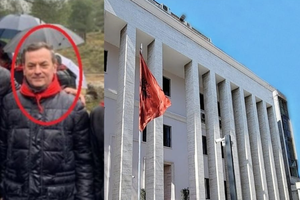
CNA has put under scanner the assets of Sokol Sadushi, the...
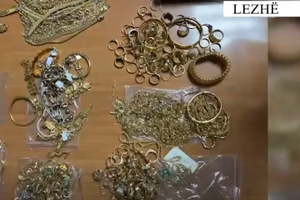
A 39-year-old citizen has been arrested in Lezha, after se...

CNA has launched another investigation that could lead to ...

Irfan Hysenbelliu is a businessman that we call "Irfan the...

The Special Board of Appeal (KPA) decided this Monday ...

The KPA vetting decided this Thursday to dismiss the p...

Suela Salavaçi, a prosecutor in the Prosecutor's Offic...

The Special Board of Appeal reinstated the prosecutor ...
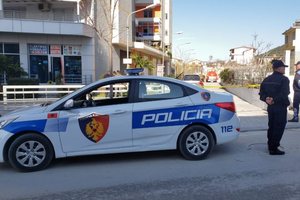
Police have revealed details of the incident that occurred...
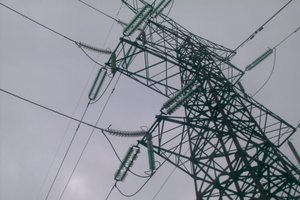
According to preliminary information, a person in his 60s ...
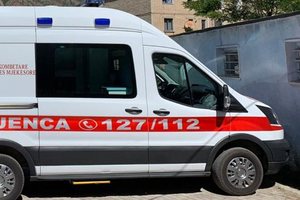
A triple accident occurred on the Peqin-Elbasan axis n...
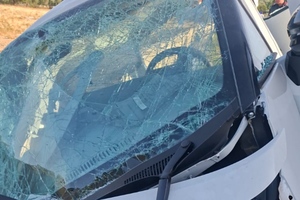
The police have provided details regarding the accident th...
The public sector took the lead in absorbing the workforce...
Today, our country will be under the influence of unstable...
The Institute of Geosciences has today shared a forecast r...
Company leaders can improve productivity by investing in a...
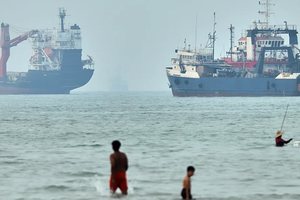
Oil prices fell in early trading on Monday, falling furthe...
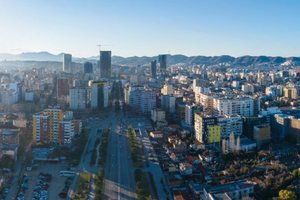
Although Albania does not have a developed industry on the...
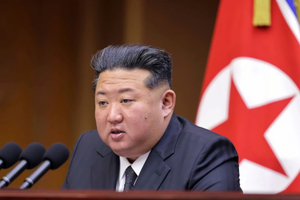
North Korea is said to have achieved some impressive resul...
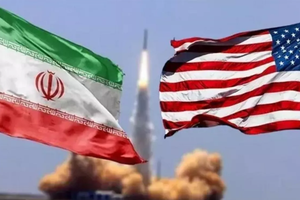
US Ambassador to the United Nations, Mike Waltz, said toda...
Two windows, a century of history and the metaphysics of p...
In my research at the Central State Archives, specifically...

At a time when industrial products are increasingly taking...

Trust among people is not just a three-syllable word. It c...
After strong savings growth in the years following the pan...
This Monday, one US dollar is bought for 81.5 lek and sold...
This Sunday, one US dollar is bought for 81.5 lek and sold...
This Saturday, one US dollar is bought for 81.7 lek and so...