


VIDEO/ The fire in the Bay of Harta is reactivated
CNA has provided footage showing that the fire in Harta Ba...

CNA has provided footage showing that the fire in Harta Ba...

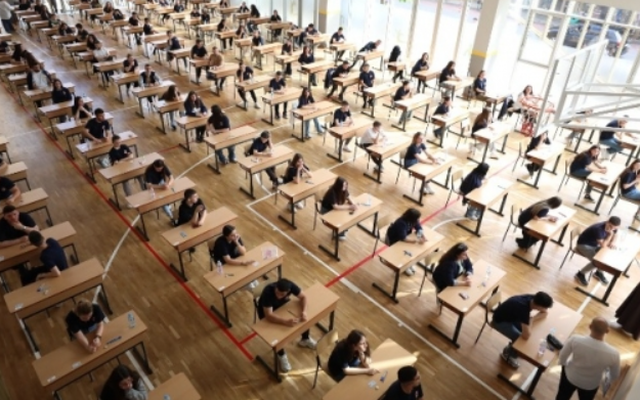
A high school senior asked me today why, for so many years, "The Palace of Dreams" has been studied in high school and has never failed the exam.
The question intrigued me and I explained to her and the class that “The Palace of Dreams” is not simply a novel about the Ottoman Empire. It is a novel dedicated to every power that fears the free man. Kadare attacked every regime that feeds on fear. Yesterday it was a communist dictatorship. Today it is neo-dictatorships in European and democratic costume.
And this is precisely where its greatness lies: no matter how many times the regimes change, the book remains the same, because the mechanism of repression remains the same. Only the uniforms, the words, and the propaganda logos change.
Dictatorships used to control speech. Then they controlled books. Then they controlled thought. In “The Palace of Dreams,” power goes even further: it seeks to control what is uncontrollable, the subconscious. Dreams. Fear. Anxiety. Silence. Human instinct. Because every dictatorship knows that a person can remain silent with their mouths, but rebellion always begins in the mind.
Once upon a time, there were employees of the "Tabir Saraji" who interpreted dreams. Today, there are patronageists who interpret the political beliefs of citizens. Back then, they tapped into the subconscious. Today, they tap into life.
Orwell warned about this in “1984” with Big Brother who watches you even when you sleep. He also said this in “Animal Farm” with the pigs who become identical to those who claimed to fight. Franz Kafka described this with the absurd bureaucracy that oppresses you without even giving an explanation. Albert Camus felt this with the absurdity of man stripped of meaning and freedom. And Ismail Kadare brought this to Albanians in the most poignant way: through a palace where dreams are collected, just as data, votes, patronage agents, surveys and electoral files are collected today.
Because the "Palace of Dreams" isn't dead. It's just changed technology.
Today, no one asks you what you dreamed about last night. They ask you who you vote for. Who you like. Who you drink coffee with. Whose statuses you curse. Who called you. Who you are. What you think. Instead of clerks interpreting dreams, we have armies of patronage agents interpreting political beliefs. Just like in the novel: the individual is no longer seen as a person, but as material for control.
In modern dictatorships, there is no longer any need to put you in prison or behead you. They just need to put you on a list.
On the list of "ours" or "theirs".
On the list of militants and suspects.
On the list of jobs or "must sees".
Therefore, every authoritarian power has the same obsession: to strip man of his individuality and turn him into a statistic. In numbers. In votes. In affiliation. To alienate, dehumanize, depersonalize.
And here I answer the embarrassing question: "Why does the Palace of Dreams, even though it has been in the matura program for years, continue to fail the exam? Is it because it is too universal? Or because it is too current?"
The student who reads it with a free mind does not only see the sultan or the communist dictatorship. He also sees the modern government that talks about democracy, while building control mechanisms over the citizen. He sees the administration that demands obedience and not professionalism. He sees the militant who replaces the citizen. He sees the fear that masquerades as stability. That is why the Palace of Dreams continues to fail the matriculation exam, even though it has been on the program for years. Not because it is difficult. But because it is very clear.
Because the high school graduate who reads it properly understands a dangerous truth: any regime that seeks to know everything about the citizen is afraid of him.
And perhaps this is why the novel remains “dangerous.” Not for what it says about the past, but for what it reveals about the present.
Because dictatorships are not afraid of dead books. They are afraid of books that continue to be read like a mirror and are a political virus. And above all, you understand something that the government never wants in a high school exam: that the controlled citizen is not a citizen. He is a subject of administration.
A generation that truly understands the "Palace of Dreams" may not accept living inside it tomorrow./ CNA


Kjo pyetje shtrohet teksa jetojmë në një periudhë tranzici...

Yesterday, a young man, about 19-20 years old, had publish...
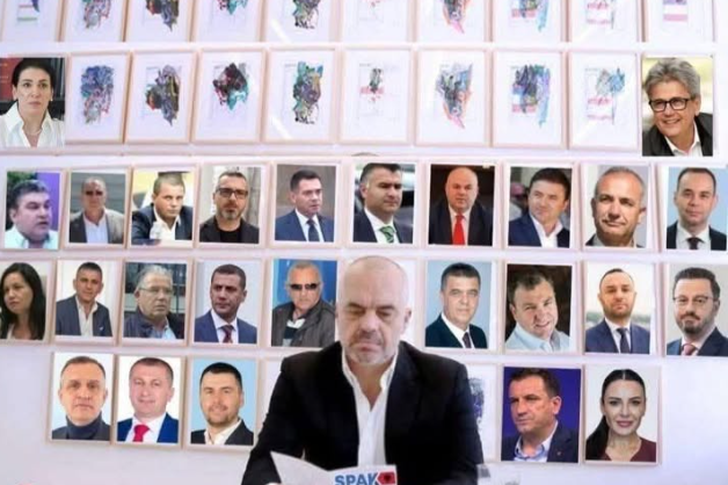
Dy herë përsëriti Edi Rama sot një gënjeshtër aq të pacipë, ...
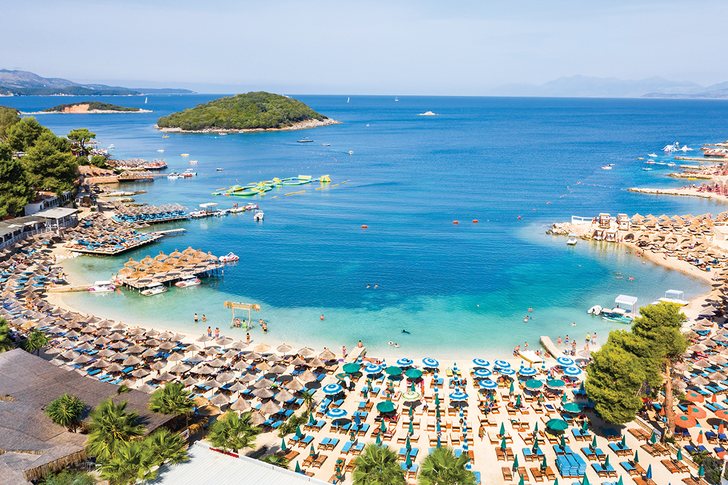
On Friday I headed towards the southern coast. As soon as ...

A people can embrace an ideology only when it gives them hop...
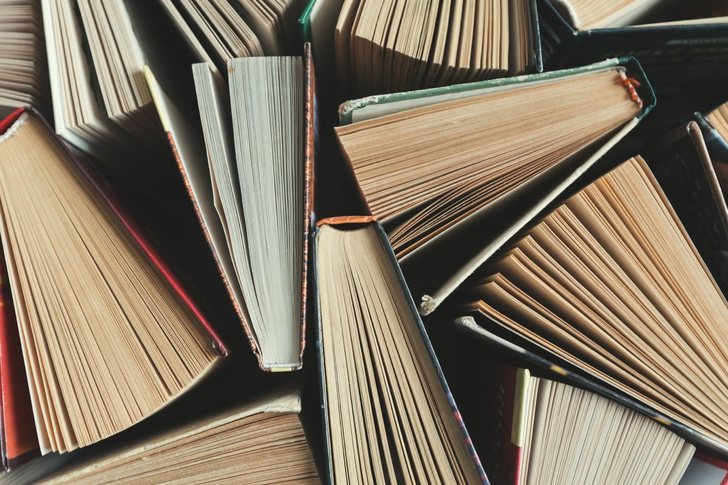
In the contemporary debate on literature, one of the most ...
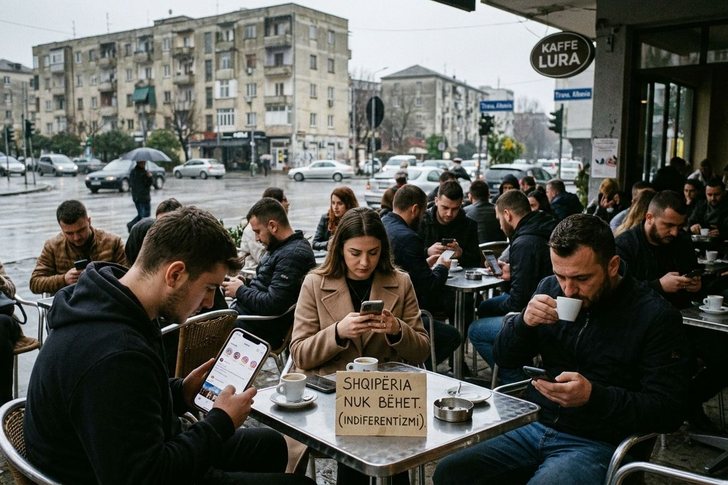
Albanians may not be able to build serious institutions. ...
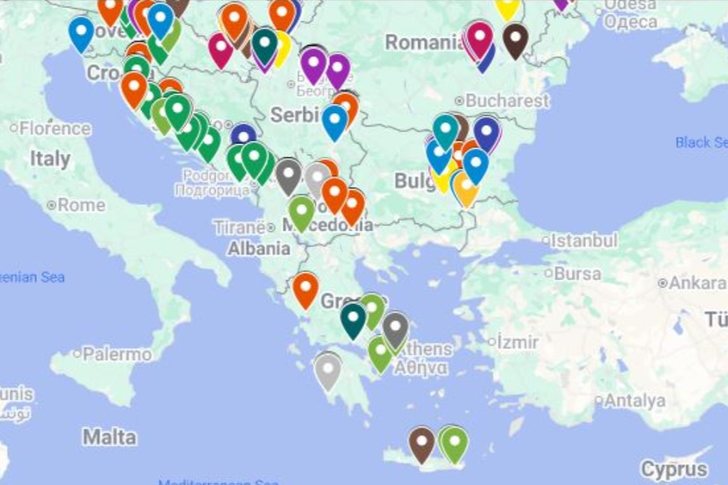
A new study launched in August 2025 and published in the w...
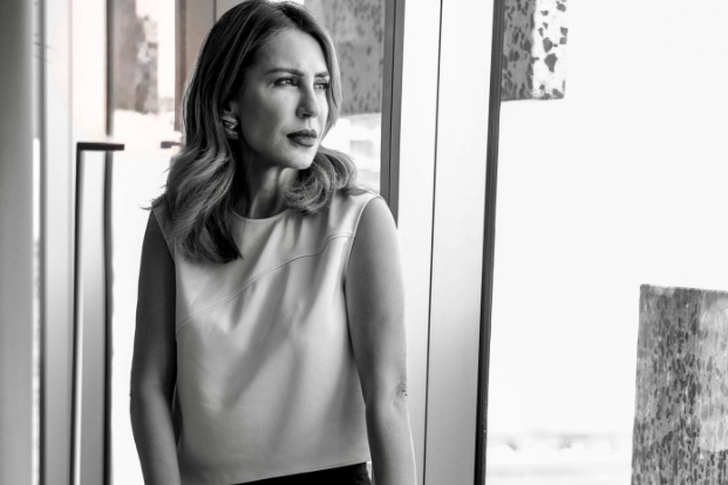
There is a special 24-hour sound in Tirana. It's the soun...

Hit the teachers! Yes, yes, don't stop. Don't stop... Denig...

There comes a moment in every political story when metapho...

I chose not to speak out immediately after the event in Du...

The European Parliament approved the report on Albania, wi...

Sunday, May 3, 2026 will remain a sad day in the chronicle...

April 2026 brought news that seemed like a step towards de...

May 3 is World Press Freedom Day, the European Union's dec...

After 13 years in power, the government has also run out o...

In a month, the DP membership will vote to elect its chair...

Weekend status, 2.05.2026 The May 23, 2026 Democratic Par...

From 2025, Kosovo is heading to three elections, an excess...
CNA has put under scanner the assets of Sokol Sadushi, the...
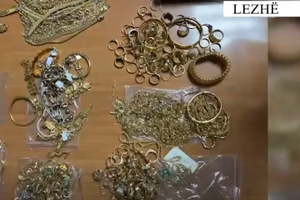
A 39-year-old citizen has been arrested in Lezha, after se...

CNA has launched another investigation that could lead to ...

Irfan Hysenbelliu is a businessman that we call "Irfan the...

The Special Board of Appeal (KPA) decided this Monday ...

The KPA vetting decided this Thursday to dismiss the p...

Suela Salavaçi, a prosecutor in the Prosecutor's Offic...

The Special Board of Appeal reinstated the prosecutor ...
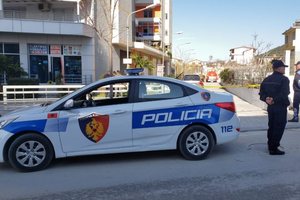
Police have revealed details of the incident that occurred...
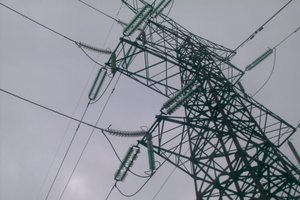
According to preliminary information, a person in his 60s ...

A triple accident occurred on the Peqin-Elbasan axis n...
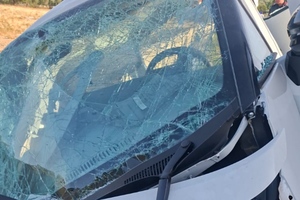
The police have provided details regarding the accident th...
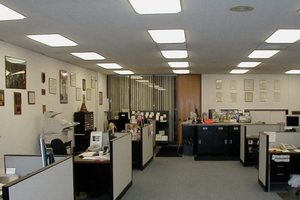
The public sector took the lead in absorbing the workforce...
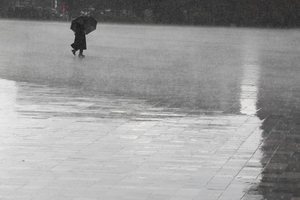
Today, our country will be under the influence of unstable...
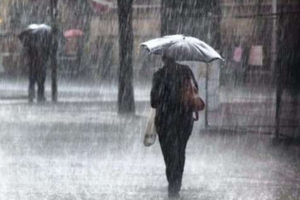
The Institute of Geosciences has today shared a forecast r...

Company leaders can improve productivity by investing in a...
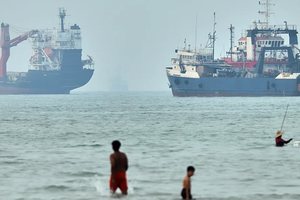
Oil prices fell in early trading on Monday, falling furthe...
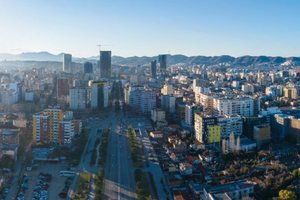
Although Albania does not have a developed industry on the...

North Korea is said to have achieved some impressive resul...

US Ambassador to the United Nations, Mike Waltz, said toda...
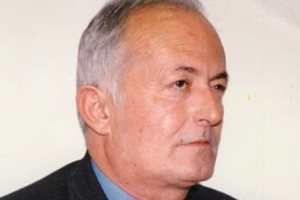
Two windows, a century of history and the metaphysics of p...
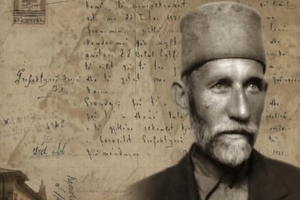
In my research at the Central State Archives, specifically...

At a time when industrial products are increasingly taking...

Trust among people is not just a three-syllable word. It c...

After strong savings growth in the years following the pan...

This Monday, one US dollar is bought for 81.5 lek and sold...

This Sunday, one US dollar is bought for 81.5 lek and sold...

This Saturday, one US dollar is bought for 81.7 lek and so...