


Misunderstanding and a further explanation...
The debate that erupted after an article I published on th...

Raporti i ri i ECRI ngre shqetësime serioze për demokracinë dhe sigurinë sociale


Europe is facing a significant increase in hate speech, racism, intolerance and discrimination, with divisive rhetoric increasingly permeating politics, the media, social networks and public life. This is the stark warning coming from the latest annual report by ECRI, the Council of Europe body that monitors racism, xenophobia, antisemitism and other forms of intolerance on the continent.
The report, published on 28 May 2026, highlights that racist, anti-LGBTI and other forms of hate speech are no longer sporadic or isolated incidents, but have become part of everyday public discourse in many European countries. According to ECRI, the normalisation of hatred poses a direct threat to democracy, the security of vulnerable communities and the very social cohesion of Europe.
A worrying climate of normalization of hate
The report notes that levels of hate speech have reached alarming proportions across Europe. The organization expresses deep concern that discriminatory language is becoming commonplace and increasingly perceived as “normal” in public debate. Xenophobic, anti-immigration and anti-minority discourse has become more common, especially in the context of tougher immigration policies and ongoing economic and geopolitical crises.
ECRI warns that hate speech is not just a matter of words. It creates a hostile climate, encourages discrimination and often becomes a starting point for hate crimes and acts of violence. According to the report, when hate speech goes unchallenged, it gains legitimacy and begins to influence the way democratic societies function.
In many European countries, hate speech is appearing not only on social media or in extremist groups, but also in parliament, television debates, election campaigns and statements by public figures. This makes the phenomenon even more dangerous, because hatred takes on institutional form and gains greater influence on citizens.
The most targeted groups in Europe
The ECRI report highlights that ethnic or national origin remains the most common reason for hate speech in Europe. In many countries, migrants, refugees and ethnic minorities are constantly the target of discriminatory rhetoric and disinformation.
Among the most targeted groups are the Roma, who continue to be stigmatized as a “threat to public security”, a “social problem” or a “health risk”. ECRI stresses that stereotypes against the Roma community remain deeply rooted in some European societies and are often used to justify social exclusion and institutional discrimination.
Një tjetër fenomen shqetësues është rritja e gjuhës së urrejtjes antisemitike dhe anti-muslimane. Raporti vëren se incidentet e urrejtjes ndaj hebrenjve dhe myslimanëve janë rritur ndjeshëm pas sulmit të Hamasit ndaj Izraelit më 7 tetor 2023 dhe luftës që pasoi në Gaza. Konflikti në Lindjen e Mesme ka reflektuar tensione të forta edhe brenda shoqërive evropiane, duke rritur polarizimin fetar dhe etnik.
Në statistikat zyrtare të shumë vendeve evropiane, rastet e antisemitizmit dhe islamofobisë mbeten në nivele shumë më të larta krahasuar me periudhën para vitit 2023. ECRI paralajmëron se kjo prirje po krijon frikë dhe pasiguri tek komunitetet fetare dhe po minon bashkëjetesën në shumë qytete evropiane.
Raporti trajton gjithashtu racizmin ndaj personave me ngjyrë, i cili shpesh ndërthuret me retorikën anti-imigracion dhe ksenofobinë. Veçanërisht interneti dhe sporti përmenden si fusha ku individët me ngjyrë përballen shpesh me komente raciste dhe gjuhë degraduese.
Po ashtu, ECRI vëren se komuniteti LGBTI vazhdon të jetë objekt i urrejtjes, sidomos personat transgjinorë. Gjuha homofobike dhe transfobike është shtuar në shumë vende dhe shpesh shoqërohet me sulme verbale, kërcënime dhe diskriminim publik.
Politika dhe urrejtja – një kombinim i rrezikshëm
Një nga pjesët më të forta të raportit lidhet me përdorimin e gjuhës së urrejtjes në politikë. Sipas ECRI-së, të huajt, myslimanët, romët dhe personat LGBTI janë objektivat kryesorë të retorikës politike të bazuar në stereotipe negative dhe dezinformim, sidomos gjatë periudhave zgjedhore.
Në shumë vende evropiane, partitë populiste dhe nacionaliste po përdorin frikën dhe pasigurinë sociale për të fituar mbështetje politike. Emigracioni paraqitet si kërcënim për identitetin kombëtar, ndërsa minoritetet si “problem” ose “rrezik për rendin publik”.
ECRI paralajmëron se ky lloj diskursi ka pasoja serioze për demokracinë. Kur liderët politikë përdorin gjuhë diskriminuese, ata jo vetëm legjitimojnë urrejtjen, por ndikojnë drejtpërdrejt në mënyrën se si qytetarët perceptojnë komunitetet e ndryshme.
Raporti shpreh gjithashtu shqetësim për fushatat e dezinformimit që vijnë nga jashtë vendeve evropiane. Këto fushata shpesh synojnë të thellojnë ndarjet sociale dhe të përhapin narrativa ekstremiste ose konspirative përmes rrjeteve sociale dhe mediave online.
Paralajmërimi i Bertil Cottier
Kryetari i ECRI-së, Bertil Cottier, dha një nga deklaratat më të forta të raportit duke theksuar se gjuha e urrejtjes dëmton jo vetëm individët, por të gjithë shoqërinë demokratike.
Sipas tij, kur njerëzit ndihen të kërcënuar për shkak të identitetit të tyre etnik, fetar ose seksual, ata tërhiqen nga jeta publike dhe humbasin besimin tek institucionet demokratike. Kjo dobëson demokracinë dhe krijon terren pjellor për ekstremizëm dhe polarizim.
Cottier u bëri thirrje liderëve politikë, zyrtarëve publikë dhe operatorëve të platformave online që të refuzojnë qartë diskursin urrejtës dhe të promovojnë narrativa gjithëpërfshirëse.
Ai theksoi se heshtja përballë gjuhës së urrejtjes është po aq e rrezikshme sa vetë urrejtja, sepse krijon përshtypjen se diskriminimi është i pranueshëm.
Interneti dhe sfida e moderimit të urrejtjes
Raporti i ECRI-së i kushton rëndësi të veçantë përhapjes së gjuhës së urrejtjes online. Sipas organizatës, rrjetet sociale dhe platformat e komunikimit online kanë mundësuar përhapjen e shpejtë dhe masive të përmbajtjeve urrejtëse.
Anonimiteti online dhe përdorimi i profileve false ose “bot”-eve automatike e bëjnë të vështirë identifikimin dhe ndëshkimin e autorëve. Në shumë raste, përmbajtja diskriminuese shpërndahet gjerësisht përpara se autoritetet ose platformat të ndërhyjnë.
ECRI pranon se moderimi i përmbajtjeve urrejtëse online është një sfidë e madhe. Nga njëra anë ekziston nevoja për të mbrojtur lirinë e shprehjes, ndërsa nga ana tjetër duhet parandaluar përhapja e urrejtjes dhe nxitjes së dhunës.
Raporti thekson se bashkëpunimi mes qeverive, kompanive teknologjike dhe shoqërisë civile është jetik për luftimin e fenomenit.
Inteligjenca artificiale si mjet kundër urrejtjes
Një nga temat më interesante të raportit është përdorimi i inteligjencës artificiale për identifikimin dhe moderimin e gjuhës së urrejtjes online.
Sipas Bertil Cottier, inteligjenca artificiale ka potencial real për të zbuluar përmbajtjet urrejtëse online dhe për të ndihmuar në menaxhimin e tyre. Megjithatë, ai paralajmëron se teknologjia nuk mund të funksionojë pa mbikëqyrje njerëzore.
ECRI rekomandon krijimin e mekanizmave të qartë të raportimit dhe përdorimin e “trusted flaggers”, individë ose organizata të specializuara që mund të raportojnë përmbajtje të rrezikshme tek autoritetet dhe kompanitë teknologjike.
Megjithëse inteligjenca artificiale mund të ndihmojë në identifikimin e gjuhës së urrejtjes, raporti thekson se këto mjete ende kanë kufizime dhe jo gjithmonë kuptojnë kontekstin kulturor ose gjuhësor të përmbajtjes online.
Mungesa e besimit tek institucionet
Një tjetër problem serioz i evidentuar në raport është niveli i ulët i besimit tek policia dhe institucionet shtetërore nga komunitetet e cenueshme.
Romët, myslimanët, migrantët dhe grupe të tjera të diskriminuara shpesh hezitojnë të raportojnë rastet e gjuhës së urrejtjes për shkak të mungesës së besimit se autoritetet do të reagojnë në mënyrë efektive.
Kjo çon në mosraportim dhe krijon një pasqyrë jo të plotë të problemit real në Evropë.
ECRI kritikon gjithashtu faktin se disa grupe, si romët apo myslimanët, shpesh lihen jashtë politikave shtetërore kundër gjuhës së urrejtjes, sepse mbrojtja e të drejtave të tyre nuk konsiderohet “fitim politik” nga qeveritë apo partitë.
Aktivistët dhe gjyqtarët nën sulm
Një tjetër prirje shqetësuese e identifikuar në raport është fakti që individët dhe organizatat që luftojnë kundër racizmit dhe intolerancës po bëhen vetë objekt i urrejtjes.
MPs, civil society activists, journalists, judges and human rights defenders have faced serious threats, including death threats.
In some cases, this has created an intimidating effect and discouraged individuals from speaking out against discrimination.
ECRI emphasizes that the creation of a safe civic space for debate and activism is essential for the protection of democracy and human rights.
Children and young people are the most vulnerable victims
The report also raises serious concerns about the impact of hate speech on children and young people.
According to ECRI, young people are both victims and potential perpetrators of hate speech, especially online. Divisive and discriminatory content is easily spread through social networks, online videos and communication platforms that are widely used by young people.
Hateful narratives are also seeping into schools. Teachers often lack sufficient training to identify or address such situations.
ECRI stresses the importance of human rights education and media literacy as ways to build resistance to racism, manipulation and intolerance.
According to the report, education remains one of the most powerful tools to prevent radicalization and protect democracy in the future.
A big test for Europe
The ECRI report is a wake-up call for all of Europe. The organization warns that if hate speech continues to become normalized, the consequences will be much deeper than verbal conflicts or online tensions.
Hate undermines social trust, weakens democratic institutions, and creates dangerous divisions among citizens.
In this context, the "New Democratic Pact for Europe" initiative, launched by the Council of Europe, is seen as an opportunity to strengthen democratic values ??and build a more inclusive culture on the continent.
The report concludes with a clear message: the fight against hate speech is not only the duty of institutions, but the responsibility of the entire society.
Politicians must abandon divisive rhetoric. Media must avoid normalizing discrimination. Online platforms must take responsibility for the content they distribute. And citizens must reject hate and uphold the values ??of respect and coexistence.
Europe today faces an important choice: either it will defend democracy and diversity, or it will allow hatred and intolerance to become a normal part of public life.

The debate that erupted after an article I published on th...
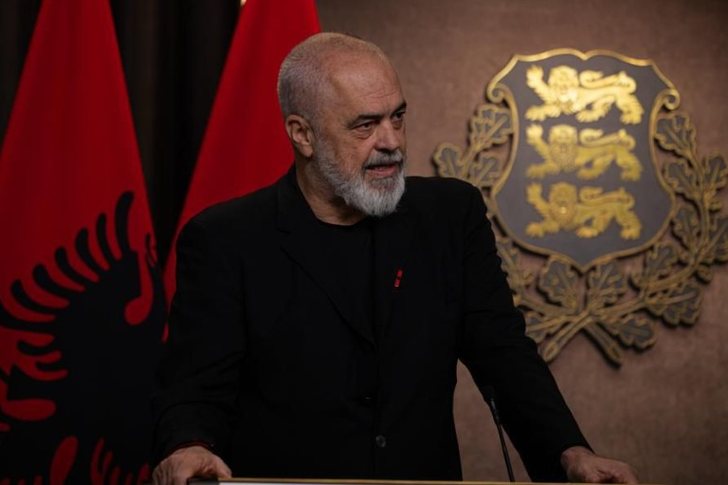
Edhe njëherë si dhe herë të tjera, Edi Rama zgjodhi të për...

The public appearance of the President of the Republic of Al...

The Democratic Party has announced the holding of the tent...

Mirror, mirror, who is the greatest democrat in this kingd...

Under the fever of the thickness of troubles, Edi Rama sto...
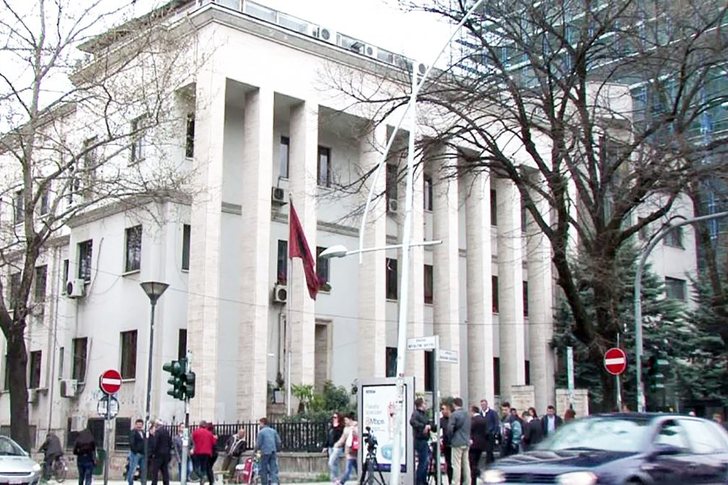
The Constitutional Court's decision essentially leaves the...
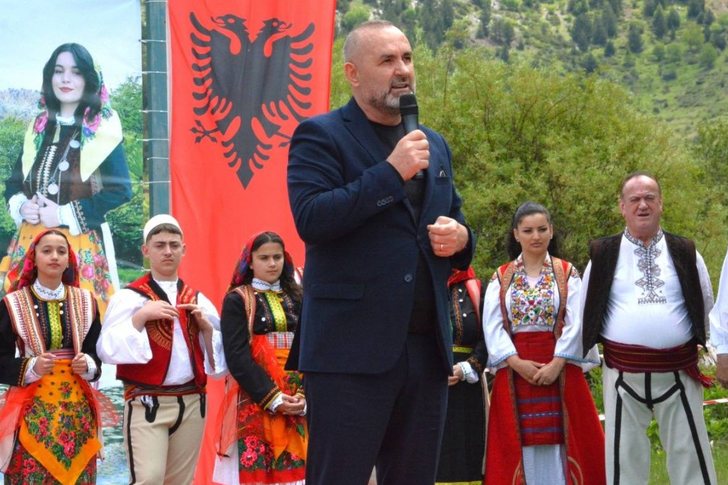
There are days in politics when the noise of television de...

The next victim was recorded, unfortunately it is a child ...
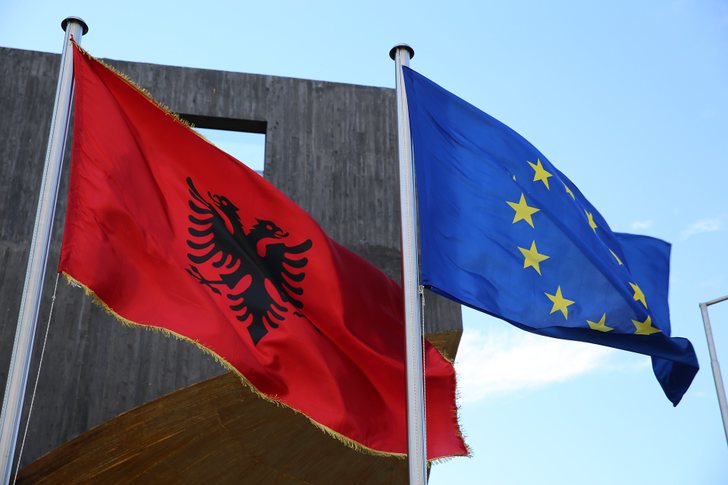
The adoption of the Interim Milestone Report (IBAR) in the...

Theaters used to have "clerks," or paid applause. People ...

Embarrassed for his pro-Russian initiatives, Rama, in self...
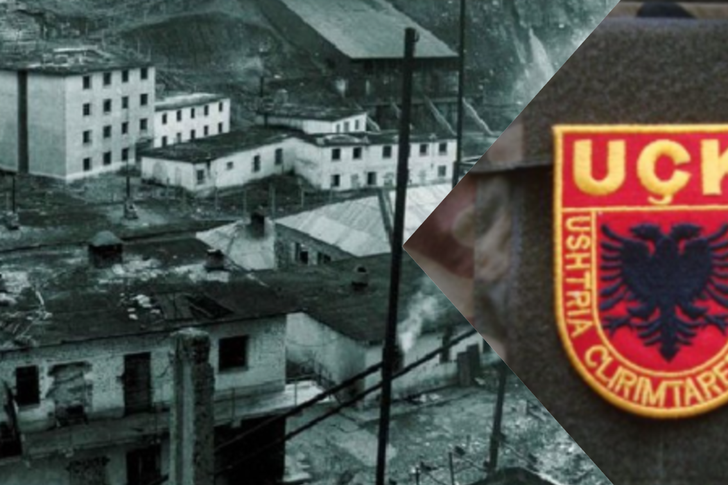
It has been 53 years since the famous anti-communist revol...

The international system is going through a profound phase...
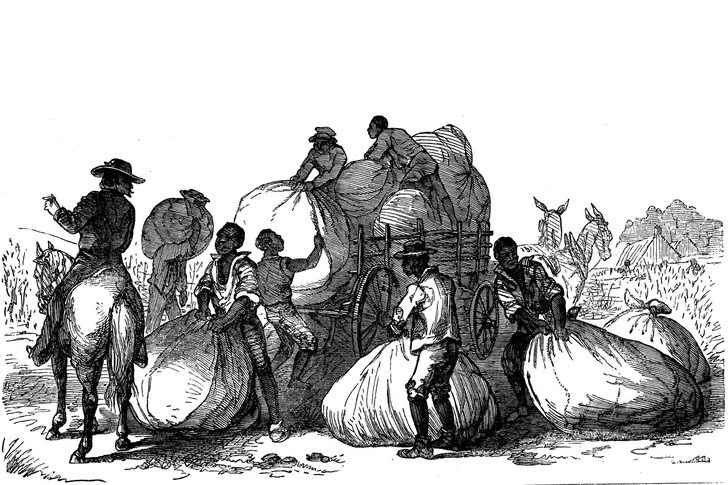
The most dangerous slavery is not the one with chains that...
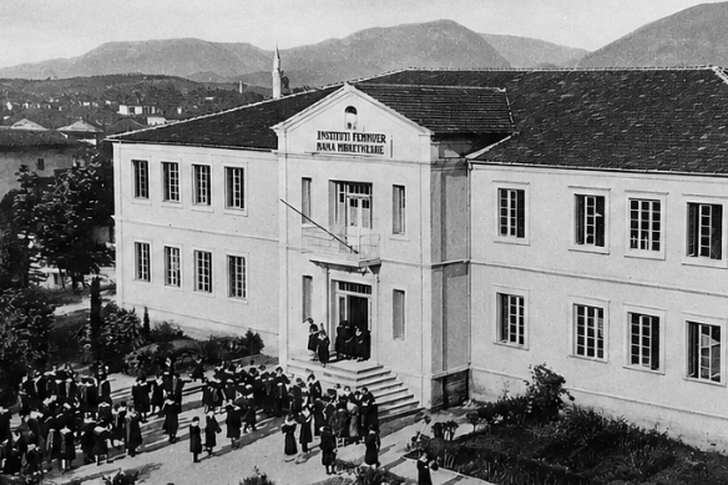
In the history of the Albanian resistance against the Italia...
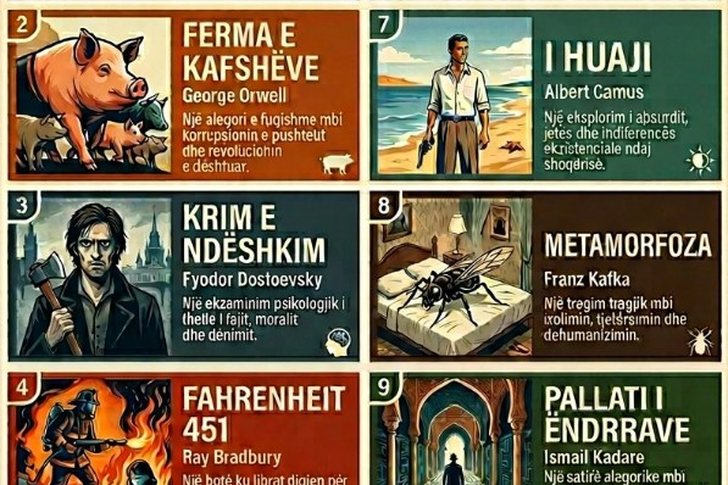
Depersonalization and dehumanization are two of the most s...

Albania is today facing a monumental geopolitical crossroa...

Work is underway in the Poshë Poro-Nartë protected natural...
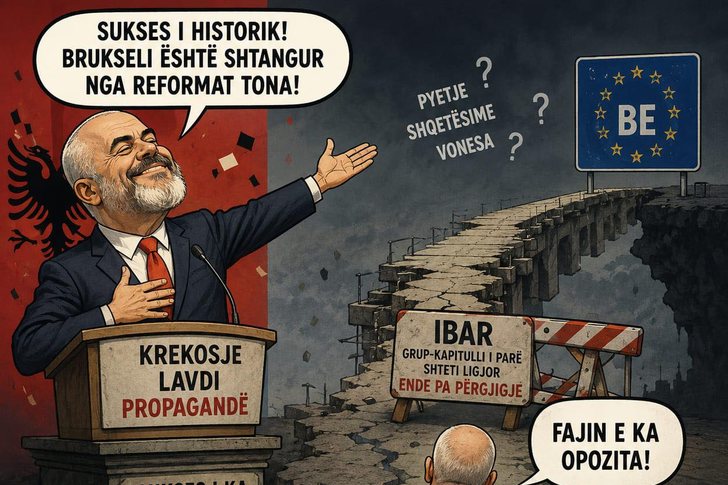
According to government propaganda, Brussels is stunned by...
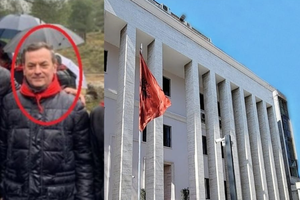
CNA has put under scanner the assets of Sokol Sadushi, the...

A 39-year-old citizen has been arrested in Lezha, after se...

CNA has launched another investigation that could lead to ...

Irfan Hysenbelliu is a businessman that we call "Irfan the...

The Special Board of Appeal (KPA) decided this Monday ...

The KPA vetting decided this Thursday to dismiss the p...

Suela Salavaçi, a prosecutor in the Prosecutor's Offic...

The Special Board of Appeal reinstated the prosecutor ...

Police have revealed details of the incident that occurred...

According to preliminary information, a person in his 60s ...

A triple accident occurred on the Peqin-Elbasan axis n...

The police have provided details regarding the accident th...

The public sector took the lead in absorbing the workforce...

Today, our country will be under the influence of unstable...

The Institute of Geosciences has today shared a forecast r...

Company leaders can improve productivity by investing in a...

Oil prices fell in early trading on Monday, falling furthe...

Although Albania does not have a developed industry on the...

North Korea is said to have achieved some impressive resul...

US Ambassador to the United Nations, Mike Waltz, said toda...

Two windows, a century of history and the metaphysics of p...
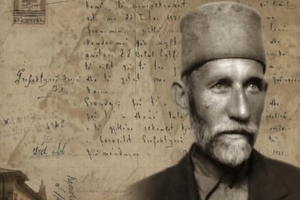
In my research at the Central State Archives, specifically...

At a time when industrial products are increasingly taking...

Trust among people is not just a three-syllable word. It c...

After strong savings growth in the years following the pan...

This Monday, one US dollar is bought for 81.5 lek and sold...

This Sunday, one US dollar is bought for 81.5 lek and sold...

This Saturday, one US dollar is bought for 81.7 lek and so...