


Zvezda residents protest over water shortage: Millions were invested, but the taps are empty
Residents of the village of Zvezda, in the Maliq Municipal...

Residents of the village of Zvezda, in the Maliq Municipal...
Në vazhdim të debatit mbi Presidentin e Republikës në Haxh...

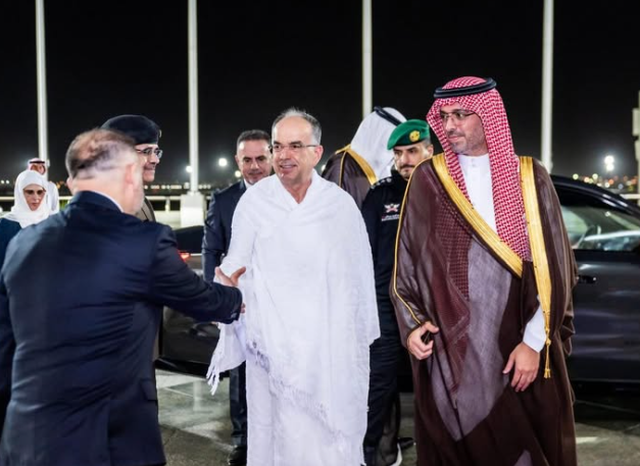
The debate that erupted after an article I published on the participation of the President of the Republic of Albania in a religious ritual has produced different interpretations, often incompatible with each other. And this is normal. Issues affecting the relationship between state, symbolism and religion have never been simple matters.
Regardless of the tone, motives, or language used, I consider the debate valuable. Not because it necessarily produced clarity, but because it brought to the surface a much deeper ambiguity: the way secularism and the very idea of ??state neutrality are understood today on the one hand, and the way we react when we disagree with the other on the other, not to mention the instinctive and aggressive reactions that usually have nothing to do with the argument, but only with the need to attack it.
Because this debate is not just legal. It is conceptual. And that is exactly where the misunderstanding begins.
Two completely different registers have been mixed in the public debate: the register of individual freedom and the register of institutional and state symbolism.
From this confusion has arisen a series of readings that often do not refute the argument, but a simplified version of it, or rather a misunderstood one.
This is, unfortunately, a common trend of our public debates: every institutional problem is immediately reduced to either personal morality or identity conflict.
Secularism, in the constitutional sense, is not the denial of religion nor its exclusion from public life.
It is an organizing principle of the relationship between the state and religion, according to which the state does not identify with any religion and does not use religion as an instrument of representation or institutional legitimation.
This is not a prejudice against faith.
It is an institutional limit.
This distinction should not be particularly difficult to understand in a debate that claims conceptual seriousness.
But it seems that in our public debate there is a strange difficulty in distinguishing between criticism of state symbolism and prejudice against religion. As if any discussion on institutional neutrality must necessarily end in a moral accusation against the author and not in an analysis of the problem itself.
Secularism is not an ideology. It is a legal structure and constitutional culture. It does not deal with the soul of the individual, but with the way the state is represented in the public space.
And here we must make a distinction that some of the reactions seem to overlook with somewhat hasty ease: the religious freedom of the individual and the symbolic neutrality of the state are not the same thing.
The first belongs to the citizen. The second to the institution.
Confusing these two levels produces two opposing but equally problematic reductions: either the idea that every religious display by an official is a constitutional problem, or the idea that no display has any institutional relevance.
Both are incomplete and distorted readings of constitutional reality.
In modern constitutional systems, the Head of State is not just a private individual. He is a symbol of the unity of the people and an expression of institutional unity. This is not a political metaphor, but a constitutional category. So, a constitutional responsibility as well.
And precisely for this reason, the actions of the President of the Republic are not read only on a personal level, but also on a public representation level, depending on the context and nature of the act.
This does not mean stripping away fundamental freedoms. Quite the contrary.
But it does mean that the same freedom, when exercised by the highest representative figure of the state, also produces institutional meaning.
This is precisely the point where public debate loses patience with thinking more complexly than through mechanical symmetries.
Because not every religious ritual is the same in the way it organizes the public understanding of itself.
Some rituals have a ceremonial, protocolary, or interfaith character. Others are structured devotional rites, with form, content, and inner theological meaning.
The difference does not lie in their spiritual value. And it is precisely here that some reactions seem to have chosen not to understand what is written, but rather what is easier to argue about.
The difference lies in the symbolic structure of the act and in the way it is read when performed by the figure who embodies the institutional unity of the state.
The debate has used mechanical comparisons between participation in various religious rituals and protocol visits to religious institutions. But these cases are not necessarily equivalent in an institutional sense.
Official visits and interfaith ceremonies take place within a framework of public representation and protocol. While participation in a religious ritual structured as an act of individual devotion creates another symbolic regime, precisely because of the internal nature of the ritual.
But our public debate often has a strange tendency: to demand absolute symmetry where institutions function over differences in context, form, and meaning.
The constitutional state does not only function on written norms. It also functions on the stability of the way it is represented and perceived.
This is not an aesthetic issue. It is a matter of clarity and institutional responsibility.
Because the state does not lose neutrality when citizens believe. It begins to lose neutrality when the boundaries between institutional role, state responsibility, and personal appearance become blurred.
And this is why protocol strictness is not empty formalism, but a form of constitutional prudence.
The misunderstanding of this debate is not only related to a lack of information. It is also related to a deeper difficulty in our public culture to think of the state as an autonomous institution and not as an emotional extension of the individual who represents it.
One side sees the issue from the perspective of individual freedom and equality of beliefs. The other from the perspective of the symbolic neutrality of the state and the way it is represented.
Neither excludes the other. But neither can be reduced to the other without impoverishing the problem.
Because the issue is not whether an official's faith is acceptable in public life.
The issue is how the boundary between the individual and the institution is constructed in a constitutional republic that aims to be both pluralistic and neutral.
In the end, perhaps the debate itself proved what my first article aimed to highlight: how difficult it still remains for our public debate to distinguish between the individual and the institution, between personal freedom and the symbolic neutrality of the state. And when this distinction is not made by the one who has the first constitutional obligation, the President of the Republic, then it is understandable – and to some extent expected – that the misunderstanding extends even further.
Some of the reactions read the issue as an attack on faith, others as cultural prejudice, while still others immediately reduced it to personal morality or ideological preference. And that's where the misunderstanding emerged.
But the problem is not religion. The problem is the institutional meaning of an act when it is carried out by a figure who embodies the unity of the state.
But our public debates often have a characteristic haste: they read faster than they think. And when thought is replaced by reaction, concepts begin to slip, categories become confused, and any differences are interpreted as hostility.
Of course, there are also cases where the problem is not related to misreading, but to the limits of the worldview itself. Because not every belief has the same ability to think through the complexity of the relationship between state, symbolism, and faith.
And perhaps this is precisely why this explanation was necessary, not for the President of the Republic, but for everyone else.

Edhe njëherë si dhe herë të tjera, Edi Rama zgjodhi të për...
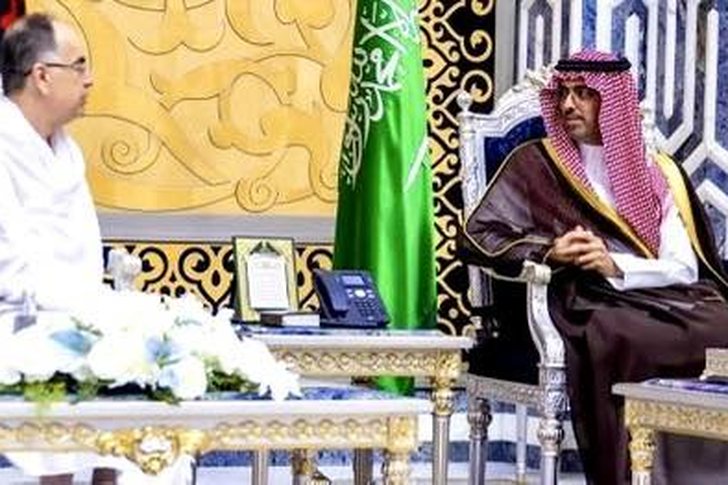
The public appearance of the President of the Republic of Al...
The Democratic Party has announced the holding of the tent...
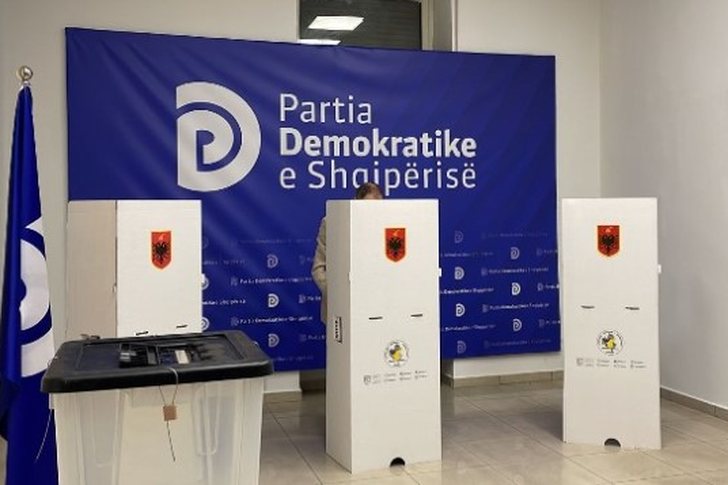
Mirror, mirror, who is the greatest democrat in this kingd...

Under the fever of the thickness of troubles, Edi Rama sto...
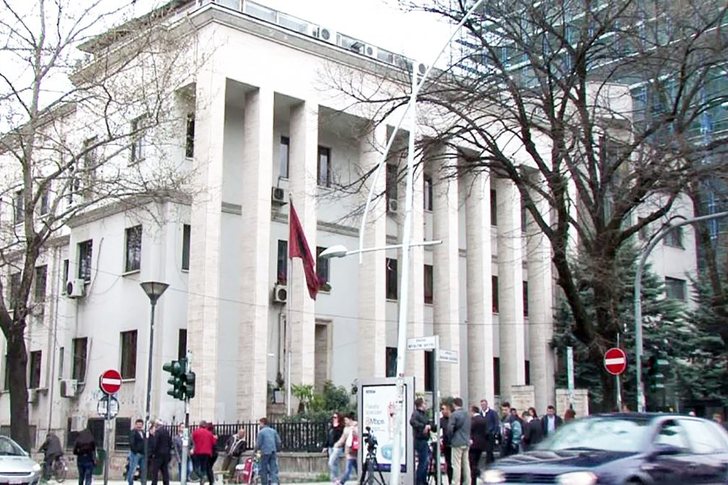
The Constitutional Court's decision essentially leaves the...
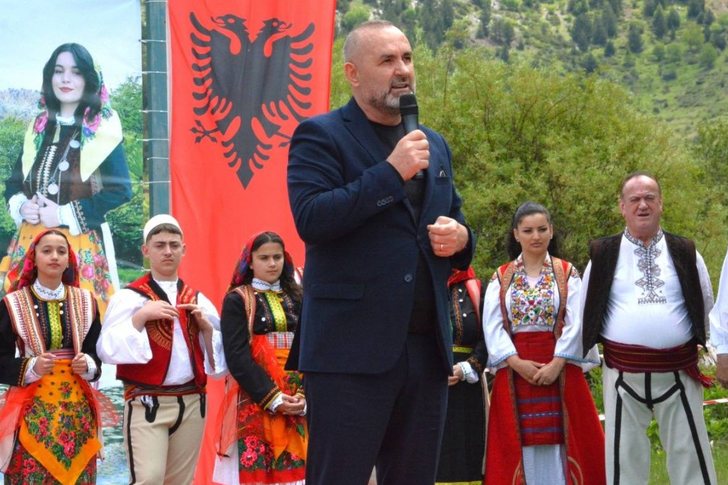
There are days in politics when the noise of television de...
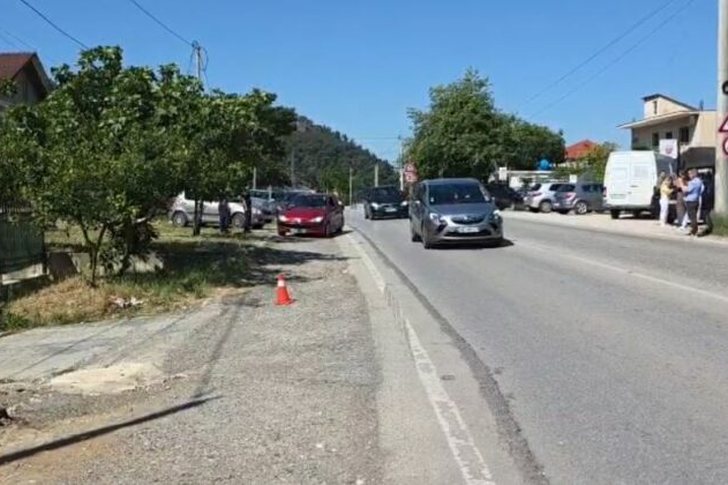
The next victim was recorded, unfortunately it is a child ...
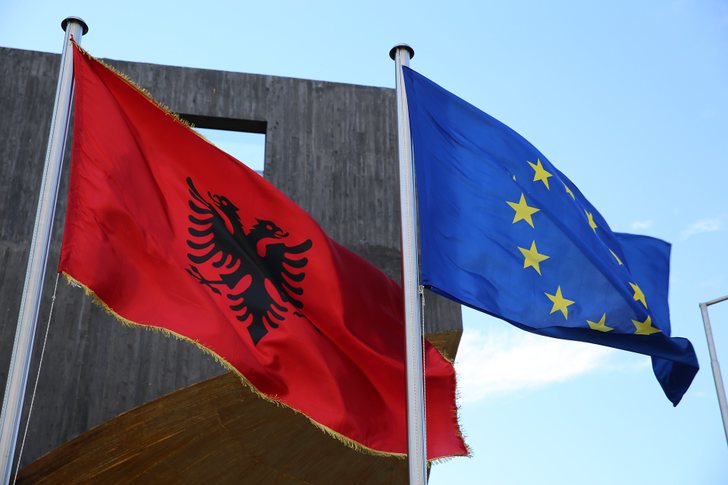
The adoption of the Interim Milestone Report (IBAR) in the...
Theaters used to have "clerks," or paid applause. People ...
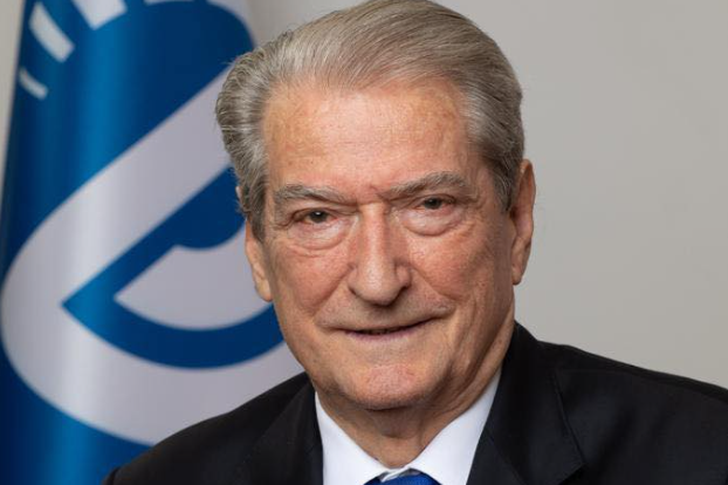
Embarrassed for his pro-Russian initiatives, Rama, in self...
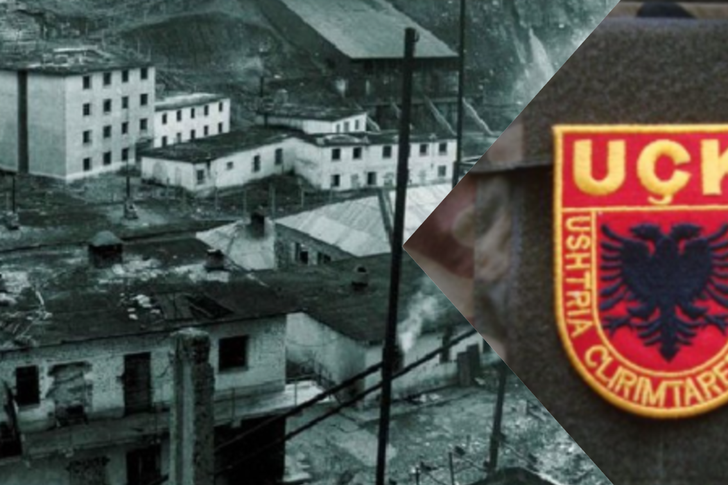
It has been 53 years since the famous anti-communist revol...
The international system is going through a profound phase...
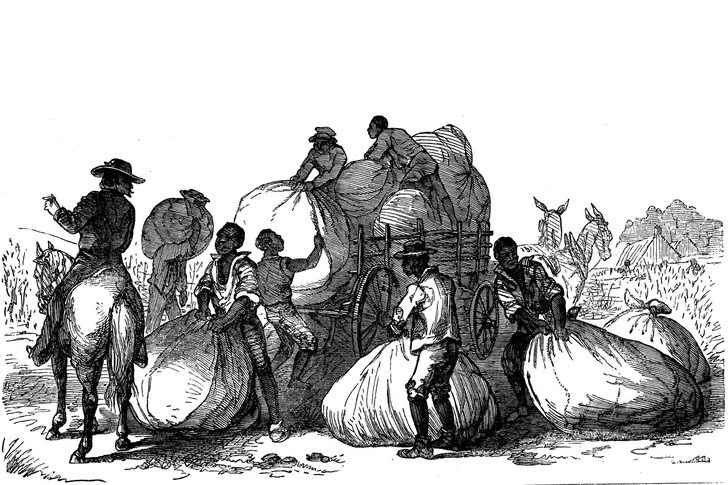
The most dangerous slavery is not the one with chains that...
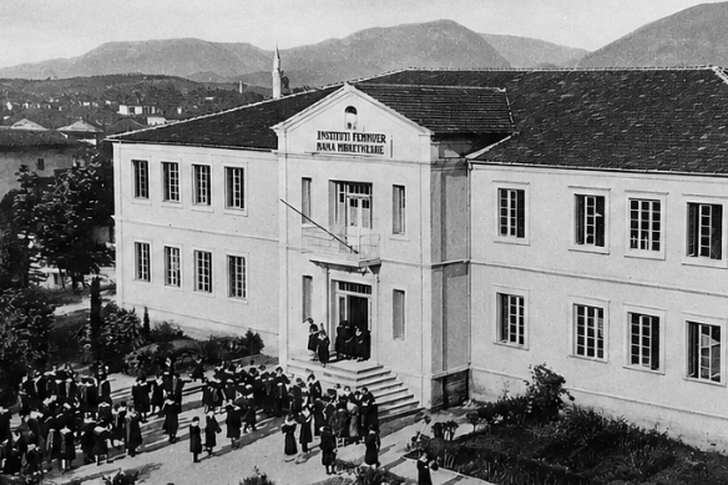
In the history of the Albanian resistance against the Italia...
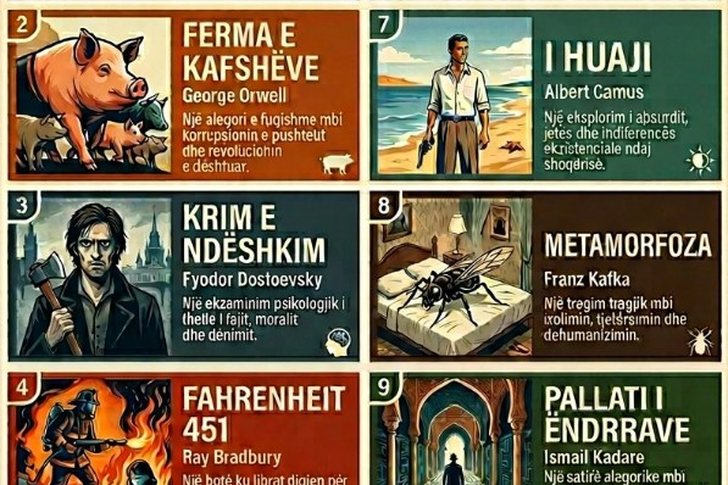
Depersonalization and dehumanization are two of the most s...
Albania is today facing a monumental geopolitical crossroa...
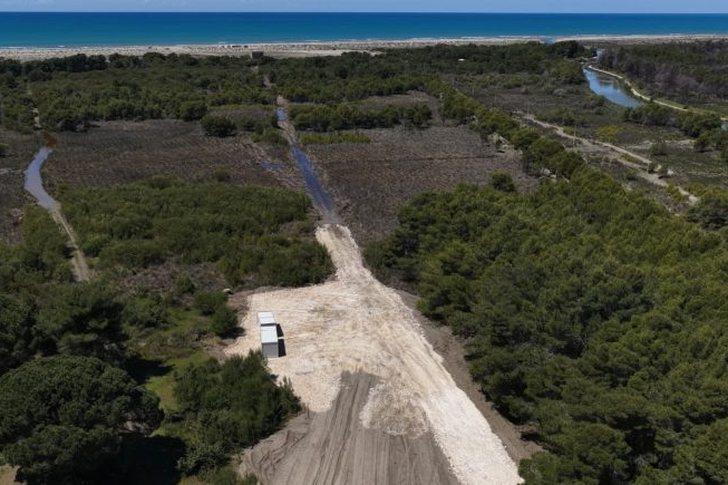
Work is underway in the Poshë Poro-Nartë protected natural...
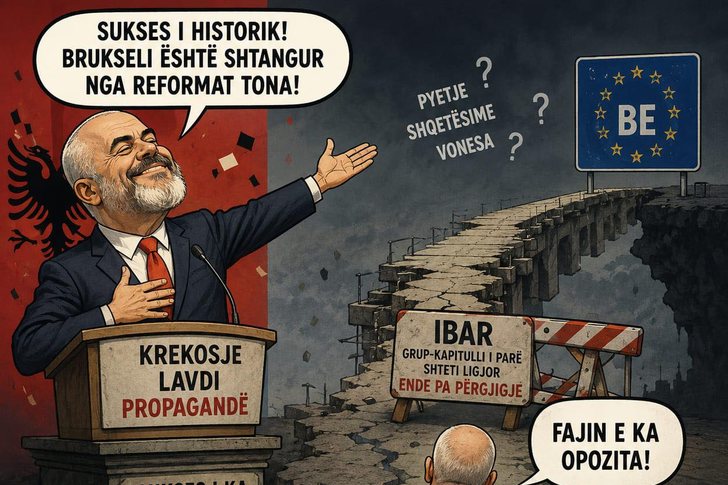
According to government propaganda, Brussels is stunned by...
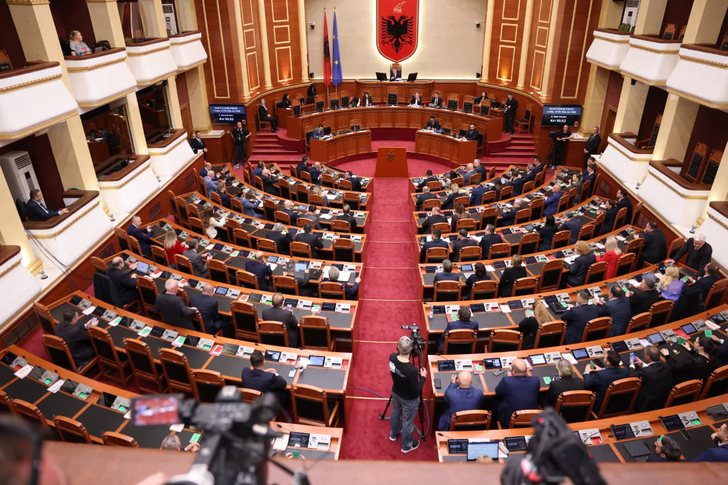
The Albanian Parliament has a very low intellectual level ...
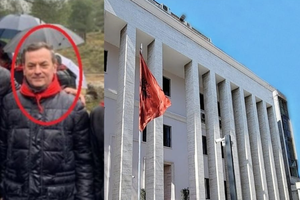
CNA has put under scanner the assets of Sokol Sadushi, the...
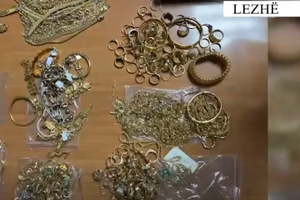
A 39-year-old citizen has been arrested in Lezha, after se...

CNA has launched another investigation that could lead to ...

Irfan Hysenbelliu is a businessman that we call "Irfan the...

The Special Board of Appeal (KPA) decided this Monday ...

The KPA vetting decided this Thursday to dismiss the p...

Suela Salavaçi, a prosecutor in the Prosecutor's Offic...

The Special Board of Appeal reinstated the prosecutor ...
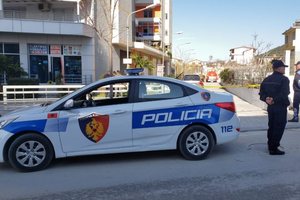
Police have revealed details of the incident that occurred...
According to preliminary information, a person in his 60s ...
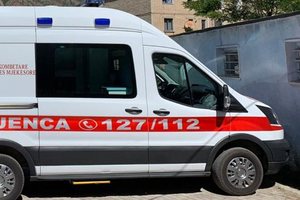
A triple accident occurred on the Peqin-Elbasan axis n...
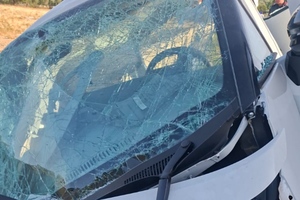
The police have provided details regarding the accident th...

The public sector took the lead in absorbing the workforce...
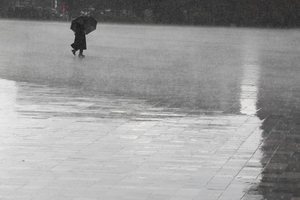
Today, our country will be under the influence of unstable...
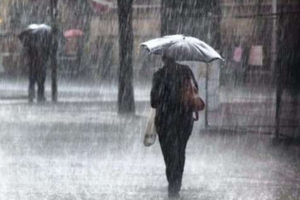
The Institute of Geosciences has today shared a forecast r...
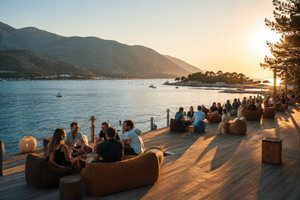
Company leaders can improve productivity by investing in a...
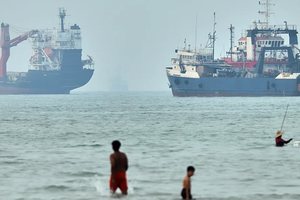
Oil prices fell in early trading on Monday, falling furthe...
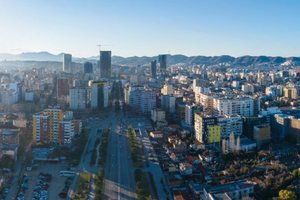
Although Albania does not have a developed industry on the...
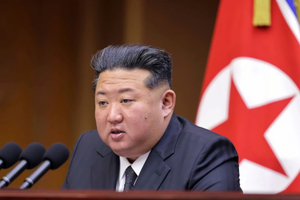
North Korea is said to have achieved some impressive resul...
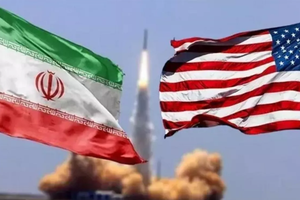
US Ambassador to the United Nations, Mike Waltz, said toda...
Two windows, a century of history and the metaphysics of p...
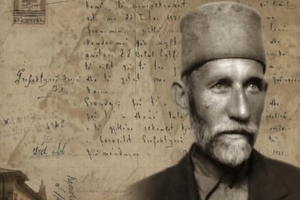
In my research at the Central State Archives, specifically...

At a time when industrial products are increasingly taking...

Trust among people is not just a three-syllable word. It c...

After strong savings growth in the years following the pan...

This Monday, one US dollar is bought for 81.5 lek and sold...

This Sunday, one US dollar is bought for 81.5 lek and sold...

This Saturday, one US dollar is bought for 81.7 lek and so...