


Study: Fruits, vegetables and carbohydrates improve sleep quality by 16%
Quality sleep is important for our well-being, but not eve...


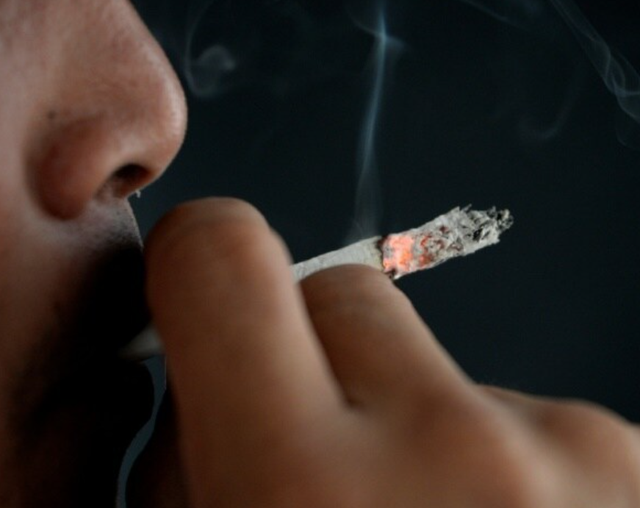
Nearly four out of every ten new cancer cases worldwide could be prevented by avoiding known risk factors, such as smoking, alcohol consumption, air pollution and some infections, the World Health Organization (WHO) announced.
About 38% of new cancer cases globally in 2022, or 7.1 million cases, will be due to preventable causes, according to a new study. The study was published in the scientific journal Nature Medicine and was conducted by a large team of researchers, including the WHO's International Agency for Research on Cancer.
The study analyzed 30 risk factors that increase the chance of developing cancer. Smoking was the leading cause, responsible for 15% of all new cases, followed by cancer-causing infections at 10% and alcohol consumption at about 3%.
Other important factors include obesity, lack of physical activity, exposure to ultraviolet (UV) radiation, and contact with hazardous substances in the workplace, such as asbestos.
"This is the first global analysis to clearly show how much of the cancer risk comes from causes that we can prevent," said Andre Ilbawi, lead author of the study and head of the WHO's cancer control team.
According to the data, almost half of preventable cases are related to lung, stomach and cervical cancer. Lung cancer is mainly linked to smoking and air pollution, while stomach cancer is linked to the bacterium Helicobacter pylori. Cervical cancer is mainly caused by the HPV virus, against which there are effective vaccines.
The study also shows that men are more likely to be affected by preventable cancer: 45% of new cases in men, compared to 30% in women. About a quarter of preventable cancer cases in men are linked to smoking, compared to 11% in women.
Researchers are calling on governments to strengthen tobacco and alcohol control policies, increase vaccination against infections such as HPV, improve air quality and safety in workplaces, and promote healthy diets and physical activity.
"If we want to reduce the burden of cancer, we also need to reduce the burden of noncommunicable diseases. Tobacco, alcohol, ultra-processed foods and air quality are major drivers of many types of cancer," said Katie Dain, executive director of the NCD Alliance./ CNA

Quality sleep is important for our well-being, but not eve...
People are often told that eating well, exercising, and av...
After recent heavy snowstorms, freezing temperatures conti...
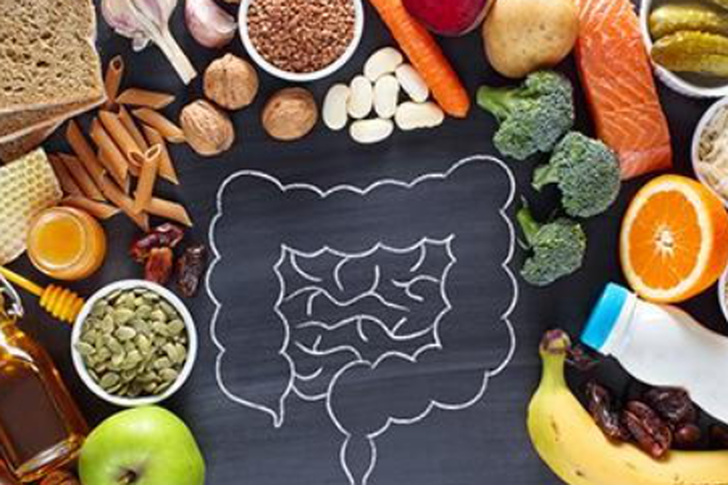
Certain types of foods help maintain a healthy gut, focusi...

Health and overall well-being should be the main goal for ...

Researchers from the Harvard TH Chan School of Public Heal...
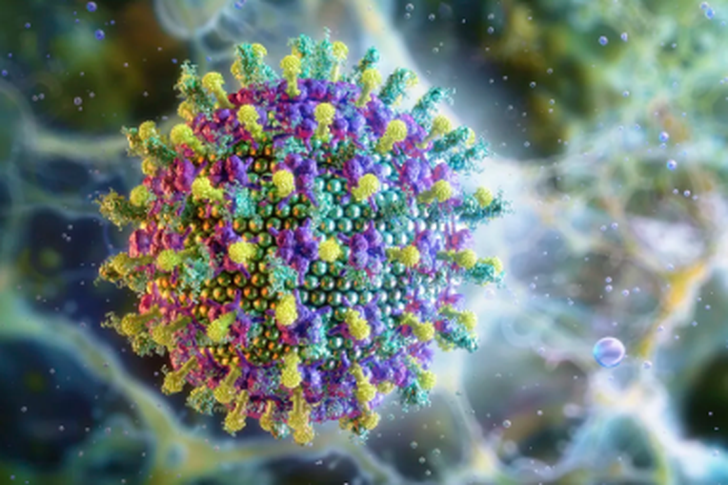
The World Health Organization said Friday that the risk of...
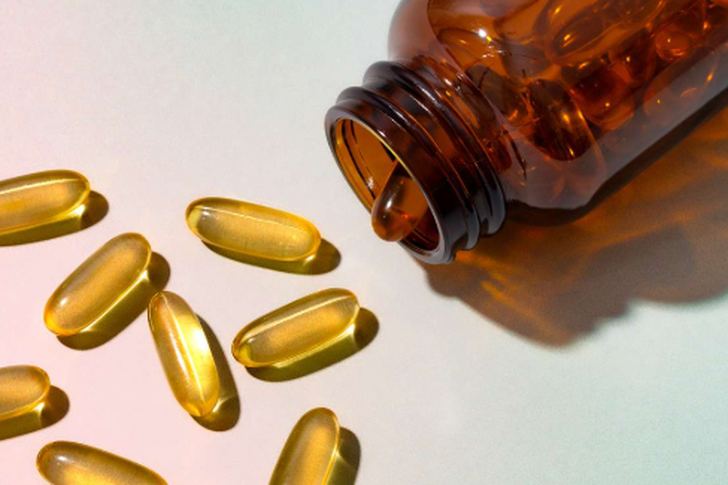
Vitamin D is not only important for bone health, but it al...
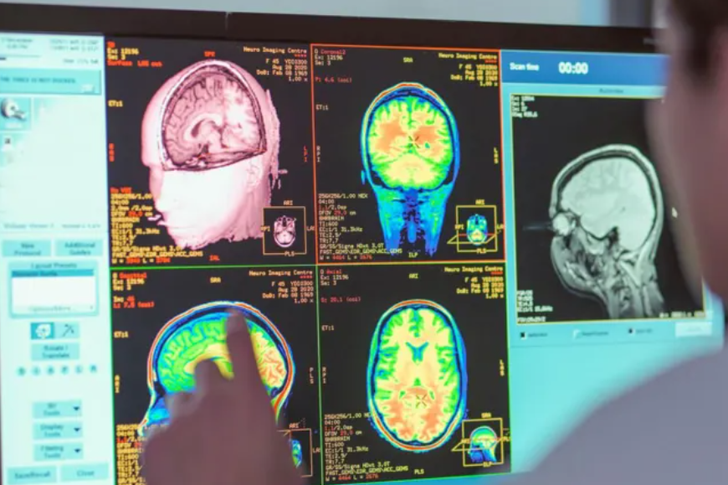
The brain goes through five distinct stages in life, with ...

People who stay up late and are more active at night may h...
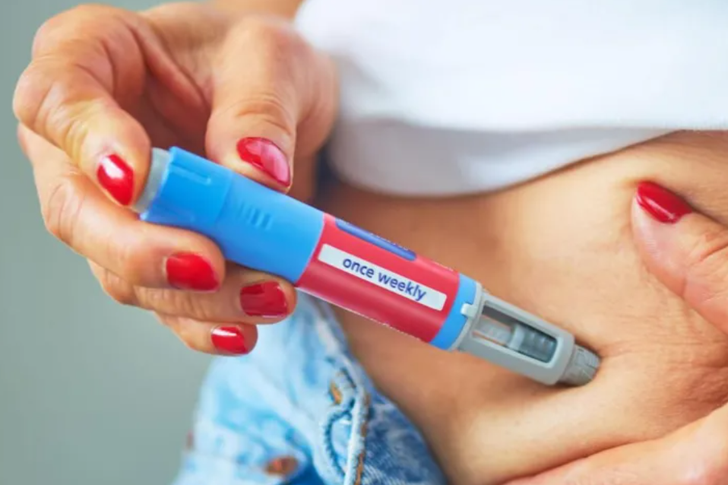
People who use GLP-1 injections like Wegovy to lose weight...

Proper nutrition can have a profound impact on the health ...
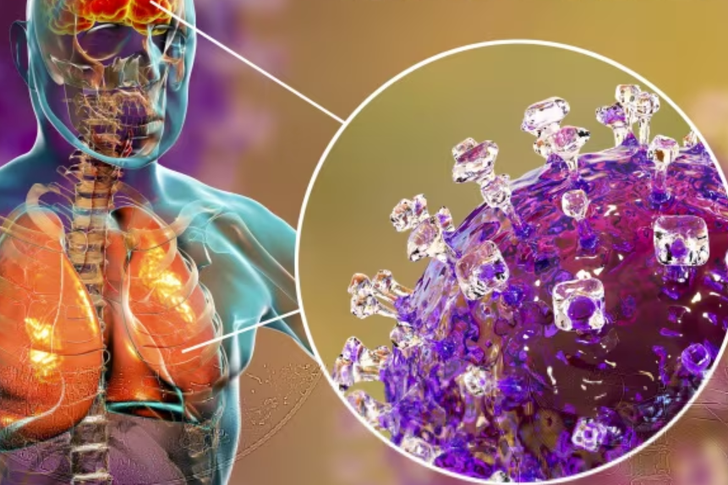
Dy raste të virusit vdekjeprurës Nipah në Indi kanë bërë q...
A new scientific study suggests that a very simple change ...

Even if we get enough sleep, many people wake up feeling t...

Një studim thotë se pirja e tepërt e alkoolit rrit rreziku...

Rudolph E. Tanzi, a professor of neurology at Harvard and ...
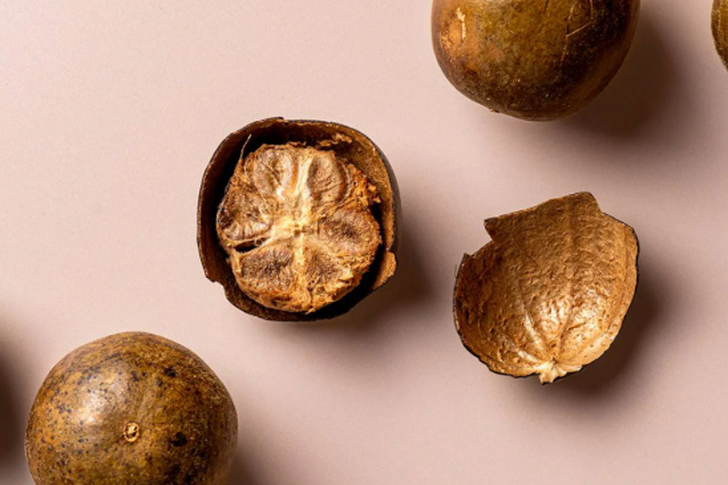
Monk fruit is another name for Luo Han Guo, a tropical fru...

During the winter, many of us notice that our food craving...
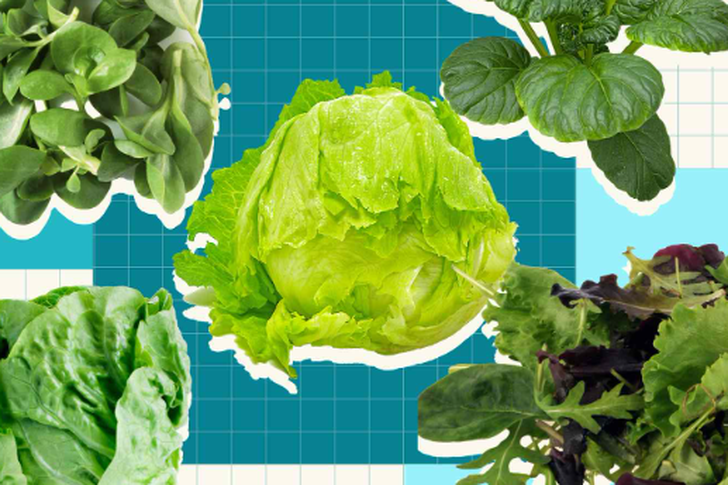
When we talk about the connection between food and long-te...

The case addressed this Wednesday, June 3, on the show "St...

The show "Stop" broadcast this Wednesday, June 3, the case...

Irfan Hysenbelliu claims to be a big businessman, an hones...
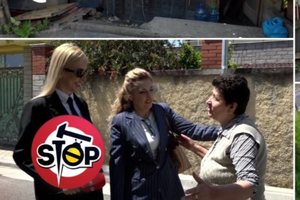
The show "Stop" dealt with a denunciation case this Tuesda...

The Special Board of Appeal (KPA) decided this Monday ...

The KPA vetting decided this Thursday to dismiss the p...

Suela Salavaçi, a prosecutor in the Prosecutor's Offic...

The Special Board of Appeal reinstated the prosecutor ...

A road accident occurred this evening on the Tirana-Durres...

Policia e Lezhës ka dalë me reagim zyrtar lidhur me ngjarj...
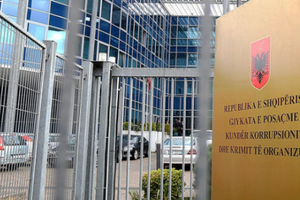
The Special Court against Corruption and Organized Crime h...
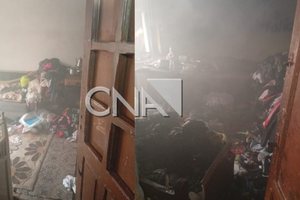
Një banesë është përfshirë nga flakët në lagjen nr. 4 në q...
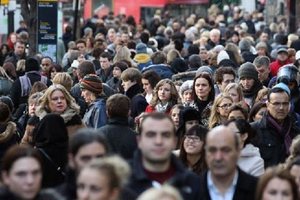
Albania is facing an unprecedented demographic transition,...

On Thursday, our country will be affected by unstable weat...
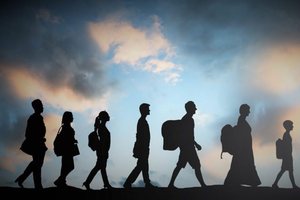
An alarming figure of more than 166.4 thousand Albanians a...

The weather today will be mostly clear and temperatures wi...

United States President Donald Trump announced in a post o...
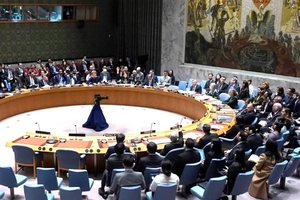
Asambleja e Përgjithshme e Kombet e Bashkuara ka përfundua...
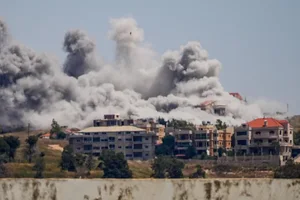
At least nine people have been killed in Israeli airstrike...

A serious incident has occurred in Bakersfield, California...

Korça is ready to open the summer season with one of the c...

Two years after his passing, the renowned Korçë poet Skënd...

The Ethnographic Museum of Berat has opened its doors to v...
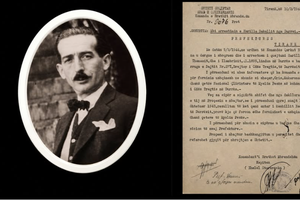
The story of Harilla Bakalli is one of the most chilling t...

Today, in the foreign exchange market, one US dollar is bo...

The Minister of Finance, Petrit Malaj, announced today a n...

Guvernatori i Bankës së Shqipërisë, Gent Sejko, priti m...
Today, in the foreign exchange market, one US dollar is bo...