


What happens to frozen eggs and embryos when they are no longer needed?
While fertility treatments are on the rise, fragmented leg...



A type of bacteria found in a Romanian ice cave is resistant to ten modern antibiotics, according to a new study.
Frozen bacteria kept for 5,000 years in an underground cave have been found to be resistant to modern antibiotics, researchers say.
In the depths of Scarisoara Cave, one of the largest ice caves in Romania, preserved under a 5,000-year-old layer of ice, scientists discovered a strain of Psychrobacter SC65A.3 – bacteria resistant to modern antibiotics.
Bacteria can survive for thousands of years in extreme conditions: under ancient ice sheets, in permafrost, under the sea, or in glacial lakes.
These bacteria play by their own rules, adapting for survival and sustainability over time.
Now, Romanian researchers have discovered that SC65A.3 strains of Psychrobacter - bacteria adapted to cold environments - are resistant to 10 modern antibiotics from 8 different classes.
"The bacterial strain Psychrobacter SC65A.3 isolated from the Scarisoara Ice Cave, despite its ancient origin, shows resistance to many modern antibiotics and carries over 100 genes associated with resistance," said Cristina Purcarea, author of the study and scientist at the Institute of Biology in Bucharest of the Romanian Academy.
The cave's ice block measures 100,000 cubic meters and is approximately 13,000 years old - making it the largest and oldest underground ice block.
The research team drilled an ice cube 25 meters from the area of ??the cave known as the Great Hall. By analyzing ice fragments from this part of the cave, they isolated different bacterial species and sequenced their genomes to determine which genes allow these species to survive in low temperatures and which ones give them antimicrobial resistance.
Purcarea added that the antibiotics to which they found resistance are widely used in oral and injectable therapies used to treat numerous serious bacterial infections in clinical practice, such as tuberculosis, colitis and urinary tract infections (UTIs).
Previous studies have analyzed other types of Psychrobacter bacteria, mainly for their biotechnological potential, but the antibiotic resistance profiles of these bacteria are largely unknown, the study noted.
“The study of microbes such as Psychrobacter SC65A.3 extracted from millennial cave ice deposits reveals how antibiotic resistance evolved naturally in the environment, long before modern antibiotics were ever used,” Purcarea said.
While antimicrobial resistance is a natural phenomenon, it has been accelerated by chronic antibiotic use, driving the diversification and spread of antibiotic resistance genes, the researchers noted.
The results, published in Frontiers in Microbiology, revealed that, with 20 percent of the Earth's surface comprising frozen habitats and low temperatures characterizing much of the biosphere, understanding cold-adapted microbes is increasingly critical amid rapid climate change.
Antimicrobial resistance (AMR) causes millions of deaths each year worldwide. In Europe, it is estimated to be the cause of over 35,000 deaths each year - a number that is expected to increase in the coming years.
A small number of factors have created the perfect environment for AMR across the region, the European Centre for Disease Prevention and Control (ECDC) said last year.
Europe's aging population is more vulnerable to infections, drug-resistant pathogens are spreading across borders, doctors and patients are overusing antibiotic medications, and there are critical gaps in infection prevention and control efforts.
One in six bacterial infections worldwide is now resistant to standard treatments, according to the World Health Organization (WHO)./ CNA

While fertility treatments are on the rise, fragmented leg...

Të njohura edhe si legume, bishtajoret janë farat e ngrëns...

Kafeina mbron shëndetin e trurit. Kështu thuhet në një stu...
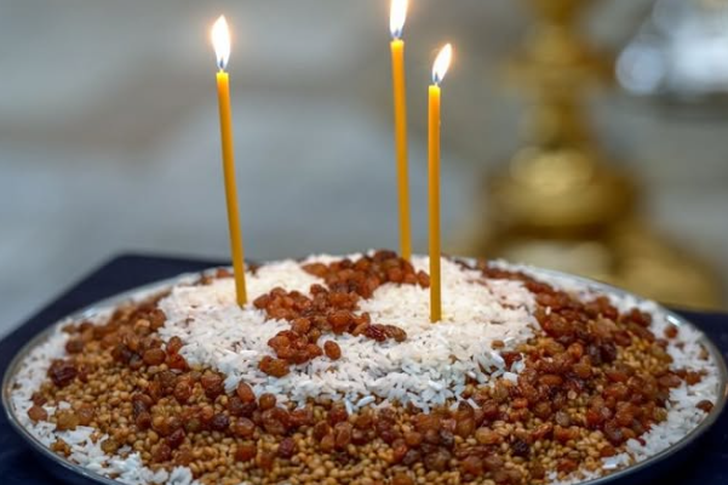
Tomorrow marks "Saturday of Souls" for Orthodox believers....

Bloating after meals and swollen feet during hot days have...

Have you ever found yourself tossing and turning on a warm...

Traffic noise has become the obligatory soundtrack of urba...

Scientists have identified a new pathway that could help s...

We usually associate winter with cold, rain, illness, and ...

Although fruits are healthy, some of them contain a lot of...

The flu is hitting the US hard this season, and experts wa...

In new research, something previously thought is being cha...

A study published in Neurology Open Access found that foll...

Nearly four out of every ten new cancer cases worldwide co...

Quality sleep is important for our well-being, but not eve...

People are often told that eating well, exercising, and av...

After recent heavy snowstorms, freezing temperatures conti...

Certain types of foods help maintain a healthy gut, focusi...

Health and overall well-being should be the main goal for ...

Researchers from the Harvard TH Chan School of Public Heal...

The case addressed this Wednesday, June 3, on the show "St...

The show "Stop" broadcast this Wednesday, June 3, the case...

Irfan Hysenbelliu claims to be a big businessman, an hones...

The show "Stop" dealt with a denunciation case this Tuesda...

The Special Board of Appeal (KPA) decided this Monday ...

The KPA vetting decided this Thursday to dismiss the p...

Suela Salavaçi, a prosecutor in the Prosecutor's Offic...

The Special Board of Appeal reinstated the prosecutor ...

A road accident occurred this evening on the Tirana-Durres...

Policia e Lezhës ka dalë me reagim zyrtar lidhur me ngjarj...

The Special Court against Corruption and Organized Crime h...

Një banesë është përfshirë nga flakët në lagjen nr. 4 në q...

Albania is facing an unprecedented demographic transition,...
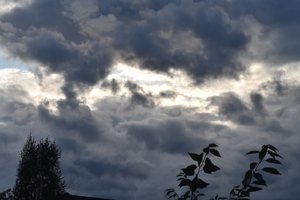
On Thursday, our country will be affected by unstable weat...

An alarming figure of more than 166.4 thousand Albanians a...
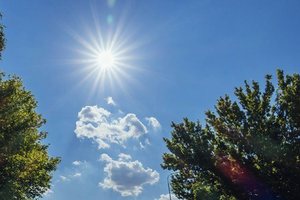
The weather today will be mostly clear and temperatures wi...

Israel and Lebanon have agreed to renew their fragile ceas...

United States President Donald Trump announced in a post o...
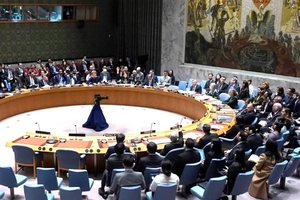
Asambleja e Përgjithshme e Kombet e Bashkuara ka përfundua...
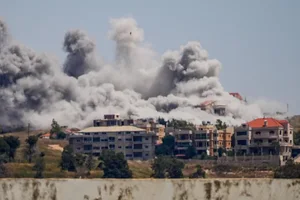
At least nine people have been killed in Israeli airstrike...

Korça is ready to open the summer season with one of the c...

Two years after his passing, the renowned Korçë poet Skënd...
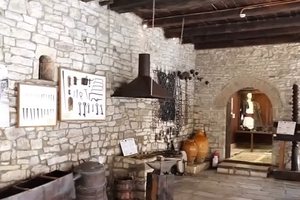
The Ethnographic Museum of Berat has opened its doors to v...
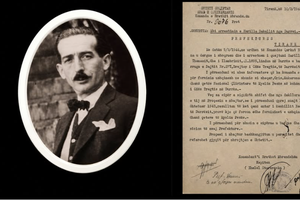
The story of Harilla Bakalli is one of the most chilling t...

Today, in the foreign exchange market, one US dollar is bo...

The Minister of Finance, Petrit Malaj, announced today a n...

Guvernatori i Bankës së Shqipërisë, Gent Sejko, priti m...
Today, in the foreign exchange market, one US dollar is bo...