

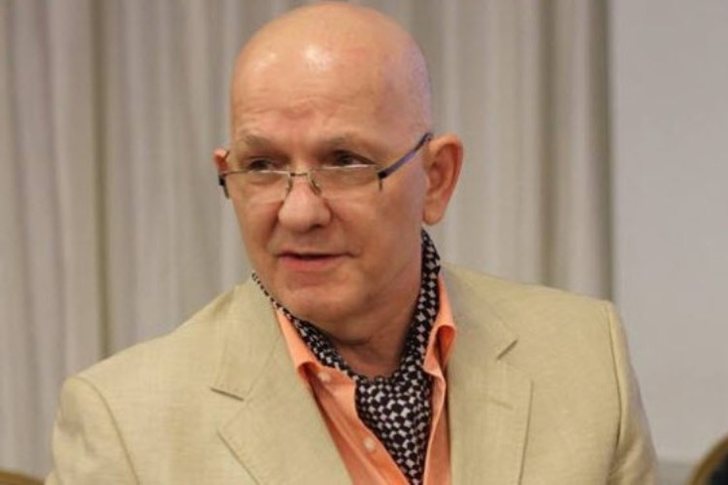
Progress Kabo, message of consolation/ "You broke my soul brother Agim Rada, you are a rare artist"
Professor Përparim Kabo has given a message of condolence ...


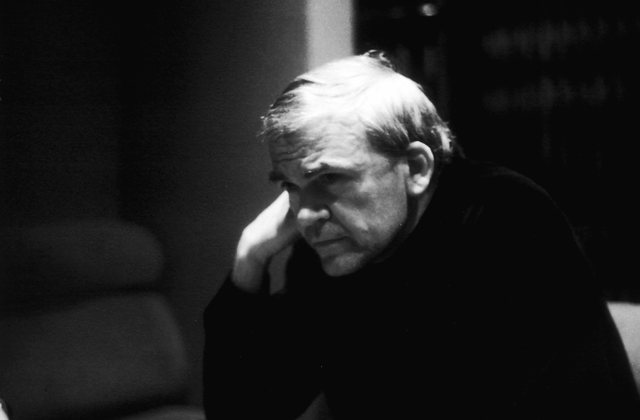
Milan Kundera had the controversial fortune of experiencing what looked like a historic victory for his defense of the individual against the state, only to see his life's work turn shocking again before his death on Tuesday at the age of 94. The fact that Kundera, and more broadly the second generation of dissident writers from the Soviet bloc, never won the Nobel Prize for Literature is a blemish on this award, which always carries less weight.
But it also hints at why Kundera's work will continue to be read. The reasons for the Nobel Committee's disregard, which occurred at the height of the prize's geopolitical if not literary importance, are not difficult to understand. The most obvious: Kundera was never particularly interested or engaged in politics.
Rather, his works represented a passionate defense of the right to pursue one's own desires and lusts against bureaucratic maniacs of any kind who wished to colonize individual experience in the name of the state.
To his critics on both the right and the left, Kundera's attitude was almost immoral, not to say that of a hopeless bourgeois. While the left preferred Che Guevara and the right Solzhenitsyn, Kundera insisted on the human right to be left alone.
As much as Cold War ideologues considered Kundera's anti-politics bourgeois, there were even many writers and critics who objected to the quality of his prose. The intense musicality of his sentences could seem like an artifact of a literary phase that had passed. His world-class talent for aphorisms could seem equally dated, a mundane drawing-room babble that impresses freshmen: “There is no perfection, only life” (The Unbearable Lightness of Being); "To laugh means to live deeply" (The Book of Laughter and Forgetting). It objectified women, in a way that became increasingly detached from dominant Anglo-Saxon sensibilities.
Surely the world had better things to do with its time than indulge in the whims of the next senile writer. Kundera himself never saw himself as a political man, as a moralist, a liberal, a conservative, or as some author of texts whose greatest destiny was to become a film scriptwriter.
He was just a novelist. For him, the novel was the highest form of aesthetic endeavour, a kind of anti-writing that represented the sensibility of the individual, containing “a point of view, a wisdom, a position; a position that would exclude identification with any politics, any religion, any ideology, any moral doctrine and any grouping”.
The faith he placed in the novel as a compass that could be used to negotiate life's big issues might seem hopeless and outdated. However, if you don't believe that, why bother writing a novel? When he chose to write his later books in French, Kundera accomplished the almost miraculous feat of being expressive in a second or third language on a world level.
This put him on a par with Vladimir Nabokov. The French revered him, protecting his privacy and appreciating his uncompromising defense of individual aesthetics at a point in history when other Western literary cultures had ceased to take novels too seriously.
It is a fact that Kundera's most significant novel, The Joke, first published in 1967 in Czech, would have a hard time getting published in London or New York today. The novel tells the story of a Prague university student named Ludvik, whose life is destroyed by a single, inappropriate joke mocking the progressive politics of a charming female friend who ignored him.
When Ludvik returns to the university after the holidays, he is called before the commissars of ideology who have no sense of humor, and who insist that his words to the girl were offensive. When none of his friends dare to speak for him, he is expelled from school. Sound familiar? Of course yes.
And with decades of cancellation culture under the communist regime, Kundera can tell us what's next. Heartbroken and embittered, Ludvik is expelled from the university and spends the next decades of his life harboring a deep grudge against those who wronged him and plotting his revenge.
Maintaining a particular disdain for a state official named Zemanek, who actively pushed for Ludvik's expulsion from the university, he returns to Prague and even enters into an intimate relationship with Zemanek's wife. But even this fails to give Ludvik the compensation he was hoping for.
Instead, there is a heart-to-heart meeting at the end with Zemanek, who seems to have no memory of their shared history. Ludvik comes to the conclusion that holding on to bitterness over the past is futile, and that he must come to terms with the idea that he will never right the wrongs that have befallen him.
The idea that the act of oblivion unites perpetrators and victims in the common quest for survival is both humanistic and deeply unsatisfying to moralists who prefer heroes who win and villains who ultimately receive the punishment they deserve.
But such endings meant little to people in places like Czechoslovakia, where learning to live with injustice and defeat was a geographic requirement. He deepened his exploration of the theme of oblivion in the novel "The Unbearable Lightness of Being".
Published in 1984 in French and set during the Prague Spring in 1968, a surgeon named Tomas is trapped in a love triangle with his wife, Teresa, a dissident photojournalist, and his favorite girlfriend, a painter named Sabina.
Tereza is a difficult character, while Sabina is simple. He finds release in sex and the act of betrayal. Frightened by the political terror, the dangers Tereza faces and the absurdity of his existence, Tomas flees with her and their dog Karen to Zurich, Switzerland.
When the homesick Tereza leaves Tomas and returns to Prague with Karen, Tomas becomes depressed and turns back, as they are blacklisted in their country. After moving to live in a village, Tomas abandons his job and his girlfriends and rediscovers his love for Tereza.
In a touching scene at the end of the novel, Karenin is stricken with a tumor and dies on the operating table while smiling at her owners. What was perhaps most shocking to sophisticated readers after the post-modernist games of The Book of Laughter and Forgetting was Kundera's determination in this book to tell a Tolstoian-existentialist love story without reference to either God or politics.
In fact, our lives have meaning, Kundera insisted, only if we decide to make it so. For some, Kundera's erotic philosophy was compelling. For others, it was a retrograde abandonment of art and life. It is clear that Kundera himself leans towards Teresa and Sabina, which gave the novel its strength.
There are readers and critics who appreciated Kundera's 1990s novels, starting with "Immortality", as the end of a trilogy consisting of his 2 previous novels and "Slowness" as his masterpiece. I am not among them. Such estimates seem inflated to me.
In a sense, I understand that Kundera's genius has become a victim of history itself. After the Eastern Bloc collapsed, the author inevitably lost touch with the driving necessity to extract human meaning from the cruel logic of totalitarian systems of total control, which had been replaced by an eternal peace created by bourgeois liberal individualism.
Alas, the paradise that cemented Kundera's art has turned out to be as illusory as the acts of remembering and forgetting in his literary fiction can be. Thankfully, we have Kundera's masterpieces as a guide to the world both new and old, in which people in the West increasingly find themselves embracing the lack of freedoms in the East, in what is arguably one of history's greatest jokes. A joke, which the novelist Kundera would have delivered with a liberating irony./ Adapted from CNA

Professor Përparim Kabo has given a message of condolence ...

The well-known sculptor, Agim Rada, has passed away at the...
The "Feast of Shipshan" received the surname "the Great" r...
After an eight-year absence, the 11th edition of the Natio...

When I was told that my cousin Annie was involved with a mar...
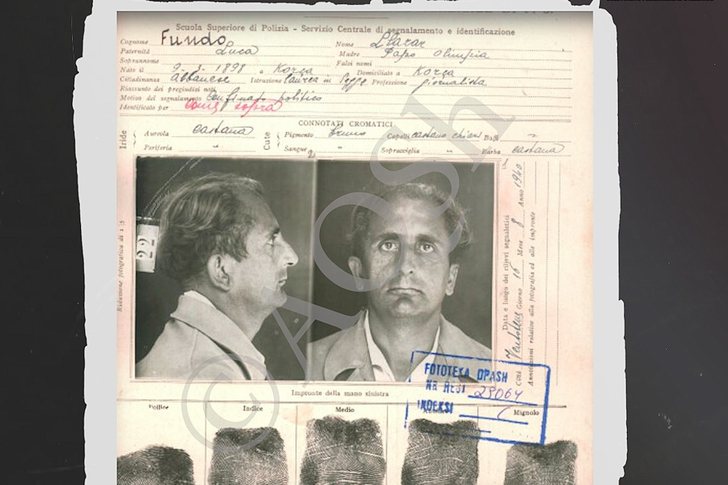
The General Directorate of Archives has published a fact a...
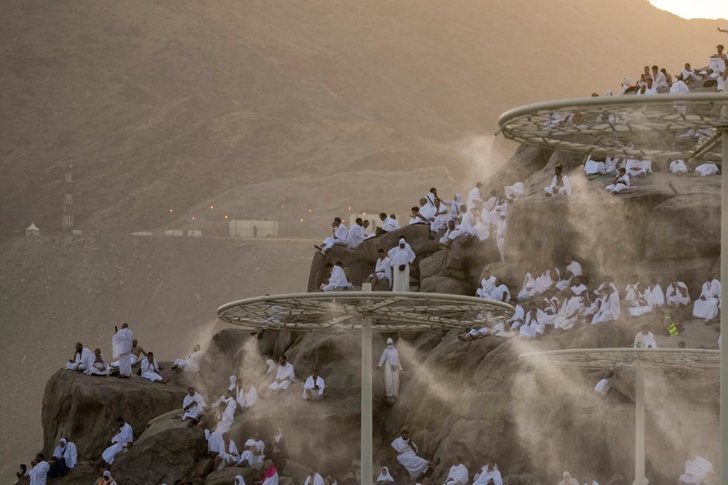
ARAFAT, Saudi Arabia – They come in the dark of night, by ...
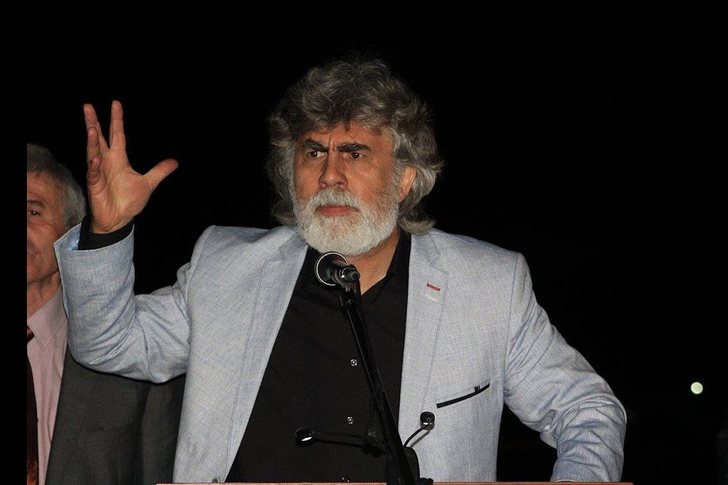
Anastas Nika, the well-known Albanian actor and direct...
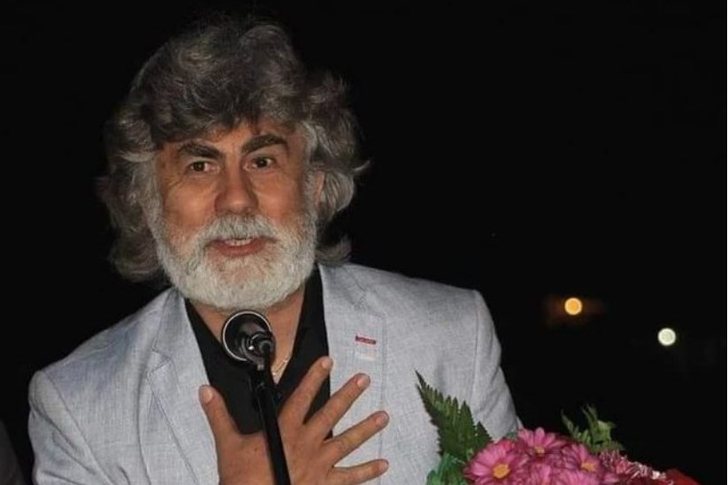
The well-known actor and director, Anastas Nika, has p...
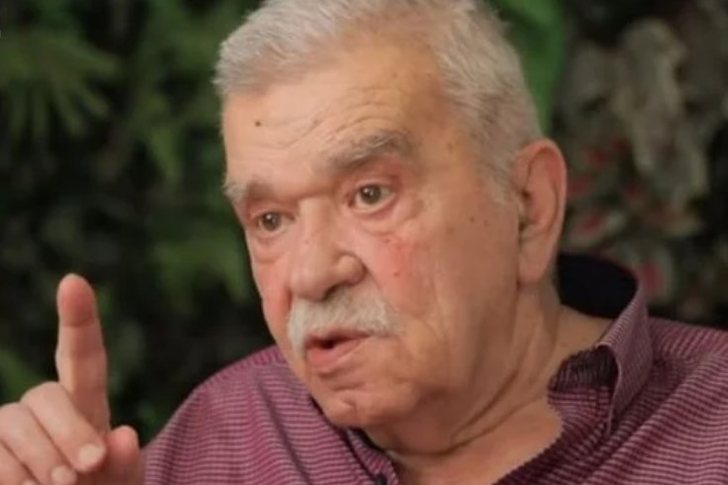
Robert Ndrenika's involvement in politics in the 90s has b...
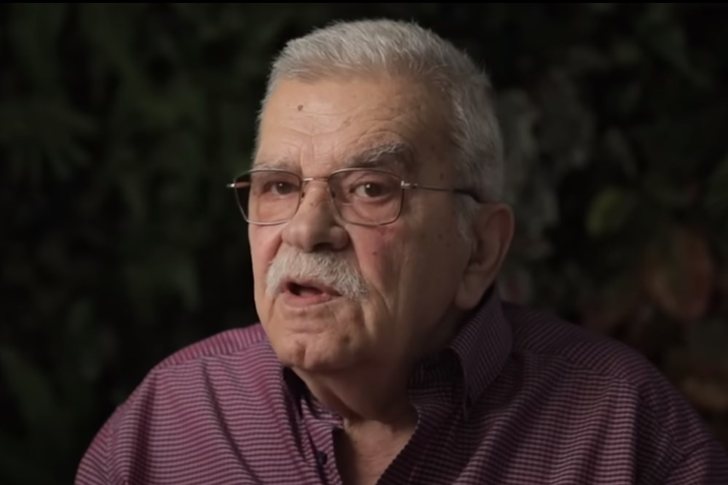
Robert Ndrenika, icon of cinematography and theater in Alb...
The operator of Albanian films and documentaries, Pëllumb ...
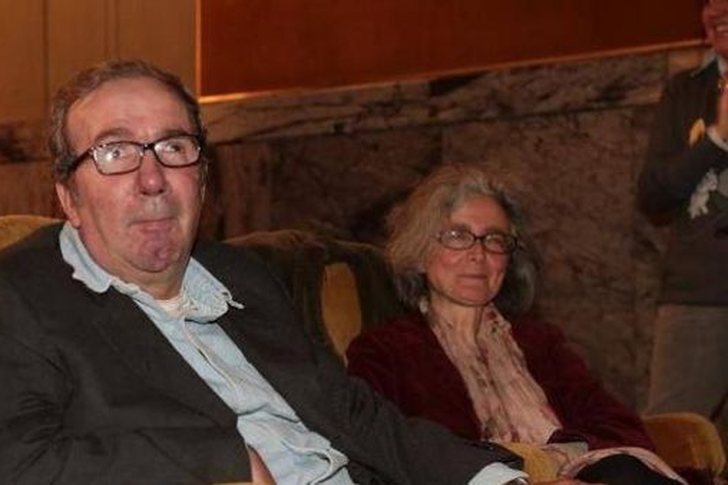
Today, the world of art lost the famous Italian director a...
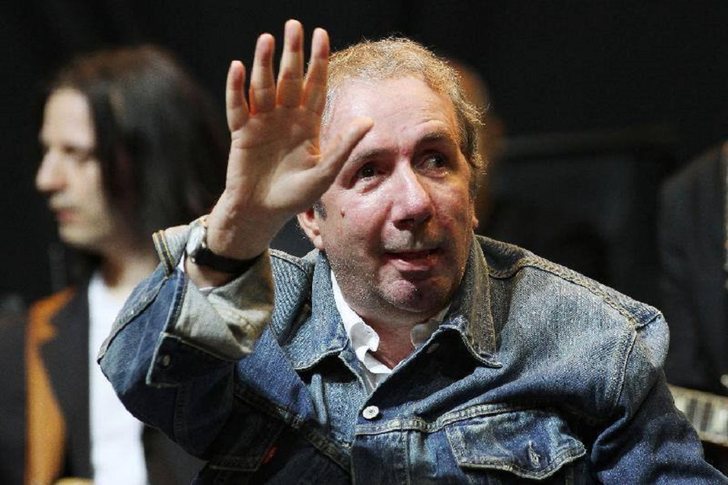
The actor and director, Francesco Nuti, passed away this m...

The first public presentation of the large spelling dictio...
Today in Albania there is no chance to find traces of the ...
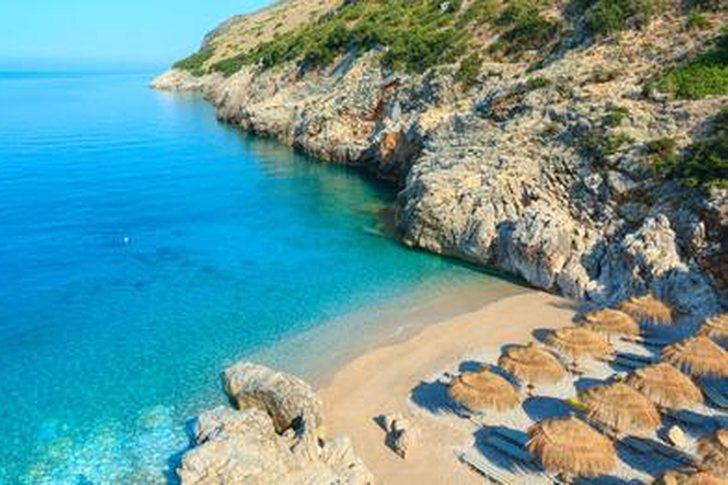
The prestigious media "National Geographic" has promoted A...
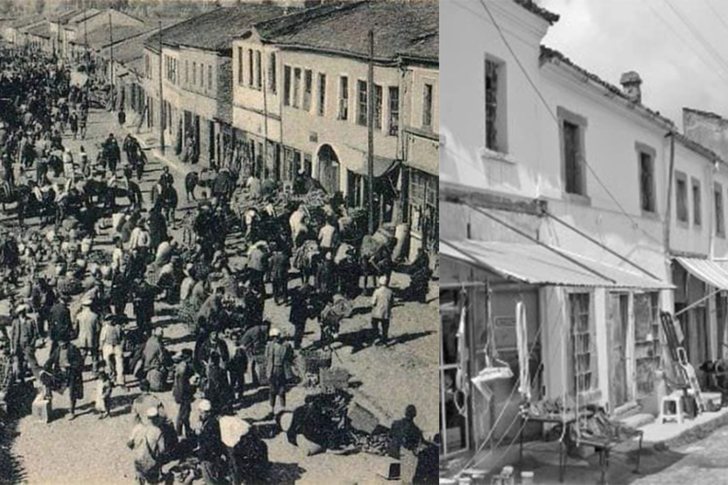
Viron Prodani brings to the readers' attention the history...
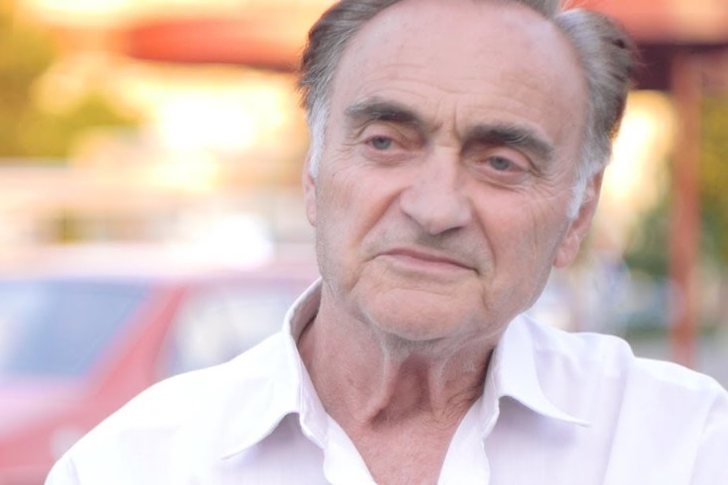
Today, the great theater actor, Zhani Zicishti, celebrates...
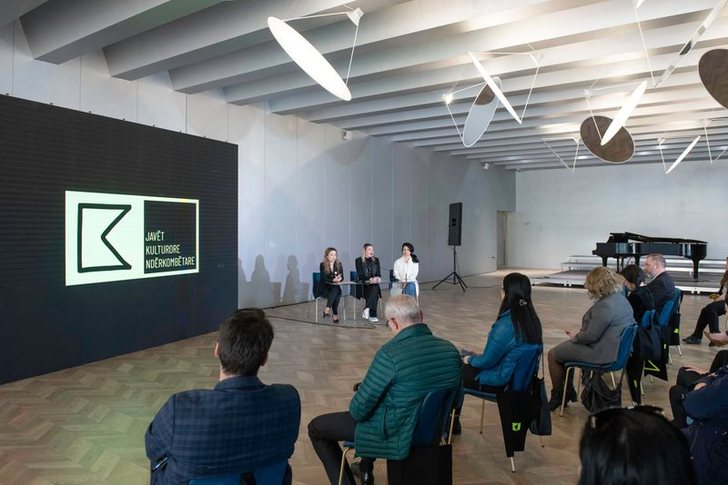
Në kuadër të nismës së Ministrisë së Kulturës, “Javët Kult...

CNA has launched another investigation that could lead to ...

Irfan Hysenbelliu is a businessman that we call "Irfan the...

In March 2026, CNA launched another investigation centered...
The arrested mayor of Tirana, Erion Veliaj, with 13 charge...

The Special Board of Appeal (KPA) decided this Monday ...

The KPA vetting decided this Thursday to dismiss the p...

Suela Salavaçi, a prosecutor in the Prosecutor's Offic...

The Special Board of Appeal reinstated the prosecutor ...
A road accident occurred this evening on Nikolla Zoraqi St...
Three people were shot and wounded in Elbasan last night b...
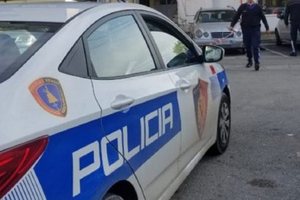
A serious incident occurred this Tuesday in the Yrshek are...

An accident occurred this Tuesday on "Dituria" street in K...
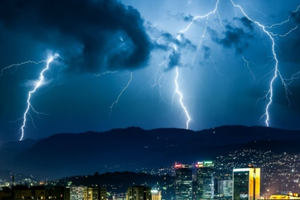
All of Southern Europe will face changing weather conditio...

Albania was hit by temperatures significantly higher than ...
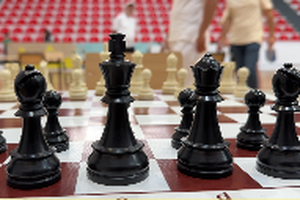
For the first time, Pogradec welcomed the Inter-Lake Chess...

Albania has achieved a record for the employment of foreig...

US Secretary of State Marco Rubio arrived in Manila on Jul...
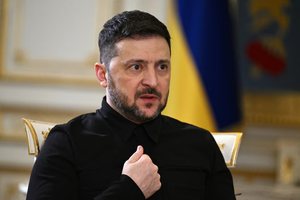
In the space of a few days, Ukrainian President Volodymyr ...
The spokesman for the Iranian Foreign Ministry warned Bulg...

Autoritetet italiane sekuestruan pako me afër 800 kilogram...

At a time when industrial products are increasingly taking...

Trust among people is not just a three-syllable word. It c...

Master of humor Todi Llupi has passed away at the age of 7...

The ninth edition of "MIK Festival" kicked off with one of...

Construction company licenses will have a validity period ...

The Centralized Purchasing Operator recently opened a tend...
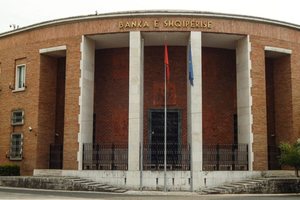
The new draft law "On the Bank of Albania" provides that t...

This Tuesday, one US dollar is bought for 81.2 lek and sol...