

Exchange rate, June 5, 2026
This Friday, one US dollar is bought for 81.3 lek and sold...


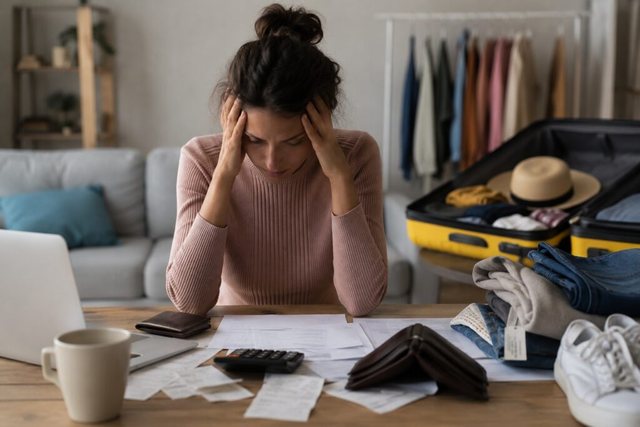
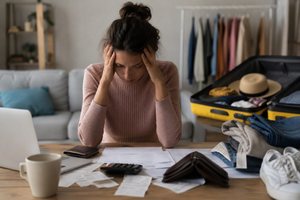
Albania is the country with the highest level of severe material and social deprivation in Europe, according to the latest Eurostat data for 2024.
The indicator measures the percentage of the population that cannot afford at least 7 out of 13 goods, services, or activities considered necessary for an adequate standard of living.
These include paying rent and bills, meeting unexpected expenses, regularly consuming meat or fish, a week's vacation away from home, owning a vehicle, replacing worn-out furniture, buying new clothes and shoes, being able to spend a small amount on yourself, participating in social activities, and accessing the internet.
Data show that around 35% of the population in Albania (34.8%) lived in conditions of severe material and social deprivation in 2024, the highest level in Europe.
The figures show that the gap between Albania and the European Union countries remains very large. The EU average was around 6.3% in 2024, about five times lower than the level recorded in Albania.
Albanians are very deprived not only in relation to EU countries, but also in comparison to other countries in the region. North Macedonia has material deprivation at the level of 11.6%, Serbia 10.3% and the indicator is slightly higher in Montenegro, at 12.3%. There is no data for Bosnia and Herzegovina and Kosovo.
Compared to previous years, the rate of material deprivation has decreased (in 2018, the indicator was almost 46%), but it still remains at least twice as high and second only to us.
Fewer Europeans in difficulty than a decade ago
At the European Union level, the number of people living in conditions of severe material and social deprivation has fallen from around 41 million in 2015 to 27.5 million in 2024.
On average in the EU, about 6.3% of the population exhibits a high level of material deprivation, with the leading countries being Romania (16.8%), Greece (14.9%), Bulgaria (15%) and the lowest level being in Poland (2%), the Netherlands (2.6%), Austria (2.9%), and the Czech Republic (2.6%).
How is the material deprivation indicator measured?
The material deprivation indicator, according to Eurostat's definition, measures the enforced lack of certain elements that are considered necessary and desirable for a decent life.
It measures the percentage of the population that cannot afford at least 7 of the following 13 elements:
-payment of rent, bills, installments of deferred purchases or installments of other loans;
-keeping the apartment warm enough;
-coping with unexpected expenses;
-consumption of meat, chicken, fish or vegetarian alternatives every other day;
-a week's vacation away from home;
-access to a car or van for personal use;
-replacement of worn-out furniture;
-replacing worn-out clothes with new ones;
-owning two pairs of suitable shoes;
-spending a small amount of money each week on yourself;
-participation in regular recreational activities;
-meeting with friends or family for a drink or meal at least once a month;
-internet connection.
Elements 1 to 7 relate to the family level, while elements 8 to 13 relate to the individual level./ Monitor

This Friday, one US dollar is bought for 81.3 lek and sold...
The government aims to transform the country's industrial ...
Kursi i këmbimit të euros me lekun ka rënë më tej këtë jav...
Profit margins in the construction sector have increased s...
The Transparency Board, at its meeting today, decided to i...
Today, in the foreign exchange market, one US dollar is bo...
The Minister of Finance, Petrit Malaj, announced today a n...
Guvernatori i Bankës së Shqipërisë, Gent Sejko, priti m...
Today, in the foreign exchange market, one US dollar is bo...
DP MP Igli Cara has submitted to the Parliament a draf...
Annual inflation in the Eurozone rose to 3.2% in May, from...
The Transparency Board on June 2, 2026, at its next meetin...
This Tuesday, one US dollar is bought for 81.4 lek and sol...
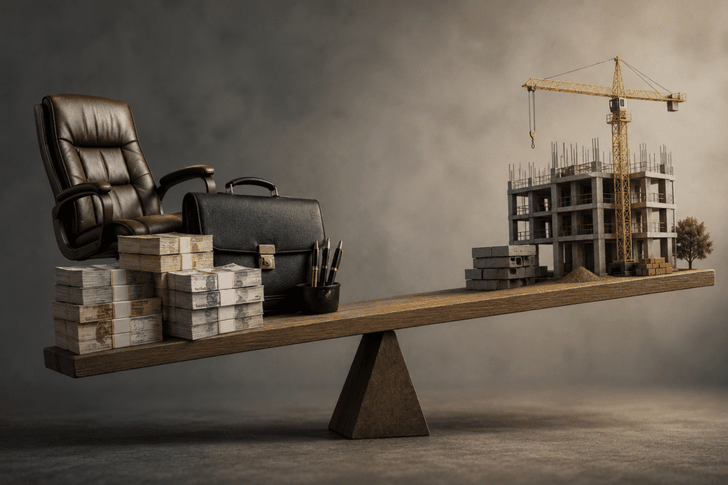
Albania has great needs for new investments, especially in...
This Monday, one US dollar is bought for 81.4 lek and sold...
The Western Balkan countries have made strides in increasi...
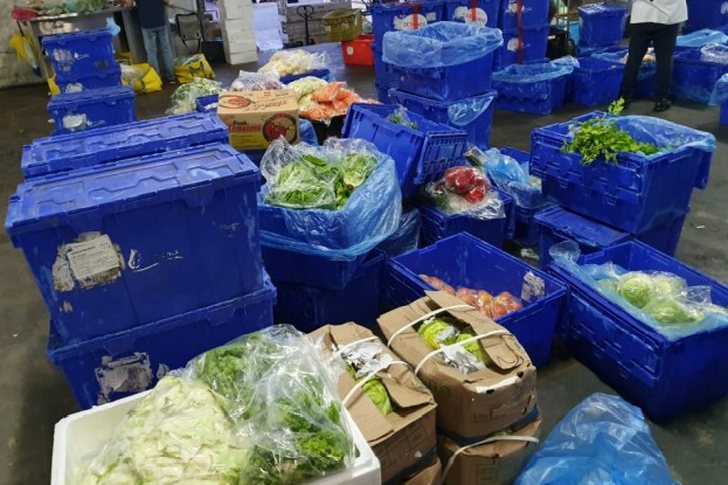
Food items experienced a significant increase in imports f...
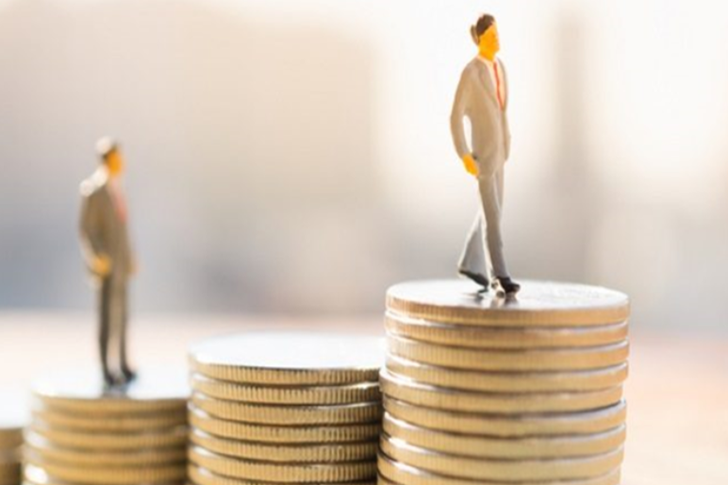
In Albania, an employee receives an average of 10.3 thousa...
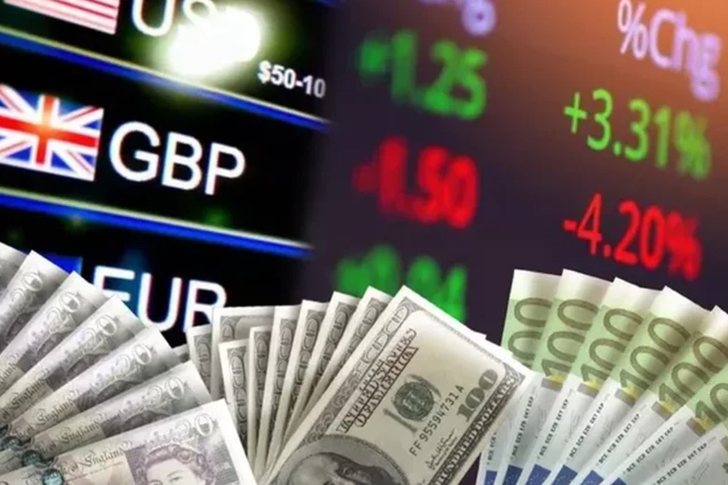
This week, one US dollar is bought for 81.3 lek and sold f...
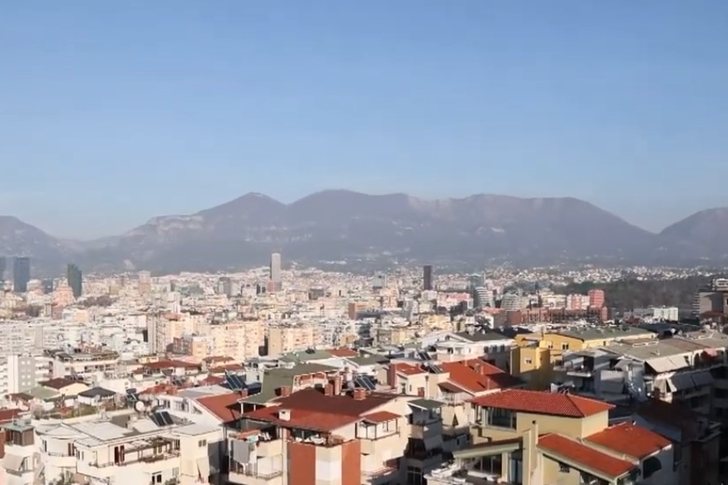
The construction sector in Albania is experiencing new mom...
The next case broadcast on the show "Stop", this Thursday,...
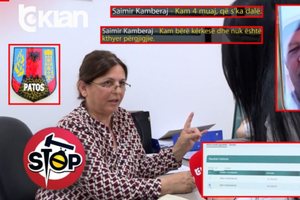
The case published this Thursday, June 4, on the show "Sto...
The protests of recent days related to the situation in Zv...
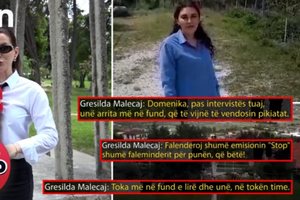
The case addressed this Wednesday, June 3, on the show "St...

The Special Board of Appeal (KPA) decided this Monday ...

The KPA vetting decided this Thursday to dismiss the p...

Suela Salavaçi, a prosecutor in the Prosecutor's Offic...

The Special Board of Appeal reinstated the prosecutor ...

A money changer in Durrës lost 60 thousand euros after bei...
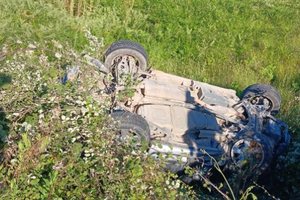
A serious accident occurred on the Kardhiq-Delvinë axis, i...
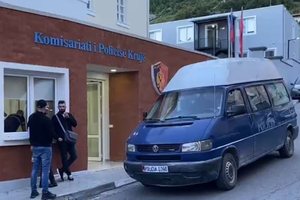
Authorities have conducted a large-scale anti-drug operati...
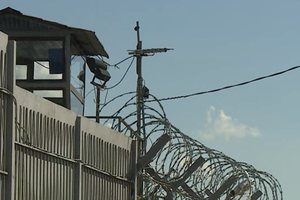
A convict was found dead today in the premises of the Pris...
Today our country will be affected by stable weather condi...

For many children and teenagers, the long summer holidays ...
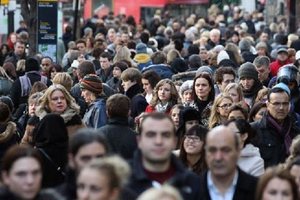
Albania is facing an unprecedented demographic transition,...
On Thursday, our country will be affected by unstable weat...

Russian President Vladimir Putin said the war in Ukraine c...
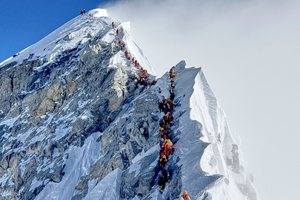
An extraordinary story of survival has been recorded in Ne...
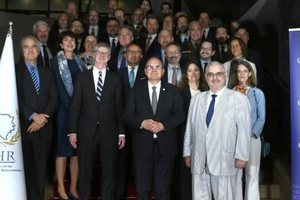
The Peace Implementation Council in Bosnia and Herzegovina...
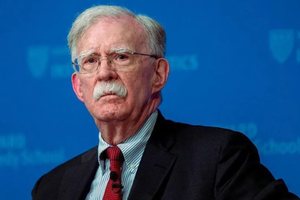
John Bolton, the former national security adviser to US Pr...
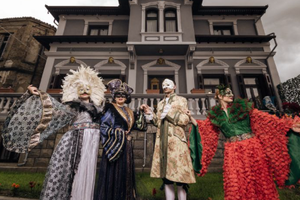
Korça is ready to open the summer season with one of the c...
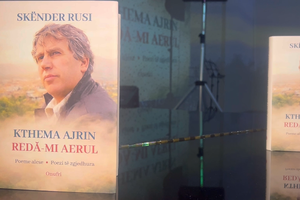
Two years after his passing, the renowned Korçë poet Skënd...
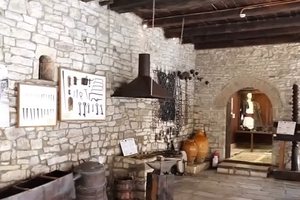
The Ethnographic Museum of Berat has opened its doors to v...
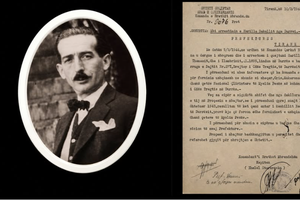
The story of Harilla Bakalli is one of the most chilling t...
Despite years of efforts at regional cooperation and free ...
Albania is the country with the highest level of severe ma...

This Friday, one US dollar is bought for 81.3 lek and sold...
The government aims to transform the country's industrial ...