

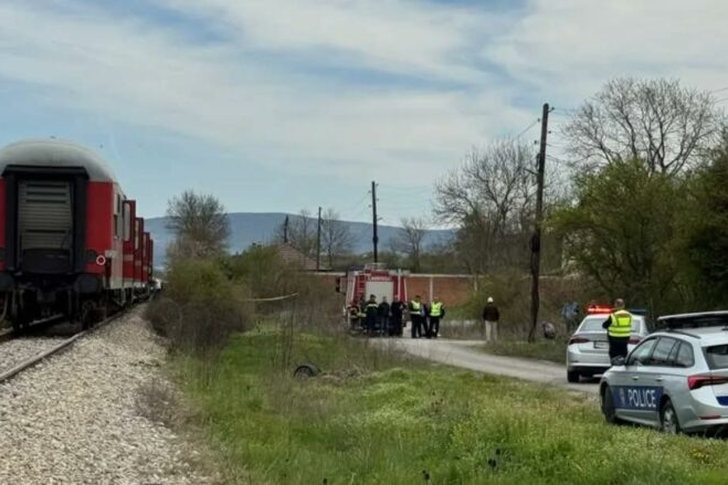
Train collides with car/ One victim and three injured
A serious traffic accident occurred today in the village o...


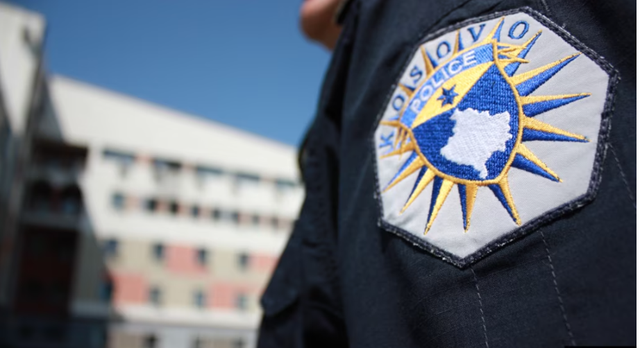
For Major Berati, a member of the Kosovo Police, the weapon is not just part of his job. He considers it an inseparable part of his identity.
He and over 200 other members of the Kosovo Police continue to carry their weapons, although they are on medical leave.
Even though, due to their health condition, they are unable to perform daily police duties and do not go out into the field, they carry their weapons with them.
But do those weapons pose a danger to the police themselves, or to others? Besnik Peci, a clinical psychologist and provider of social and family services, fears that they do.
He emphasizes that, in circumstances where a person faces serious health problems, possession of a weapon should not be allowed, as it can pose a serious risk not only to the individual who holds it, but also to the family and society as a whole.
"In such situations, it is extremely dangerous to allow access to weapons for people who have serious health problems, whether organic, emotional or psychological. I believe that even in the slightest case of suspicion of an emotional or psychological disturbance, the employee should immediately undergo a professional assessment and support," Peci emphasizes.
Despite the risk, so far no incident of the use of firearms by police officers on medical leave has been reported in Kosovo.
Unofficially, sources within the Kosovo Police tell Radio Free Europe that police officers on medical leave are not asked to surrender their weapons, as their supervisors feel sorry for them.
"We understand that they are going through a difficult time and we don't want to put additional pressure on them by taking away something that has great emotional and symbolic value for them," says a police officer.
He acknowledges that there is a risk that the weapon will be used in a harmful manner when an officer's health or psychological condition deteriorates.
Officially, the Kosovo Police has only said that the Directorate of Health Services follows medical recommendations for exemption from the use of weapons and professional equipment only when medical reports indicate that such a thing could be problematic.
"In emergency conditions, when the behavior of a police officer poses a high risk to themselves or others, then the supervisor has the right to temporarily take away the official equipment, the weapon, and contact the psychology sector within the health department," the Kosovo Police said.
The regulation for Kosovo Police operatives stipulates that weapons be taken from police officers when they are suspended, arrested, temporarily suspended from work, for health and psychological reasons, as well as if they fail recertification for the use of weapons.
In Albania, the State Police regulation stipulates that a police officer's weapon is confiscated if he violates the rules for its use, when he is in a criminal proceeding, when it is suspected that he may use it as a tool of crime, or when he fails the test for the use of firearms.
In the US, laws vary from state to state. But earlier this year, three police officers in Detroit, Michigan, had their guns taken away after it was determined they were at risk of harming themselves or others with them. In this case, they were charged with domestic violence.
Clinical psychologist Besnik Peci underlines that a weapon is a work tool and should remain so only as long as the police officer is on active duty.
"The weapon is part of the official duty and responsibilities, but once the service ends, it cannot be treated as personal property. Just as the uniform and official duties are removed upon completion of service, the weapon should be treated in the same way," he concludes.
Berati, like many of his colleagues, has not been asked to surrender his weapon. He says he would not do such a thing even if asked.
"I haven't had it with me except in the hospital, because I carry it everywhere. No one has told me to hand it over. I care a lot about it and, as long as I'm alive, I won't hand it over," he says.
In Kosovo, retired police officers can also request to keep their official weapons after leaving active duty. They would be allowed to keep them if they do not have health problems that would constitute an obstacle.
The retired police officer must first make an application, based on which he is issued a permit to use the weapon for a certain period of time.
However, after the end of this period, he is obliged to adhere to the rules and procedures set forth in the Law on Weapons, just like any other citizen who owns a weapon with a permit.
Under the Weapons Law, any person who is at least 21 years old can request a permit to acquire a weapon.
The applicant must possess psycho-physical abilities and pass the theoretical and practical test for the use of a weapon. He must also have a credible reason for needing a weapon, as well as a clean criminal record.
Last year alone, 25 members of the Kosovo Police lost their lives as a result of serious illnesses. The Kosovo Police are provided with sick leave with full pay and reimbursement for expenses for medical treatments and therapies that cannot be provided in the public sector.
In 2024, the Kosovo Police spent 183 thousand euros to cover the medical expenses of officers with serious illnesses./ REL

A serious traffic accident occurred today in the village o...
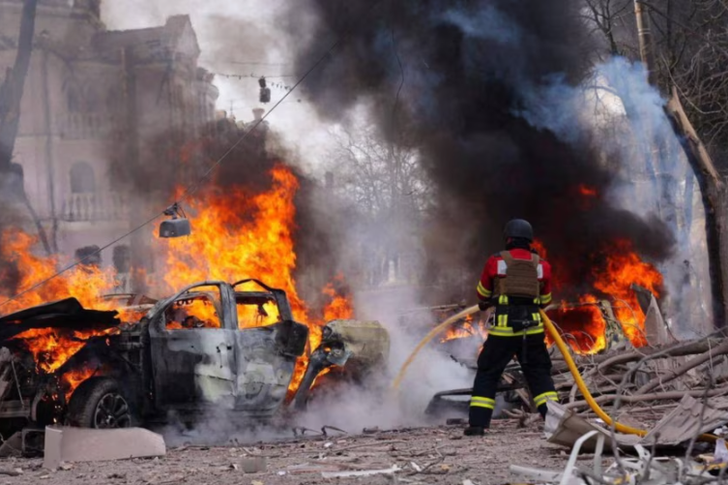
More than 31 people were killed on Sunday by a Russian mis...
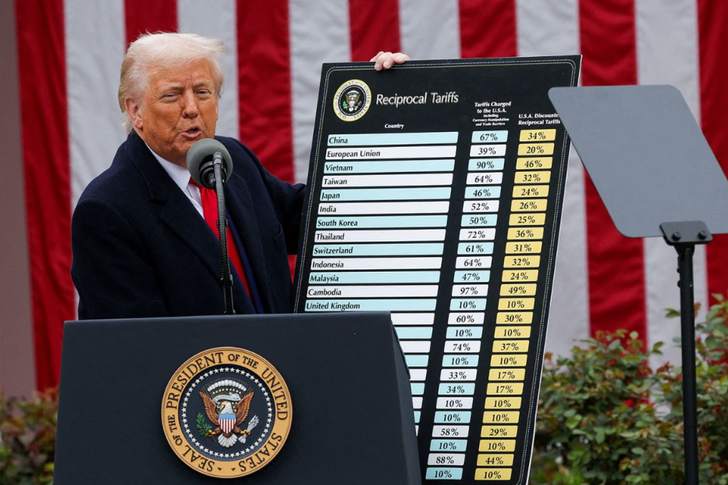
The Trump administration has exempted from the “reciprocal...

Greece's relations with its Turkish neighbors have always ...
Police in North Macedonia have detained two former economy...

The United States and Iran have concluded a first round of...
A bomb planted near the offices of Hellenic Train, Greece'...
The State of Sudan has today recognized the Independence o...

The US administration announced today that it has exempted...
Ukrainian President Volodymyr Zelensky signed a decree on ...
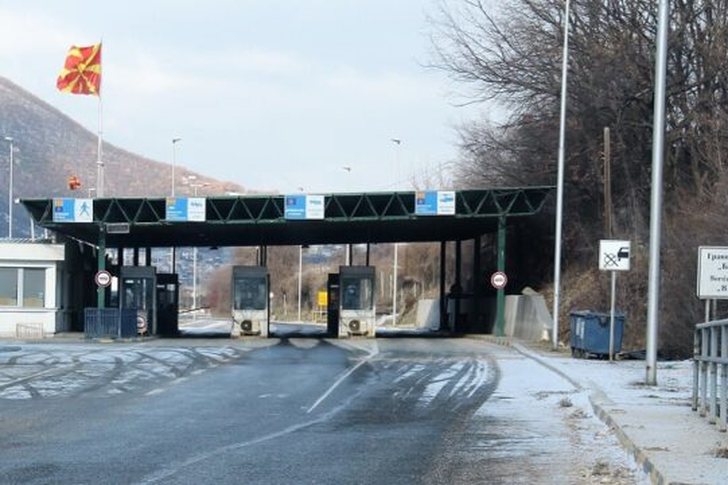
The acting government of Kosovo and the government of Nort...
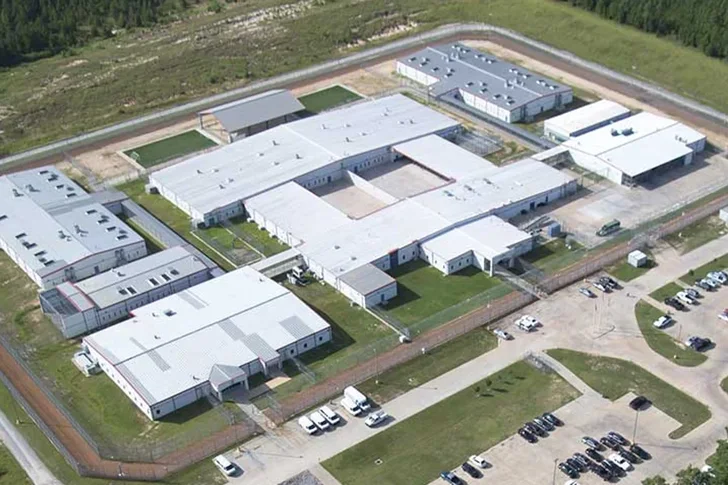
A U.S. immigration judge has ruled to allow the deportatio...
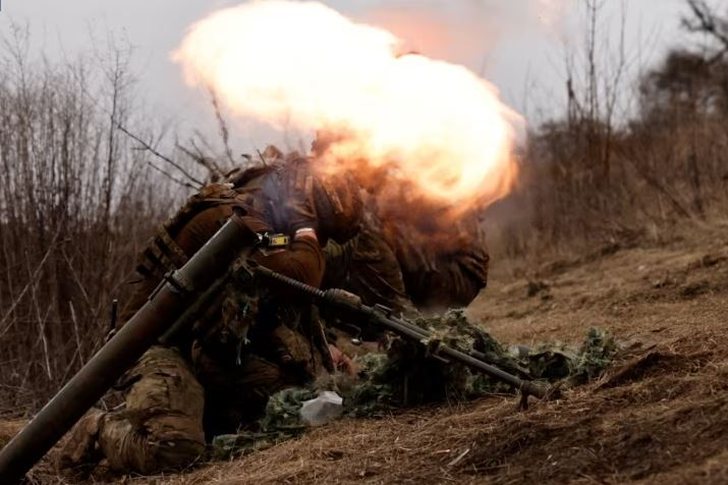
Acting Defense Minister Boris Pistorius (SPD) announced an...
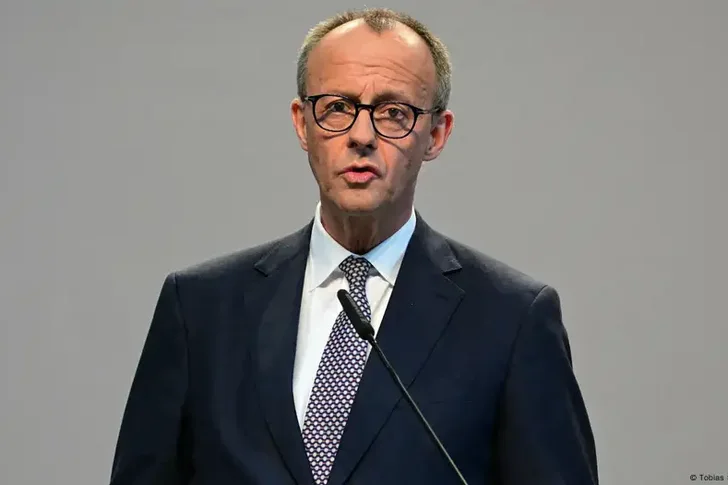
CDU Chairman Friedrich Merz is to be elected as the new Ch...

The United States will hold direct talks with Iran on Apri...
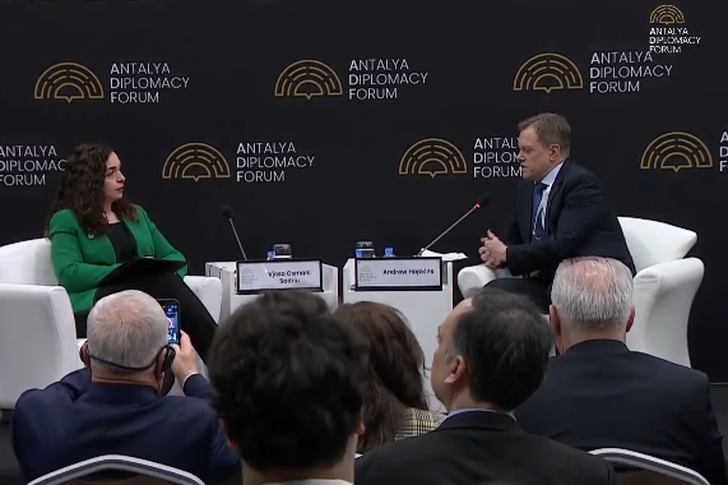
The President of Kosovo, Vjosa Osmani, is on a working vis...
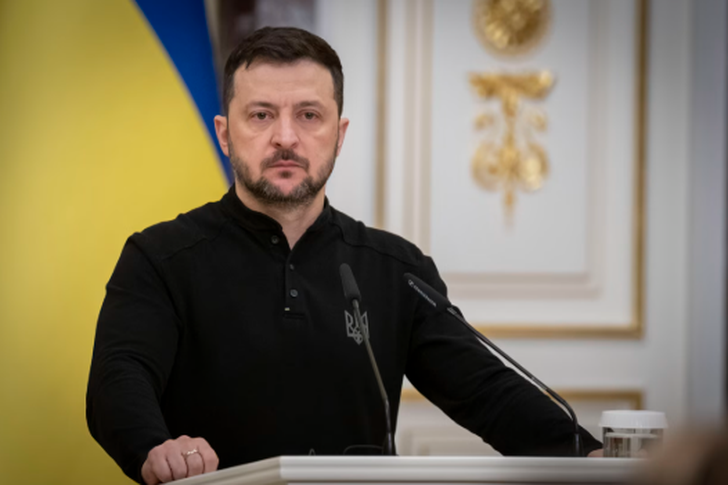
Ukrainian President Volodymyr Zelensky announced today on ...

The Board of the Kosovo Energy Regulatory Office approved ...
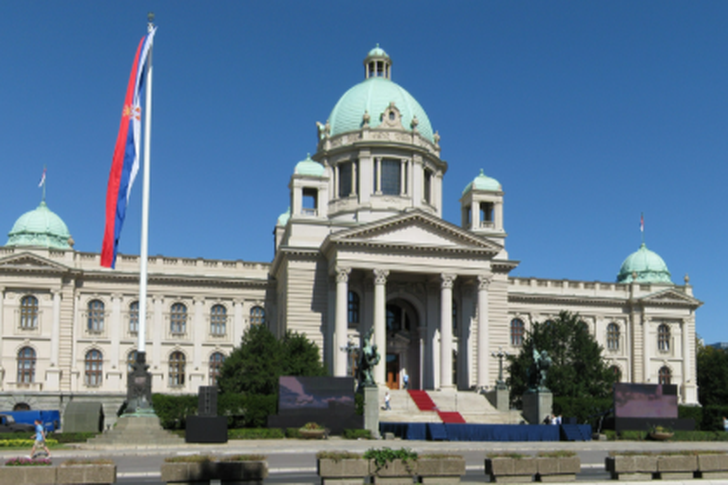
The Speaker of the Serbian Parliament, Ana Brnabić, announ...
The Hague Special Court has decided that former President ...

CNA has launched another investigation that could lead to ...

Irfan Hysenbelliu is a businessman that we call "Irfan the...

In March 2026, CNA launched another investigation centered...
The arrested mayor of Tirana, Erion Veliaj, with 13 charge...

The Special Board of Appeal (KPA) decided this Monday ...

The KPA vetting decided this Thursday to dismiss the p...

Suela Salavaçi, a prosecutor in the Prosecutor's Offic...

The Special Board of Appeal reinstated the prosecutor ...
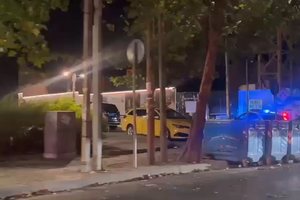
A road accident occurred this evening on Nikolla Zoraqi St...
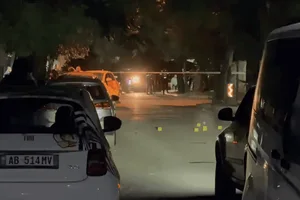
Three people were shot and wounded in Elbasan last night b...
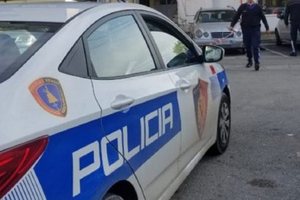
A serious incident occurred this Tuesday in the Yrshek are...

An accident occurred this Tuesday on "Dituria" street in K...

All of Southern Europe will face changing weather conditio...

Albania was hit by temperatures significantly higher than ...

For the first time, Pogradec welcomed the Inter-Lake Chess...

Albania has achieved a record for the employment of foreig...

US Secretary of State Marco Rubio arrived in Manila on Jul...
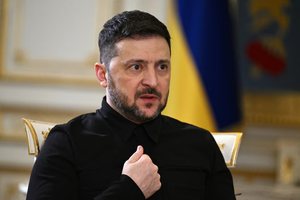
In the space of a few days, Ukrainian President Volodymyr ...

The spokesman for the Iranian Foreign Ministry warned Bulg...

Autoritetet italiane sekuestruan pako me afër 800 kilogram...

At a time when industrial products are increasingly taking...

Trust among people is not just a three-syllable word. It c...

Master of humor Todi Llupi has passed away at the age of 7...

The ninth edition of "MIK Festival" kicked off with one of...

Construction company licenses will have a validity period ...

The Centralized Purchasing Operator recently opened a tend...
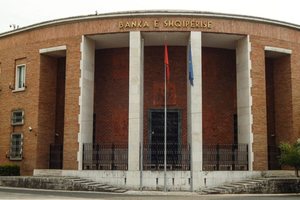
The new draft law "On the Bank of Albania" provides that t...

This Tuesday, one US dollar is bought for 81.2 lek and sol...