


Today's weather
Today our country will be under the influence of relativel...

Today our country will be under the influence of relativel...

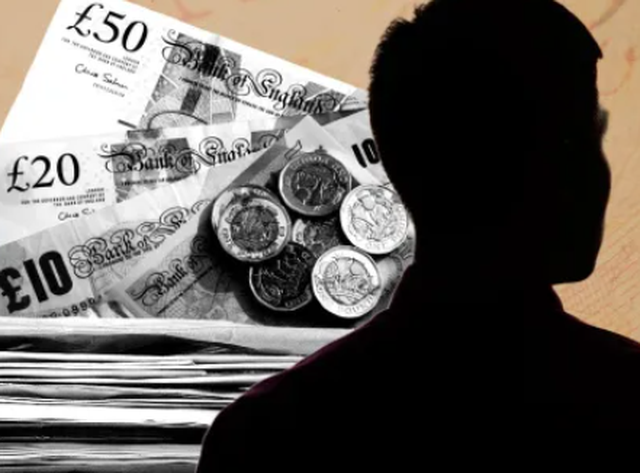
It has been mentioned so many times in writings and quotes that it has almost become a stereotype. Indro Montanelli's expression, which said, "... If you see a rich journalist, he has either inherited his wealth, or he has ceased to be a journalist..."
However, it is an expression that, in itself, carries a simple truth: "Journalism is not the shortest path to wealth; it is the path to truth!"
If he had seen the reality in Albania, perhaps he would have rewritten it: "If you see an extremely rich journalist, first check who he serves."
If Joseph Pulitzer, who knew and knew that when the press loses its independence, not only journalism is lost; democracy itself is lost, could see Albania, he would no longer declare: "The republic and the press will rise or fall together."
He would be shocked and say that "Both the Republic and the press have fallen, from wealth and not from honest work, from proximity to power, to the oligarchs and to the interests it was supposed to control!"
In a normal society, a journalist is paid for his work. In a deformed society, like ours, he is rewarded for his silence and compromises. He is even glorified. He is proclaimed a hero, a role model, a teacher, an example to follow...
Journalism was supposed to be the power that controls power. But it has often turned into a business where news is bought and opinion is rented. And, above all, silence comes at a very high price.
There are those who preach morality in the studio in the morning, while in the evening they bargain with politicians, oligarchs or the next clients. In the evening, champions of democracy and free speech appear, and upon leaving the studio, they are the most fearsome and unscrupulous fine-bearers.
And while they talk about corruption, their wealth is the biggest mystery, which no one investigates.
The journalist should control power, not be fed by it. He should investigate corruption, not become part of it. The moment the pen turns into a fine and the microphone into an instrument of blackmail or propaganda, and information becomes a trade.
And, when the journalist starts to live better than the businessman he is supposed to investigate; when the luxury car is not justified by his income; when, despite his physical ugliness, he "roams" with models or teenagers, when "with a modest salary" he tastes the most expensive wines in the most expensive restaurants; he has several houses and villas; when, for the sake of public interest, he licks and becomes "friends" with all the politicians and other VIP characters of the country, then his true mission has been lost. He is no longer in front of the government, but at its side and accessory.
Unfortunately, the damage is not only moral. When citizens lose trust in the media and its representatives, they lose one of the main pillars of democracy.
Pulitzer warned that a cynical and corrupt press will produce an equally cynical and corrupt society. And this is deadly for democracy and values, because the journalist and journalism no longer serve the public, but the next sponsor, while the news is sold. And silence is no longer professional ethics, but a high fee.
Therefore, Montanelli's expression remains relevant. Not because every rich journalist is necessarily corrupt, but because the unjustified wealth of anyone who claims to protect the public interest should raise questions. Journalism is not measured by villas, luxury cars or bank accounts. It is measured by independence, integrity and the courage to tell the truth, even when it costs you.
Montanelli left us doubt. Pulitzer left us the standard. Between them lies the question that every free society must ask the media and its representatives: “Do you serve the truth and the public or those who pay you not to bother the government?”

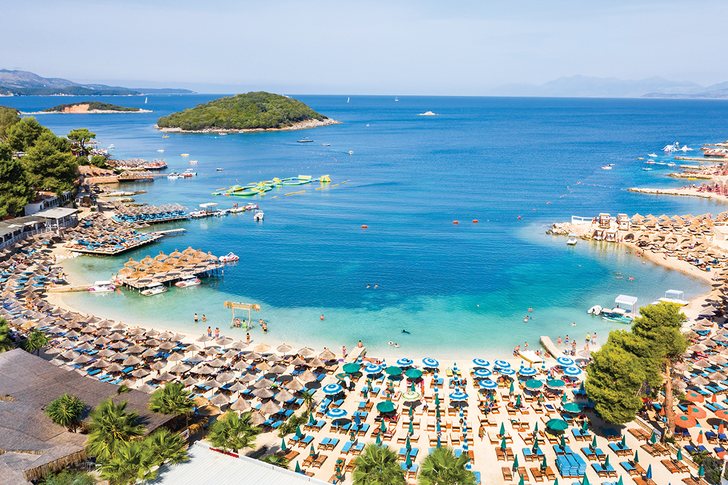
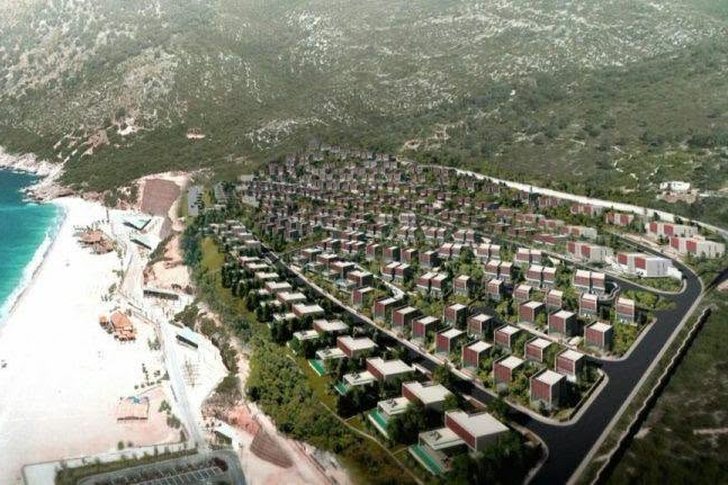
Are Albanians from Kosovo the beauty of Albanian tourism? ...
The statement by Snezhana Paunovic, Minister in the Govern...
A case reported by two animal protection associations has ...

The emergence of new faces in politics is always good news...
The Prime Minister of Albania promised the European Commis...
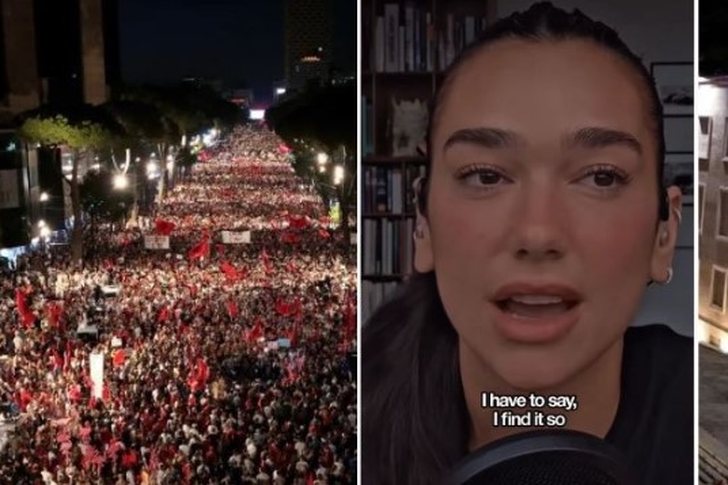
The government is not listening because it does not unders...
In these hot summer days, along with the foul-smelling flo...
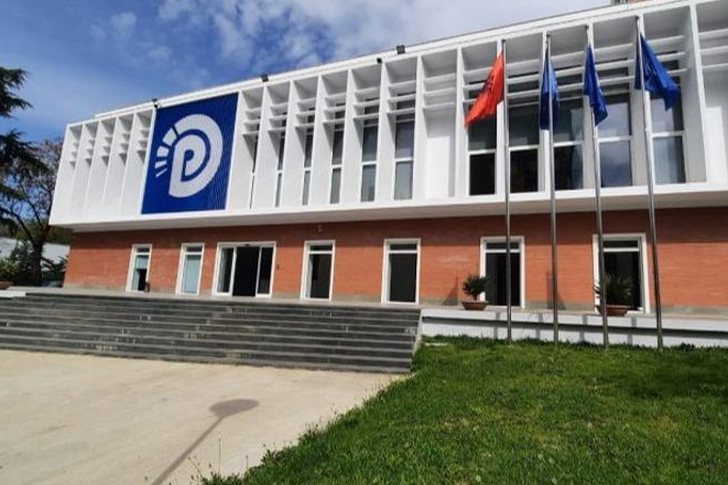
Yesterday's boycott by the Democratic Party of the plenary...
I have been carefully reading the comments under the posts...
The influence of public figures on political debate is a w...

When a piece of news is not published, when a fact is soft...

The public does not always have direct evidence, but there...
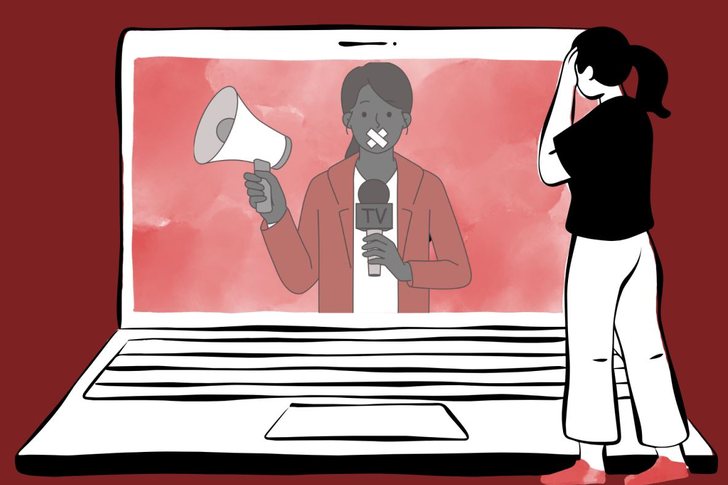
Censorship is often presented as a media problem. In reali...
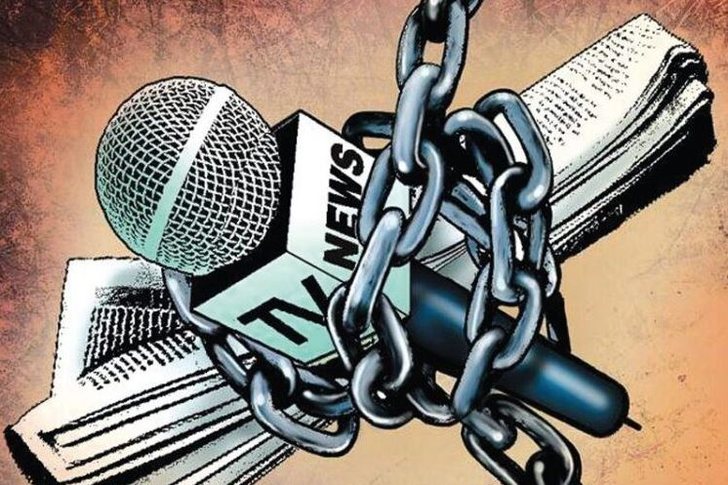
When a piece of news is not published, when a fact is soft...
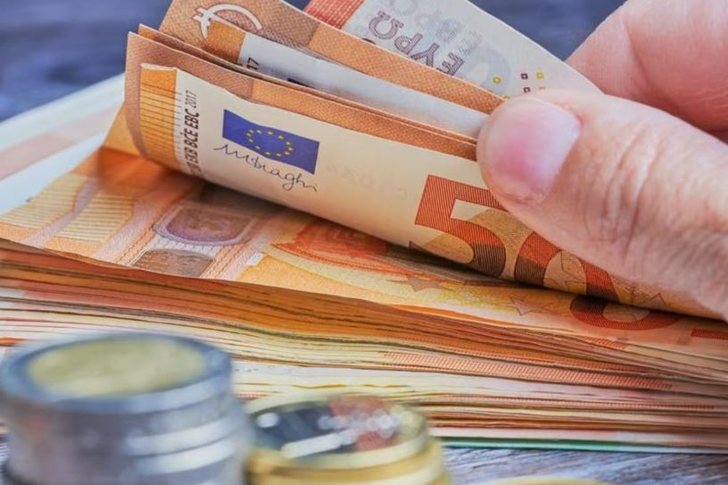
How is it possible that the currency of one of the most po...
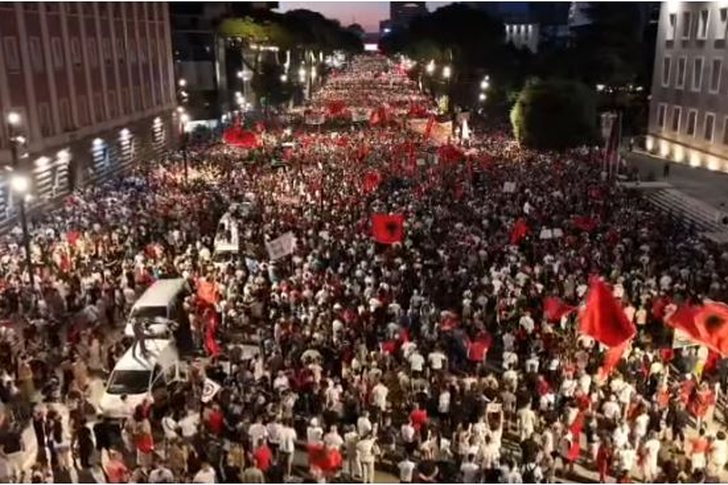
In Albania, a biblical story is being rewritten, that of t...

When a corruption file is closed in a drawer, when a tende...

One of the biggest mistakes the media makes is treating an...

The classic model of a journalist who asks, records and wr...

When a corruption file is closed in a drawer, when a tende...

Irfan Hysenbelliu is a businessman that we call "Irfan the...

In March 2026, CNA launched another investigation centered...
The arrested mayor of Tirana, Erion Veliaj, with 13 charge...
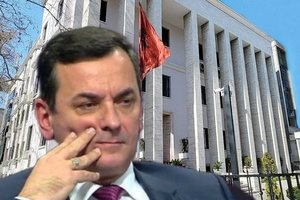
CNA has uncovered the tentacles of the head of the Supreme...

The Special Board of Appeal (KPA) decided this Monday ...

The KPA vetting decided this Thursday to dismiss the p...

Suela Salavaçi, a prosecutor in the Prosecutor's Offic...

The Special Board of Appeal reinstated the prosecutor ...
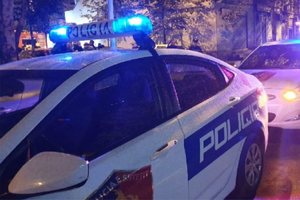
New details are being learned regarding the incident that ...
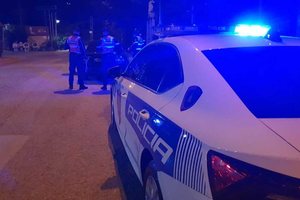
Several gunshots were reported this evening in Elbasan. T...
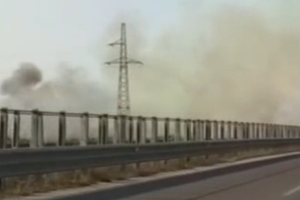
A section of the Fier-Vlora highway was engulfed in flames...

A road accident occurred this Monday near Gramsh. As repo...
Today our country will be under the influence of relativel...
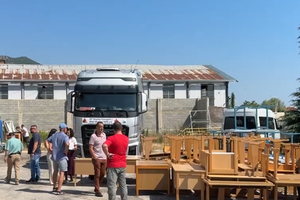
Another humanitarian aid shipment from Germany has arrived...
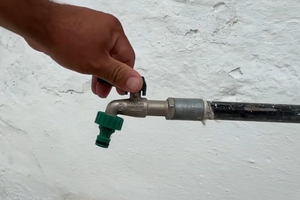
Residents of the village of Memëlisht in the Municipality ...
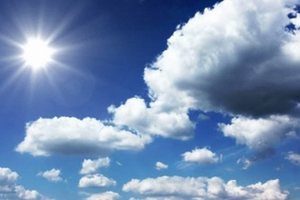
On Monday, our country will be under the influence of rela...
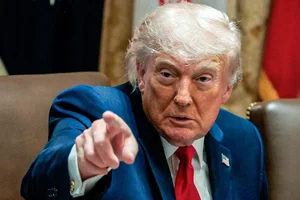
US President Donald Trump responded with harsh rhetoric to...
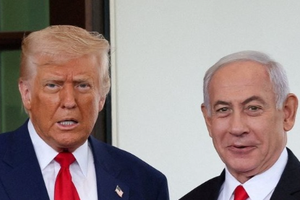
US President Donald Trump said on Monday that Israeli Prim...
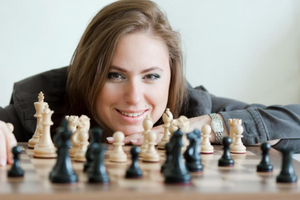
Hungary's Prime Minister, Péter Magyar, took many people b...

The mediators in the Middle East conflict between the Unit...

At a time when industrial products are increasingly taking...

Trust among people is not just a three-syllable word. It c...

Master of humor Todi Llupi has passed away at the age of 7...

The ninth edition of "MIK Festival" kicked off with one of...
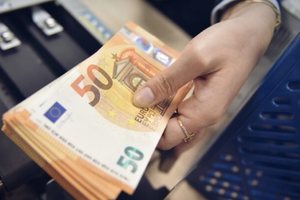
This Tuesday, one US dollar is bought for 81.2 lek and sol...
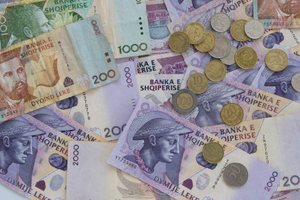
Deputy Minister of Economy and Innovation, Enkelejd Musabe...
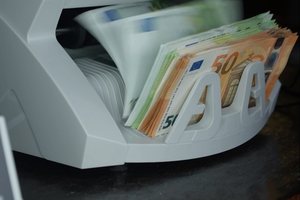
This Monday, one US dollar is bought for 81 lek and sold f...
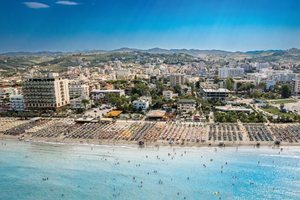
In Golem and Durrës, the season seems dynamic: buses with ...