

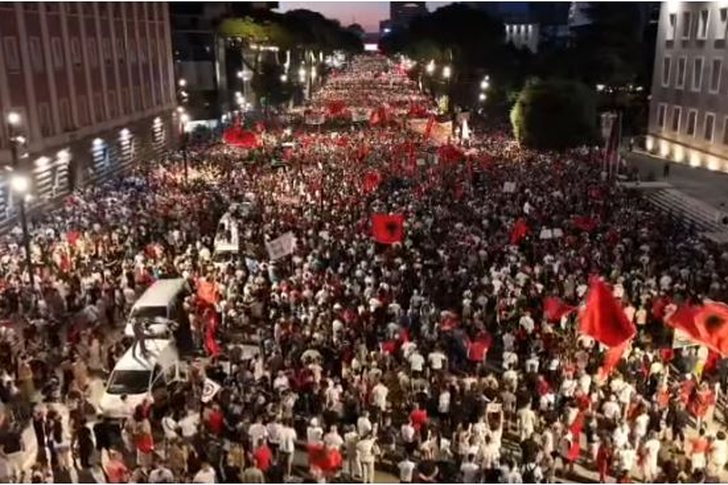
The forties of an anti-national system!
In Albania, a biblical story is being rewritten, that of t...


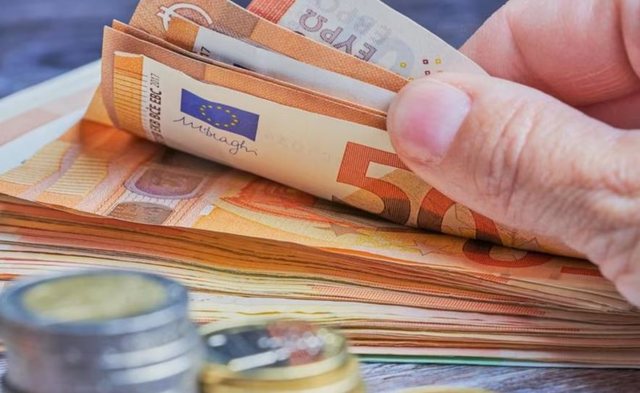
How is it possible that the currency of one of the most powerful economic areas on the planet is constantly depreciating against the lek?
The official answer given by the financial patrons is magical: our economy is soaring!
The numbers "don't" lie. When you look at the figures, you get the impression that Wall Street is a subsidiary of the Cham market in Tirana.
Today, the euro has fallen to around 94 lek. Just a few years ago, the same euro was exchanged for 120 or 125 lek. The strengthening of the lek is now a multi-year trend and not a seasonal whim, when immigrants come to spend their savings and foreign tourists discover the “Maldives of Europe” at Dubai prices.
Of course, the exchange rate is not a boxing match where the heavyweight beats the lightweight. The strength of a currency is not determined mechanically by the muscles of the real economy. It is also influenced by a cocktail of interest rates, inflation, capital flows, remittances, investments and confidence, where some ingredients mix in the sunlight and others in the moonlight.
But if the lek is strengthening so much and for so long, the question is not whether euros are entering the country. Even a blind man walking on the sidewalks of Tirana can see this, where kullas are being planted at a speed that even socialist agriculture in the era of hybrid corn would envy.
The question is: where do the euros come from, how much do they come in, how do they come in, and where do they end up?
The official version is well-known: tourism is experiencing galactic growth, immigrants are sending money, foreign investments are increasing, and even foreigners have fallen in love with our concrete and are buying apartments.
An argument worthy of being told as a bedtime story on a hot day.
The country continues to be an economy with a large trade deficit. We have such a weak manufacturing base that we import garlic from China, beans from Egypt, and milk from Serbia. Exports face existential difficulties, and our productivity is so far behind the European average that we need a NASA telescope to see it.
However, a country that produces relatively little, imports almost everything, and has low productivity, has a currency that behaves as if Albania has suddenly discovered artificial intelligence, electronic microchips, and the production of spacecraft.
Let's look at Turkey, a friend and strategic ally. In 2023, one euro was worth about 21 Turkish liras. In July 2026, one euro was worth about 53 liras.
And we are talking about a country with an automotive, textile, electronics industry, developed agriculture, and a military industry that exports Bayraktar drones all over the world. In Turkey, that is, it sells drones to Ukraine, radar systems to Poland, ships to Portugal, and soon, aircraft to Spain.
But here the Turkish lira is falling, while our lek is soaring as if fueled by kerosene. Is Albania economically more powerful than Turkey? Without a doubt. They produce the drones, we use them to see from above how many people have come to protest.
There, high inflation, monetary policies, and loss of confidence have brought the lira to its knees, while here, the large influx of currency into a small market has made the lek Hercules.
The Bank of Albania has intervened by buying large amounts of euros to curb the strengthening of the lek. In the first nine months of 2024 alone, foreign exchange interventions amounted to about 2.6 percent of 2023 GDP, almost three times the same period a year earlier.
So, even the Central Bank is trying to keep our rebellious lek, which suffers from excessive health, under control.
But apparently this is no longer just the job of bankers.
Because, when, in addition to tourism, remittances and declared investments, there is also a large informal sector circulating in the economy, the question of the origin and nature of all foreign exchange flows is not a conspiracy theory, it is an economic, institutional and law enforcement question.
It cannot be said that the strengthening of the lek is solely a product of black money, but it is equally frivolous to treat any question about informal currency flows as economic heresy.
The files of Spak's recent investigations have shown that the criminal economy is not a parallel universe living on Mars. Money seeks to enter the real economy, to be invested, built, purchased and circulated. The question is to what extent these flows affect the Albanian economy and the foreign exchange market.
This question requires an answer, not financial patronage.
But the greatest courage is not to explain why the lek is strengthening. The greatest courage is to sell the fall of the euro as a success.
The Albanian exporter is paid in euros and pays workers, energy, and part of the costs in lek. When the euro falls, his income in lek shrinks.
The family that expects 200 euros from their son abroad used to receive around 24 thousand lek. Today, they receive around 18 thousand.
The employee who is paid in euros sees his salary reduced to lek without the boss's knowledge.
Meanwhile, prices in Albania suffer from a strange disease: they have an excellent memory when they should go up and complete amnesia when they should go down. Breakfast coffee has not become cheaper because the euro fell, but more expensive, rents in Tirana have not gone down, they have gone up, apartments have not become more affordable, they are unthinkable to buy.
Food has not returned to 2020 prices, vegetables on the market cost as if they were grown in greenhouses irrigated with blessed water.
Here lies the big difference between a beautiful indicator in an Excel spreadsheet and real life in the pockets of citizens.
Economic policy does not exist to produce figures and comparisons with 2013. The question is not whether the figures have increased, the question is whether people are living better.
You can have economic growth and citizens who are running away from home, you can have more tourists and Albanian families who can't take two days off, you can have luxury towers and young people who live in rent until they are in their forties, you can have a strong currency and a weak manufacturing economy, you can have soaring numbers and people who can barely make ends meet.
How much does tourism affect? ??How much do remittances affect? ??How much do real estate investments affect?
How many other financial flows?
And, above all, why is such spectacular monetary success not translating with the same force into well-being, real wages, productivity, and productive capacity?
To say that the strong lek is proof of the iron health of the economy requires an extraordinary dose of courage, or an optimism of Olympic proportions.
Because measuring the strength of an economy only by the exchange rate is like looking at the result of a match and declaring the Sopot team stronger than Bayern Munich./ CNA

In Albania, a biblical story is being rewritten, that of t...

When a corruption file is closed in a drawer, when a tende...
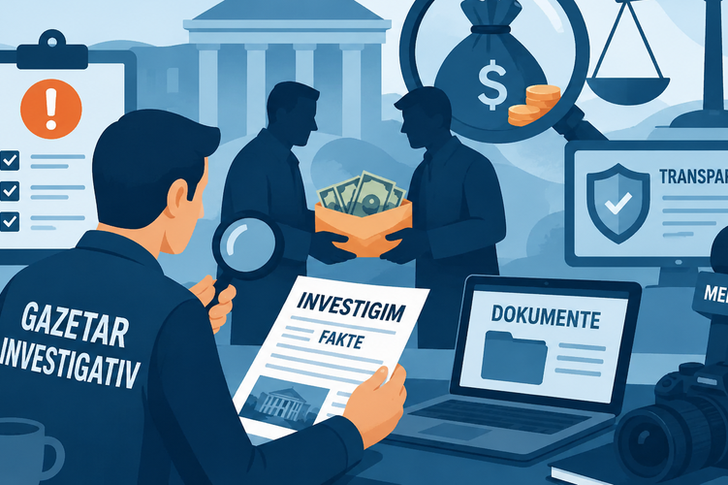
One of the biggest mistakes the media makes is treating an...
The classic model of a journalist who asks, records and wr...

When a corruption file is closed in a drawer, when a tende...
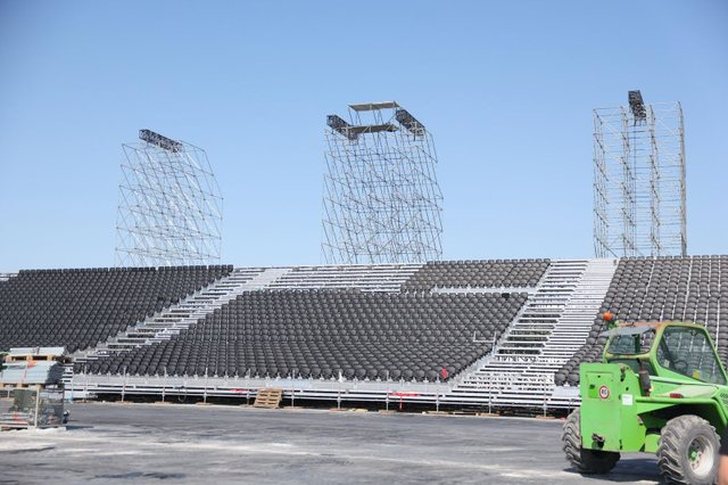
In fact, he didn't want to. He really didn't want to. But ...
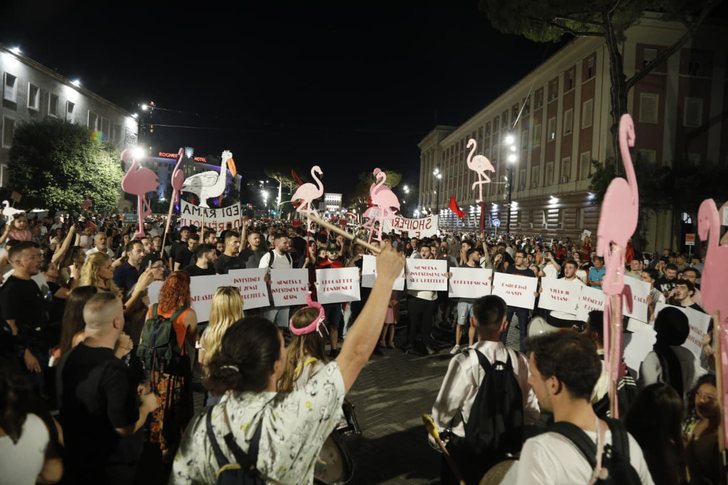
The right to protest is one of the fundamental pillars of ...
On the 40th day of the grand protest for a "new Albania", ...
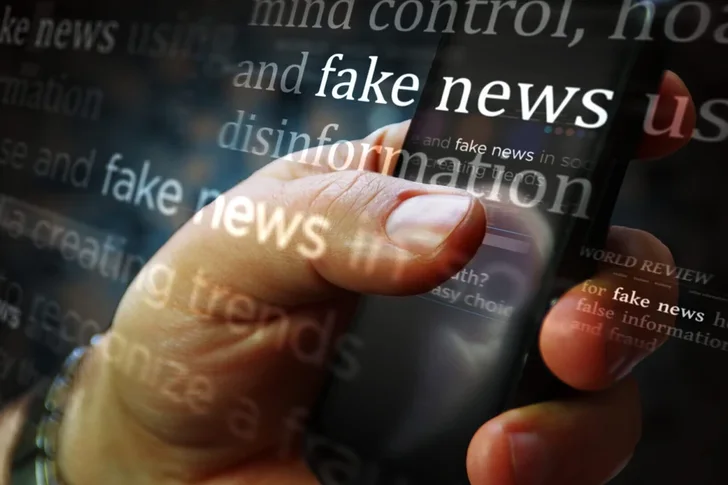
You don't have to be a journalist to protect yourself from...

Media manipulation doesn't always come with an ugly face. ...

A bloated headline, a video cut at the right second, a sta...
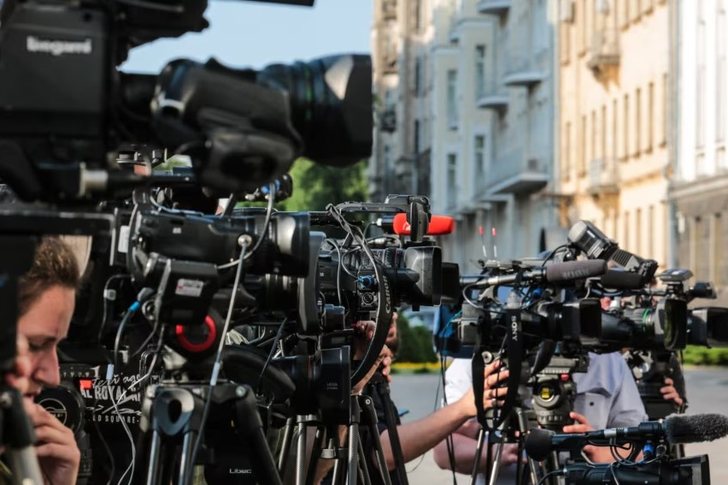
French magazines, German television, Italian reports, Belg...
For a media outlet that claims to understand the pulse of ...
Part of the public anger is not just related to the conten...

When a new decision is announced by the government, the fi...

I wrote about a case of violence, where two girls beat up ...
There is a limit to poverty. There is also a limit to patien...
The eyes/attention of chancelleries, institutions, and the...

A dubious tender, an unexplained fortune, a construction p...
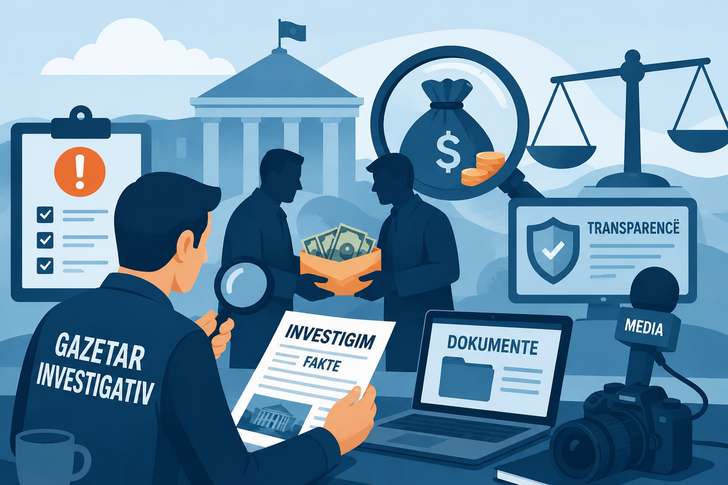
The question arises: Do journalistic investigations ha...

For 6 months now, CNA has been sending several letters to ...
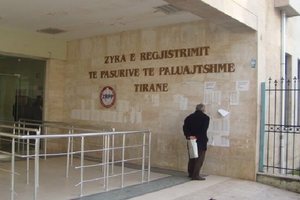
The word "fatherland" with properties is not enough. The m...

The justice reform claimed that it would bring faster, fai...
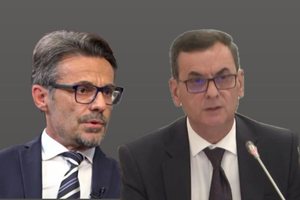
The Justice Reform and the vetting process were trumpeted ...

The Special Board of Appeal (KPA) decided this Monday ...

The KPA vetting decided this Thursday to dismiss the p...

Suela Salavaçi, a prosecutor in the Prosecutor's Offic...

The Special Board of Appeal reinstated the prosecutor ...
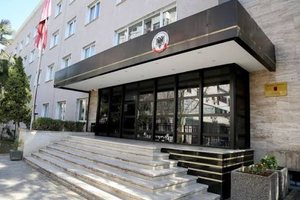
The Berat Prosecution Office has finalized a 6-month proac...
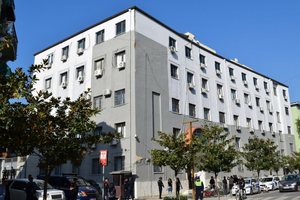
The Durrës Prosecutor's Office has uncovered a sophisticat...

A plane flying from Thessaloniki to Munich on Friday, July...
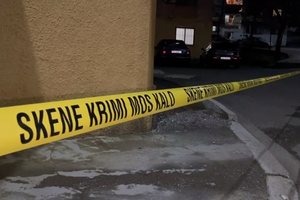
The police have managed to identify the perpetrator of las...

Today our country will be affected by stable weather condi...

Emigration, an aging population, and low participation in ...
Today, our country will be affected by relatively stable w...

Albania has been awarded two medals of honor at the awards...
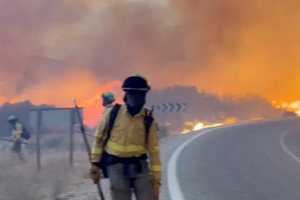
At least 11 people have died and six others have been inju...
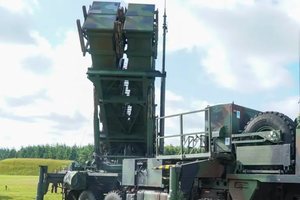
Patriot, Tomahawk, Starlink, F-35: Europe's security still...
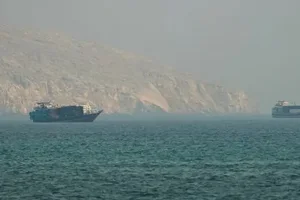
The threat level to maritime security in the Strait of Hor...
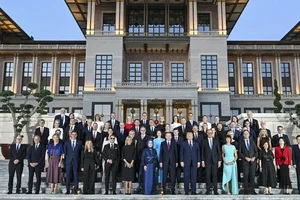
After the end of the NATO summit, Turkish President Recep ...

The German Embassy in Tirana has invited the Albanian publ...

Professor and literature scholar Ali Xhiku has passed away...
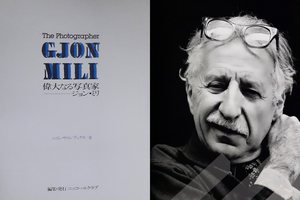
During my research into the life and artistic photographic...
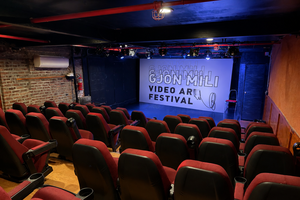
This year's edition of the Gjon Mili International Video A...
In addition to food, household appliances, oil, and more, ...
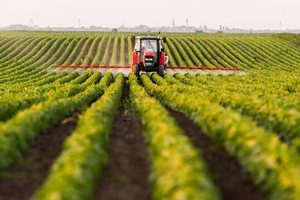
The government has reduced the funds foreseen for rural de...
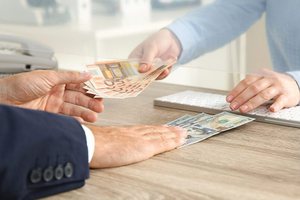
This Friday, one US dollar is bought for 81.4 lek and sold...
The Tax Directorate has announced that the process of auto...