Supreme Court rejects all appeals/Opens the way for certification of election results in Kosovo
The Supreme Court has dismissed all appeals regarding the ...

The Supreme Court has dismissed all appeals regarding the ...

When a new decision is announced by the government, the first reaction is not only read in press conferences or party statements. It is read in the comments on government decisions - where citizens speak without filters, without protocol and often with a nerve that politics tries to pass off as noise. But this noise, in many cases, is the most accurate indicator of the real temperature of the country.
In Albania, the gap between the official language and the daily experience of citizens has become apparent. On paper, many decisions are presented as reforms, facilitations, measures in the service of the public.
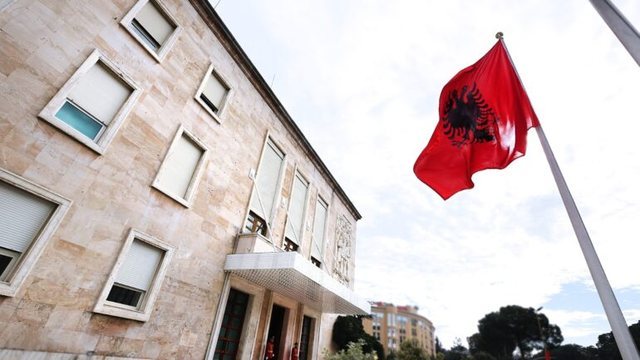
In practice, they affect prices, taxes, employment, energy, property, education and services. This is where the wave of comments arises, where citizens react not as analysts, but as people who pay the bills, wait in line and bear the consequences of a government firm.
There is a long-standing tendency to downplay public comments, especially those on social media, on portals, or in the news. They are often labeled as emotional outbursts, as party reactions, or as organized campaigns. The truth is more complicated.
Yes, there are fake comments, there are fake profiles, there is propaganda. But among them, there is also a large mass of authentic reactions that highlight something that official reports cannot show: the level of distrust.
When the government announces a decision to increase wages, the citizen immediately asks who really benefits. When an aid package is announced, he asks why he didn't feel it before. When reform is promised, he asks who will pay the bill. Comment, in this sense, is not just a reaction. It is an act of public verification.
Where institutions demand applause, the public often gives the opposite account. And this is the strongest sign of a society that no longer automatically swallows the official version.
Not every government decision produces the same kind of reaction. There are measures that pass with little interest, because they affect few people or are technical. But there are also decisions that immediately ignite harsh comments, because they directly affect daily life.
Price increases, fiscal policy, energy, pensions, legalization, education, and healthcare are areas where the public reacts strongly, because propaganda is not easily digested there.
In these cases, comments on government decisions turn into a kind of collective indictment. People don't just discuss the specific measure. They immediately connect it to previous histories of failure, to broken promises, and to the feeling that decision-making is done far from the citizen. This is why a decision that seems manageable in the office can explode in the field as a crisis of communication and trust.

The government usually tries to neutralize these reactions in two ways. Either it presents them as misunderstandings that will be clarified, or it reads them as political attacks. Both approaches have a problem: they avoid the essence. If thousands of comments repeat the same complaint, we are no longer dealing with misreading. We are dealing with a real problem of perception, and often a real problem of substance. /CNA


I wrote about a case of violence, where two girls beat up ...
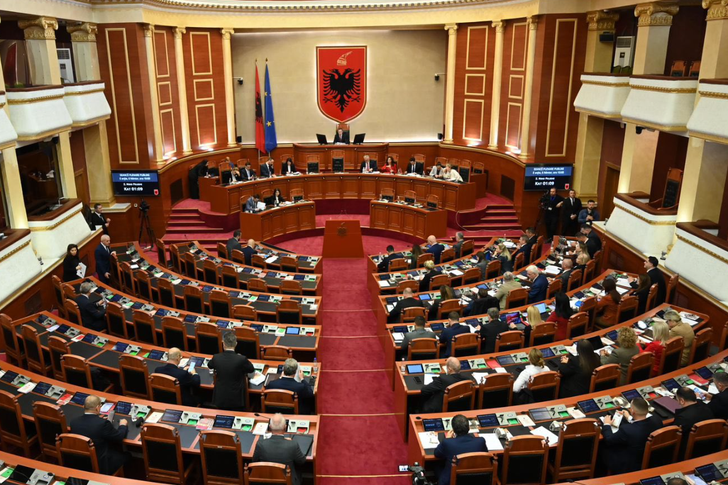
There is a limit to poverty. There is also a limit to patien...
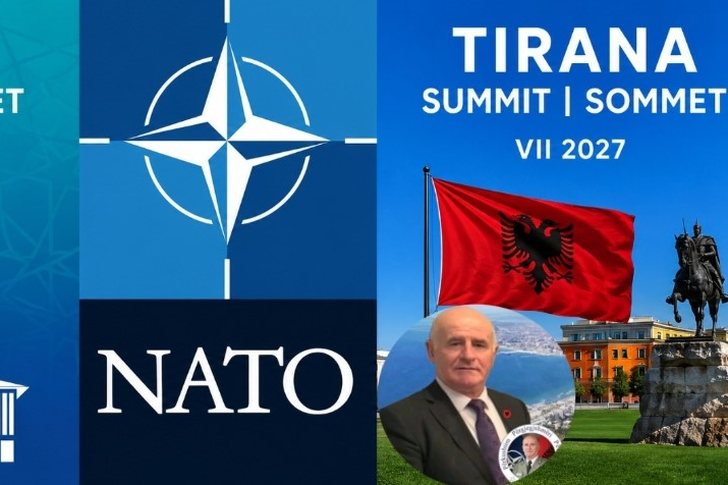
The eyes/attention of chancelleries, institutions, and the...
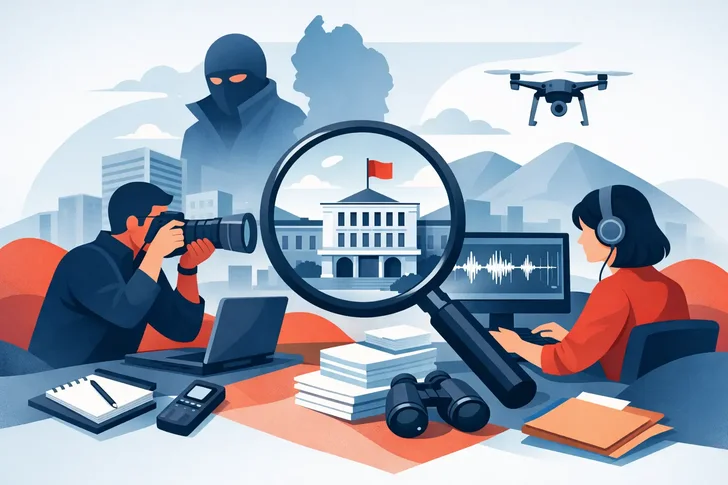
A dubious tender, an unexplained fortune, a construction p...

The question arises: Do journalistic investigations ha...

Talking about investigative journalism in Albania without ta...

A dubious tender, an unexplained fortune, a construction p...
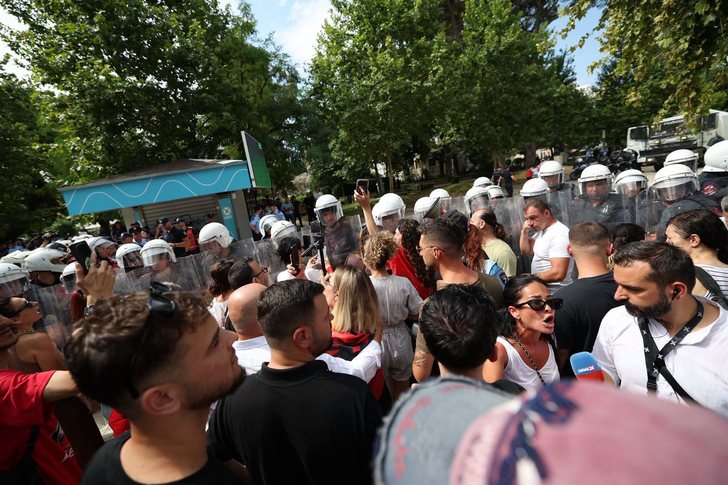
After they voted to destroy Albania's ports by charging Al...

One of the biggest deceptions sold to the public is the id...

It was a coincidence. I had just arrived in Korça and pass...

The coffin is one of the most powerful political symbols. ...

There are times when neutrality is not professionalism, bu...
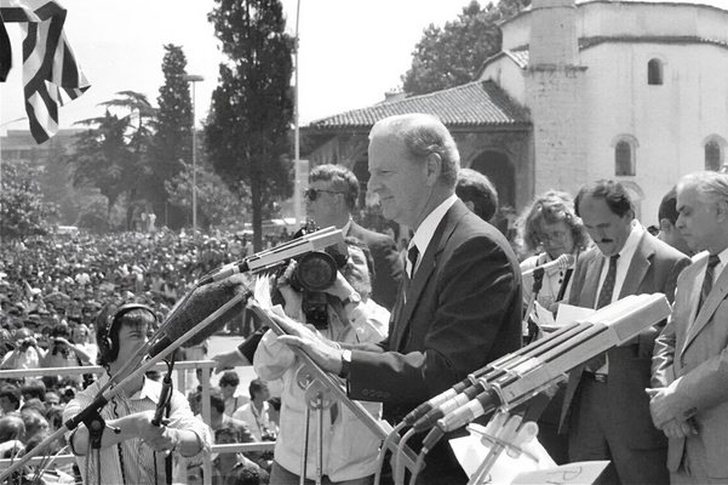
For millions of people, VOA was a beacon of hope and a win...
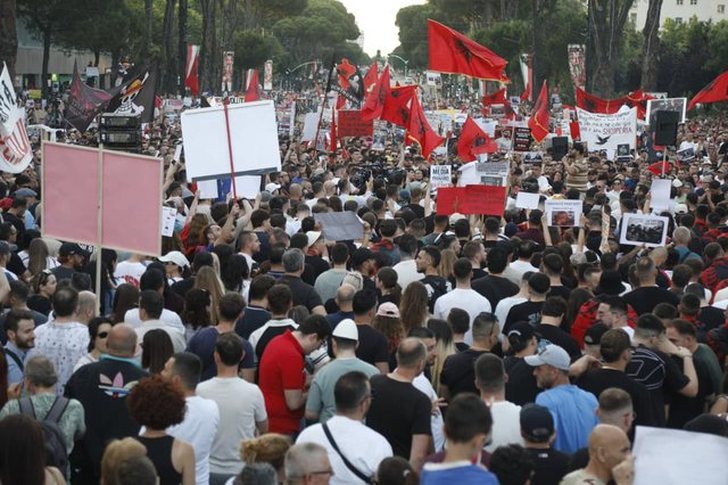
Machiavelli wrote in “The Prince” that it is safer to be f...
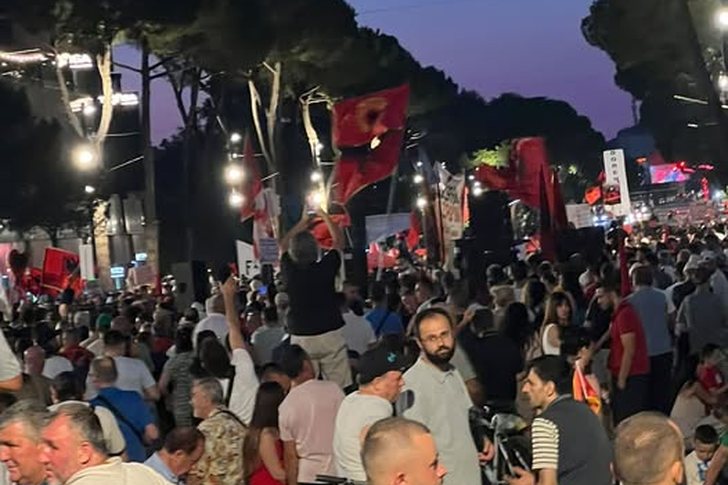
A protest is not simply a list of accusations against the ...
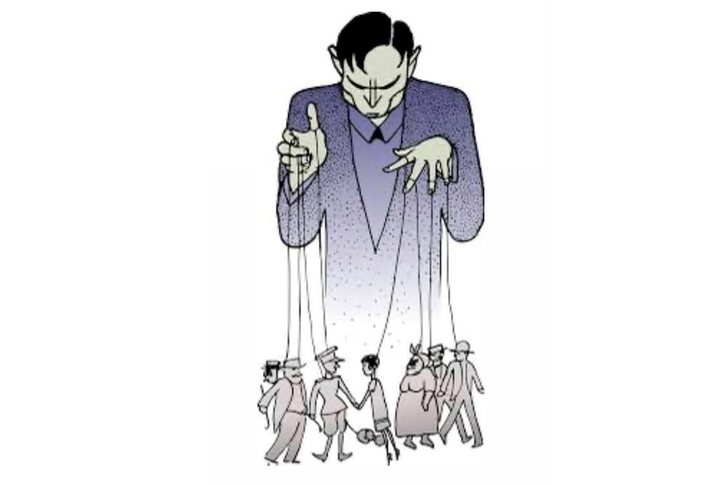
Marjana – the neo-Malaysian – (as the MP who left the floc...
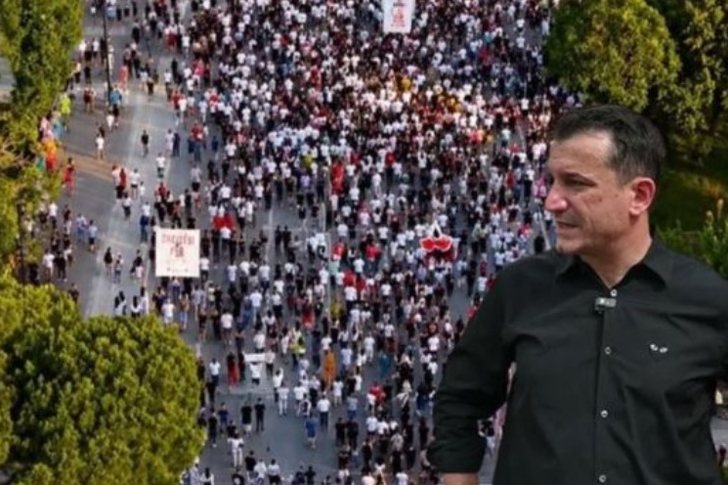
On July 1, the Constitutional Court released its decision,...

If you sit on the banks of the Nile for an afternoon and l...
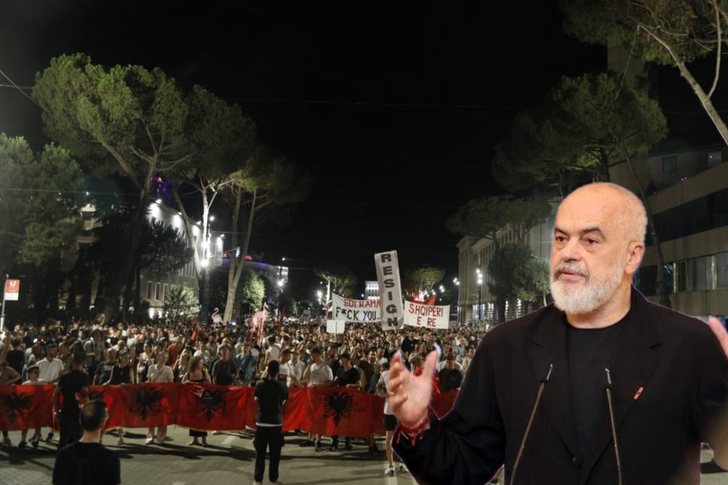
While Prime Minister Edi Rama intensified his media campai...
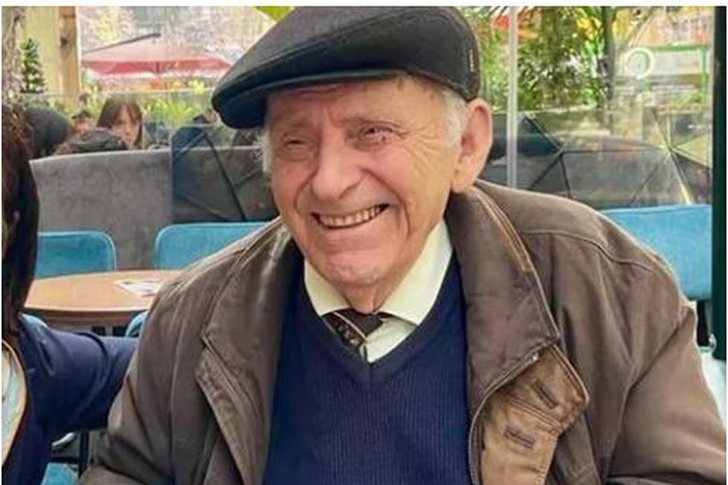
Ali Xhiku passed away quietly, just as he lived: quietly, ...

The justice reform claimed that it would bring faster, fai...
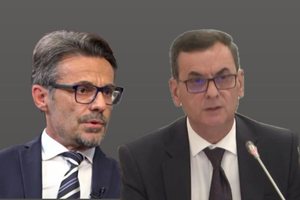
The Justice Reform and the vetting process were trumpeted ...
After revealing the property portfolio in Tirana, Kavaja, ...
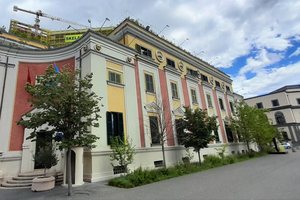
Four months ago, on March 11, CNA sent an official letter ...

The Special Board of Appeal (KPA) decided this Monday ...

The KPA vetting decided this Thursday to dismiss the p...

Suela Salavaçi, a prosecutor in the Prosecutor's Offic...

The Special Board of Appeal reinstated the prosecutor ...
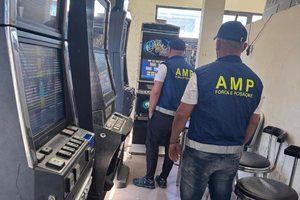
Today, on 07.07.2026, the Police Supervision Agency (AMP),...
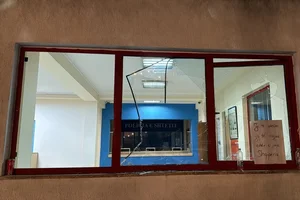
One person has been arrested, 7 have been prosecuted, and ...
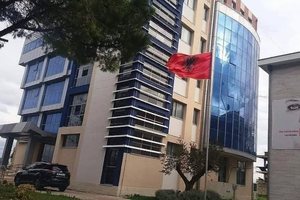
Fier Police have issued an official response regarding the...

The Serious Crimes Investigation Section, in cooperation w...
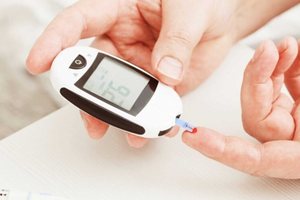
While the total number of deaths fell in 2025, those from ...

As Albania faces ongoing demographic challenges, the l...

Today our country will be affected by relatively unstable ...

In an interview with CNA TV, psychologist Bona Miekley sai...
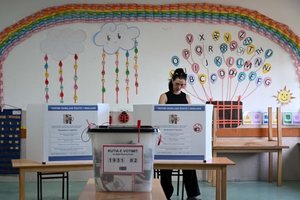
The Supreme Court has dismissed all appeals regarding the ...
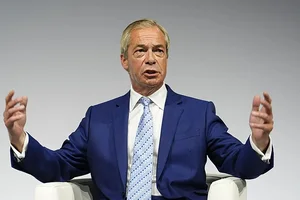
Reform UK leader Nigel Farage announced that he was resign...
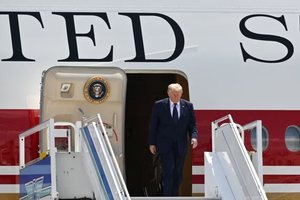
NATO leaders are meeting in the Turkish capital, Ankara, f...
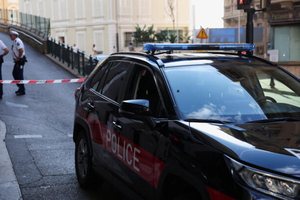
A woman suspected of carrying out last week's bomb attack ...

The German Embassy in Tirana has invited the Albanian publ...

Professor and literature scholar Ali Xhiku has passed away...

During my research into the life and artistic photographic...

This year's edition of the Gjon Mili International Video A...
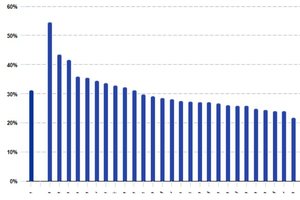
Turizmi në Shqipëri vijon të jetë i përqendruar kryesisht ...

The debate continues between the National Business Center ...

Since the launch of the real estate revaluation process in...
This Monday, one US dollar is bought for 81.2 lek and sold...