


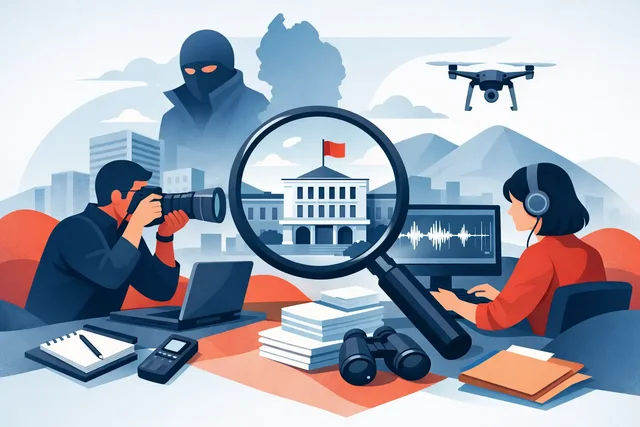
A dubious tender, an unexplained fortune, a construction permit that goes beyond the law and an institution that is silent. This is exactly where journalistic investigations begin in Albania - not with beautiful statements, but with documents that do not match, with money that moves without a trace and with power that seeks darkness.
This is not simply a media genre to fill pages or to generate noise. It is a daily test for the state, the judiciary and the media itself. When the investigation works, it tears the facade. When it fails, the public is left with propaganda, half-truths and a feeling of fatigue that only serves those who want to never be questioned.
In Albania, breaking news dominates the media cycle. Events come at a rapid pace, political statements drown out debate, and scandals are often consumed within hours. In this terrain, investigation does not have the luxury of comfort. It must dig where institutions avoid answers and where the ordinary citizen has neither access nor protection.
The reason is simple. The most serious public problems do not always surface on their own. Administrative corruption is not announced with a press release. Conflict of interest is hidden behind procedures. Abuse of public funds is masked with technical language. Therefore, investigation is the tool that turns suspicion into fact, voice into evidence and public discontent into concrete issues.
There is another, more unpleasant reason. In an environment where politics tries to influence the narrative, business often demands silence and pressure on the media is real, investigative journalism remains one of the last spaces where the government is seriously embarrassed. Not coincidentally, it is also the most attacked field.
Not every denunciatory article is an investigation. Not every publication with strong tones has journalistic weight. A real investigation requires time, documents, verification and editorial responsibility.
The essence lies in the evidence. A serious investigation is based on official acts, contracts, financial data, cross-examination, correspondence, administrative decisions or clear traces of facts. Without this basis, the publication risks turning into insinuation. And insinuation, no matter how loud it is, does not lead the public to the truth.
The way the story is constructed also matters. A strong investigation is not enough to say that there is a problem. It shows who benefits, how the scheme works, where the violation is and what consequences it has for the citizen. If the reader comes away from the article only with anger, but without understanding the mechanism, the work is half done.
Në Shqipëri, terreni më i nxehtë për gazetarinë investigative mbetet lidhja mes politikës, parave publike dhe interesave private. Tenderat, koncesionet, lejet e ndërtimit, punësimet klienteliste dhe pasuritë e pajustifikuara janë fusha klasike ku skema të tëra fshihen pas procedurave në letër të rregullta.
Por tabloja nuk mbyllet këtu. Edhe sistemi i drejtësisë, policia, pushteti vendor, arsimi, shëndetësia dhe mjedisi prodhojnë vazhdimisht tema që kërkojnë hetim, jo vetëm raportim rutinë. Ndotja, grabitja e pronës, abuzimi me fondet sociale apo heshtja mbi aksidentet industriale kanë të njëjtin emërues - interes publik të lartë dhe mungesë transparence.
Në shumë raste, investigimi më i vlefshëm nuk është ai që prodhon skandalin më të bujshëm, por ai që lidh në mënyrë të qartë një vendim zyrtar me dëmin real te qytetari. Sepse aty propaganda bie shpejt.
Të flasësh për investigime gazetareske në Shqipëri pa folur për pengesat, do të thotë të shesësh iluzione. Problemi i parë është aksesi në informacion. Institucionet zvarrisin përgjigjet, japin dokumente të pjesshme ose mbyllen pas formulave burokratike. Ligji ekziston, por zbatimi shpesh ecën me ritmin e interesit politik.
Problemi i dytë është presioni. Ai nuk vjen gjithmonë në formë spektakolare. Ndonjëherë shfaqet si telefonatë, si kërcënim i tërthortë, si padi për të lodhur redaksinë, si bllokim reklamash apo si sulm publik për të zhvlerësuar gazetarin. Kjo e bën hetimin më të kushtueshëm dhe më të rrezikshëm.

Pastaj vjen çështja e burimeve. Investigimi kërkon kohë, ekip, ekspertizë juridike, durim për të kontrolluar çdo detaj dhe kapacitet për të përballuar pasojat pas publikimit. Jo çdo media e ka këtë luks. Kur redaksitë punojnë nën presionin e klikimeve dhe ritmit të përditshëm, hetimi i thelluar shpesh shtyhet për nesër. Dhe nesër, zakonisht, vjen një tjetër skandal që kërkon vëmendje.
Këtu duhet ndarë qartë një vijë. Në një treg mediatik të polarizuar, etiketa "investigim" përdoret nganjëherë si mbulesë për luftë politike ose për interesa biznesi. Kjo është një nga dëmet më të mëdha që i bëhen publikut.
Kur seleksionimi i fakteve bëhet me porosi, kur dokumenti përdoret vetëm për të goditur njërin krah dhe për të fshehur tjetrin, gazetaria humbet peshën morale. Lexuesi bëhet më cinik dhe, me kalimin e kohës, edhe zbulimet reale nisin të duken si pjesë e të njëjtës lojë.
Prandaj standardi duhet të jetë i pamëshirshëm. Verifikim i shumëfishtë, e drejta e reagimit, ndarje e qartë mes faktit dhe interpretimit, dhe një pyetje e thjeshtë për çdo publikim - a i shërben qytetarit apo vetëm luftës së radhës mes grupeve të interesit?
The Albanian reader is no longer satisfied with the bombastic headline. He wants to know if the accusation is true, if there is evidence and if the story has a sequel. This is the point where many media outlets fall. They publish the first noise and then let the matter die without following the consequences.
The public today expects three things. First, clarity - not a fog of technical terms that hide the essence. Second, persistence - not a single article, but continuous pursuit. Third, editorial courage - because a true investigation is not published only when it is safe against the weak, but especially when it affects the strong.
This is where the difference lies between media that simply reports and media that leaves its mark on the debate. An editorial office like CNA.al, with its denunciatory profile and direct tone, has a natural terrain to make this public pressure stronger. But this very profile forces it to rely even more on facts, not on the effect of the moment.
Yes, but not always in the way the public expects. Not every investigation immediately leads to arrests, resignations, or punishment. Albania has shown time and again that public scandal does not automatically translate into institutional accountability. This is the bitter truth.
However, the impact is there. A strong investigation can force an official response, disrupt a fabricated narrative, expose conflicts of interest, ignite civic pressure, and create public memory. Sometimes this seems like little. In fact, it is not.
Because power also survives thanks to forgetting. Investigative journalism, when done properly, fights precisely forgetting. It keeps names, dates, decisions, and responsibilities in public circulation. And that has value, even when justice is delayed.
The future will not only depend on the courage of journalists. It will also depend on the ability of editorial offices to build stronger working methods, to make better use of data, to combine chronicle with documentary analysis and not to fall prey to rapid consumption.
It will also depend on the public. If the reader rewards only scandal without proof and not serious work, the market will produce more noise and less investigation. If it demands accountability, follow-up and methodological transparency, the media will be forced to raise the standard.
In the end, the question is not whether Albania needs investigative journalism. This is clear. The real question is whether we are ready to defend them when they affect big interests, when the government gets nervous and when the truth turns out to be uglier than expected. Because that is where the real test of a society that says it wants transparency, not just spectacle, begins./CNA

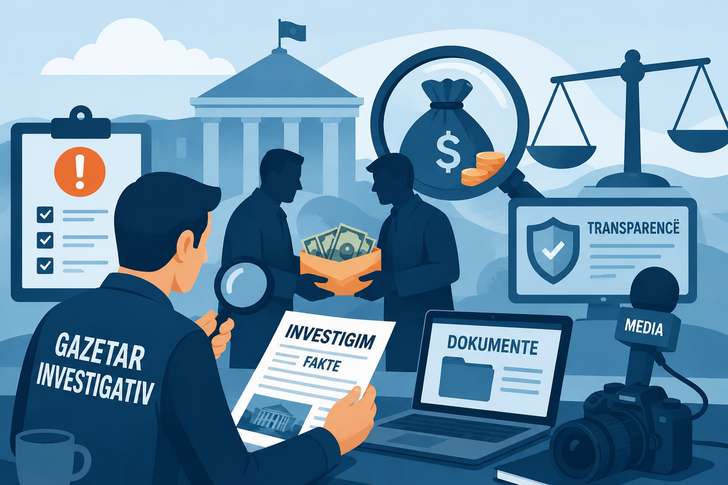
The question arises: Do journalistic investigations ha...

Talking about investigative journalism in Albania without ta...
A dubious tender, an unexplained fortune, a construction p...
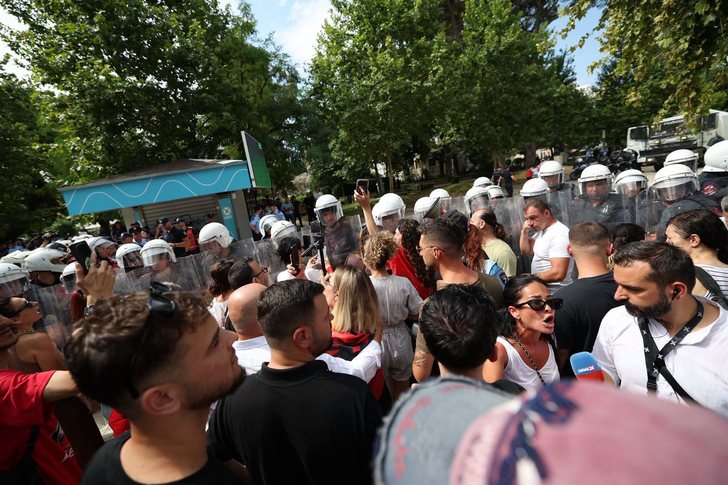
After they voted to destroy Albania's ports by charging Al...
One of the biggest deceptions sold to the public is the id...
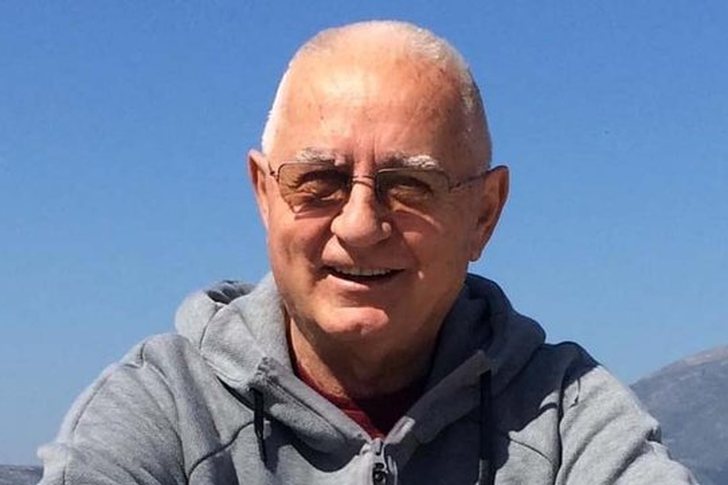
It was a coincidence. I had just arrived in Korça and pass...
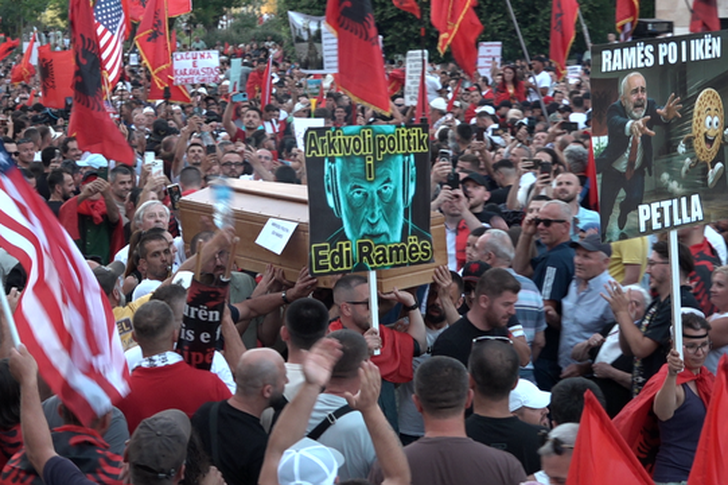
The coffin is one of the most powerful political symbols. ...
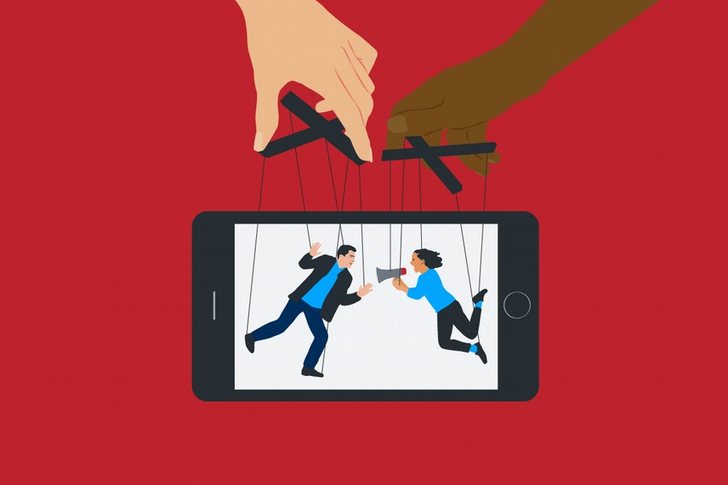
There are times when neutrality is not professionalism, bu...
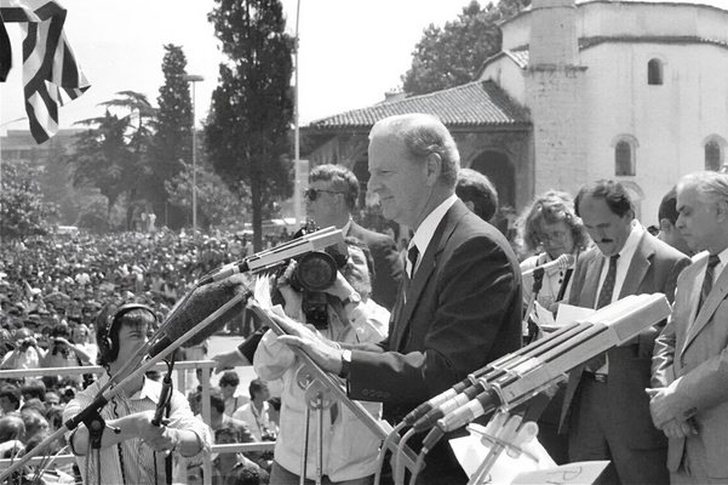
For millions of people, VOA was a beacon of hope and a win...
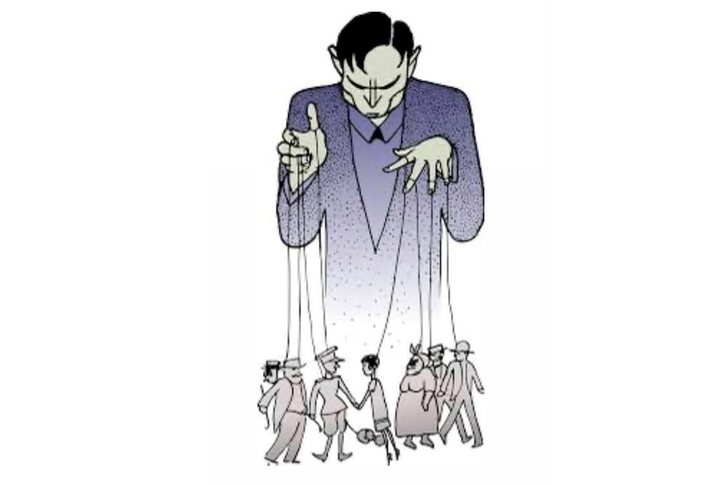
Machiavelli wrote in “The Prince” that it is safer to be f...
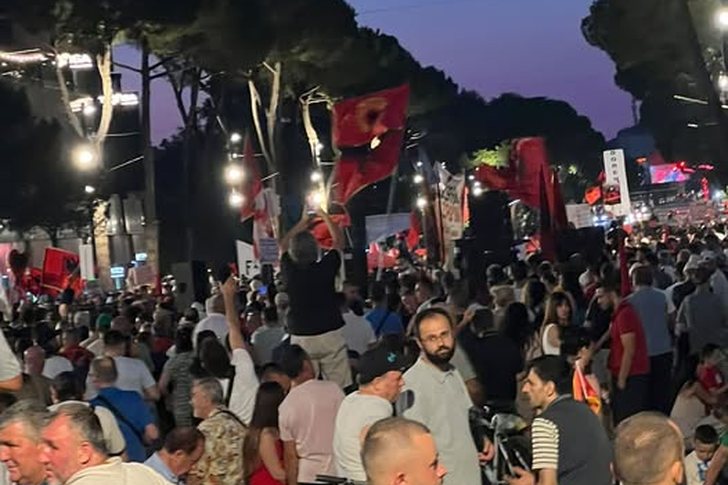
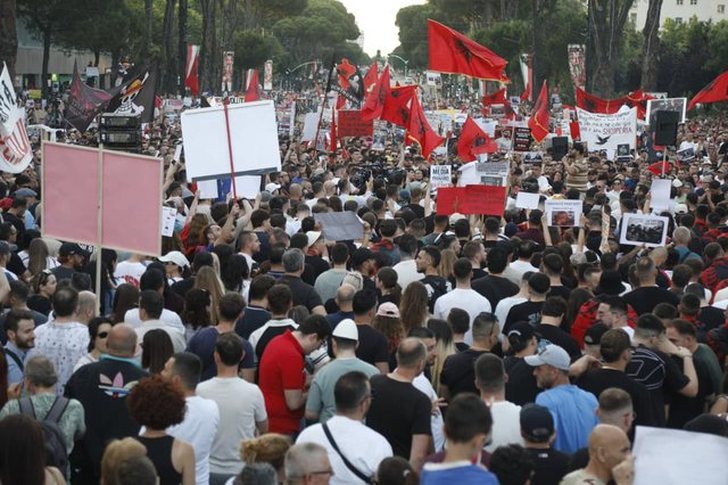
A protest is not simply a list of accusations against the ...
Marjana – the neo-Malaysian – (as the MP who left the floc...
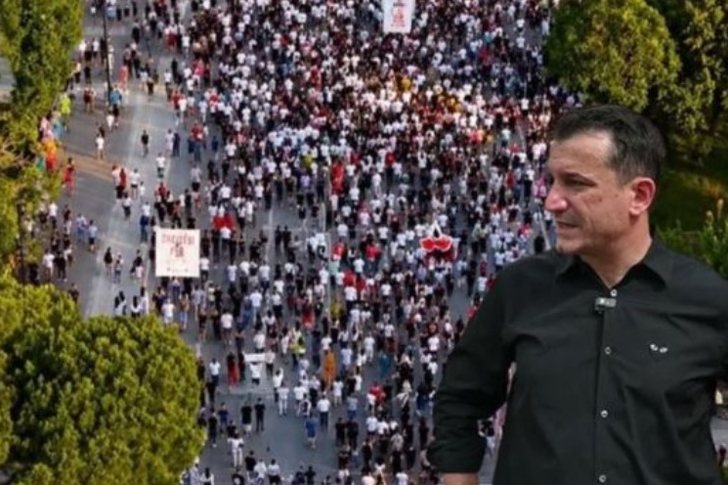
On July 1, the Constitutional Court released its decision,...
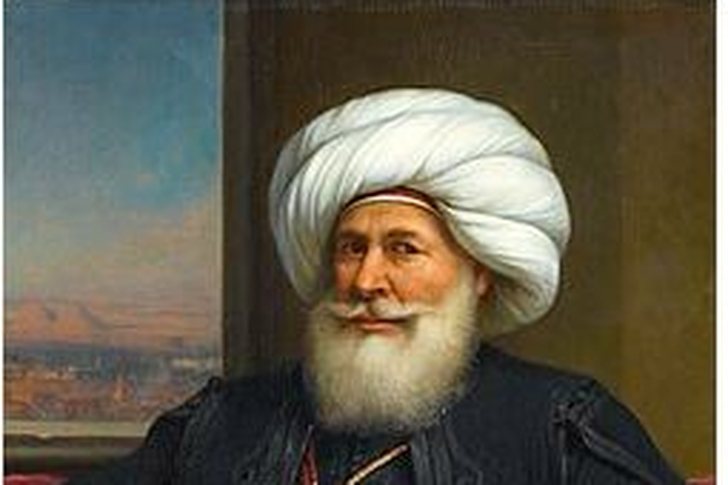
If you sit on the banks of the Nile for an afternoon and l...
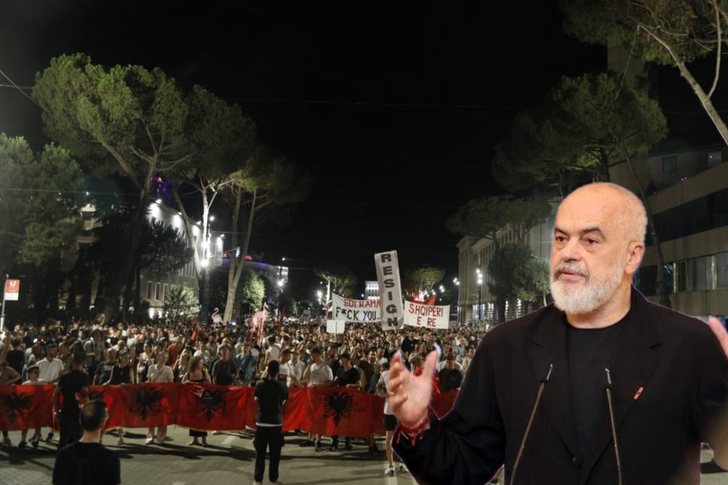
While Prime Minister Edi Rama intensified his media campai...
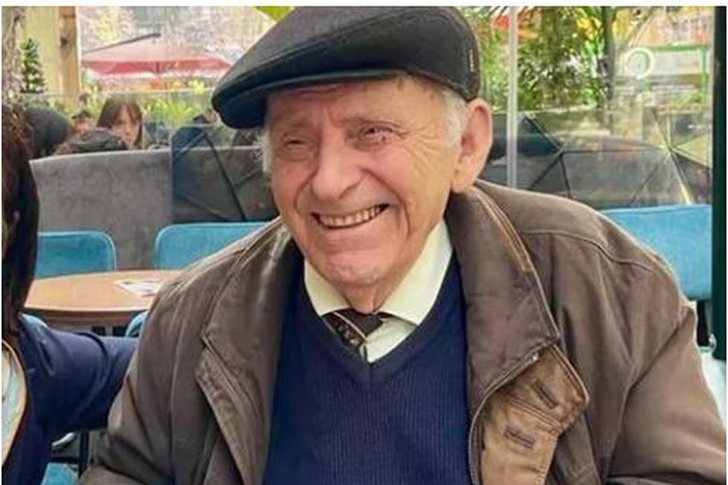
Ali Xhiku passed away quietly, just as he lived: quietly, ...
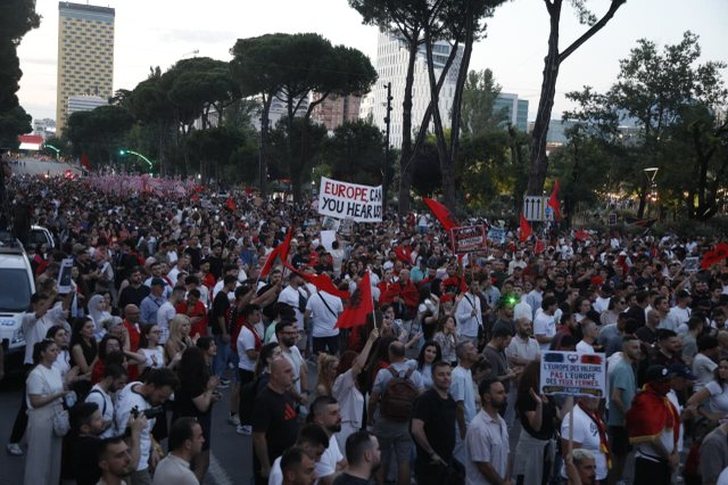
As the country moves towards Euro-Atlantic integration, pu...
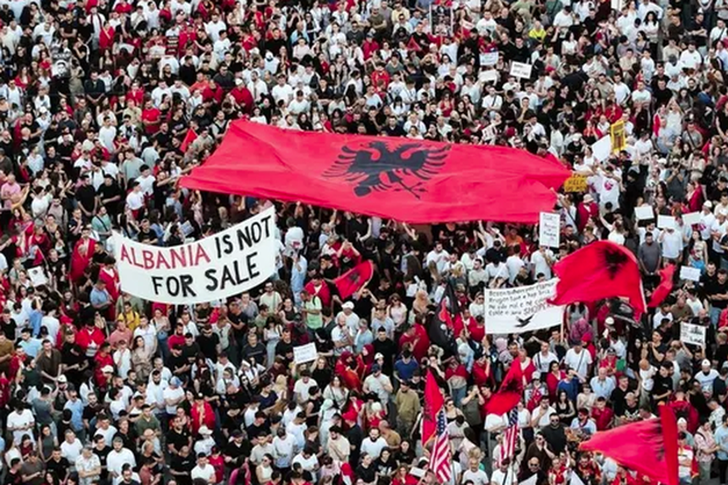
Një muaj sot dhe protesta nuk e rrëzoi pushtetin. Nuk e rr...
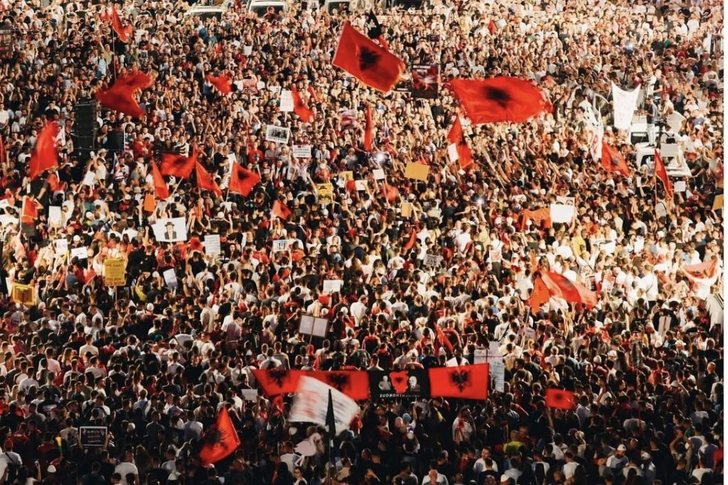
It's been almost a month and the civic protest continues t...
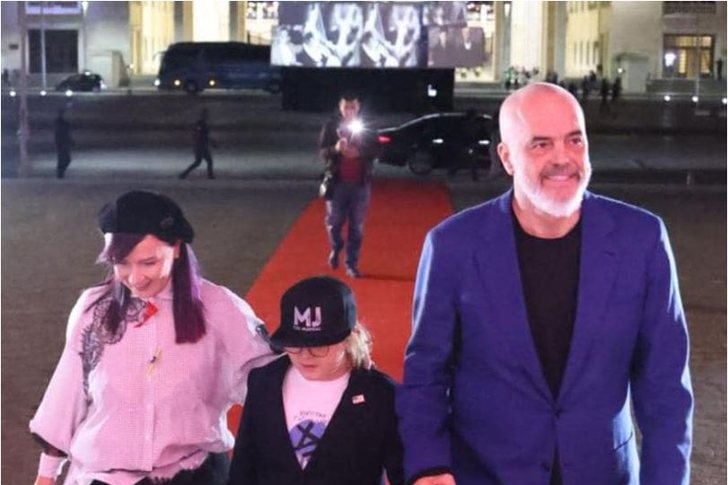
Politics is a ruthless arena. Whoever chooses to enter it mu...
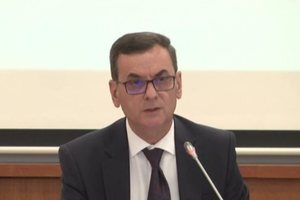
The justice reform claimed that it would bring faster, fai...
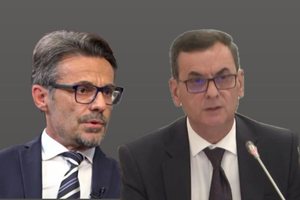
The Justice Reform and the vetting process were trumpeted ...
After revealing the property portfolio in Tirana, Kavaja, ...
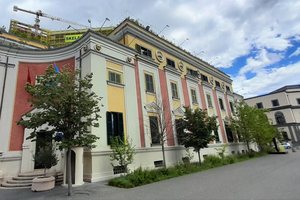
Four months ago, on March 11, CNA sent an official letter ...

The Special Board of Appeal (KPA) decided this Monday ...

The KPA vetting decided this Thursday to dismiss the p...

Suela Salavaçi, a prosecutor in the Prosecutor's Offic...

The Special Board of Appeal reinstated the prosecutor ...
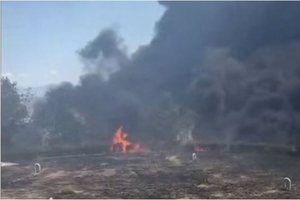
Fier Police has issued an official announcement regarding ...
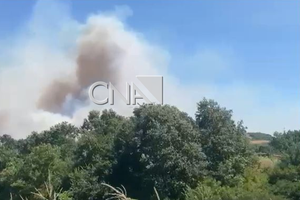
A large area of land in the village of Drizë, Fier, has ...
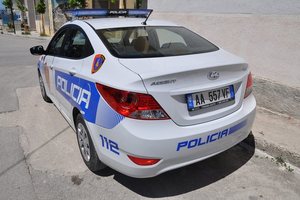
The Vau i Dejës police have prevented a criminal incident ...
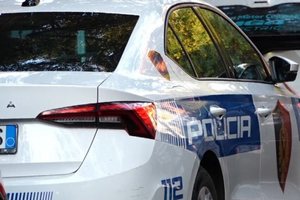
An axe attack occurred today in neighborhood no. 1 in Korç...

On Sunday, our country will be affected by stable weather ...
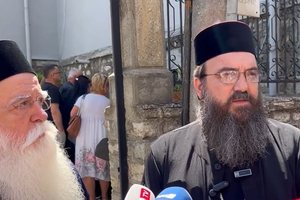
A day dedicated to health, solidarity and cooperation betw...
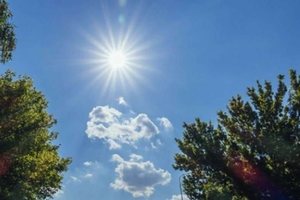
On Saturday, our country will be affected by relatively un...
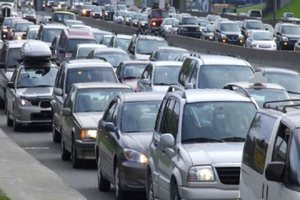
Heavy traffic is turning movement in Tirana into an exhaus...
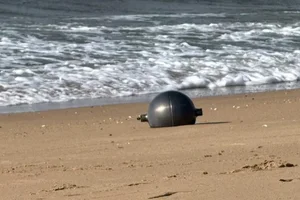
Authorities in Australia are investigating the origin of m...
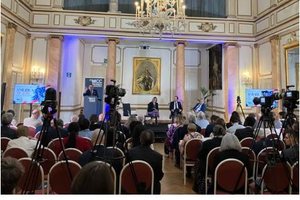
Under the glittering chandeliers of a neoclassical ballroo...
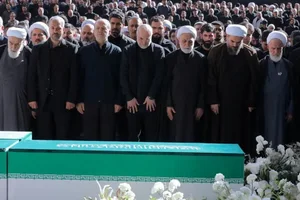
Iran's Supreme Leader, Mojtaba Khamenei, was absent from h...
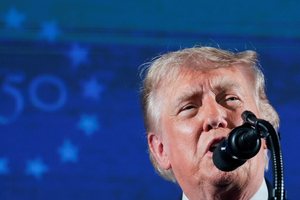
Ukrainian President Volodymyr Zelensky and the Kremlin ann...
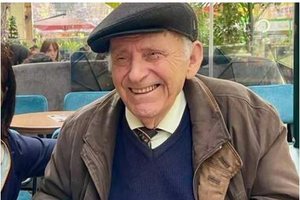
Professor and literature scholar Ali Xhiku has passed away...
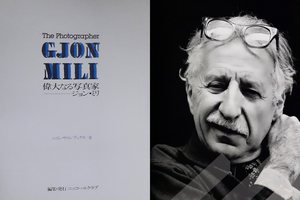
During my research into the life and artistic photographic...
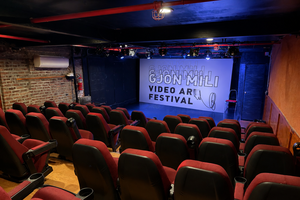
This year's edition of the Gjon Mili International Video A...
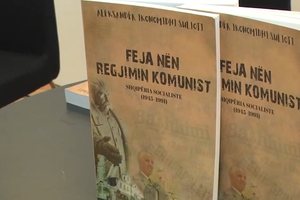
The promotion of the book by author Aleksandër Ikonomidhi ...
This Sunday, one US dollar is bought for 81.3 lek and sold...
When it comes to 10 key economic issues, the debate in Alban...
This Saturday, one US dollar is bought for 81.3 lek and so...
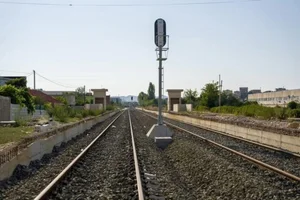
The loan agreement for the electrification of the Tirana-D...