

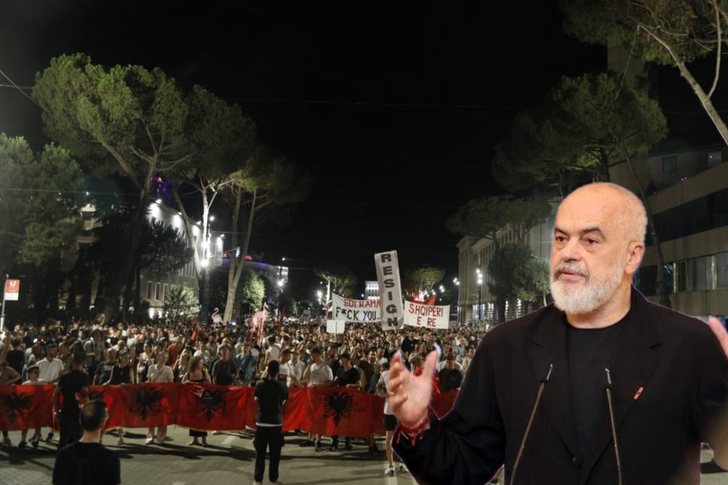
The government's fairy tales versus the reality of citizens in protest
While Prime Minister Edi Rama intensified his media campai...


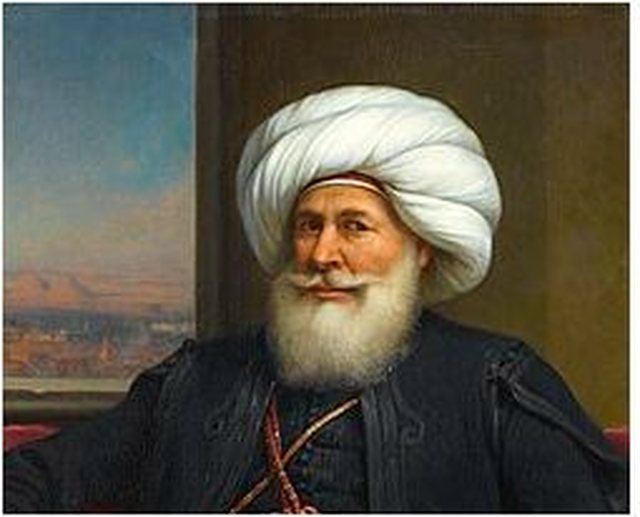
If you sit on the banks of the Nile for an afternoon and let its gentle flow guide your thoughts, you will realize that the water remembers not only the places it flows through, but also the people who have shaped its history. Centuries ago, a young man from the Balkans brought with him the spirit of the Albanian mountains and the horizon of the sea to rewrite the fate of this ancient land. Mehmet Ali Pasha did not just change the course of Egyptian history; he sowed the seeds of an enduring friendship, which today, in a world troubled by profound geopolitical changes, is once again flourishing as a vital bridge between Europe and Africa.
Any reflection on modern Egypt must begin with the state-building vision of this prominent figure of Albanian origin. Born in Kavala, to a family with documented roots in Zëmblak, Korça, he arrived on the banks of the Nile to write one of the most important chapters in the history of modern Egypt. Breaking the shackles of stagnation, Mehmet Ali and his dynasty led Egypt for nearly 150 years. They built a modern army, consolidated the state administration, and gave the country the consciousness of a regional power. This legacy, widely documented in Arab and European historiography, remains a strong spiritual bridge between the Albanian and Egyptian people.
Today’s Egypt, under the leadership of President Abdel Fattah El-Sisi, is consolidating its position as a regional power and strategic actor on the African continent. Through giant infrastructure projects, from the New Administrative Capital to the expansion of intercontinental corridors such as the Egypt-Libya-Chad axis, the country is investing in new arteries of economic integration. By supporting the African Continental Free Trade Area and South-South cooperation, Egypt is emerging as an important engine of stability and economic development in Africa.
This continental role is naturally reflected in relations with the Balkans and Albania, which have entered a new phase of development. The reactivation of the Joint Economic Commission has opened up new opportunities for investment in trade, science and technology. Agreements between the Albanian Investment Development Agency (AIDA) and the General Authority for Investment and Free Zones of Egypt demonstrate concrete economic interest, while initiatives for the movement of labor and the engagement of Egyptian professionals in Albania show that cooperation is turning into real economic interdependence.
Innovation knows no geographical boundaries. One of the most ambitious initiatives is the concept of a submarine fiber optic cable that would connect Albania with Egypt. This project aims to transform Albania into a digital hub for Europe, while Egypt into the main gateway for data transmission to Africa and Asia. Although still in the conceptual phase, this initiative proves that the two countries share not only a historical heritage, but also the ambition to build together the strategic infrastructure of the 21st century.
This vision is consistent with the diplomatic and geopolitical weight that Egypt has historically wielded as one of the leading voices in the Arab world. President Anwar Sadat remains a symbol of political courage in the search for peace, while today Egypt plays a decisive role in brokering ceasefires in the Israeli-Palestinian conflict and in managing crises in Libya, Sudan and Somalia. Alongside this political influence, Egypt continues to exercise great cultural and religious power through Al-Azhar University, the most prestigious institution of Sunni Islam.
At the conclusion of this shared journey, the time has come to take a new step. On the occasion of the 70th anniversary of the establishment of diplomatic relations between Albania and Egypt, I propose the creation of the 'Mehmet Ali Pasha' Center for Global Civilization, with headquarters in Albania and Egypt. This center can serve as an institutional bridge between Europe and Africa, a platform for intercontinental dialogue, a scientific incubator for technology, and a center of excellence for global challenges, from climate change to food security. Drawing on the Albanian model of interfaith harmony and the moderate tradition of Al-Azhar, it will contribute to promoting tolerance, dialogue, and peaceful coexistence.
Mehmet Ali Pasha saw in Egypt the opportunity to build a modern state. Today, through the strategic partnership between Cairo and Tirana, this spirit can take on a new dimension. By combining their economic, technological, cultural, and human potential, Albania and Egypt are not only strengthening bilateral relations; they have the historic opportunity to build a new bridge of cooperation between Europe and Africa for decades to come.
Dr. Arben Ramkaj
Chairman of the Institute for Cultural and Interreligious Dialogue in Albania
Director of the Department of the Middle East and the Muslim World
Albanian Institute for International Studies (AIIS)

While Prime Minister Edi Rama intensified his media campai...

Ali Xhiku passed away quietly, just as he lived: quietly, ...
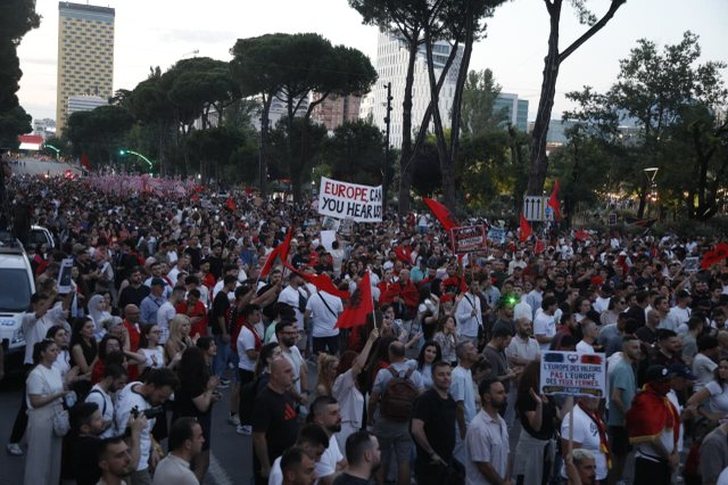
As the country moves towards Euro-Atlantic integration, pu...
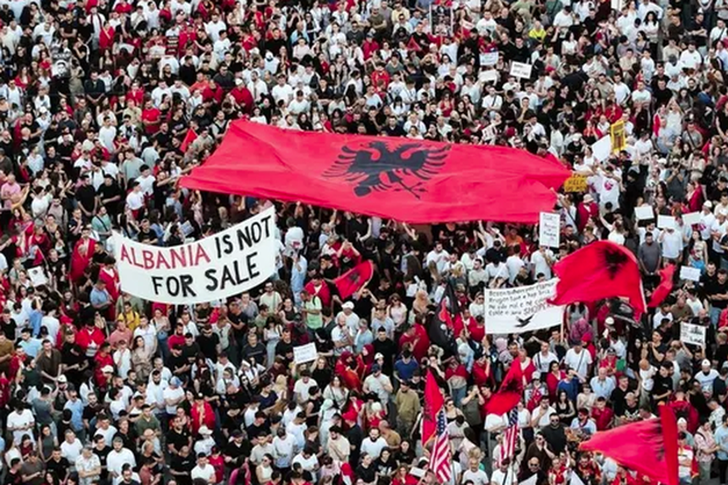
Një muaj sot dhe protesta nuk e rrëzoi pushtetin. Nuk e rr...
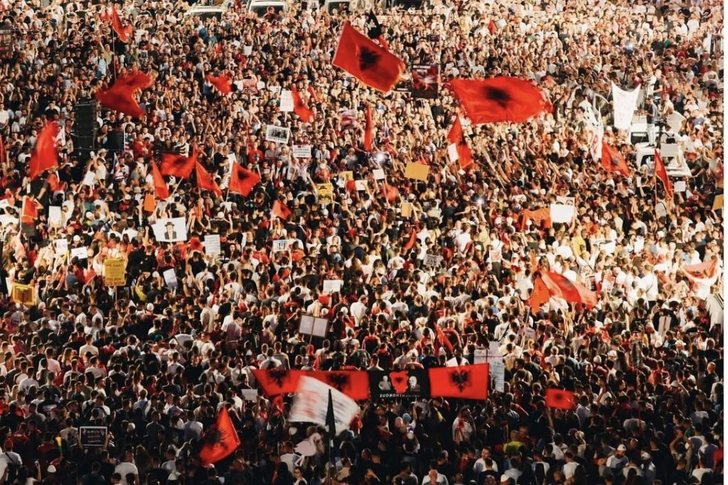
It's been almost a month and the civic protest continues t...
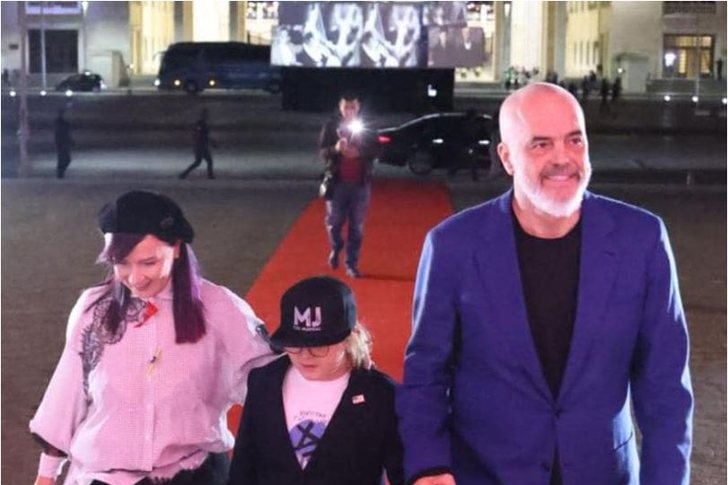
Politics is a ruthless arena. Whoever chooses to enter it mu...
The Freedom Eagles protest in the Capital has given oxygen t...

This is my third time watching “House of Cards” on Netflix, ...
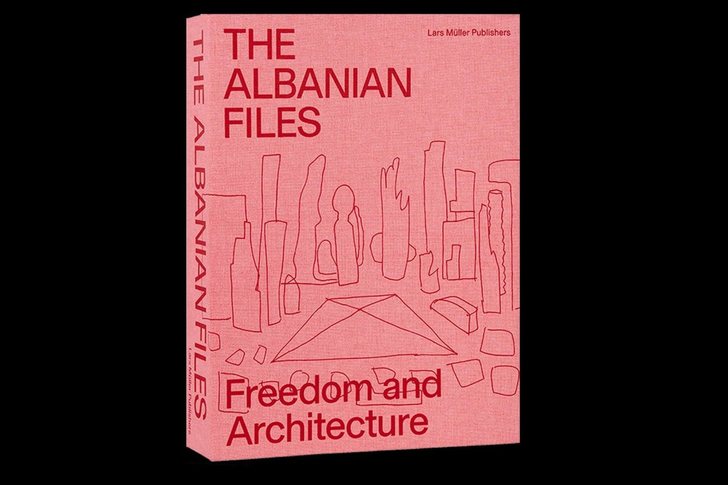
"Albanian Files" is a book that predicts that Albania will...
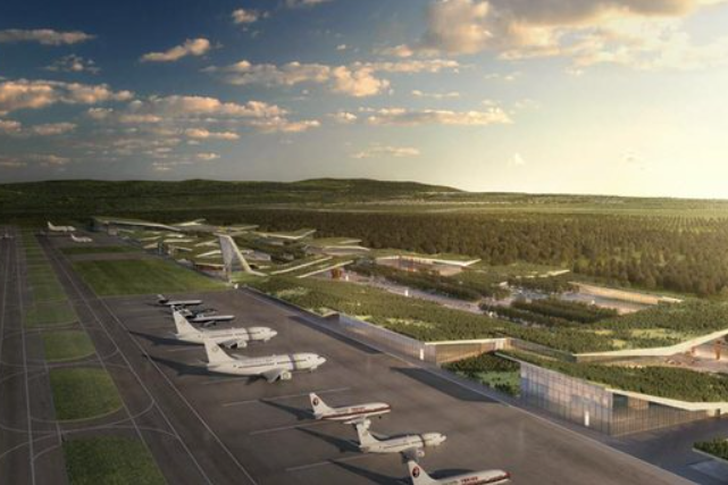
How to understand what is happening at Vlora Airport/ 7 CO...
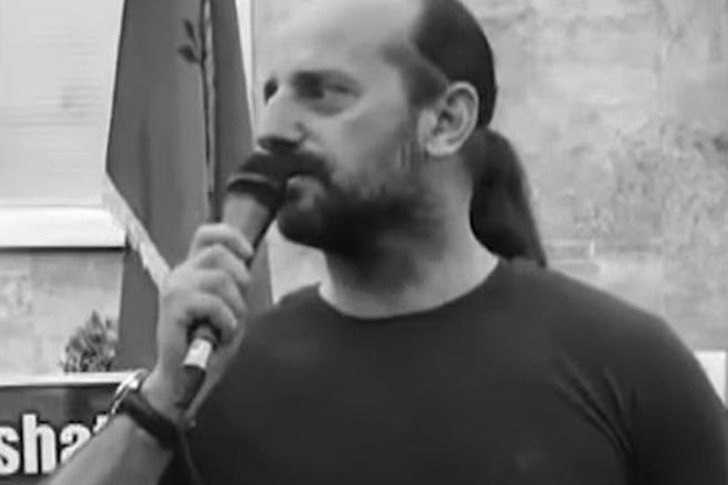
The discovery or fabrication, and subsequent public use of...
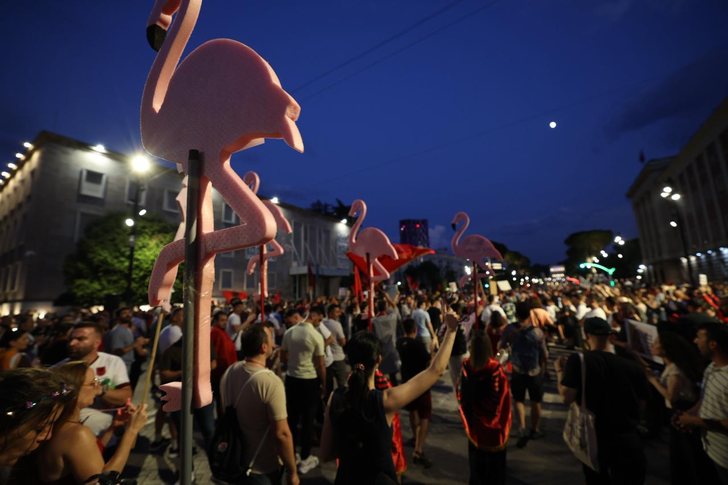
There is no official answer to the simple question: why ar...
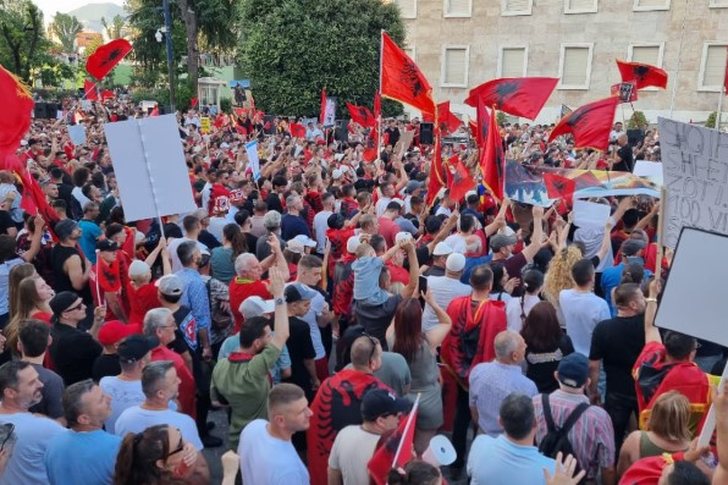
The July 4th protest, declared "nationwide," if not proper...
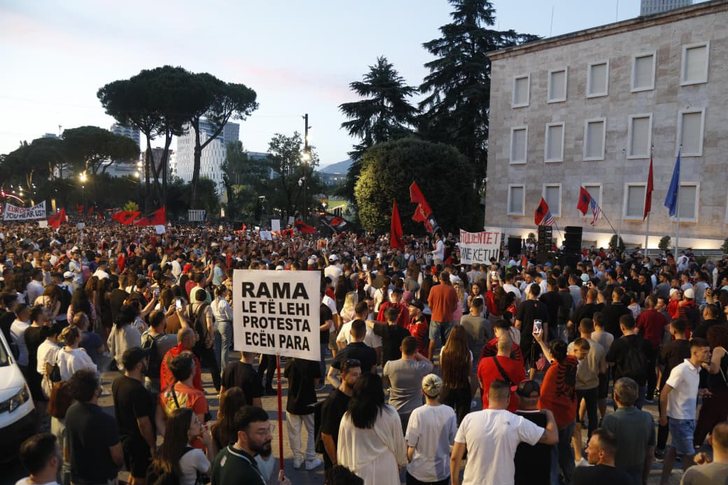
In a country where the Prime Minister has set up drug cart...
IRANIAN AGENT AND ALBANIAN PRIME MINISTER So, finally, th...
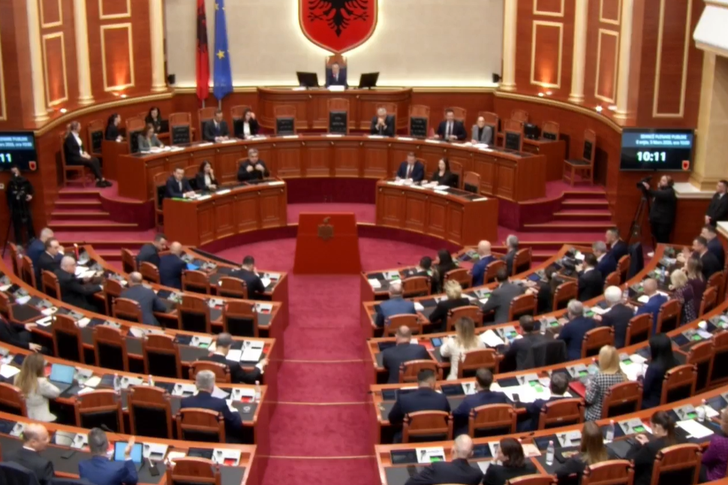
In politics, but not only, it has become a habit to sell a...
Today my sister received her monthly pension, a disability...
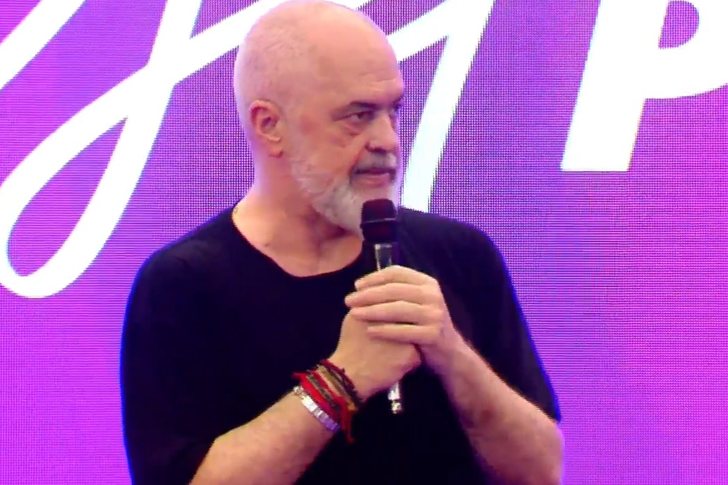
Edi Rama is not trying to win against the protest, but aga...
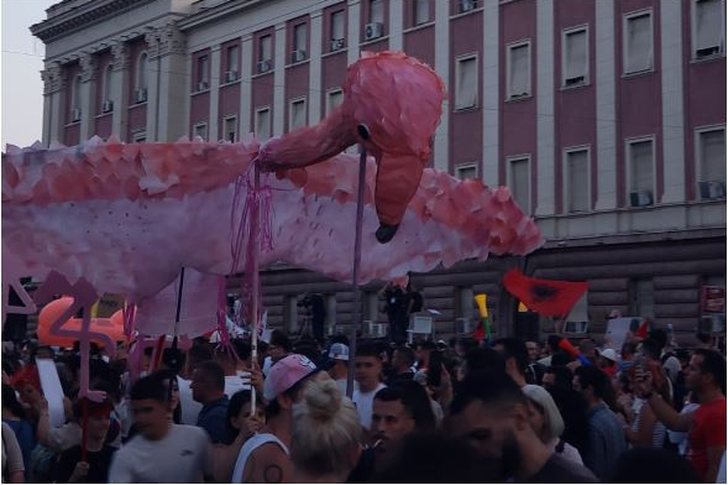
Let's put it bluntly, because Albanians are tired of the l...
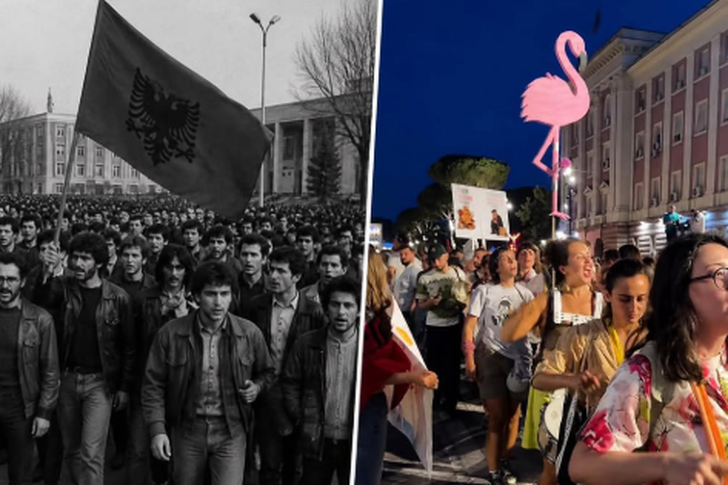
I do not deny that as a participant in the '90 Student Mov...
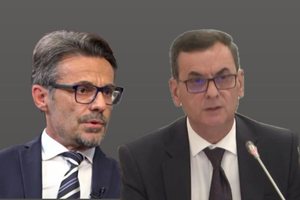
The Justice Reform and the vetting process were trumpeted ...
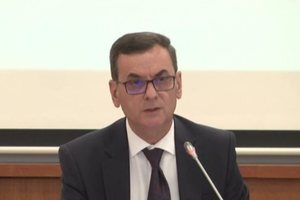
After revealing the property portfolio in Tirana, Kavaja, ...
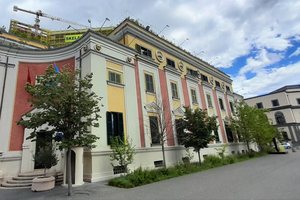
Four months ago, on March 11, CNA sent an official letter ...
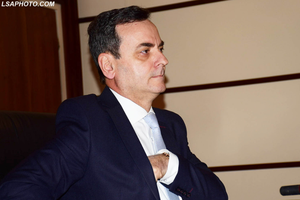
Sokol Sadushi, the president of the Supreme Court, is the ...

The Special Board of Appeal (KPA) decided this Monday ...

The KPA vetting decided this Thursday to dismiss the p...

Suela Salavaçi, a prosecutor in the Prosecutor's Offic...

The Special Board of Appeal reinstated the prosecutor ...
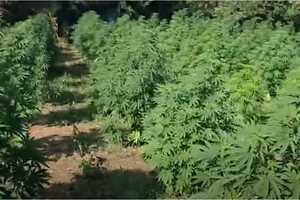
Fier police have cracked down on a case of narcotic plant cu...
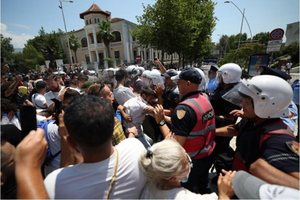
Tirana police have arrested 19 people and prosecuted 12 ot...
A serious incident occurred on Thursday afternoon in the M...

A vehicle caught fire today in neighborhood no. 4 of the c...

Heavy traffic is turning movement in Tirana into an exhaus...
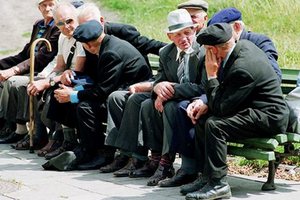
While Albania has one of the lowest retirement rates in Eu...

Employment in the public sector expanded further in 2025, ...

On Friday, our country will be affected by relatively unst...
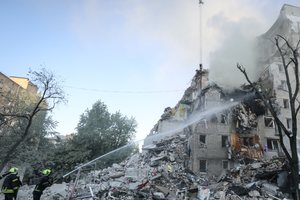
Russia carried out one of the largest attacks on the Ukrai...
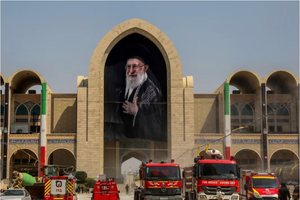
Four months after he was assassinated at the start of the ...
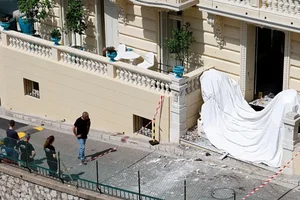
A suspect has been identified in the investigation into a ...
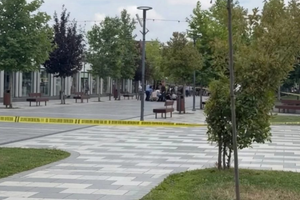
A serious shooting incident rocked the city center of Podu...

Professor and literature scholar Ali Xhiku has passed away...
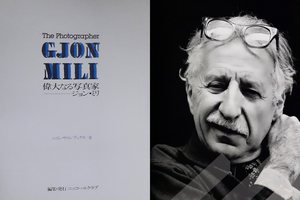
During my research into the life and artistic photographic...
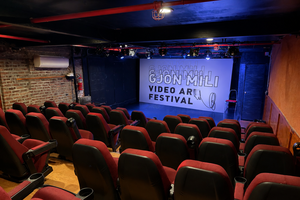
This year's edition of the Gjon Mili International Video A...

The promotion of the book by author Aleksandër Ikonomidhi ...
This Friday, one US dollar is bought for 81.2 lek and sold...
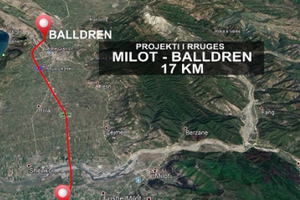
Whenever a new infrastructure project is announced, the fi...
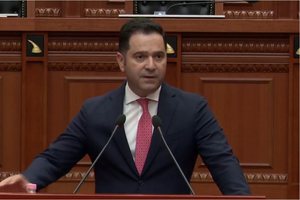
Minister of Finance, Petrit Malaj, spoke in today's plenar...
This Thursday, one US dollar is bought for 82 lek and sold...