


"January 21" issue/ Braho: Still under investigation, we cannot resolve it in this session
Present at the Laws Committee, where he reported on the an...

Present at the Laws Committee, where he reported on the an...

While Albania has one of the lowest retirement rates in Europe, Albanian men are the ones who want to leave work later than any other people in Europe, according to the latest report of the European Working Conditions Survey (EWCS 2024).
On average, they state that they would like to work until the age of 67.4, the highest level among the 35 countries analyzed, which include European Union countries, the Western Balkans, EFTA countries and several other European states.
Albania's figure is significantly higher than in other countries. It is followed by Denmark (66.5 years), Norway (65.9), Sweden (65.9) and the Netherlands (65.5), countries with some of the highest living standards and most developed pension systems in Europe.
The contrast with the region is even greater. In Kosovo, men would like to retire at the age of 65, in Serbia at 63.7, in North Macedonia at 62.8, in Bosnia and Herzegovina at 62.5, while in Montenegro only at 61.7. This means that Albanians are willing to stay in the labor market for up to almost 6 years longer than Montenegrins and about 5 years longer than Bosnians.
According to the report, the preferred retirement age is not only related to the ability to work, but also to the economic motivation to continue working. In countries where pensions are low or financial insecurity is greater, the desire to work longer often reflects economic necessity rather than personal choice.
Other data from the Social Security Institute in Albania shows that many people who retire in recent years do not receive full payment, as they do not complete their working years. According to the ISSH, about 55% of the country's 641,085 pensioners were treated with a partial pension, at a time when the average value of this payment was only 13,500 lek, while the average pension reached 20 thousand lek, from 19.6 thousand lek in 2024, an amount that is practically not enough even for medicine, let alone for food and care.
INSTAT data also shows that the number of working pensioners is increasing, "replacing" young people, with the latter preferring to emigrate. The number of pensioners who declared that they were working was 130 thousand in 2025, increasing by 10 thousand people, being 12% of the employed from 15 to 64 years old.
Albanian women also want to retire later
Albanian women also rank among the countries where later retirement is preferred. On average, they state that they would like to retire at the age of 63.5, ranking among the first in Europe.
Vetëm Norvegjia (65.5 vjeç), Danimarka (65.4), Suedia (65.3) dhe Holanda (65 vjeç) kanë vlera më të larta. Në rajon, gratë shqiptare deklarojnë një moshë më të lartë se në Kosovë (63.2), Mal të Zi (62.8), Bosnjë-Hercegovinë (62.4), Maqedoninë e Veriut (61.5) dhe Rumani (61.4).
Megjithatë, ndryshe nga burrat, Shqipëria nuk mban vendin e parë për gratë, pasi vendet nordike dominojnë renditjen.
Raporti analizon tre tregues për secilin vend:
-moshën që njerëzit do të donin të dilnin në pension;
-moshën ligjore të pensionit;
-moshën aktuale kur qytetarët dalin realisht në pension, bazuar në të dhënat e Eurostat.
Raporti thekson se mosha e preferuar e daljes në pension është një tregues i rëndësishëm, pasi pasqyron jo vetëm gjendjen shëndetësore të punonjësve, por edhe pritshmëritë ekonomike, cilësinë e vendeve të punës dhe besimin se pensioni do të sigurojë një standard të pranueshëm jetese.
Për të kuptuar motivimin e punonjësve për të qëndruar në tregun e punës, Anketa Europiane e Kushteve të Punës (EWCS) pyeti të anketuarit e moshës 45 vjeç e lart deri në çfarë moshe do të dëshironin të punonin. Pyetja ishte: “Duke menduar për daljen në pension, deri në çfarë moshe do të donit të punonit?”
Të anketuarit që dhanë një moshë konkrete u klasifikuan në këtë kategori, ndërsa ata që nuk specifikuan një moshë u grupuan në tre alternativa: “të punoj sa më gjatë të jetë e mundur”, “të dal në pension sa më shpejt të jetë e mundur” ose “nuk e di”.
Rreth 68% e punonjësve përmendën një moshë konkrete, ndërsa 32% dhanë një përgjigje tjetër. Një pjesë e konsiderueshme, 21%, shprehën dëshirën për të vazhduar punën pa një kufi të caktuar, duke deklaruar se do të punonin sa më gjatë të ishte e mundur. Në të kundërt, 12% thanë se do të donin të dilnin në pension sa më shpejt të ishte e mundur.
Pse njerëzit duan të punojnë më gjatë
Sipas raportit, vendimi për të vazhduar punën nuk përcaktohet vetëm nga aftësia fizike. Motivimi për të qëndruar në tregun e punës ndikohet nga faktorë të tillë si: kushtet e punës; të ardhurat nga puna; niveli i pensionit të pritshëm; mundësia për të gjetur punë edhe në moshë më të madhe; shëndeti dhe mirëqenia.
Autorët vlerësojnë se politikat që synojnë rritjen e moshës së daljes në pension duhet të shoqërohen me masa që përmirësojnë kushtet e punës dhe u japin mundësi njerëzve të qëndrojnë aktivë në tregun e punës.
Dallime të mëdha mes dëshirës, ligjit dhe realitetit
Raporti evidenton se në shumë vende europiane ekziston një hendek i madh mes moshës që njerëzit do të donin të dilnin në pension, moshës së përcaktuar me ligj dhe asaj kur dalin realisht.
Për burrat, mosha e preferuar varion nga 60.7 vjeç në Slloveni deri në 67.4 vjeç në Shqipëri. Në shumicën e vendeve njerëzit do të donin të dilnin në pension më herët sesa e lejon ligji, ndërsa në Shqipëri ndodh e kundërta: mosha e preferuar është më e lartë se mosha ligjore.
For women, preferences range from 59.7 years old in Slovenia to 65.5 years old in Norway, while Albania, with 63.5 years old, ranks in the group of countries with the highest preferences.
The report also notes that in Southern and Eastern Europe, including the Balkan countries, people tend to actually retire earlier than the legal age, while Nordic countries show a much greater match between the legal age, the actual age, and citizens' preferences.
The report concludes that the desire to work longer is not necessarily an indicator of a more attractive job market. In many cases, it reflects economic necessity and the perception that retirement income will not be enough to maintain a standard of living after retirement./ Monitor.al


Employment in the public sector expanded further in 2025, ...

On Friday, our country will be affected by relatively unst...

Today is characterized by hot and mostly clear weather thr...

On Wednesday, our country will be affected by relatively s...
A field inspection has begun in the Maliq area, after the ...
Heavy rainfall accompanied by strong winds has caused prob...

Albania will be affected this Tuesday by relatively stable w...
On Monday, our country will be affected by stable weather ...
The heat wave that has swept across Europe is also causing...

The Director-General of the World Health Organization, Ted...

The Institute of Geosciences has today shared a forecast r...
Villages are facing one of the most serious demographic cr...
On Sunday, our country will be affected by stable weather ...
Today our country will be affected by stable weather condi...

Today, mainly stable weather conditions. According to the...

Today, our country will be affected by almost the same met...

As climate change warms coastal waters in northern Europe,...
Today, our country will be affected by almost the same met...

Turkish police said on Tuesday they had arrested more than...
Today, our country will be affected by relatively stable w...
The Justice Reform and the vetting process were trumpeted ...
After revealing the property portfolio in Tirana, Kavaja, ...
Four months ago, on March 11, CNA sent an official letter ...
Sokol Sadushi, the president of the Supreme Court, is the ...

The Special Board of Appeal (KPA) decided this Monday ...

The KPA vetting decided this Thursday to dismiss the p...

Suela Salavaçi, a prosecutor in the Prosecutor's Offic...

The Special Board of Appeal reinstated the prosecutor ...

Tirana police have arrested 19 people and prosecuted 12 ot...
A serious incident occurred on Thursday afternoon in the M...

A vehicle caught fire today in neighborhood no. 4 of the c...

A lightning strike has struck a herd of cattle on Nikollar...

Heavy traffic is turning movement in Tirana into an exhaus...
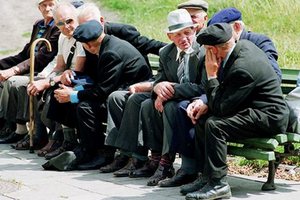
While Albania has one of the lowest retirement rates in Eu...

Employment in the public sector expanded further in 2025, ...

On Friday, our country will be affected by relatively unst...
Russia carried out one of the largest attacks on the Ukrai...

Four months after he was assassinated at the start of the ...

A suspect has been identified in the investigation into a ...
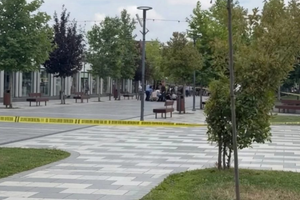
A serious shooting incident rocked the city center of Podu...

Professor and literature scholar Ali Xhiku has passed away...

During my research into the life and artistic photographic...

This year's edition of the Gjon Mili International Video A...
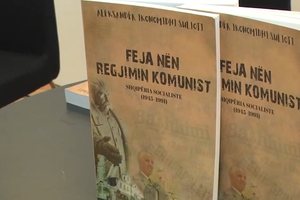
The promotion of the book by author Aleksandër Ikonomidhi ...

This Friday, one US dollar is bought for 81.2 lek and sold...
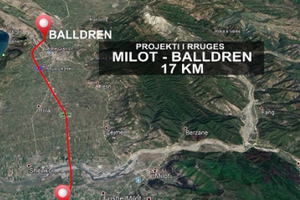
Whenever a new infrastructure project is announced, the fi...
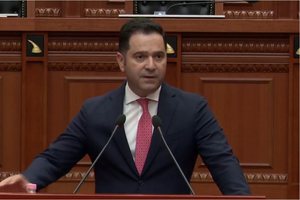
Minister of Finance, Petrit Malaj, spoke in today's plenar...

This Thursday, one US dollar is bought for 82 lek and sold...