New heat wave/ WHO warns Europe: This could be the "deadliest week"
The World Health Organization (WHO) has warned that Europe...

The World Health Organization (WHO) has warned that Europe...

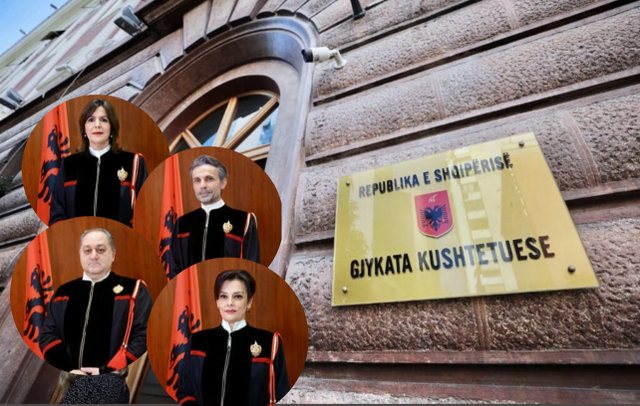
The justice reform was also built on a simple idea, where each institution exercises the powers granted to it by the Constitution and no one replaces the other.
The Criminal Courts investigate and judge the facts, the Supreme Court ensures the uniform application of the law, while the Constitutional Court controls respect for the Constitution and fundamental rights. This is the constitutional model. The problem arises when this balance is disrupted.
For some time now, in criminal cases with a high political profile, the Constitutional Court is no longer limited to constitutional review, but enters a territory that the Constitution does not recognize; that of re-evaluation of evidence, analysis of reasonable doubt, evaluation of investigative acts and elements of criminal proceedings. This has transformed it from a constitutional court into a kind of “supercourt” above the GJKKO, the Court of Appeal and the Supreme Court.

As we said in the previous article that you can read ( HERE ), this is particularly worrying in cases like that of Erion Veliaj or the debates that have accompanied the use of SKY ECC evidence. In these cases, the criticism is not related to the fact that the Constitutional Court exercises constitutional control, because this is its duty, but to the way in which this control, according to critics, extends to the reassessment of elements that belong exclusively to the ordinary courts.
If a Constitutional Court begins to decide what evidence is sufficient for reasonable doubt, which investigative acts are convincing, or how evidentiary material should be assessed, then it is no longer controlling the Constitution, but is replacing the Criminal Courts.

The paradox becomes even greater when one considers the composition of the Constitutional Court. In theory, it is not necessary for every member of the Court to have been a judge. This is a choice that is also known in other constitutional systems. But when a court begins to act as a court of fact, the question naturally arises whether its members have the practical experience necessary to replace the judgment of professional criminal judges who have spent decades adjudicating cases.
This is precisely where much of the criticism of members of the Constitutional Court, including Sandër Beci, Gent Ibrahimi, Sonila Bejtja and Fiona Papajorgji, has been focused.
According to these critics, their decision-making in some cases has led to the expansion of the powers of the Constitutional Court beyond the limits provided for by the Constitution, bringing it closer to the function of a de facto Criminal Court.
This situation creates serious consequences that go beyond a specific case. It sends a demotivating signal to judges and prosecutors who conduct complex investigations and trials. When their decision-making can be called into question not for constitutional violations, but for the way they assessed the evidence, there is a concrete risk that institutional boundaries will become blurred.
A state of law does not operate on the basis of the belief that any court can do the work of any other court. On the contrary, it relies on the rigorous respect of competences. The Constitutional Court is not designed to replace the GJKKO, the Court of Appeal or the Supreme Court. The moment it enters into the assessment of evidence and facts, it undermines the very constitutional architecture it is supposed to protect.

If this perception is consolidated especially in matters where important political figures are concerned, while it is not observed with the same intensity in matters of ordinary citizens, then a serious problem of public trust arises. Justice must not only be impartial, but also appear to be so.

Justice reform is certain to fail if the institution that should guarantee respect for the Constitution is perceived as a link that interferes in the criminal process beyond its competence.
And those four members we mentioned above are certainly too small to risk that colossal investment that was made with the justice reform, but we can no longer allow their actions to pass in silence as they have done so far. They must be monitored and analyzed. Without any complexes.
We are not dealing with individuals with an unquestionable reputation, but with individuals who, behind the accidental title of “judge”, seek to hide in order not to be judged by public opinion. We must remember at all times who they are, where they come from and where they expect to go. They are not members of the German Constitutional Court. They are just accidents that need to be viewed with a magnifying glass.

However, the solution is not to weaken the Constitutional Court, but to return it to the role that the Constitution has assigned to it as a guarantor of the Constitution and not a re-evaluator of criminal evidence nor a fourth instance of trial. Of course, with those names, this is difficult, if not impossible, but… it is necessary. /CNA

Ka një pyetje që prej kohësh në sistemin e drejtësisë kërk...
Wherever I have traveled during these weeks for work reaso...

When an affair breaks out, when a tender raises doubts, wh...
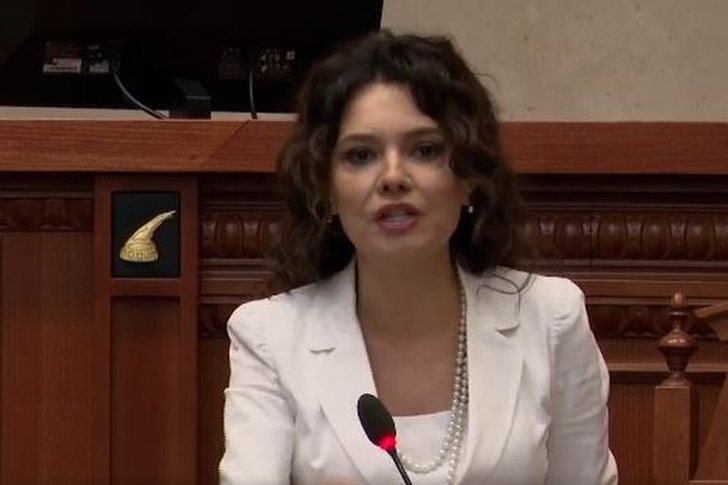
Elisa Spiropali has been a political protagonist in recent...

When the Albanian reader picks up the phone in the mor...

The salary comes once a month, but prices move almost ever...

A denunciation is not worth the noise it creates, but rath...
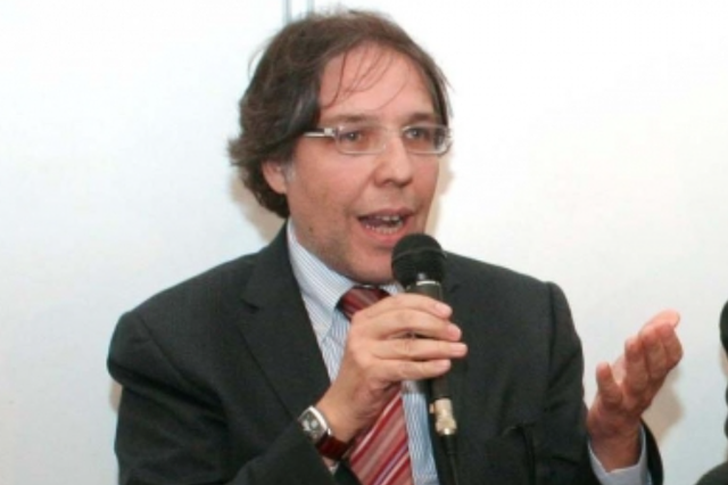
Carlo Bollino, when he left the Special Court today, decla...

A denunciation is not worth the noise it creates, but rath...

The state cannot act as a spectator in a hydrocarbon marke...
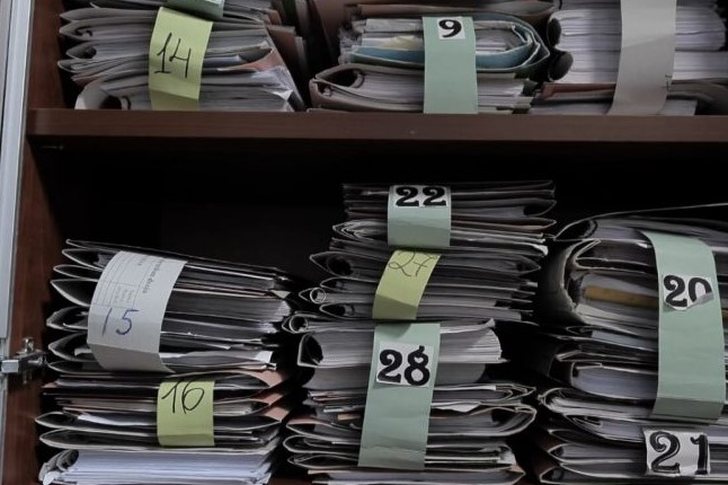
The public has become skeptical, and rightly so. It has se...

One of the oldest wounds of Albanian public life is the ga...
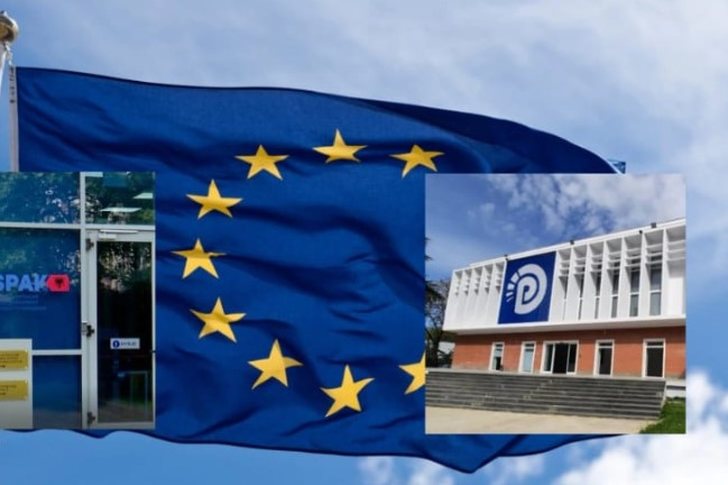
The Democratic Party is the official opposition and the la...

CNA.al is a digital Albanian, regional and international n...
Recent investigations by the Special Prosecution Office ha...
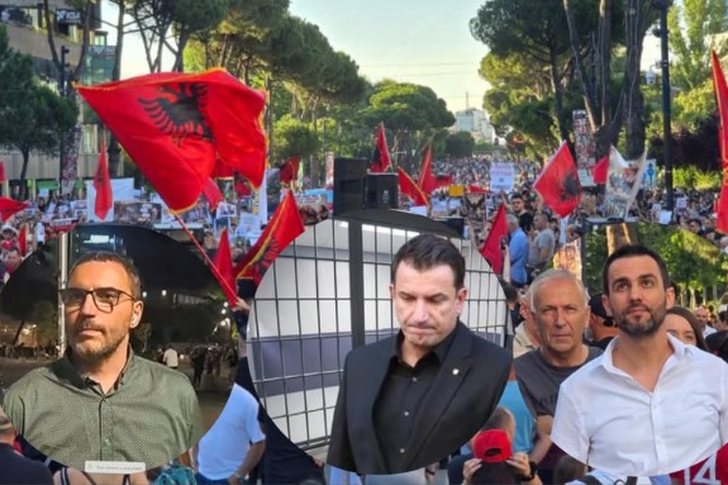
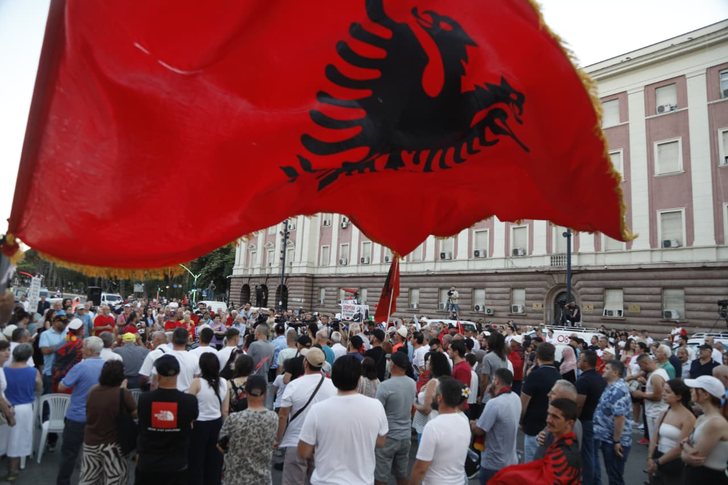
The ten-day protest that began in Tirana after an incident...
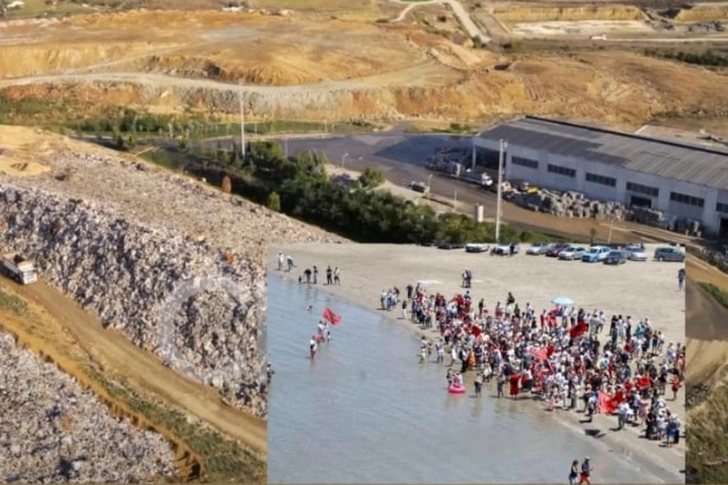
A group of environmentalists, some residents, but also...
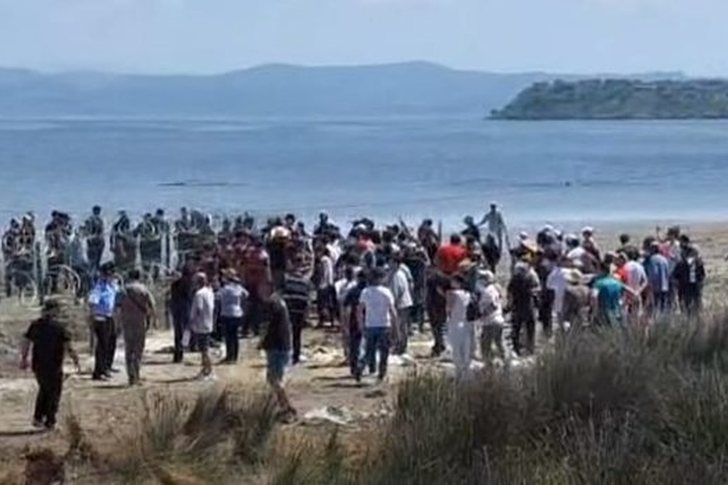
What happened in Zvërnec is being seen in different ways, ...

Një lajm plasi në rrjetet sociale në lidhje me një investi...
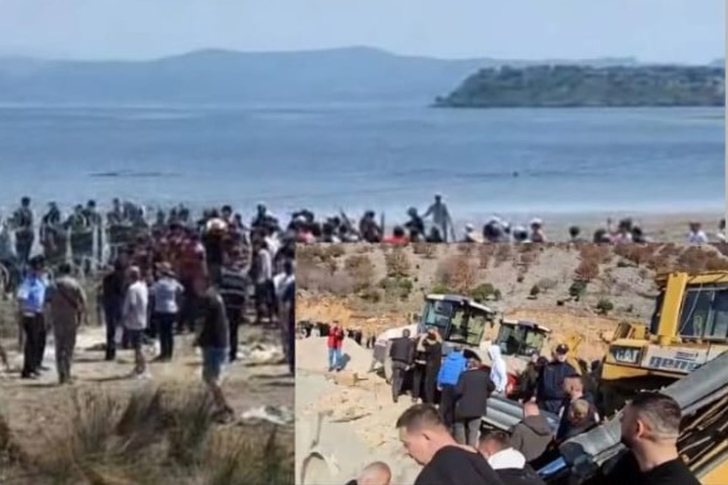
The media reported yesterday that there had been violence ...

The justice reform claimed that it would bring faster, fai...

The Justice Reform and the vetting process were trumpeted ...
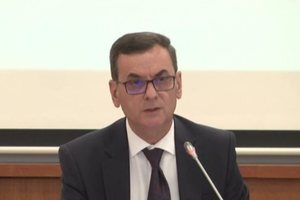
After revealing the property portfolio in Tirana, Kavaja, ...
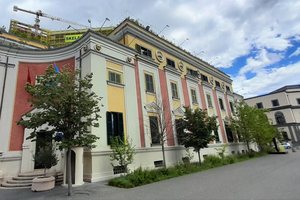
Four months ago, on March 11, CNA sent an official letter ...

The Special Board of Appeal (KPA) decided this Monday ...

The KPA vetting decided this Thursday to dismiss the p...

Suela Salavaçi, a prosecutor in the Prosecutor's Offic...

The Special Board of Appeal reinstated the prosecutor ...
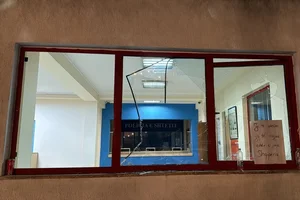
One person has been arrested, 7 have been prosecuted, and ...
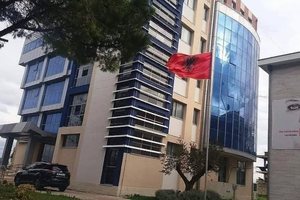
Fier Police have issued an official response regarding the...

The Serious Crimes Investigation Section, in cooperation w...

It is reported that a fire has broken out in the village o...

As Albania faces ongoing demographic challenges, the l...

Today our country will be affected by relatively unstable ...

In an interview with CNA TV, psychologist Bona Miekley sai...

Beyond the desire to be as elegant as possible on the mini...
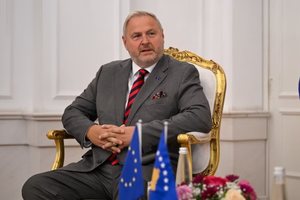
The rapporteur for Kosovo in the European Parliament, Riho...

NATO Secretary General Mark Rutte has called for a radical...

An investigation by the British media outlet "The Sun" cla...

Two explosions rocked central Damascus on Tuesday, at the ...
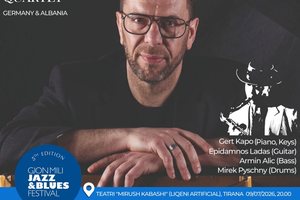
The German Embassy in Tirana has invited the Albanian publ...

Professor and literature scholar Ali Xhiku has passed away...

During my research into the life and artistic photographic...

This year's edition of the Gjon Mili International Video A...
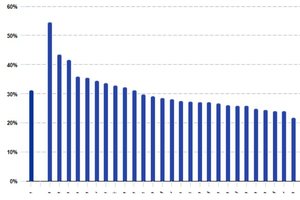
Turizmi në Shqipëri vijon të jetë i përqendruar kryesisht ...

The debate continues between the National Business Center ...

Since the launch of the real estate revaluation process in...

This Monday, one US dollar is bought for 81.2 lek and sold...