



You don't have to be a journalist to protect yourself from manipulation. A few simple but strict habits are enough. First, don't just read the headline. The headline is where manipulation is most often done. Read the body of the story and see if the headline's promise is backed up by facts.
Second, look for the original source. If it’s a report, decision, contract, statement, or statistic, the question is simple: where is the document? If it’s nowhere to be found, suspicion is legitimate. Third, look at what’s missing. Is there a response from the party mentioned? Is there a time context? Are full numbers given or just the fragment that’s convenient for the author?
Fourth, stay away from content that instantly turns you on emotionally. That's where manipulators work best. If a piece of news makes you angry within three seconds, stop. Quick emotion is often the gateway to deception.
A serious media outlet does not have the luxury of being careless with the facts. Mistakes happen, but the difference is how they are handled. Are they openly corrected or hidden? Is the public clarified or is the mistake covered up with a new story? Credibility is not built by claiming infallibility. It is built by showing standards.

This is especially true for media outlets that claim to have a critical voice. If the denunciation is not supported by evidence, it turns into noise. If the attack on the government is made without documents, it gives the government an alibi to say that every accusation is slander. Therefore, strong journalism is not noisy journalism. It is the journalist who bears the weight of his word with evidence.
For a media outlet like CNA, which has its identity in uncensored access, the challenge is even greater. Being direct does not mean being uncontrolled. On the contrary, the stronger the stance, the more ironclad the verification must be.

When we talk about facts versus media manipulation, in the end it's not just about professional standards. It's about the quality of public judgment. A society that feeds on half-truths votes poorly, reacts poorly, and perpetuates schemes that harm it. A disoriented citizen is easier to manipulate than an informed citizen.
Therefore, the battle for the truth is not a matter of journalistic aesthetics. It is a matter of public power. Whoever controls the narrative often controls the tolerance for abuse. And whoever accepts manipulation as normality paves the way for a reality where noise is worth more than evidence.

If we want more honest public debate, it's not enough to seek fast news. We must seek news that carries the burden of truth, even when it's inconvenient, delayed, or against the grain. /CNA

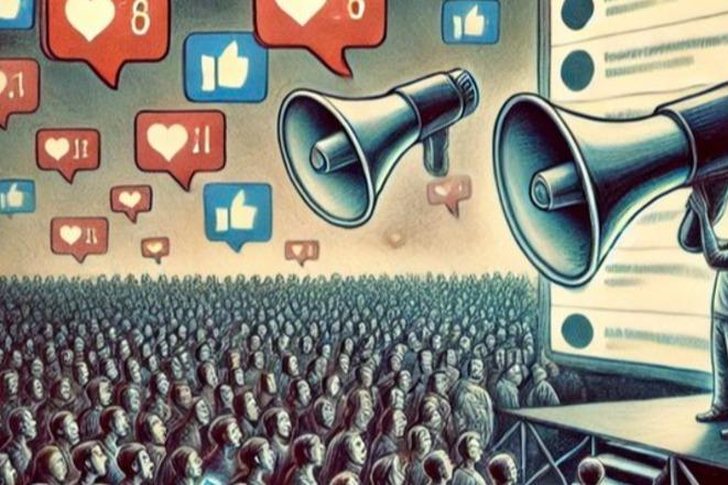
Media manipulation doesn't always come with an ugly face. ...

A bloated headline, a video cut at the right second, a sta...
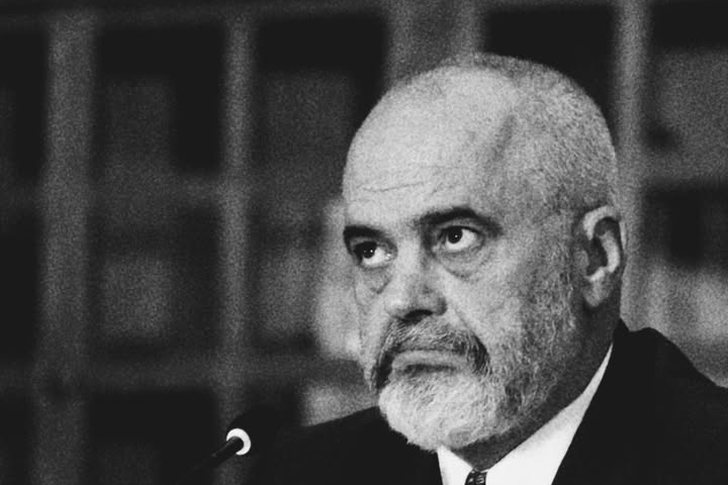
French magazines, German television, Italian reports, Belg...
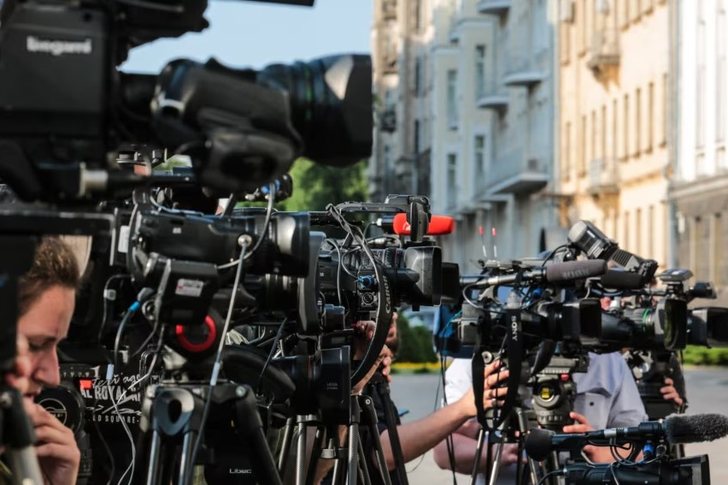
For a media outlet that claims to understand the pulse of ...
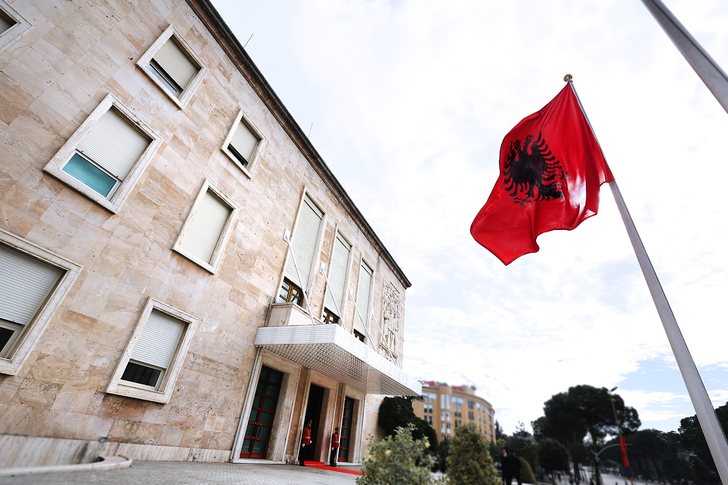
Part of the public anger is not just related to the conten...
When a new decision is announced by the government, the fi...

I wrote about a case of violence, where two girls beat up ...
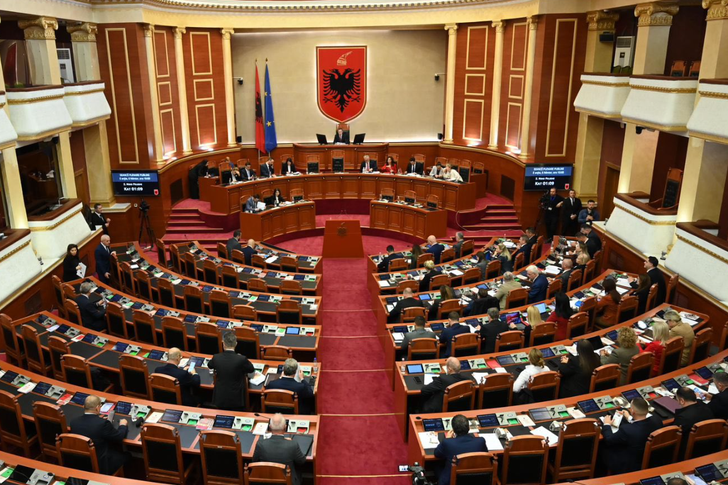
There is a limit to poverty. There is also a limit to patien...
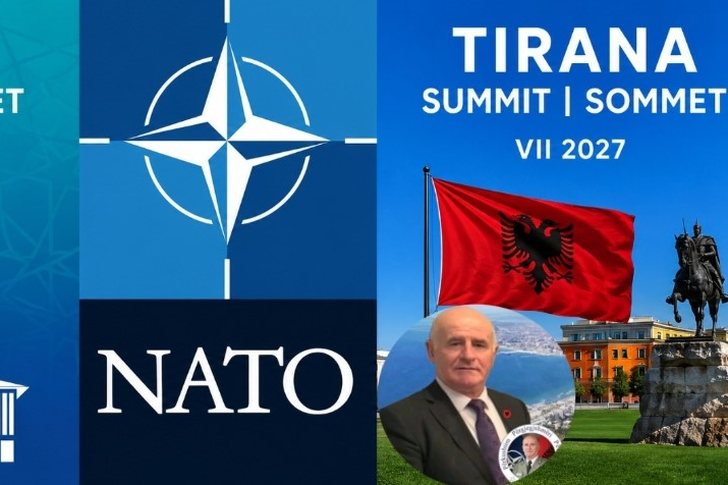
The eyes/attention of chancelleries, institutions, and the...

A dubious tender, an unexplained fortune, a construction p...
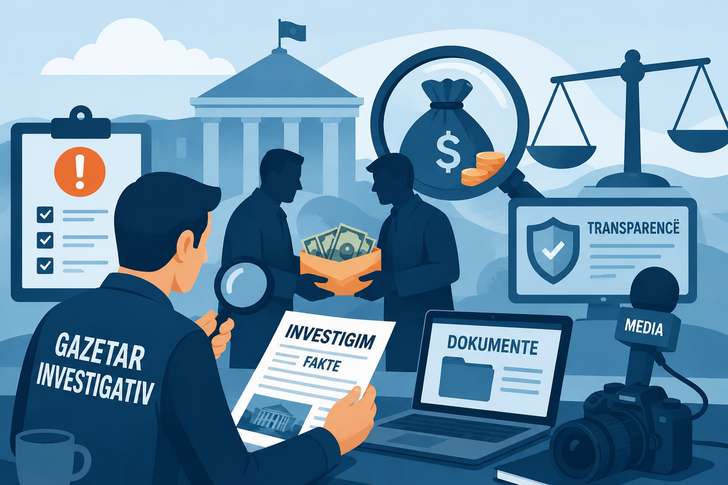
The question arises: Do journalistic investigations ha...

Talking about investigative journalism in Albania without ta...
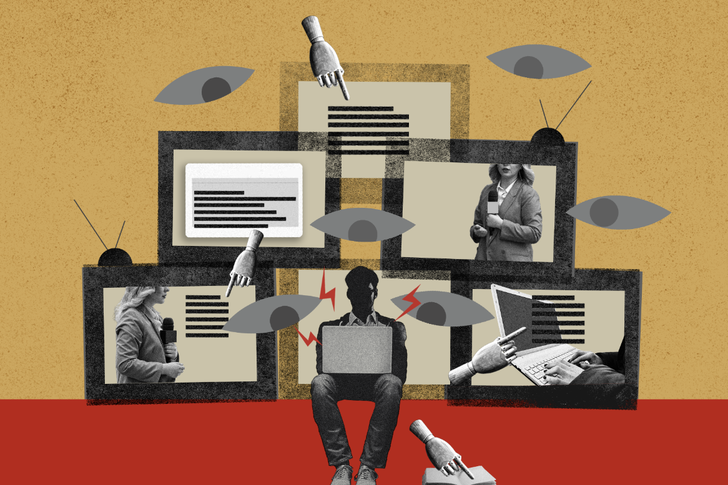
A dubious tender, an unexplained fortune, a construction p...
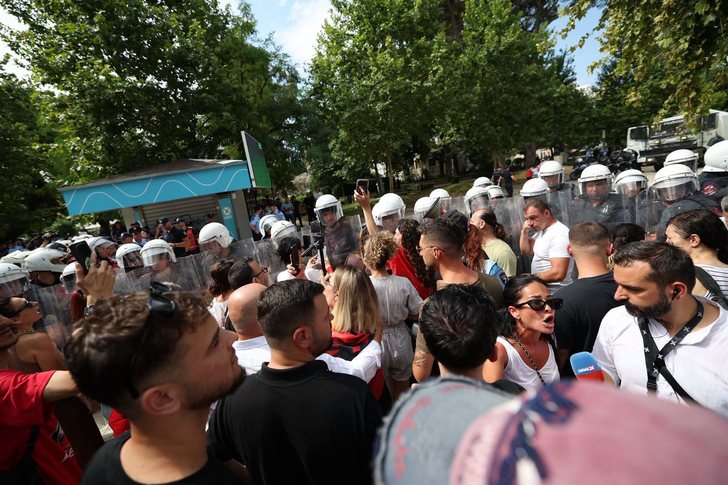
After they voted to destroy Albania's ports by charging Al...

One of the biggest deceptions sold to the public is the id...
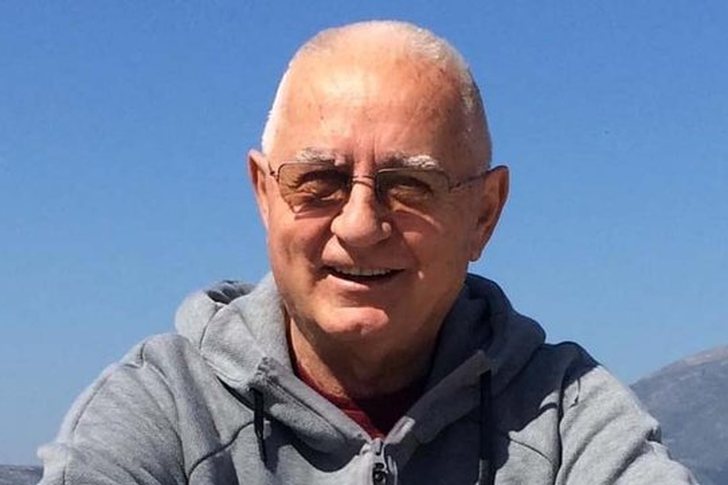
It was a coincidence. I had just arrived in Korça and pass...

The coffin is one of the most powerful political symbols. ...

There are times when neutrality is not professionalism, bu...
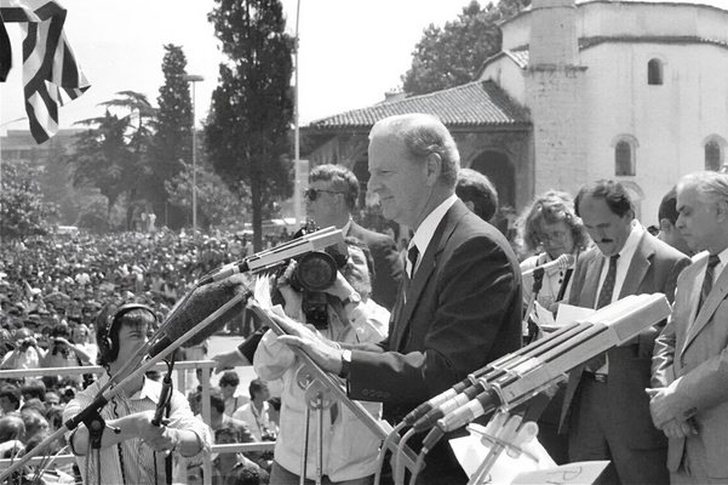
For millions of people, VOA was a beacon of hope and a win...
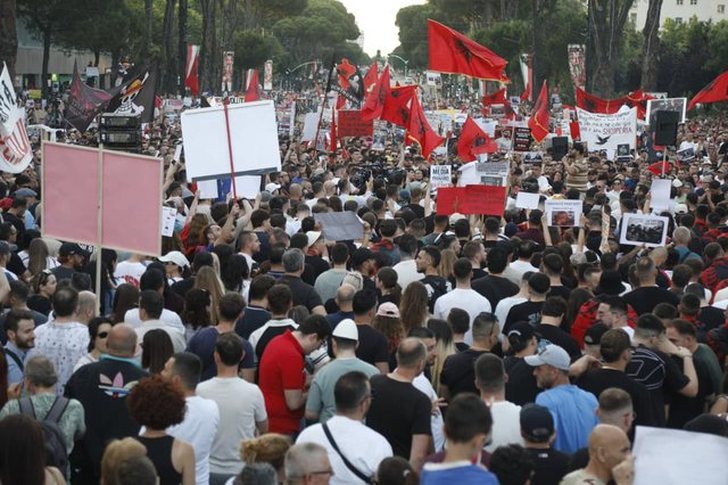
Machiavelli wrote in “The Prince” that it is safer to be f...
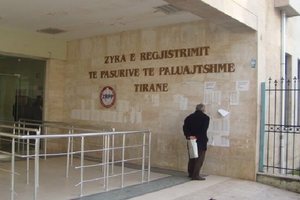
The word "fatherland" with properties is not enough. The m...

The justice reform claimed that it would bring faster, fai...
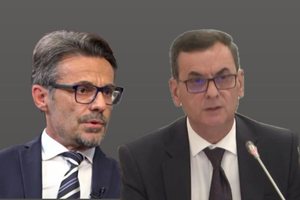
The Justice Reform and the vetting process were trumpeted ...
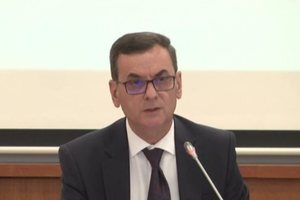
After revealing the property portfolio in Tirana, Kavaja, ...

The Special Board of Appeal (KPA) decided this Monday ...

The KPA vetting decided this Thursday to dismiss the p...

Suela Salavaçi, a prosecutor in the Prosecutor's Offic...

The Special Board of Appeal reinstated the prosecutor ...

Around four kilograms of cocaine were seized during a rout...

The mother of the 17-year-old raped in Fier has been l...
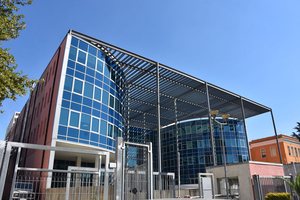
The Special Prosecution Office completed the investigation...

Today, on 07.07.2026, the Police Supervision Agency (AMP),...

Albania has been awarded two medals of honor at the awards...

Today our country will be affected by relatively unstable ...
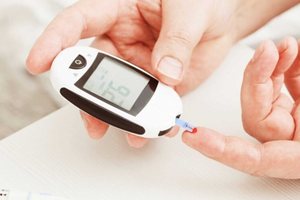
While the total number of deaths fell in 2025, those from ...

As Albania faces ongoing demographic challenges, the l...
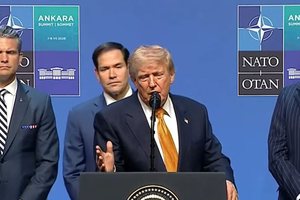
United States President Donald Trump speaks at a news conf...

US President Donald Trump has officially declared that the...
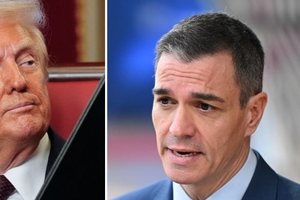
US President Donald Trump has shocked the NATO Summit ...
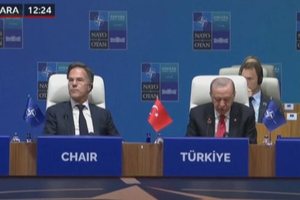
Turkish President Recep Tayyip Erdogan declared at the NAT...

The German Embassy in Tirana has invited the Albanian publ...

Professor and literature scholar Ali Xhiku has passed away...

During my research into the life and artistic photographic...

This year's edition of the Gjon Mili International Video A...
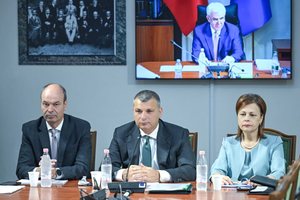
The Governor of the Bank of Albania, Gent Sejko, stated th...

The latest data published by the Institute of Statistics f...
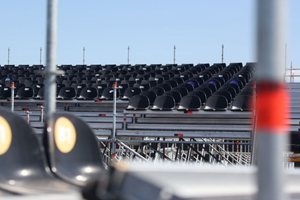
The government is providing 4 million euros for an event t...

A few days before Kanye West's concert in Tirana, the publ...