

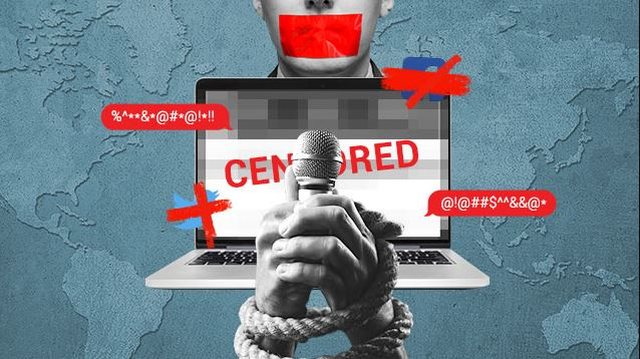
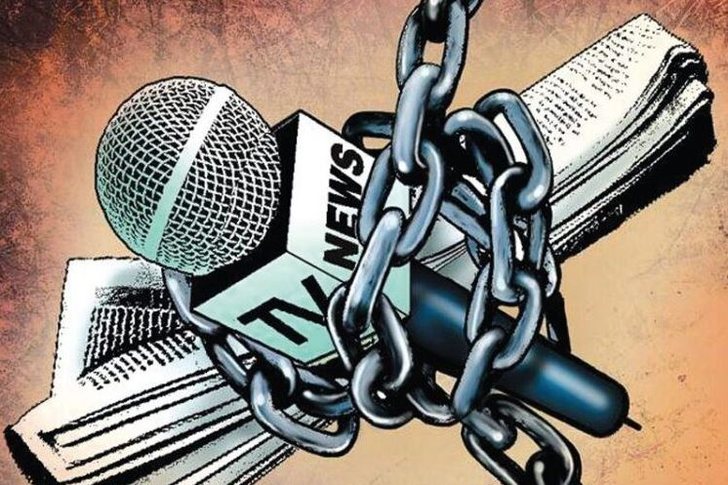
When a piece of news is not published, when a fact is softened, when a name is removed from the screen or when a question is not asked at all, that is where the real problem begins. The question “what is media censorship” is not simply academic. It is a question about power, about fear and about the public’s right to know what is happening without mandated filters.
Media censorship is the direct or indirect interference in the content produced and published by the media, with the aim of restricting, distorting or suppressing information. This can come from the state, owners, advertisers, interest groups, political parties, criminal networks or even from the editorial offices themselves through self-censorship.
On the surface it looks like “editorial care.” In practice, it often turns into control over what the citizen is allowed to see, hear, and understand.
In theory, censorship sounds like a brutal act - closing newspapers, banning broadcasts, seizing materials. These forms still exist, but today censorship often comes in a suit, with institutional smiles and polished justifications. A phone call from a minister's office. An advertiser who backs down. An owner who asks to "turn down the volume a bit". An editor who knows in advance what not to touch.
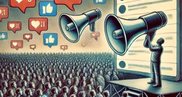
So, when we talk about media censorship, we're not just talking about outright banning. We're also talking about deliberate selection, purchased silence, attention shifting, and double standards. A scandal can be buried not by banning it altogether, but by shoving it at the bottom of the page, without a title, without follow-up, without a voice.
This makes modern censorship more dangerous. It doesn't always look like violence. It often looks like information management.
The purest form is state censorship. This occurs when the government uses law, institutions, licenses, fines, administrative controls, or political pressure to curb reporting. In countries with fragile democracies, this does not always happen by written order. A climate of fear is enough for journalists to understand the limits without anyone telling them.
Then comes economic censorship. This is more cynical, because it does not stifle the news with police, but with money. If a media outlet depends on a few big advertisers or public contracts, it becomes more exposed to pressure. When funding is tied to obedience, independence becomes decorum.
Një tjetër formë është censura pronësore. Pronari i medias nuk është thjesht investitor. Në shumë raste ai ka interesa biznesi, lidhje politike ose halle personale që i transferon në vijën editoriale. Këtu lajmi nuk filtrohet në emër të etikës, por në emër të interesit.
Më e përhapura, dhe shpesh më pak e pranuara, është autocensura. Gazetari nuk merr urdhër. Ai thjesht e di se çfarë sjell pasoja. E di cilët emra sjellin telefonata. E di cilat tema mbyllin dyer. Kështu fillon vetëfrenimi. Dhe kur autocensura bëhet rutinë, censori nuk ka më nevojë të shfaqet.
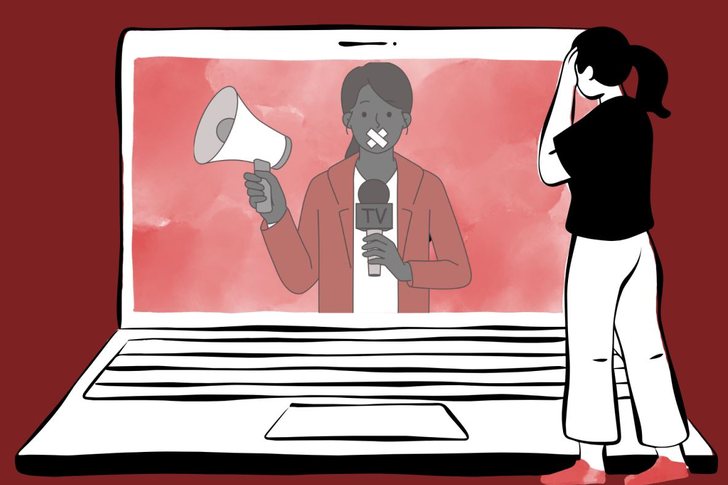
Shpesh censura paraqitet si problem i medias. Në të vërtetë është problem i shoqërisë. Kur informacioni filtrohet, qytetari voton më keq, debati publik varfërohet dhe abuzimi me pushtetin bëhet më i lehtë. Një publik i painformuar nuk është thjesht i hutuar. Është i manipulueshëm.
Nëse kronika minimizohet, publiku nuk kupton përmasën e pasigurisë. Nëse ekonomia trajtohet me gjuhë propagandistike, qytetari nuk lexon dot krizën reale. Nëse korrupsioni relativizohet, skandali humbet peshë dhe përgjegjësia tretet. Censura nuk heq vetëm lajmin. Ajo shtrembëron realitetin.
Pikërisht këtu dëmi bëhet politik. Jo domosdoshmërisht partiak, por thellësisht politik. Sepse kontrolli i informacionit është kontroll mbi perceptimin. Dhe kush kontrollon perceptimin, ndikon sjelljen kolektive.
Jo çdo vendim për të mos publikuar diçka është censurë. Kjo duhet thënë qartë. Një media ka detyrimin të verifikojë faktet, të mbrojë të miturit, të mos publikojë shpifje dhe të mos shërbejë si megafon i lajmeve të rreme. Heqja e një materiali të paverifikuar nuk është censurë. Është standard minimal profesional.
Por kufiri prishet kur “përgjegjësia” përdoret si alibi për të fshehur interesa. Kur një lajm bllokohet jo sepse është i pavërtetë, por sepse prek dikë të fortë, atëherë nuk kemi etikë. Kemi nënshtrim. Po ashtu, kur mediat bëhen tepër selektive me skandalet - të ashpra me kundërshtarët dhe të verbra me aleatët - publiku ka të drejtë të dyshojë se përzgjedhja nuk është profesionale.
Pra, dallimi është te arsyeja, transparenca dhe standardi i njëjtë për të gjithë. Nëse standardi ndryshon sipas emrit që përmendet, censura është futur nga dera e pasme.
Shumëkush mendon se interneti e ka vrarë censurën. Nuk është kaq e thjeshtë. Platforma dixhitale e ka bërë më të vështirë mbylljen totale të informacionit, por ka krijuar forma të reja kontrolli. Një lajm mund të mos fshihet fare, por të fundoset nga algoritmi, të sulmohet me fushata denigruese, të mbytet nga propaganda ose të relativizohet nga një lumë dezinformimi.
Në rrjetet sociale, censura nganjëherë maskohet si moderim, ndonjëherë si raportim masiv i organizuar, ndonjëherë si linçim digjital ndaj gazetarit. Në vend të urdhrit klasik “mos e publiko”, sot mund të ndodhë kjo: publikoje po deshe, por pastaj përballo sulmin, izolimin, kërcënimin dhe diskreditimin.
Kjo krijon një paradoks. Teknikisht ka më shumë hapësirë për të folur. Praktikisht, ka edhe më shumë mjete për të të bërë të heshtësh.
Publiku nuk ka gjithmonë prova të drejtpërdrejta, por ka sinjale. Kur disa tema përsëriten vetëm me një këndvështrim, kur disa emra nuk preken kurrë, kur skandalet trajtohen një ditë dhe më pas zhduken pa shpjegim, dyshimi është i arsyeshëm. Edhe gjuha tregon shumë. Kur raportimi mbushet me eufemizma për pushtetin dhe me ashpërsi vetëm për palët e dobëta, balanca është prishur.
Një tjetër shenjë është uniformiteti. Kur shumë media thonë të njëjtën gjë, me të njëjtin ritëm dhe me të njëjtin kujdes për të mos kaluar një vijë të padukshme, kemi arsye të pyesim nëse kemi pluralizëm real apo koreografi.
Edhe mungesa e hetimit është tregues. Një media mund të ketë shumë zhurmë, shumë tituj dhe shumë trafik, por pak gazetari reale. Nëse ka vetëm riprodhim deklaratash dhe pak ndjekje të aferave, censura mund të mos jetë spektakolare, por është efektive.
Humb së pari publiku, sepse i merret e drejta për të krijuar një gjykim të informuar. Humb gazetaria, sepse degradohet në shërbim ose dekor. Humb edhe vetë demokracia, sepse pa media të lira nuk ka kontroll real mbi pushtetin.
Por humb edhe tregu mediatik. Kur censura bëhet normë, konkurrenca nuk zhvillohet mbi cilësinë e informacionit, por mbi afërsinë me qendrat e ndikimit. Kjo prodhon media më të bindura, jo më të mira. Dhe në fund krijon cinizëm publik - atë ndjesinë se “të gjithë janë njësoj”, e cila është dhuratë për këdo që do të kalojë pa llogari.
Pikërisht për këtë arsye, një media që mban qëndrim “Pa censurë!” nuk po luan me sloganin. Po vendos vijën e konfliktit atje ku duhet: te e drejta e publikut për të mos u ushqyer me versionin e sterilizuar të realitetit.
Nuk ka zgjidhje magjike. Por ka vigjilencë. Lexuesi duhet të krahasojë burime, të dallojë gjuhën propagandistike, të pyesë çfarë mungon nga lajmi dhe jo vetëm çfarë është shkruar në të. Edhe heshtja është informacion.
Nga ana tjetër, mediat që duan të mbeten serioze duhet të investojnë te verifikimi, transparenca mbi interesat dhe ndarja e qartë mes lajmit, opinionit dhe reklamës. Pavarësia nuk shpallet vetëm me titull. Provohet çdo ditë, sidomos kur kostoja rritet.

Journalism is meaningless if it fears the truth more than it fears power. And the public has no reason to accept information that is filtered, embellished, or neutered by vested interests. When you ask “what is media censorship,” you are actually asking something even bigger: who is deciding what you have the right to know. That is where you need to keep your eyes open, every day. /CNA

The public does not always have direct evidence, but there...
Censorship is often presented as a media problem. In reali...
When a piece of news is not published, when a fact is soft...
How is it possible that the currency of one of the most po...
In Albania, a biblical story is being rewritten, that of t...
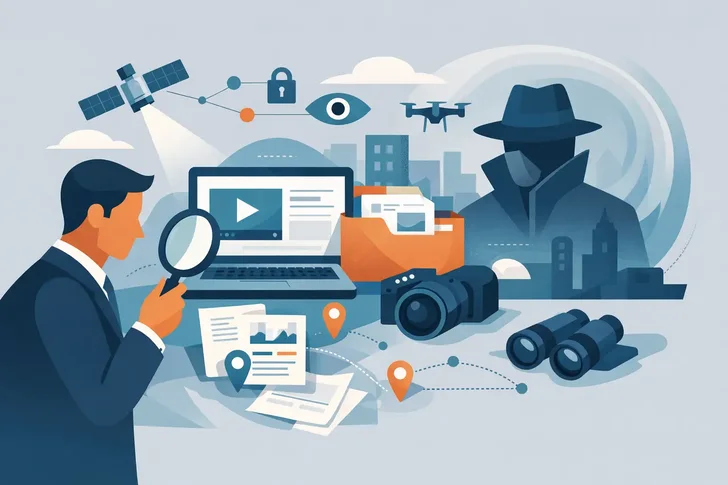
When a corruption file is closed in a drawer, when a tende...
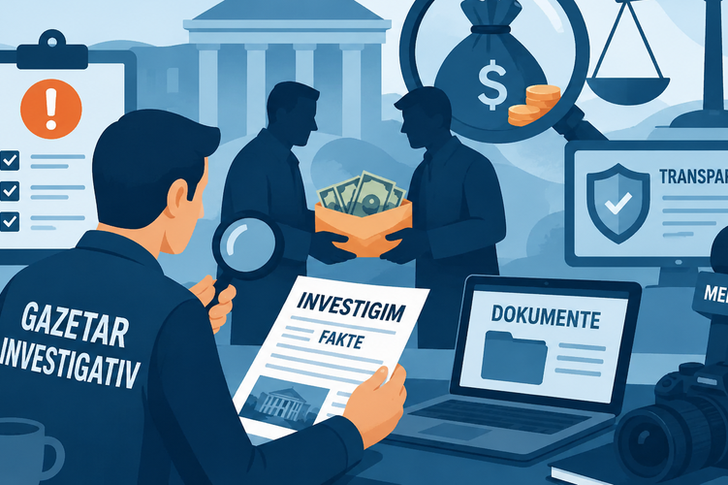
One of the biggest mistakes the media makes is treating an...
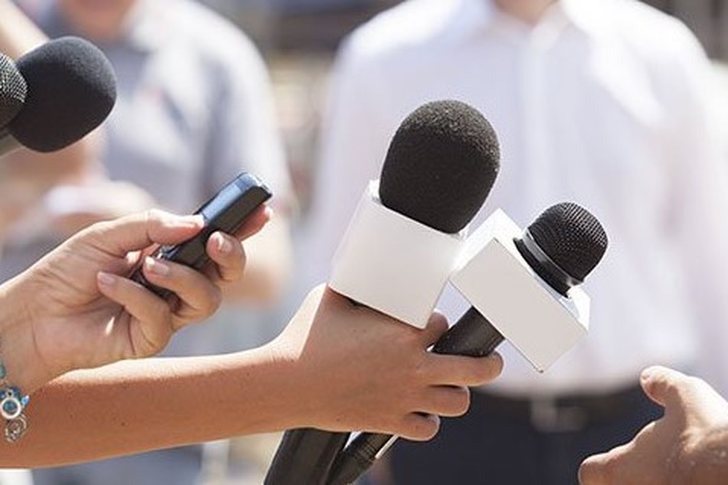
The classic model of a journalist who asks, records and wr...
When a corruption file is closed in a drawer, when a tende...
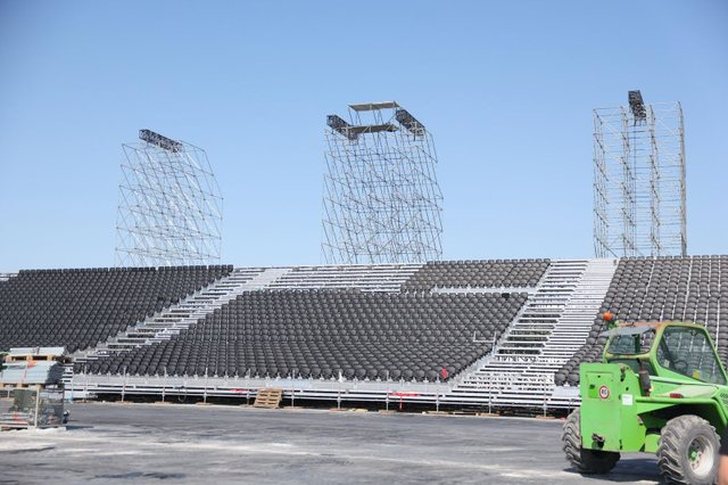
In fact, he didn't want to. He really didn't want to. But ...
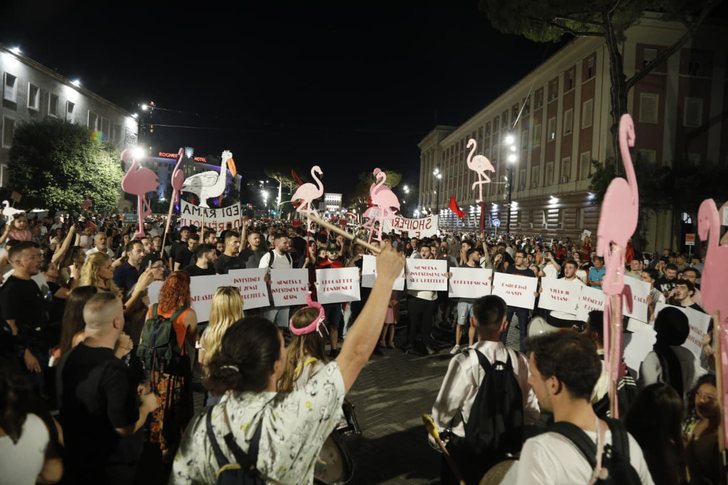
The right to protest is one of the fundamental pillars of ...
On the 40th day of the grand protest for a "new Albania", ...
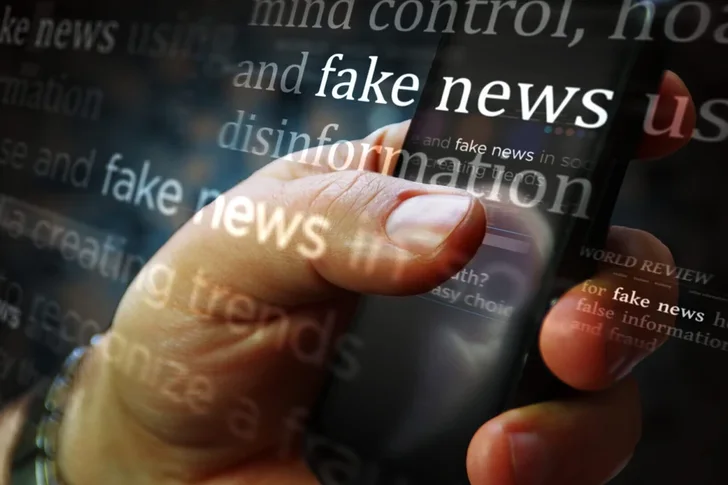
You don't have to be a journalist to protect yourself from...
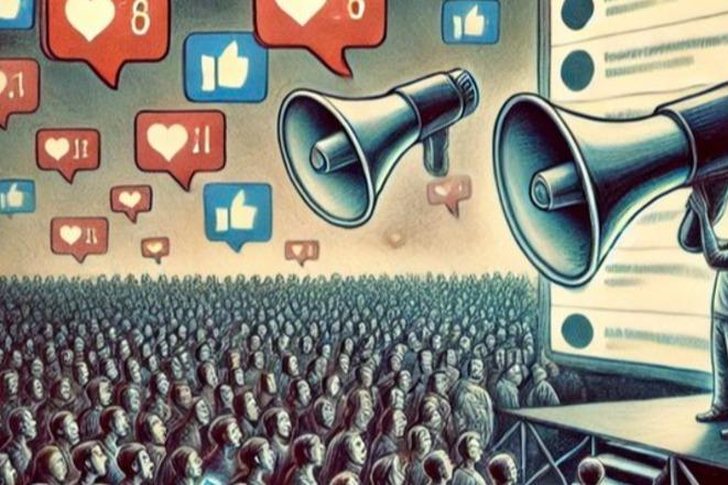
Media manipulation doesn't always come with an ugly face. ...

A bloated headline, a video cut at the right second, a sta...
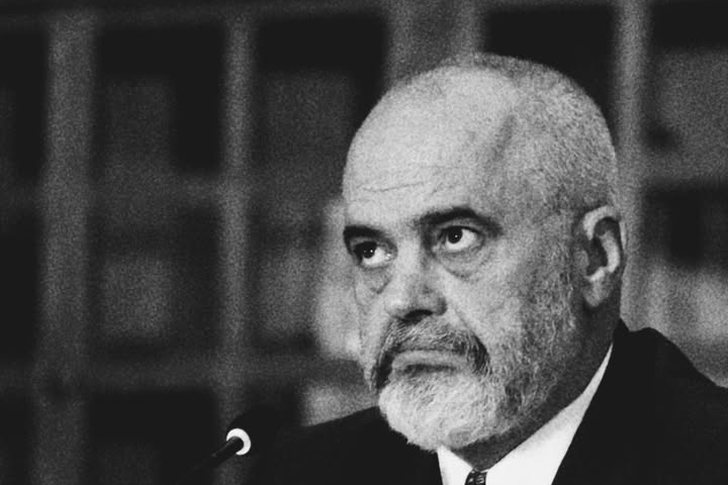
French magazines, German television, Italian reports, Belg...
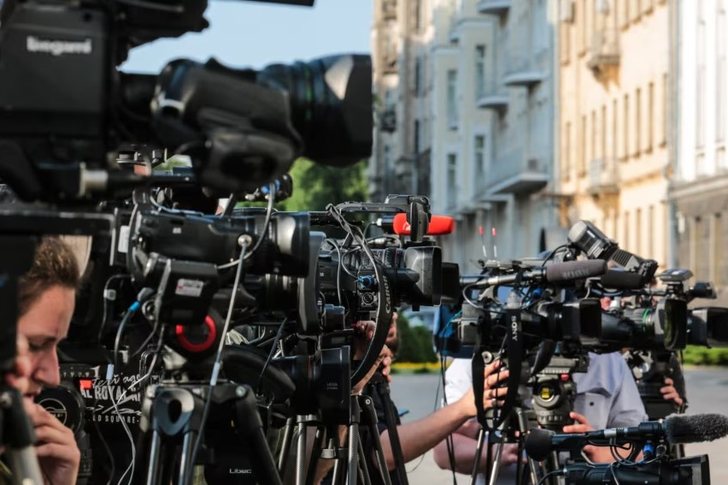
For a media outlet that claims to understand the pulse of ...
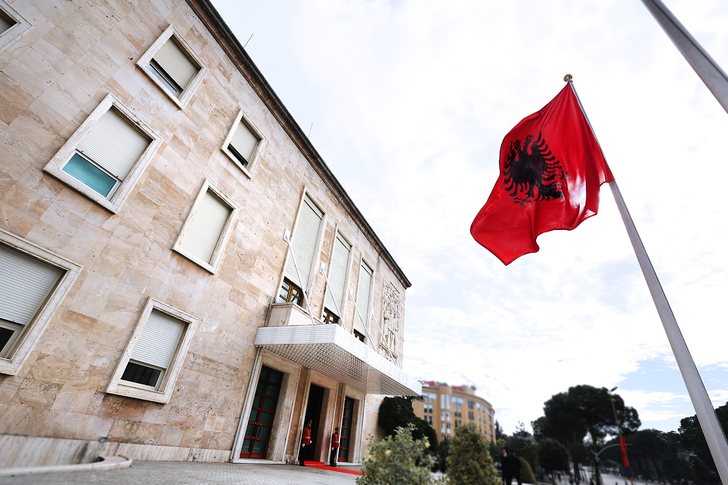
Part of the public anger is not just related to the conten...
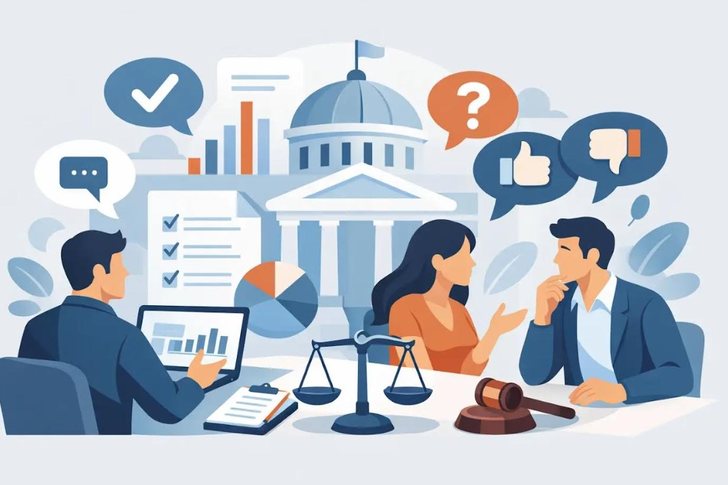
When a new decision is announced by the government, the fi...
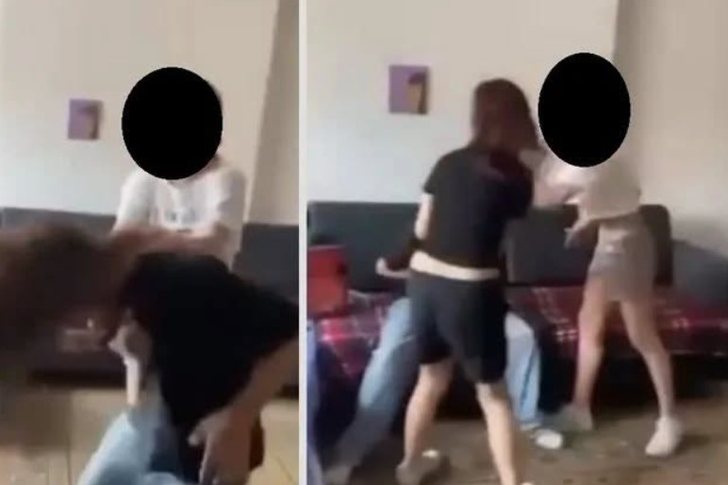
I wrote about a case of violence, where two girls beat up ...

For 6 months now, CNA has been sending several letters to ...
The word "fatherland" with properties is not enough. The m...
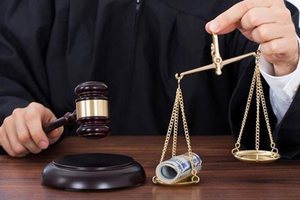
The justice reform claimed that it would bring faster, fai...
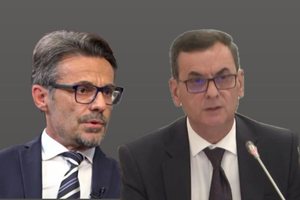
The Justice Reform and the vetting process were trumpeted ...

The Special Board of Appeal (KPA) decided this Monday ...

The KPA vetting decided this Thursday to dismiss the p...

Suela Salavaçi, a prosecutor in the Prosecutor's Offic...

The Special Board of Appeal reinstated the prosecutor ...
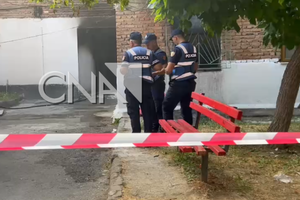
A serious incident occurred this Saturday in the city of K...
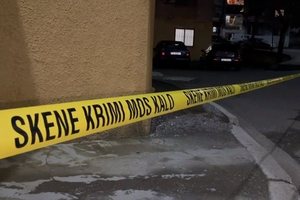
New details have emerged regarding the assassination attem...
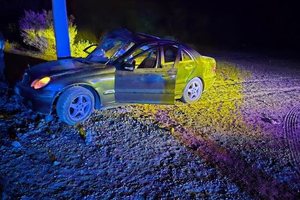
A serious incident shook the Fani area of Mirdita on Fri...
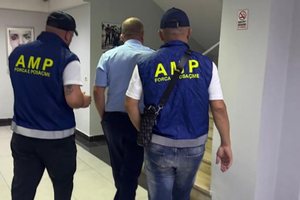
The Police Supervision Agency, Kukës-Dibar Regional Direct...
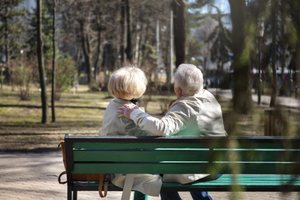
27% of the retirement age population is being pushed inevi...

On Saturday, our country will be affected by stable weathe...
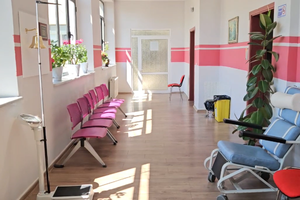
An important investment in the service of patients with tu...
Today our country will be affected by stable weather condi...
A written statement from Iran's Supreme Leader, Ayatollah ...
The Eiffel Tower and other Paris landmarks will close earl...
Serbian President Aleksandar Vučić has challenged the deci...
Russia launched a new massive missile and drone attack on ...
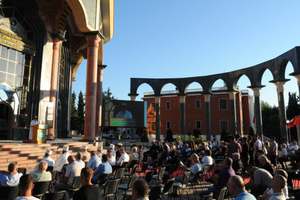
A special scientific conference was held by the World Bekt...
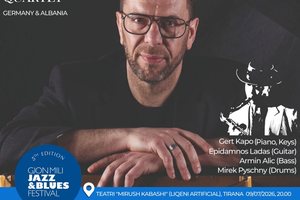
The German Embassy in Tirana has invited the Albanian publ...
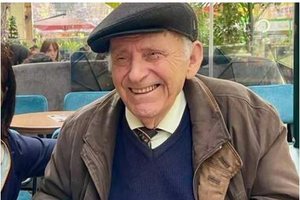
Professor and literature scholar Ali Xhiku has passed away...
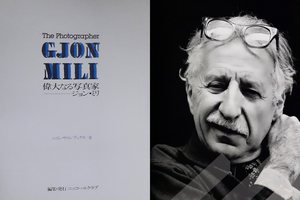
During my research into the life and artistic photographic...

The new old-age pensions in 2025 were on average 16,500 le...
This Saturday, one US dollar is bought for 81.4 lek and so...

The escalation of the conflict in the Middle East has once...

In addition to food, household appliances, oil, and more, ...