


The start of negotiations for the abolition of roaming with the EU is approved, soon the same tariffs when traveling
The European Council announced today the approval of the o...

The European Council announced today the approval of the o...


A new flu strain spreading overseas could set the stage for another difficult winter in the United States, experts warn.
The strain, called subclade K, has caused a surge in flu cases in the United Kingdom, Canada and Japan. And now signs suggest it is starting to spread across the United States as flu activity increases.
According to the latest U.S. Centers for Disease Control and Prevention (CDC) FluView report, reported flu activity in the United States remains low but is increasing rapidly.
Last year's flu season was the worst the United States had seen in nearly 15 years and led to at least 280 child deaths, according to the CDC.
Most cases this year are from the H3N2 virus and about half of them belong to the subclade K variant, the same type that fueled a difficult flu season in the Southern Hemisphere.
Since it was not widely circulating when the strains were selected for the vaccine update, this year's flu vaccine targets similar strains of the virus.
"It's not like we're expecting a complete loss of protection for the vaccine, but we can probably expect a small decline if this is the virus that dominates the season, and early indications are that it probably will," Richard Webby, a researcher at St. Jude Children's Research Hospital in Memphis, Tennessee, told CNN.
Early findings from the UK's Health Security Agency suggest the variant carries seven genetic changes to a large part of the virus, making it slightly harder for the body's immune system to recognise it.
However, they found that the flu vaccine has reduced the risk of hospitalization or emergency care by about 75% in children and 30% to 40% in adults so far this season.
What worries experts even more is that it appears that fewer Americans are getting vaccinated against the flu.
Data from IQVIA shows that pharmacies dispensed 26.5 million flu shots from August to October, down from 28.7 million during the same period last year.
"I'm not surprised," said Jennifer Nuzzo, professor of epidemiology and director of the Pandemic Center at Brown University in Providence, Rhode Island.
She said recent debates about vaccine safety have left people confused, but perhaps at worst have left people anxious about vaccination.
Flu vaccination rates in Australia also fell this year and the country continued to record more than 443,000 cases.
"What they saw in Australia is that they had a bad season. So it's concerning for you and us, what's coming," Dr. Earl Rubin, director of the division of infectious diseases at Montreal Children's Hospital, told CNN.
Some early indicators already show increasing flu levels in the US
The WastewaterSCAN network found influenza A in 40% of samples in November, up from 18% in October, according to Marlene Wolfe, an assistant professor in the department of environmental health at Emory University in Atlanta.
Only four U.S. monitoring sites in Maine, Vermont, Iowa and Hawaii have officially crossed the threshold to declare high flu activity, but experts say the trend is clear.
While it's not yet clear whether subclade K can cause more severe disease, just a surge in infections could cause a staggering increase in hospitalizations, Rubin noted.
"It's not too late. Go get your flu shot," said Dr. Adam Lauring, chief of the department of infectious diseases at the University of Michigan Medical School in Ann Arbor.
These results are preliminary and have not yet been peer-reviewed./ CNA


If you're planning a turkey feast for Thanksgiving, you sh...

A new British study shows that combined diet and exercise ...

A new study found that hearing loss caused by mutations in...

Water is essential for survival. Not only does it help mai...

Scientists in the UK are turning to artificial intelligenc...

Dark chocolate is not just a dessert – it is a valuable al...

Everyday life can be full of stress, pressure, and worries...

There are many good reasons to incorporate a morning run i...

Listening to your favorite singers can do more than just i...

Eye experts at the Mayo Clinic in the US say this can crea...

The number of children and adolescents with high blood pre...

Brain neurotechnology is a field that involves the develop...
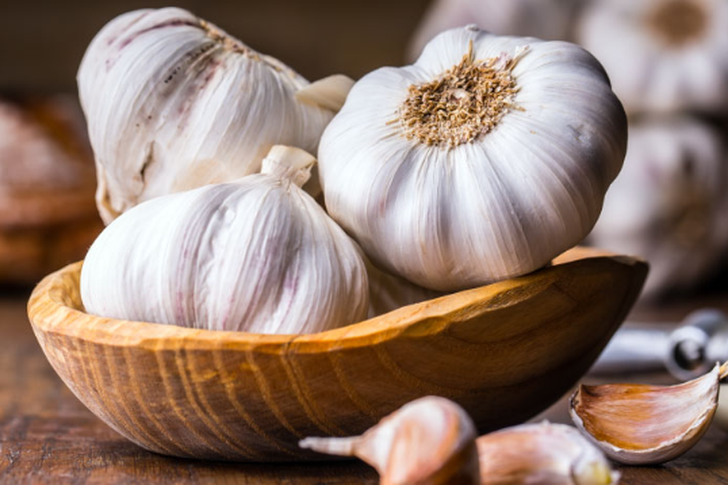
Garlic is not just an ingredient that adds flavor to our f...

Spicy soup is a simple and warm preparation, the best solu...

It’s a warning passed down through generations: if you giv...

Autumn brings not only the atmosphere of colorful leaves, ...

A new study suggests that a common antibiotic may help red...

A new study found that taking just 3,000 to 5,000 steps ea...

Persistent myths can keep you from reaching your fitness g...

Every moment of the day can be an opportunity to take care...

The protests of recent days related to the situation in Zv...

The case addressed this Wednesday, June 3, on the show "St...

The show "Stop" broadcast this Wednesday, June 3, the case...

Irfan Hysenbelliu claims to be a big businessman, an hones...

The Special Board of Appeal (KPA) decided this Monday ...

The KPA vetting decided this Thursday to dismiss the p...

Suela Salavaçi, a prosecutor in the Prosecutor's Offic...

The Special Board of Appeal reinstated the prosecutor ...

Several images provided by CNA show the area where this mo...

A quantity of explosive material exploded this morning at ...

The Head of the State Police, Skënder Hita, expressed his ...

New details have emerged regarding the serious incident th...

For many children and teenagers, the long summer holidays ...
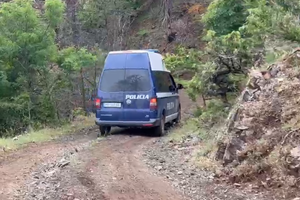
Witnesses in Lozhan, Maliqi, have shared details from the ...

Albania is facing an unprecedented demographic transition,...

On Thursday, our country will be affected by unstable weat...

French fighter jets took off 11 times last week as part of...

A number of European Union member states are pressuring th...

Hungary and Ukraine have reached an agreement on the right...

Serbian President Aleksandar Vučić has confirmed that he w...

Korça is ready to open the summer season with one of the c...

Two years after his passing, the renowned Korçë poet Skënd...

The Ethnographic Museum of Berat has opened its doors to v...

The story of Harilla Bakalli is one of the most chilling t...

Kursi i këmbimit të euros me lekun ka rënë më tej këtë jav...

Profit margins in the construction sector have increased s...

The Transparency Board, at its meeting today, decided to i...

Today, in the foreign exchange market, one US dollar is bo...