


Businessman Artur Shehu breaks his silence: I am a long-time land owner in Zvërnec, I don't know the investors at all
Albanian businessman Artur Shehu spoke on the Opinion show...

Albanian businessman Artur Shehu spoke on the Opinion show...

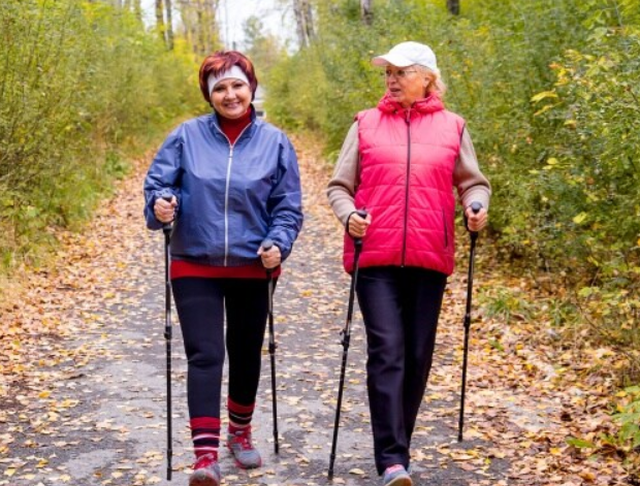
A new study found that taking just 3,000 to 5,000 steps each day can slow the progression of Alzheimer's disease in people at increased risk by up to three years. The study, published in Nature Medicine, included elderly patients who had biological signs of the disease but not cognitive symptoms.
Researchers also found that taking 5,000 to 7,000 steps each day slowed cognitive decline by 7 years, illustrating how exercise can benefit the brain, according to Nature.
“The very encouraging conclusion is that even a little exercise seems to help,” said Dr. Wai-Ying Wendy Yau, a neurologist at Mass General Brigham and Women’s Hospital and the study’s first author. She added that her research shows that you don’t need to walk 10,000 steps a day to get the cognitive benefits of walking.
The 14-year study included 300 participants aged 50 to 90, some of whom had high levels of amyloid, a protein that forms toxic plaques in the brains of people with Alzheimer’s disease, according to the Financial Times. The more active participants who had amyloid plaques had slower cognitive decline and a slower buildup of tau during the study in which they were closely monitored. Tau is a protein found in neurons that forms tangles inside brain cells, disrupting communication and contributing to cognitive decline in Alzheimer’s patients.
However, physical activity did not slow the buildup of amyloid, but experts say tau appears to play a more direct role in cell damage and death. The study also showed that the cognitive benefit of exercise seems to plateau between 5,001 and 7,500 steps each day.
"We're all working on better treatments, better medications, but we can't underestimate the value of these lifestyle factors that people can implement on their own to protect their brain health," Yau said.
Nearly 7 million people are living with Alzheimer's disease in the U.S., and that number is projected to double by 2060. The disease is among the 10 leading causes of death in the U.S., according to the Centers for Disease Control and Prevention.
There is growing evidence that exercise is a modifiable risk factor for Alzheimer's disease, along with other lifestyle factors, such as diet. The new study adds to that research, and while it doesn't answer exactly why exercise reduces tau buildup and slows cognitive decline, Yau suggests that increased blood flow to the brain may play a role./ CNA


Persistent myths can keep you from reaching your fitness g...

Every moment of the day can be an opportunity to take care...

If you need another reason to brush and floss your teeth, ...

When it comes to citrus fruits, the debate between choosin...

"The eyes are the window to the soul," says an old saying....

At a time when everything is demonized, let's remember a f...

It is difficult to predict how severe each year's flu seas...

As the days get shorter and the sun sets earlier, you may ...

According to a new study, the rate of one type of breast c...

They may not be one of the most popular fruits, but dates ...

Kiwi, rye bread and mineral-rich water may help relieve ch...

A blood test that detects more than 50 types of tumors cou...

An injection to prevent HIV will be offered to patients on...

The findings suggest that our social connections may help ...

Certain nutrients, such as zinc, copper, vitamin C, vitami...

Seasonal fall produce can promote a heart-healthy diet. M...

A preventive HIV vaccine that is given just twice a year w...

Tears, traditionally associated with emotion, could soon b...

If you think summer is the best season to enjoy fresh prod...

Mango and papaya, two of the most beloved tropical fruits,...

The next case broadcast on the show "Stop", this Thursday,...

The case published this Thursday, June 4, on the show "Sto...

The protests of recent days related to the situation in Zv...

The case addressed this Wednesday, June 3, on the show "St...

The Special Board of Appeal (KPA) decided this Monday ...

The KPA vetting decided this Thursday to dismiss the p...

Suela Salavaçi, a prosecutor in the Prosecutor's Offic...

The Special Board of Appeal reinstated the prosecutor ...

A convict was found dead today in the premises of the Pris...

Several images provided by CNA show the area where this mo...

A quantity of explosive material exploded this morning at ...

The Head of the State Police, Skënder Hita, expressed his ...

For many children and teenagers, the long summer holidays ...

Witnesses in Lozhan, Maliqi, have shared details from the ...

Albania is facing an unprecedented demographic transition,...

On Thursday, our country will be affected by unstable weat...

Russian President Vladimir Putin said the war in Ukraine c...

An extraordinary story of survival has been recorded in Ne...

The Peace Implementation Council in Bosnia and Herzegovina...

John Bolton, the former national security adviser to US Pr...

Korça is ready to open the summer season with one of the c...

Two years after his passing, the renowned Korçë poet Skënd...

The Ethnographic Museum of Berat has opened its doors to v...
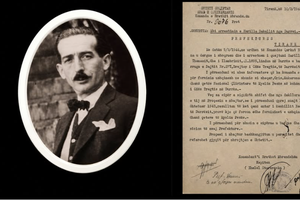
The story of Harilla Bakalli is one of the most chilling t...

The government aims to transform the country's industrial ...

Kursi i këmbimit të euros me lekun ka rënë më tej këtë jav...

Profit margins in the construction sector have increased s...

The Transparency Board, at its meeting today, decided to i...