


Armë, kokainë dhe cannabis në zonat bregdetare/ Arrestohen dy persona
Policia e Vlorës ka finalizuar operacionin e koduar “Sigur...

Policia e Vlorës ka finalizuar operacionin e koduar “Sigur...

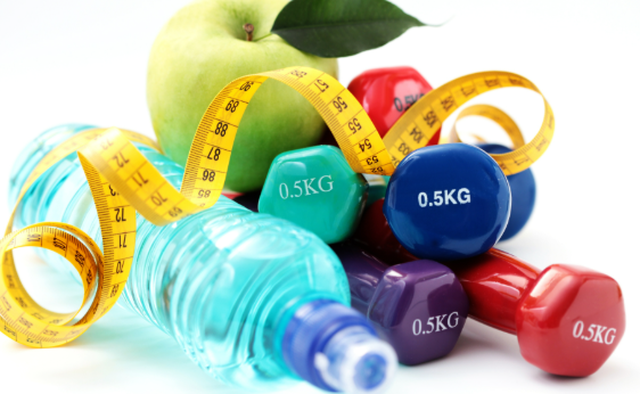
Persistent myths can keep you from reaching your fitness goals, so it's worth getting to know them:
Myth 1: "Cardio is the best way to manage weight"
While cardiovascular exercise burns calories and improves heart health, it is not the only or most effective "tool" for weight management. Good nutrition, strength training, and cardio all contribute to weight management. However, strength training, not cardiovascular exercise, is what helps "build" lean muscle mass, which increases your basal metabolic rate.
Myth 2: “No pain, no gain! If it doesn't hurt, you haven't worked hard enough”
Muscle soreness is not a reliable indicator of an effective workout. True soreness, which is more intense than a feeling of fatigue, is your body's way of warning you that something is wrong. Unless you feel mild discomfort the day after a workout that quickly goes away, there's no need to worry.
Myth 3: “I can reduce fat in specific areas (e.g., to lose belly fat)”
Targeted fat loss is one of the most common fitness myths. Doing hundreds of exercises to reduce belly fat will not burn belly fat. Fat loss occurs throughout the body and is largely influenced by genetics, diet, and overall activity level.
Myth 4: “Lifting weights will make you look like a bodybuilder”
Gaining significant muscle mass, bulging muscles, for example, requires a calorie surplus, high training volume, and often years of dedication. Don't shy away from strength training. It improves bone density and builds functional strength, which is the foundation for everyday activities.
Myth 5: "You have to train every day to see results"
While consistency is key to any fitness program, more isn't always better. The body needs time to recover and adapt. Overtraining can lead to fatigue, injury, and even setbacks in progress. Choose quality over quantity and make sleep and recovery a priority.
Myth 6: "Workouts have to be long"
Fitness is about intensity and endurance, less about duration. While a structured 45-minute workout gives you plenty of time to challenge yourself physically while still allowing for recovery time, studies show that short bursts of high-intensity interval training (HIIT) can be just as effective. A 15-minute workout can improve cardiovascular health, strength, and metabolism.
Myth 7: "You have a strength program that you like and know well, you don't need to change it"
When you perform the same exercises repeatedly, your muscles adapt, leading to a plateau in strength and growth. Introducing new moves, changing the intensity, or changing equipment helps challenge different muscle groups, avoid overuse injuries, and keep your fitness routine interesting./CNA


Every moment of the day can be an opportunity to take care...

If you need another reason to brush and floss your teeth, ...
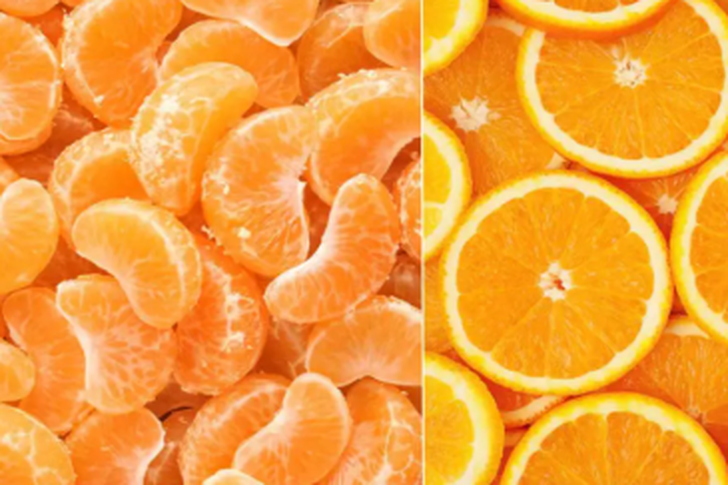
When it comes to citrus fruits, the debate between choosin...
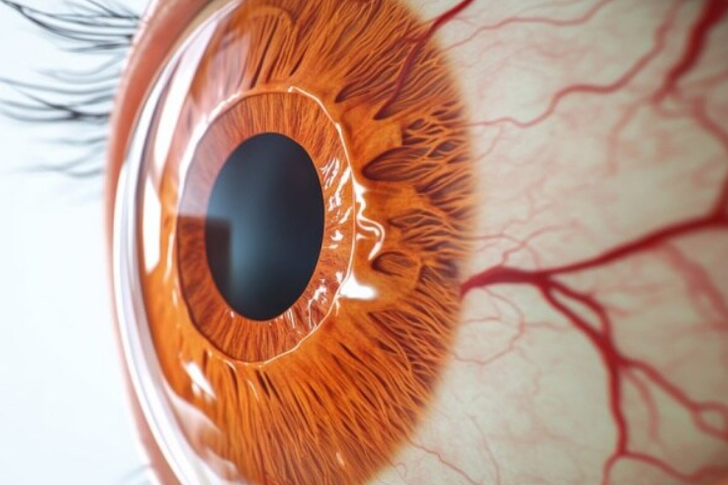
"The eyes are the window to the soul," says an old saying....
At a time when everything is demonized, let's remember a f...

It is difficult to predict how severe each year's flu seas...

As the days get shorter and the sun sets earlier, you may ...

According to a new study, the rate of one type of breast c...

They may not be one of the most popular fruits, but dates ...

Kiwi, rye bread and mineral-rich water may help relieve ch...
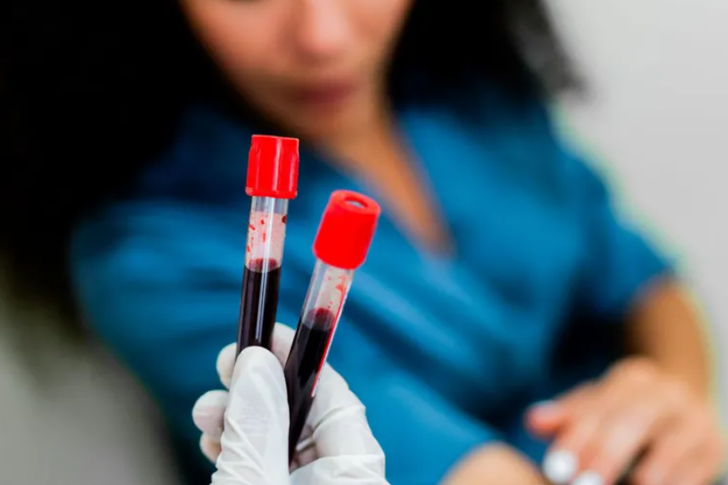
A blood test that detects more than 50 types of tumors cou...
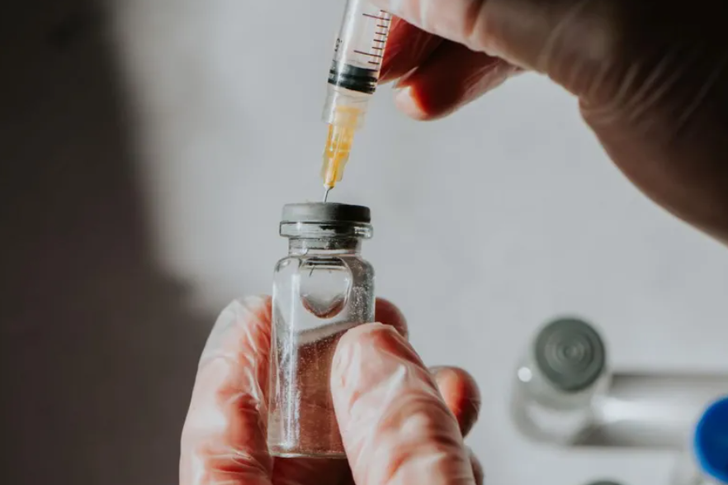
An injection to prevent HIV will be offered to patients on...

The findings suggest that our social connections may help ...

Certain nutrients, such as zinc, copper, vitamin C, vitami...

Seasonal fall produce can promote a heart-healthy diet. M...
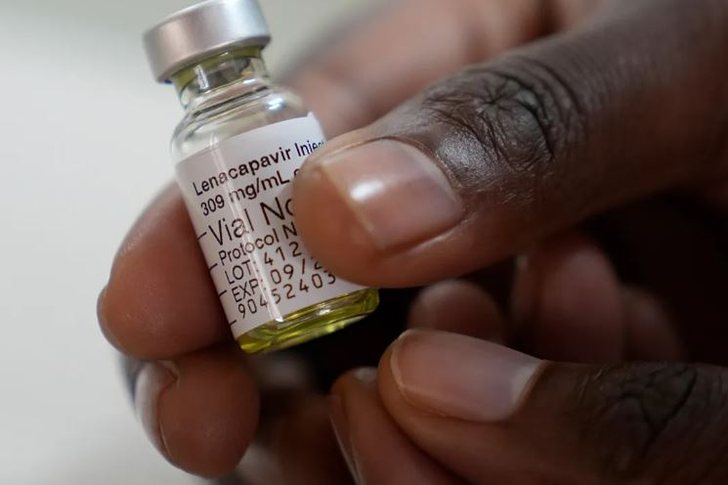
A preventive HIV vaccine that is given just twice a year w...
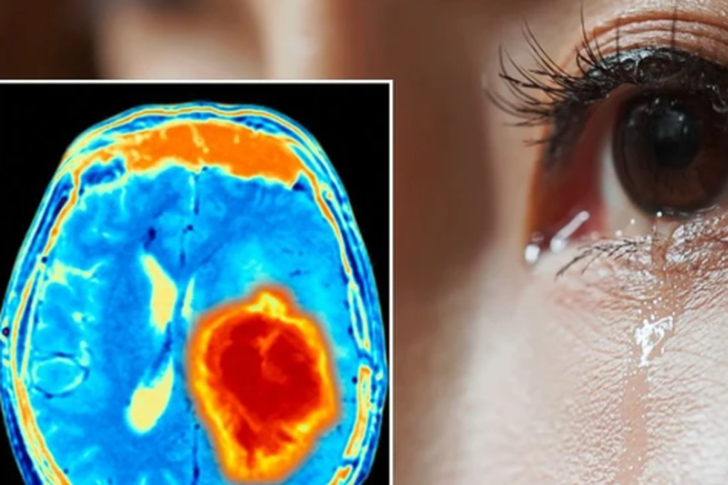
Tears, traditionally associated with emotion, could soon b...

If you think summer is the best season to enjoy fresh prod...
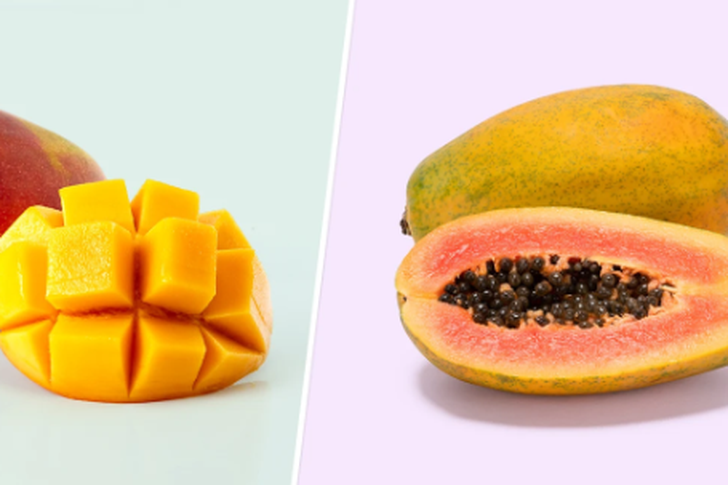
Mango and papaya, two of the most beloved tropical fruits,...

A new Stanford Medicine study suggested that Americans cou...

There have been 12 days of protests in the capital, which ...

Dritan Prençi is the SPAK prosecutor who is sleeping on th...
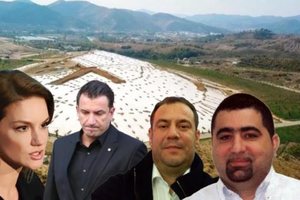
The in-depth investigations that SPAK conducted into Ajola...
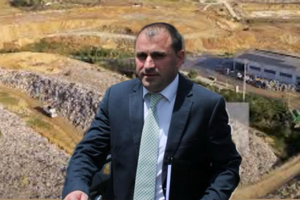
SPAK's standards, the way it investigates, how it secures ...

The Special Board of Appeal (KPA) decided this Monday ...

The KPA vetting decided this Thursday to dismiss the p...

Suela Salavaçi, a prosecutor in the Prosecutor's Offic...

The Special Board of Appeal reinstated the prosecutor ...

Policia e Vlorës ka finalizuar operacionin e koduar “Sigur...

New details have emerged regarding the serious accident th...

An Albanian businessman was arrested this afternoon in Gre...

A serious accident has occurred on the Korça-Ersekë axis, ...

Today our country will be affected by stable weather condi...

A tragic accident occurred this Friday afternoon in Kameni...

Today our country will be affected by unstable weather con...

On Thursday, our country will be affected by relatively un...

Good news for those who fly: After years of negotiations, ...

It took more than two years, but now the EU can begin acce...

US President Donald Trump announced that the US military h...

Iran has taken new measures to strengthen the protection o...

Several archaeological excavations conducted during this s...

At the Museum of Fine Arts in Chambéry, France, an exhibit...

Korça has transformed this weekend into the capital of cel...

Korça is ready to open the summer season with one of the c...

This Saturday, one US dollar is bought for 81.5 lek and so...
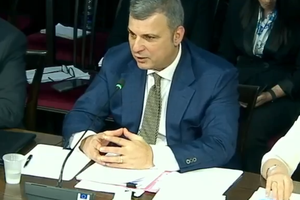
The Governor of the Bank of Albania, Gent Sejko, shared to...

Business lending has increased in the first half of this y...

The labor market has shown worrying trends in early 2026. ...