


Businessman Artur Shehu breaks his silence: I am a long-time land owner in Zvërnec, I don't know the investors at all
Albanian businessman Artur Shehu spoke on the Opinion show...

Albanian businessman Artur Shehu spoke on the Opinion show...

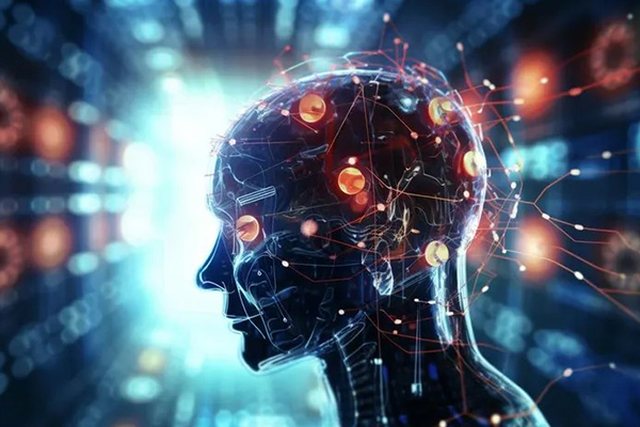
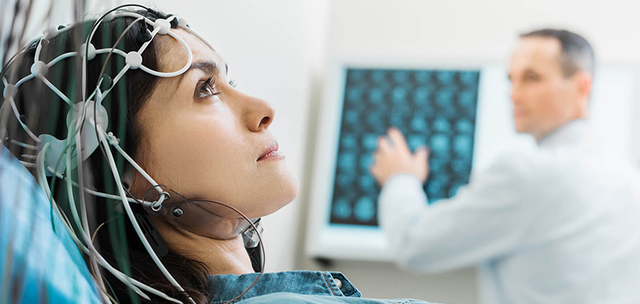
Brain neurotechnology is a field that involves the development of advanced devices for monitoring, treating, and modifying brain functions.
Key devices include electroencephalograms (EEG), magnetic resonance imaging (MRI), deep brain stimulation (DBS), and brain-computer interfaces (BCIs).
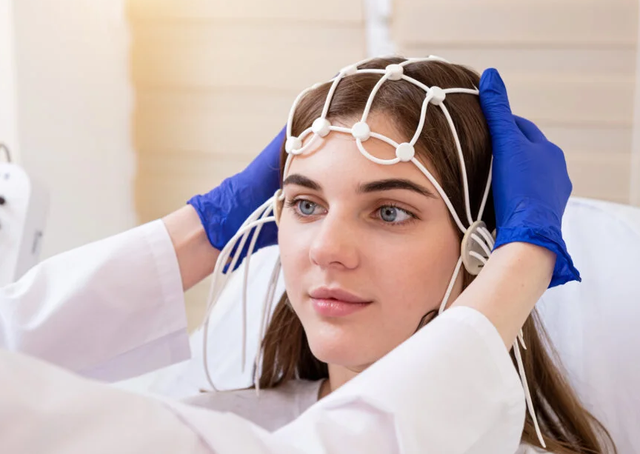
Electroencephalogram ( EEG) is used to measure the electrical activity of the brain and has applications in the diagnosis of epilepsy, monitoring coma states, and cognitive training.
Functional magnetic resonance imaging (MRI), such as MEG, provides more precise information on modal brain activity, giving it an advantage over EEG in localizing the source of disordered activity.
Depolarizing brain stimulation (DBS) is a technology that uses electrodes placed in specific areas of the brain to treat Parkinson's disease, dystonia, and depression.
Brain-computer interfaces (BCIs) allow direct interaction between the brain and computer systems for communication, rehabilitation, and control of external devices, which has potential for therapy for patients with motor deficits.
Artificial intelligence in medicine is bringing major advances in diagnosis, treatment, and personalization of therapy.
AI algorithms are used for analyzing raw medical images, diagnosing neurodegenerative diseases like Alzheimer's, and developing treatment protocols based on big data.
Most notably, AI intervenes in improving the analysis of biological signals and collaborates with neurotechnologies to advance the functional rehabilitation of patients.
Brain Neurotechnology Devices
1. Electroencephalogram (EEG):
-Use: Measures electrical brain activity in real time.
-Applications: Diagnosis of epilepsy, monitoring of coma states, study of cognitive processes and scientific research on the internal activity of the brain.
-Technology: Bags with electrodes placed on the skin that capture changes in the electrical potentials of nerve cells.
2. Magnetoencephalography (MEG):
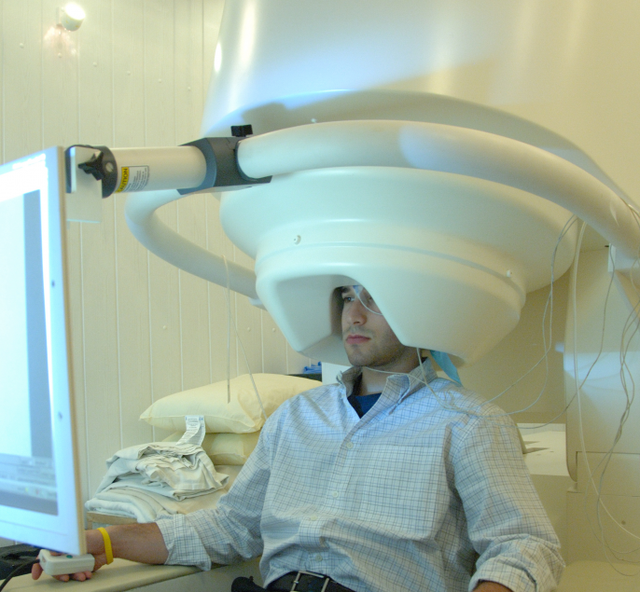
-Use: Measures the electromagnetic activity of the brain with greater accuracy than EEG.
-Applications: Localization of the source of epileptic activity, study of specialized brain functions, and neuroscience research.
3. Deep Brain Stimulation (DBS):
-Use: Treatment of movement disorders such as Parkinson's, severe depression and other neuropsychiatric disorders.
-Technology: Electrodes placed in specific areas of the brain that send electrical impulses to modify disordered activity.
4. Brain-Computer Interfaces (BCIs):
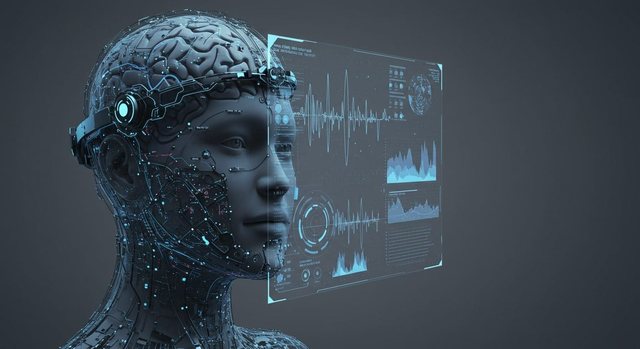
Usage:
-Communication for patients with motor diseases or nervous system damage.
-Rehabilitation of motor functions.
-Control of external devices, such as robotic arms or other machinery.
-Technology: Provides direct interaction between the brain and the computer by reading neural signals and translating them into actions.
1. Diagnostics and Analysis of Medical Data:
-AI algorithms analyze medical images (MRI, CT, PET) to identify pathological changes in the brain such as tumors, injuries, or degenerative diseases.
-Data analysis is useful for early diagnosis of Alzheimer's and other neurodegenerative diseases.
2. Treatment Personalization:
-AI helps create personalized treatment programs by analyzing the patient's genetic profile and clinical data.
-This is very important especially in the treatment of chronic and neuropsychiatric diseases.
3. Rehabilitation with AI:
-AI-based systems provide intelligent therapy for patients with neurological injuries, adapting exercises and rehabilitation tools in real time.
-Using machine learning algorithms to track progress and optimize treatment.
4. Research and Cognitive Science:
-AI is used to analyze patterns of brain activity and better understand its functioning in mediating cognitive science.
-This helps in developing new theories about thinking, perception, and actions, especially in cases of anomalies.
5. Development of new technologies:
-The use of artificial neural networks, deep learning algorithms, and other automated systems to improve neuroscience and medicine, offering new opportunities for effective treatment and rapid diagnoses./ CNA


Garlic is not just an ingredient that adds flavor to our f...

Spicy soup is a simple and warm preparation, the best solu...

It’s a warning passed down through generations: if you giv...

Autumn brings not only the atmosphere of colorful leaves, ...
A new study suggests that a common antibiotic may help red...
A new study found that taking just 3,000 to 5,000 steps ea...

Persistent myths can keep you from reaching your fitness g...
Every moment of the day can be an opportunity to take care...
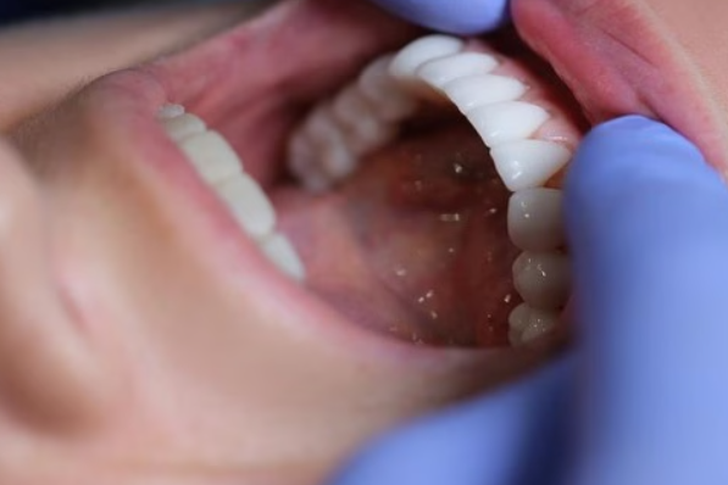
If you need another reason to brush and floss your teeth, ...
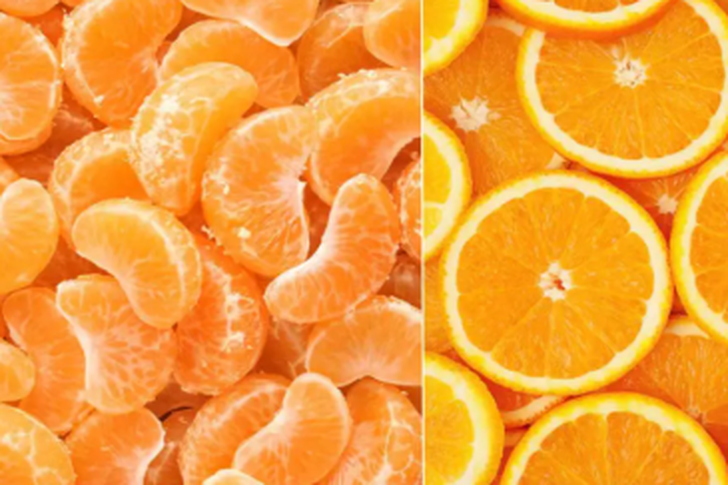
When it comes to citrus fruits, the debate between choosin...
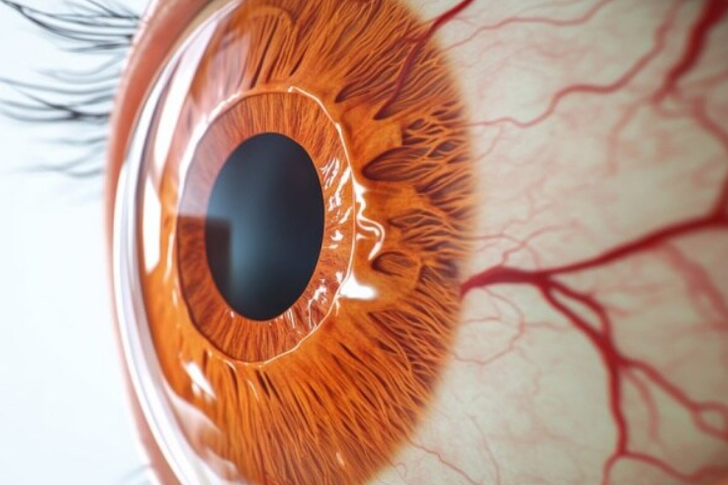
"The eyes are the window to the soul," says an old saying....

At a time when everything is demonized, let's remember a f...

It is difficult to predict how severe each year's flu seas...

As the days get shorter and the sun sets earlier, you may ...
According to a new study, the rate of one type of breast c...

They may not be one of the most popular fruits, but dates ...
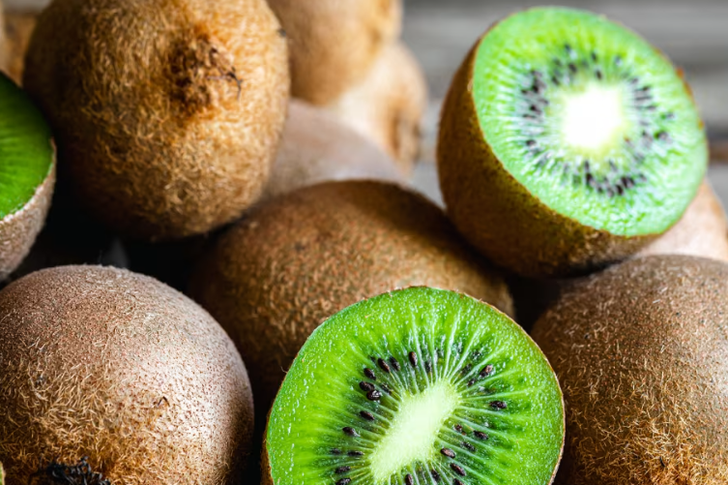
Kiwi, rye bread and mineral-rich water may help relieve ch...
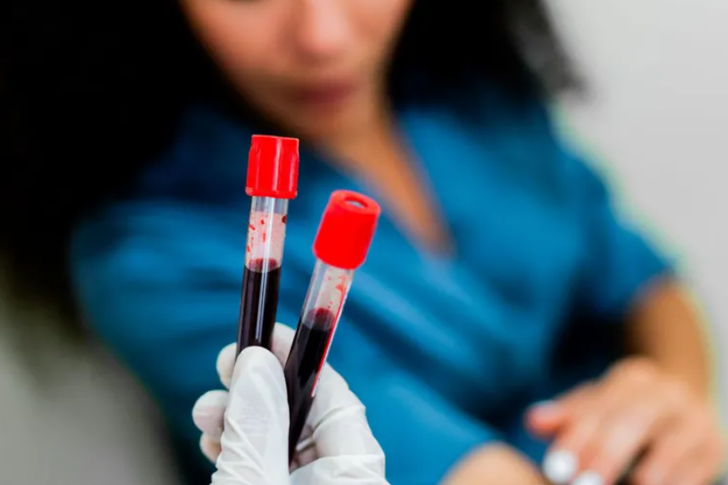
A blood test that detects more than 50 types of tumors cou...
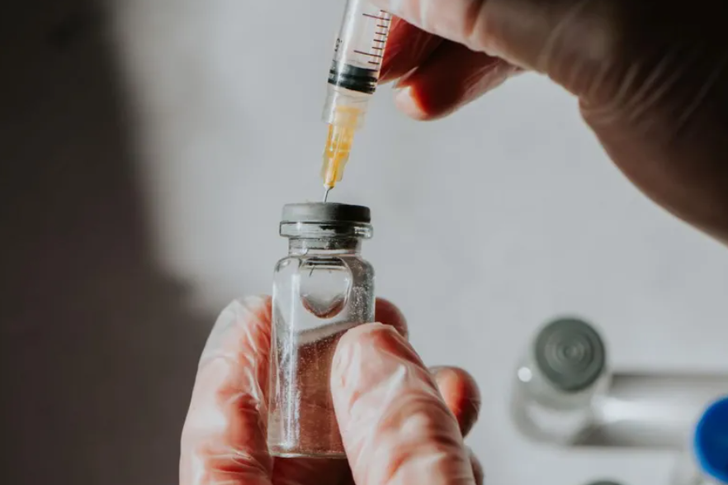
An injection to prevent HIV will be offered to patients on...

The findings suggest that our social connections may help ...

The next case broadcast on the show "Stop", this Thursday,...

The case published this Thursday, June 4, on the show "Sto...

The protests of recent days related to the situation in Zv...

The case addressed this Wednesday, June 3, on the show "St...

The Special Board of Appeal (KPA) decided this Monday ...

The KPA vetting decided this Thursday to dismiss the p...

Suela Salavaçi, a prosecutor in the Prosecutor's Offic...

The Special Board of Appeal reinstated the prosecutor ...

A convict was found dead today in the premises of the Pris...

Several images provided by CNA show the area where this mo...

A quantity of explosive material exploded this morning at ...

The Head of the State Police, Skënder Hita, expressed his ...

For many children and teenagers, the long summer holidays ...

Witnesses in Lozhan, Maliqi, have shared details from the ...

Albania is facing an unprecedented demographic transition,...

On Thursday, our country will be affected by unstable weat...

Russian President Vladimir Putin said the war in Ukraine c...

An extraordinary story of survival has been recorded in Ne...

The Peace Implementation Council in Bosnia and Herzegovina...

John Bolton, the former national security adviser to US Pr...

Korça is ready to open the summer season with one of the c...

Two years after his passing, the renowned Korçë poet Skënd...

The Ethnographic Museum of Berat has opened its doors to v...
The story of Harilla Bakalli is one of the most chilling t...

The government aims to transform the country's industrial ...

Kursi i këmbimit të euros me lekun ka rënë më tej këtë jav...

Profit margins in the construction sector have increased s...

The Transparency Board, at its meeting today, decided to i...