


Study: Being impulsive may be linked to the same genes as dozens of health problems
According to a new study, genes linked to impulsive behavi...


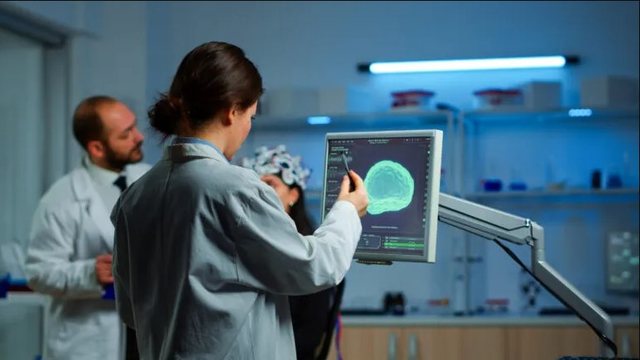
A new scientific study reveals that the human brain never stops changing and goes through five distinct stages of development throughout life, accompanied by four key ages that mark major changes in its functioning. The research, which analyzed brain scans of nearly 4,000 people up to the age of 90, shows that the brain remains in its “adolescent” stage until the early thirties, when it reaches its peak functional capacity.
According to the BBC, major turning points occur at ages 9, 32, 66, and 83. This data helps understand the risk of mental disorders and neurodegenerative diseases, such as dementia, throughout life.
Dr. Alexa Mousley explains: “The brain is constantly rebuilding itself. It strengthens and weakens its connections without following an unchanging pattern, there are alternating rhythms and phases of reconfiguration.”
According to her, although people differ from each other, these four ages appeared very clearly in the study data, thanks to the large number of scans used.
The five stages of brain development
1) Childhood (from birth to 9 years old)
The brain grows rapidly and sheds the excess neural connections that form in the early years. During this period, it functions in a less organized way — like a child exploring without clear direction.
2) Extended adolescence (9–32 years old)
From the age of 9 to the early 30s, neural connections become increasingly efficient. This is the period of greatest changes in the brain and coincides with the highest risk for the development of mental disorders. The brain reaches its peak functional capacity in the early third decade.
3) Adult age (32–66 years old)
This is the longest and most stable phase. Changes in the brain occur more slowly, efficiency begins to decline little by little, and a kind of "plateau" is observed in personality and cognitive abilities.
4) Early aging (66–83 years old)
Around the age of 66, the brain enters a period of transition. It no longer functions as a unified system, but rather divides into sub-areas that work more closely together. Dementia and other health problems, such as hypertension, are more common during this stage.
5) Late aging (after 83 years old)
After this age, brain changes intensify. Finding completely healthy brains in this age group was a challenge for researchers, but the patterns of change resemble those of early aging, only more pronounced.
Scientists emphasize that these phases are closely related to key life stages such as adolescence, professional training, parenthood and the health challenges of old age. Changes in the brain's "networking" affect attention, memory, language and other behaviors.
The study, published in Nature Communications, did not analyze men and women separately, leaving open questions about issues such as the impact of menopause.
Prof. Duncan Astle, from the University of Cambridge, said: “Many neurodevelopmental, psychiatric and neurological disorders are directly related to the way the brain is wired.”
While Prof. Tara Spires-Jones from the University of Edinburgh described the study as "very interesting", as it clearly shows how much and continuously our brain changes throughout life.

According to a new study, genes linked to impulsive behavi...

An overwhelming majority of Americans feel overwhelmed dur...
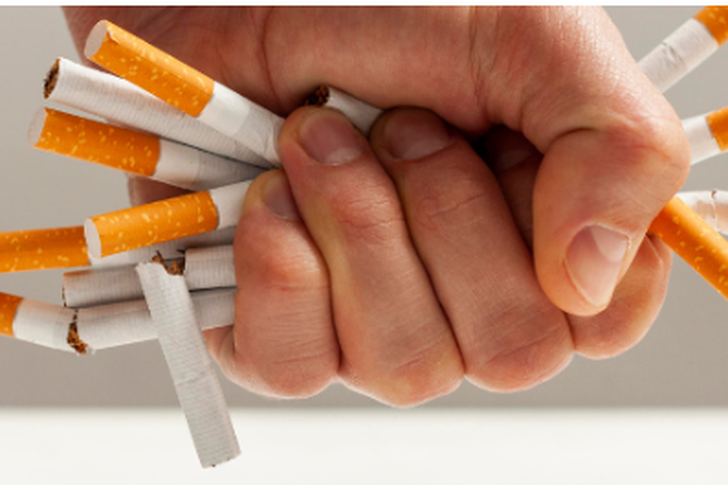
If you needed another reason to say goodbye to smoking for...

A new flu strain spreading overseas could set the stage fo...

If you're planning a turkey feast for Thanksgiving, you sh...

A new British study shows that combined diet and exercise ...

A new study found that hearing loss caused by mutations in...

Water is essential for survival. Not only does it help mai...

Scientists in the UK are turning to artificial intelligenc...

Dark chocolate is not just a dessert – it is a valuable al...

Everyday life can be full of stress, pressure, and worries...

There are many good reasons to incorporate a morning run i...

Listening to your favorite singers can do more than just i...

Eye experts at the Mayo Clinic in the US say this can crea...

The number of children and adolescents with high blood pre...

Brain neurotechnology is a field that involves the develop...

Garlic is not just an ingredient that adds flavor to our f...

Spicy soup is a simple and warm preparation, the best solu...
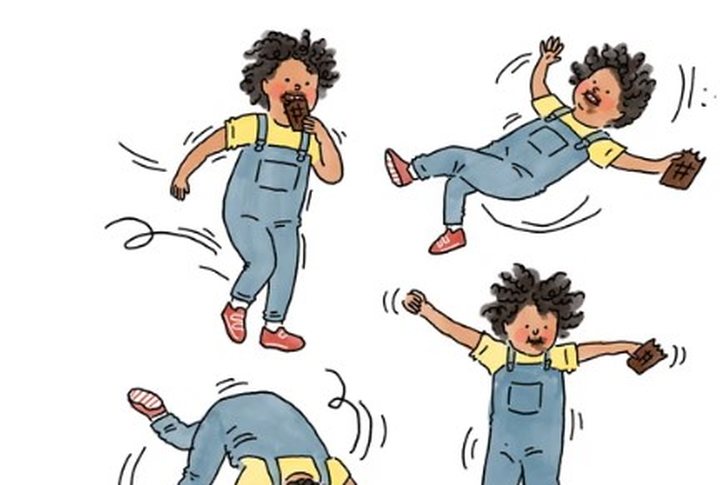
It’s a warning passed down through generations: if you giv...

Autumn brings not only the atmosphere of colorful leaves, ...

The next case broadcast on the show "Stop", this Thursday,...

The case published this Thursday, June 4, on the show "Sto...

The protests of recent days related to the situation in Zv...

The case addressed this Wednesday, June 3, on the show "St...

The Special Board of Appeal (KPA) decided this Monday ...

The KPA vetting decided this Thursday to dismiss the p...

Suela Salavaçi, a prosecutor in the Prosecutor's Offic...

The Special Board of Appeal reinstated the prosecutor ...

A convict was found dead today in the premises of the Pris...

Several images provided by CNA show the area where this mo...

A quantity of explosive material exploded this morning at ...

Witnesses in Lozhan, Maliqi, have shared details from the ...

Today our country will be affected by stable weather condi...

For many children and teenagers, the long summer holidays ...

Albania is facing an unprecedented demographic transition,...

On Thursday, our country will be affected by unstable weat...

Russian President Vladimir Putin said the war in Ukraine c...
An extraordinary story of survival has been recorded in Ne...

The Peace Implementation Council in Bosnia and Herzegovina...

John Bolton, the former national security adviser to US Pr...

Korça is ready to open the summer season with one of the c...

Two years after his passing, the renowned Korçë poet Skënd...

The Ethnographic Museum of Berat has opened its doors to v...

The story of Harilla Bakalli is one of the most chilling t...

The government aims to transform the country's industrial ...

Kursi i këmbimit të euros me lekun ka rënë më tej këtë jav...

Profit margins in the construction sector have increased s...

The Transparency Board, at its meeting today, decided to i...