


More details emerge/ 3 weapons found in the shed where Braçellari was hiding
Investigations into the serious incident in Lozhan, where ...

Investigations into the serious incident in Lozhan, where ...

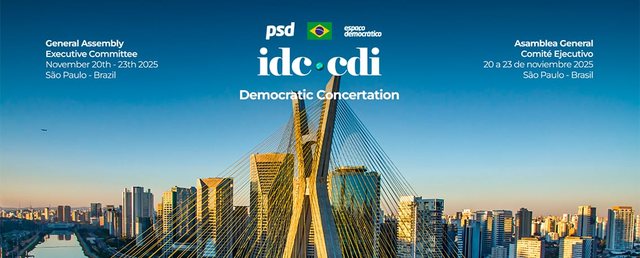
At the Assembly of the Union of Center-Right Parties (CDI), which held its proceedings in Brazil, a draft resolution on Albania was approved.
The draft resolution states that based on the OSCE/ODIHR report on the May 11 elections, the CDI finds that Rama and the SP exercise almost total control over state institutions.
The report further states that despite EU recommendations, Albania has not implemented the main OSCE/ODIHR recommendations.
Draft resolution
On the Situation in Albania: Electoral Integrity, Concentration of Power and the Rise of a Narco-State
IDC–CDI:
Having regard to the OSCE/ODIHR Final Report on the Parliamentary Elections of 11 May 2025 in Albania;
Having regard to the World Justice Project Rule of Law Index 2025, the US Department of State’s Business Climate Report 2025 in Albania;
Having regard to the Copenhagen Criteria, the OSCE Copenhagen Document (1990), the Venice Commission Code of Good Practice in Electoral Matters and the European Charter of Local Self-Government;
Having regard to the previous resolutions adopted by the EPP, CDI and IDU on democratic regression and corruption in Albania;
Expressing concern that Albania has suffered a deep democratic regression, the fusion of party and state, selective justice and the systemic penetration of organized crime into political and economic structures, and emphasizing that Albania's path towards the European Union must be merit-based, conditional on measurable progress in democracy, the rule of law and human rights,
1. Electoral Integrity
Notes with deep concern the findings of the OSCE/ODIHR Final Report, which confirms the systemic merger of state and party power, the massive misuse of public resources and the climate of intimidation of selective justice that hindered fair competition.
Notes that the ODIHR documented vote buying, criminal interference in elections and patronage networks that exchanged jobs, benefits and permits for votes. Law enforcement acted selectively, reinforcing impunity.
Recalls that the ODIHR documented over 4,500 state-funded activities transformed into electoral activities, while the CEC sanctioned only 18 of them, exposing a complete failure of the regulator. The Socialist Party used public offices, infrastructure and state communication for electoral benefits, in violation of the Electoral Code, the Copenhagen criteria, and commitments to the OSCE.
Condemns the politically motivated prosecutions and arrests of opposition leaders in the election year, including Sali Berisha, Ilir Meta, MP Ervin Salianji and Fatmir Mediu, which the ODIHR assessed as contributing to a climate of conflict, distrust and selective justice, hindering the free and equal participation of the opposition in the political process.
Expresses concern that on election day there were cases of intimidation, unauthorized activists in polling stations and violations of the secrecy of the vote, while over 90% of the media were under government control.
The ODIHR concludes that the elections were neither free nor fair, dominated by party-state control, blackmail and the influence of crime, in violation of the OSCE Copenhagen Document, Venice Commission standards and Article 25 of the ICCPR.
It regrets that, despite repeated recommendations from the EU and international organizations, Albania has failed to implement the main recommendations of the ODIHR since 2013, continuing the climate of impunity for electoral crimes, and that the Albanian government has not addressed any of the international calls expressed in the five previous resolutions of the CDI, EPP and IDU.
2. Concentration of Power and Elimination of Checks and Balances
Notes that the Prime Minister and the Socialist Party exercise almost total control over state institutions, including the civil service, the judiciary, the prosecution, regulatory institutions and the public media, eliminating effective mechanisms of oversight and accountability.
Condemns the systematic obstruction of constitutional and parliamentary oversight, including the rejection of opposition motions, urgent interpellations and the blocking of parliamentary investigative committees, especially those investigating widespread corruption involving the Prime Minister, or the electoral farce, etc.
Condemns the suppression of parliamentary oversight, the blocking of investigative committees and the non-implementation by the executive of decisions of the Constitutional Court.
Notes that the World Justice Project 2025 Index ranks Albania 87th globally, with particularly low scores in “limiting government power” and “fighting corruption”, confirming the erosion of judicial independence and accountability.
It regrets that the Justice Reform has become a mechanism of political control and selective prosecutions, paralyzing the judiciary and undermining public confidence in the rule of law.
It notes that there are over 200,000 pending cases and that long delays in the judiciary (up to 1,230 days for decisions to be made public) constitute a denial of justice.
3. Albania as a Narco-State and a Threat to Regional Security
Expresses deep concern that Albania has become a major hub for drug trafficking and money laundering, serving as a logistical corridor for cocaine from Latin America to European ports.
Notes with alarm the infiltration of crime into state institutions, the involvement of known traffickers and criminal networks in public contracts, tourism development and electoral processes.
Recalls evidence of meetings between senior government officials and individuals linked to the Sinaloa Cartel and Albanian mafia groups.
Notes that Eurostat and independent studies confirm massive money laundering in the construction sector in Albania, in around 4 billion euros of unjustified investments in the formal banking system.
Refers to the US Business Climate Report 2025, which identifies endemic corruption, illicit capital flows, the use of PPPs and public procurement for political patronage.
It warns that the consolidation of a narco-economy poses a direct risk to regional stability, undermines the credibility of the EU enlargement process and threatens European security.
III. Calls and Recommendations
Calls on the European Union, the Member States and democratic partners to ensure that Albania’s accession process remains strictly merit-based, linked to verifiable progress in the rule of law, electoral integrity and the fight against corruption.
Calls for the establishment of an independent monitoring mechanism for the rule of law, media freedom and elections in Albania.
Calls for the imposition of EU and US-defined sanctions on individuals and entities involved in drug trafficking, organised crime and terrorist groups, money laundering and electoral manipulation.
Calls for international assistance to:
• Combat money laundering and dismantle criminal networks;
• Support a comprehensive electoral reform and the depoliticisation of public administration;
• Strengthen the independence of the judiciary and the media;
• Restore the functioning of parliament and the protection of the opposition;
• Ensure the full implementation of OSCE/ODIHR recommendations.
Supports the creation of a technical government to monitor the upcoming elections and guarantee their credibility.
Expresses solidarity with Albanian citizens and democratic forces working to restore pluralism, accountability and European values.
IV. Conclusions
Reaffirms that the consolidation of a narco-authoritarian regime in Albania constitutes not only an internal tragedy, but also a strategic challenge to the democratic security of Europe.
Stresses that, without immediate remedial action, Albania risks becoming a permanent haven for organised crime, illicit capital and authoritarian governance within Europe's borders.

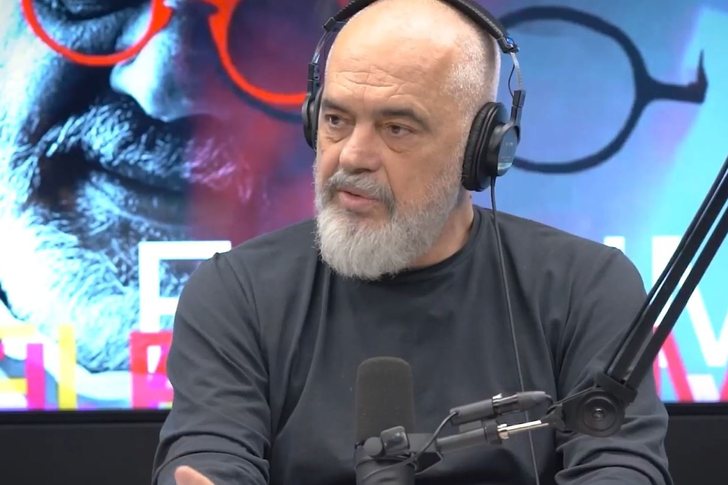
Prime Minister Edi Rama announced in his podcast "Flasim" ...
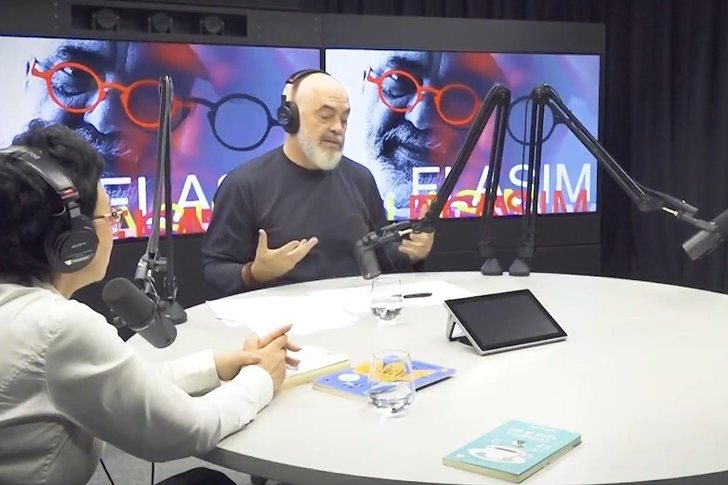
Linguist Natasha Shuteriqi, in the Prime Minister's "fasim...

The Chairman of the Democratic Party, Sali Berisha, shared...
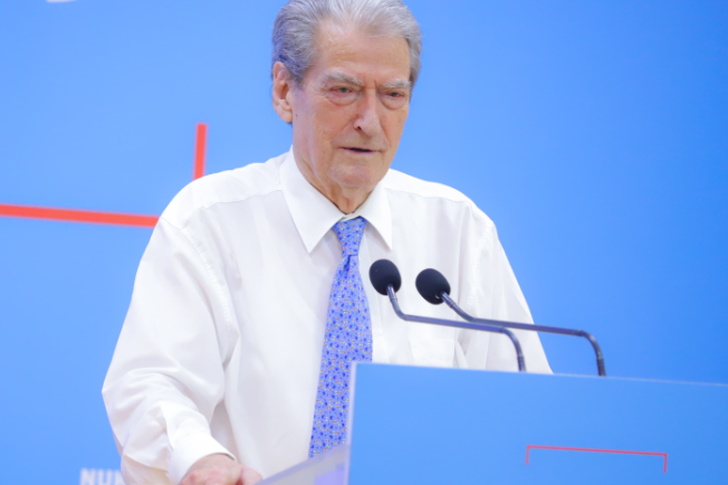
Democratic Party leader Sali Berisha today ironized the si...
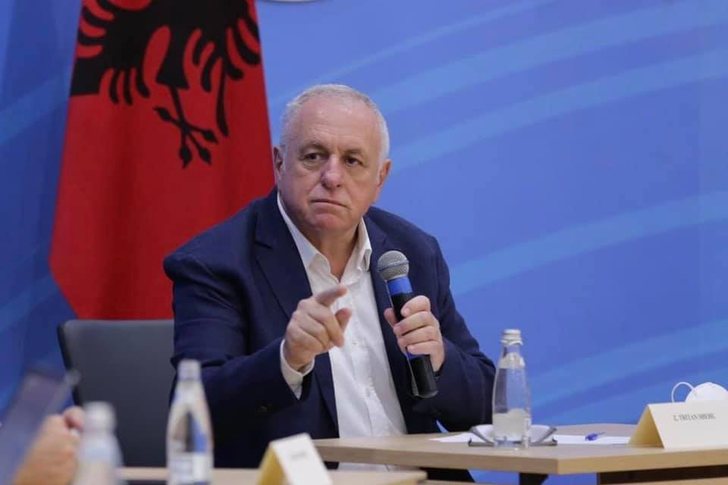
Democratic MP Tritan Shehu has today accused state structu...
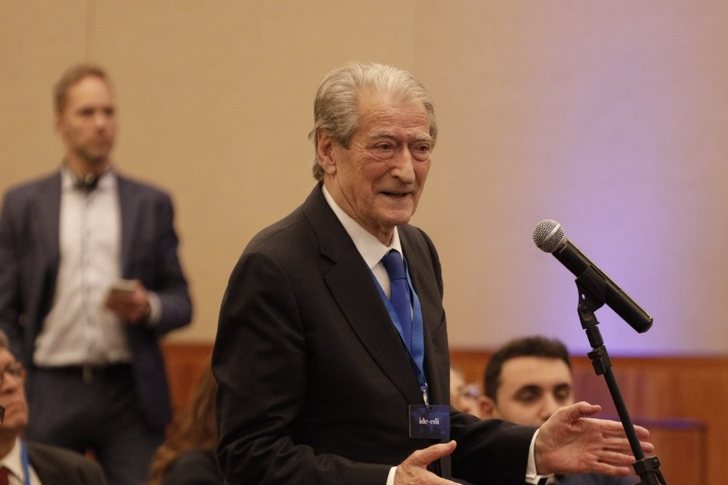
The leader of the Democratic Party, Sali Berisha, has been...
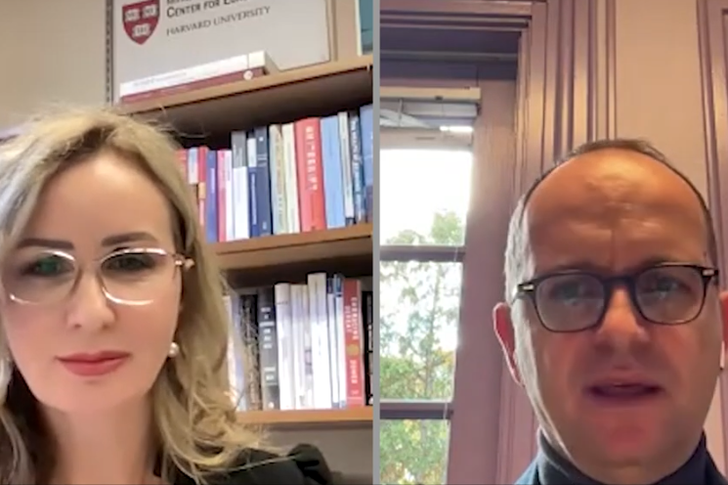
Former Minister Ditmir Bushati spoke extensively today on ...
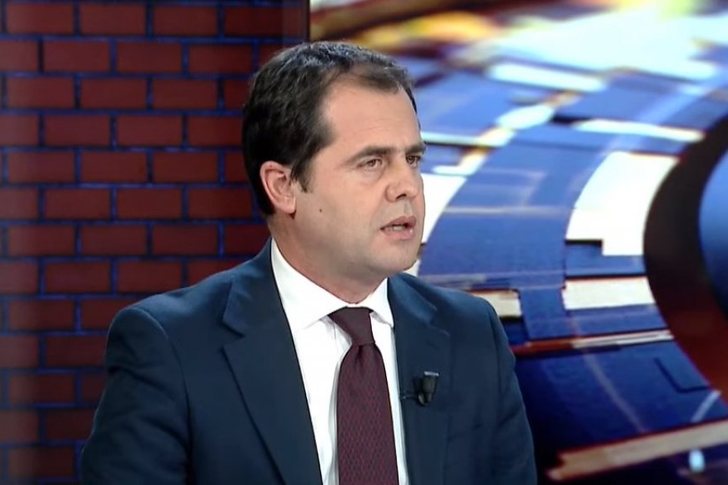
Democratic MP Oerd Bylykbashi shared today a different pos...

Integration expert, Ilda Zhulali, commented today on the s...

MP and leader of the Opportunity Party, Agron Shehaj, stat...

The Democratic Party today demanded the resignation of Pri...
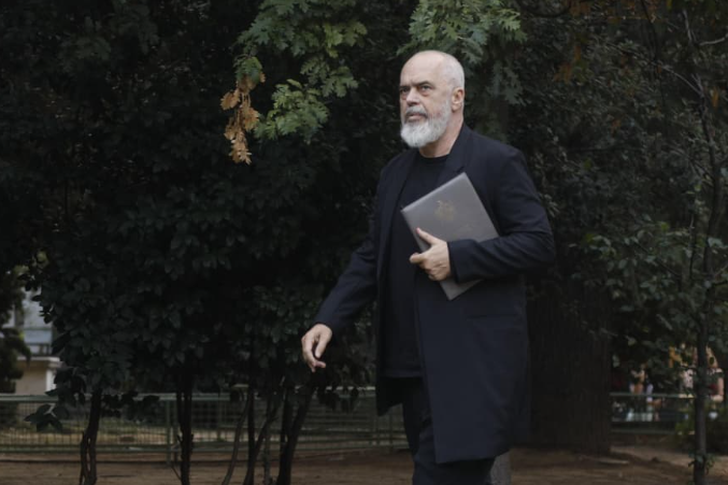
Prime Minister Edi Rama has published a note on social med...
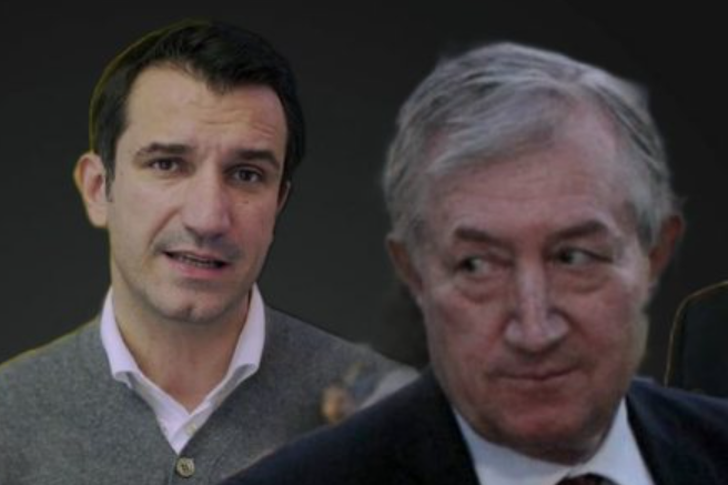
Irfan Hysenbelliu, through his media, has attacked the opp...
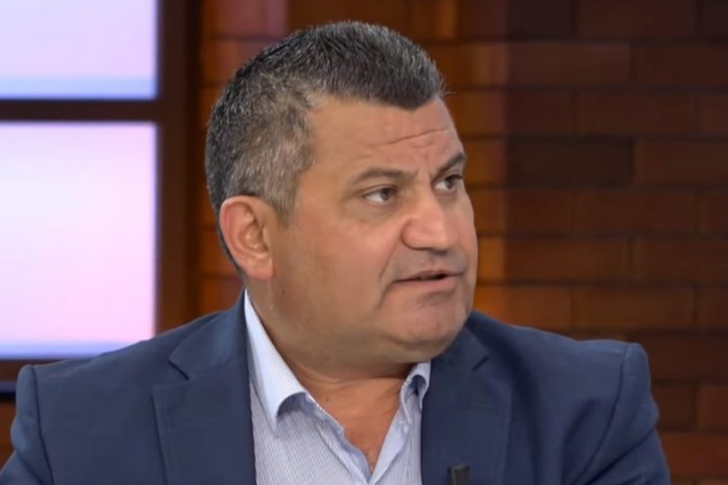
Journalist Mentor Kikia commented on the statements made t...
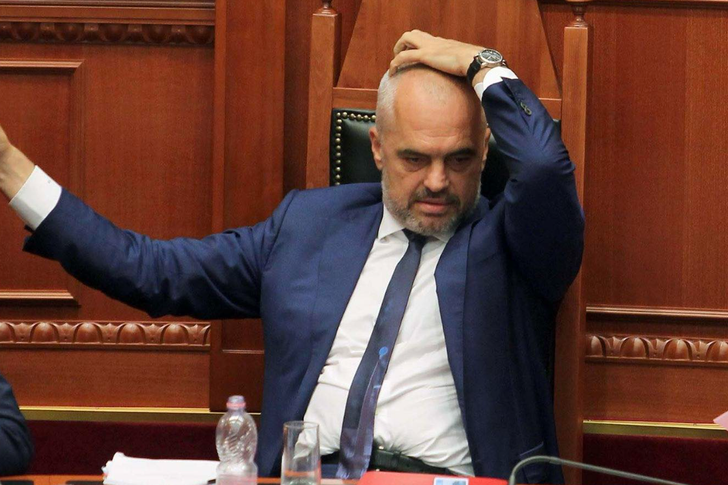
DP leader Sali Berisha has reacted to the government's dec...
Integration expert Ilda Zhulali has reacted to the stateme...
Democratic MP Bujar Leskaj was in Novosela, Vlora, this ev...
The Political Leader of the Socialist Party for the Diaspo...
DP MP Belind Këlliçi has reacted to the statements of Enla...
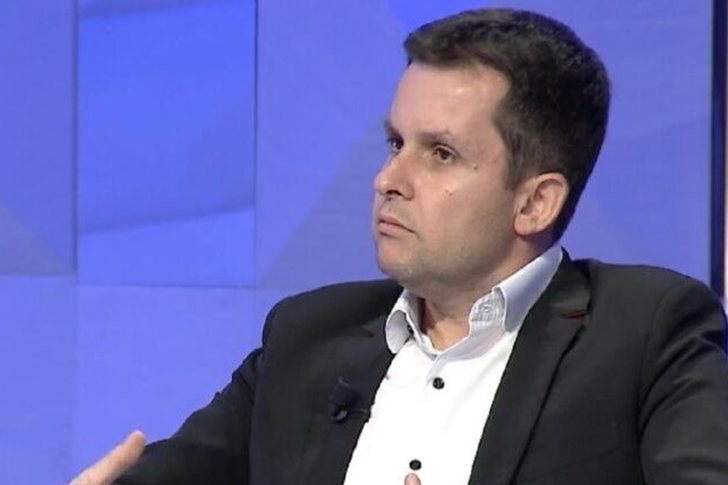
Democrat Ilir Alimehmeti declared today that the oppositio...
The next case broadcast on the show "Stop", this Thursday,...
The case published this Thursday, June 4, on the show "Sto...

The protests of recent days related to the situation in Zv...
The case addressed this Wednesday, June 3, on the show "St...

The Special Board of Appeal (KPA) decided this Monday ...

The KPA vetting decided this Thursday to dismiss the p...

Suela Salavaçi, a prosecutor in the Prosecutor's Offic...

The Special Board of Appeal reinstated the prosecutor ...

A money changer in Durrës lost 60 thousand euros after bei...
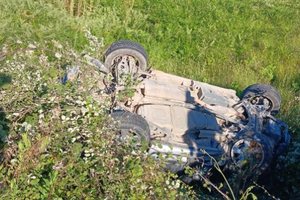
A serious accident occurred on the Kardhiq-Delvinë axis, i...
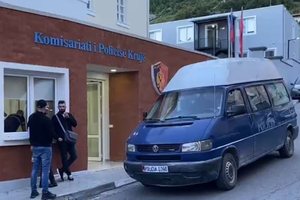
Authorities have conducted a large-scale anti-drug operati...
A convict was found dead today in the premises of the Pris...

Today our country will be affected by stable weather condi...

For many children and teenagers, the long summer holidays ...
Albania is facing an unprecedented demographic transition,...

On Thursday, our country will be affected by unstable weat...

Russian President Vladimir Putin said the war in Ukraine c...
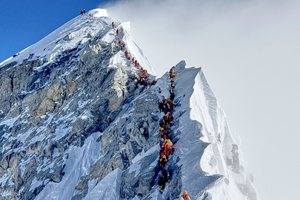
An extraordinary story of survival has been recorded in Ne...
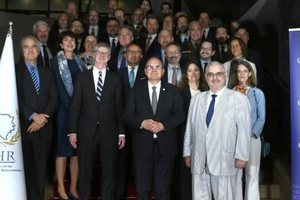
The Peace Implementation Council in Bosnia and Herzegovina...
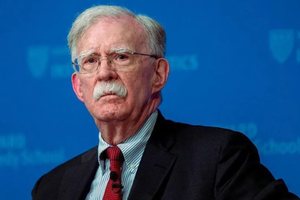
John Bolton, the former national security adviser to US Pr...

Korça is ready to open the summer season with one of the c...

Two years after his passing, the renowned Korçë poet Skënd...

The Ethnographic Museum of Berat has opened its doors to v...
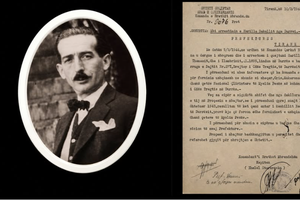
The story of Harilla Bakalli is one of the most chilling t...

Despite years of efforts at regional cooperation and free ...

Albania is the country with the highest level of severe ma...

This Friday, one US dollar is bought for 81.3 lek and sold...
The government aims to transform the country's industrial ...