


Serious accident on the Kardhiq-Delvinë axis / One person dies, three others are injured
A serious accident occurred on the Kardhiq-Delvinë axis, i...

A serious accident occurred on the Kardhiq-Delvinë axis, i...

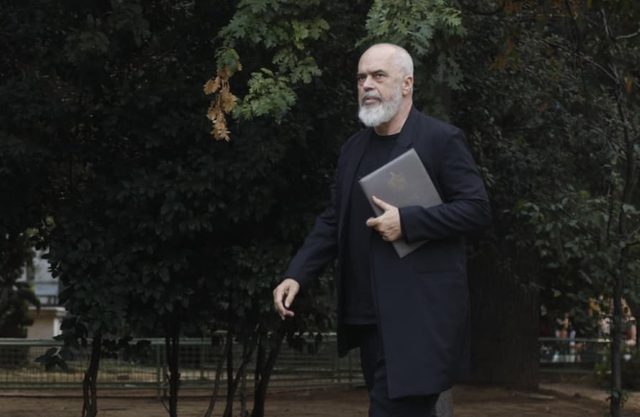
Prime Minister Edi Rama has published a note on social media, where he extensively quotes the historic speech of Robert H. Jackson, the American chief prosecutor and architect of the Nuremberg trials, emphasizing the importance of ethics, integrity and impartiality of the prosecutor. In his post, Rama writes:
“Robert H. Jackson taught the democratic world that when the prosecutor seeks the man before the crime, justice dies and when one power enters the territory of another, the democratic Constitution no longer breathes, but suffocates. Power has never been more worthy than when it has agreed to submit to the judgment of an independent justice.”
Rama's post comes immediately after the GJKKO decision to suspend Deputy Prime Minister Belinda Balluku from office, a decision that Rama has appealed to the Constitutional Court. Rama uses Jackson's speech as a warning and reflection on the importance of the rule of law and impartiality in public institutions, underlining that the role of justice is to pursue crime, not the individual.
In his note, the Prime Minister adds that this lesson of Jackson remains valid for all those who believe that justice should be independent, but never unaccountable; strong, but never blind to constitutional limits.
"Robert H. Jackson taught the democratic world that when the prosecutor seeks the man before the crime, justice dies and when one power enters the territory of another, the democratic Constitution no longer breathes, but suffocates."
While for me personally, he has taught me something very inspiring to move forward, only forward, which none of my detractors understand and will never be able to understand, as fortunately most Albanians understand very well. This is the major lesson of his monumental expression, "Power has never been more worthy than at the moment when it has agreed to submit to the judgment of an independent justice". says Rama alongside the publication of the speech of ROBERT H. JACKSON, HELD IN APRIL 1940 AT THE ANNUAL CONFERENCE OF THE UNITED STATES PROSECUTORS", writes Rama.
NOTE OF THE DAY
I have long been impressed by the monumental figure of Robert H. Jackson,
one of the brightest minds that democratic justice has known.
As Attorney General of the United States, Supreme Court Justice, and architect of the prosecution at the epochal Nuremberg trial, he established the moral foundations of the prosecutor's role in a modern rule of law.
His words, spoken in the middle of the last century, remain a guide for anyone who believes that justice should be independent, but never unaccountable; strong, but never blind to constitutional limits.
And I am sharing with you today, Robert H. Jackson's historic speech, because the warnings of America's legendary attorney general, the man who wrote the modern ethics of the democratic prosecutor, sound today as if they were written for us.
Robert H. Jackson taught the democratic world that when the prosecutor seeks the man before the crime, justice dies and when one power enters the territory of another, the democratic Constitution no longer breathes, but suffocates.
As for me personally, he has taught me something very inspiring about moving forward, which none of my detractors understand and will never be able to understand, as fortunately most Albanians understand very well. This is the major lesson of his monumental expression, "Power has never been more worthy than at the moment when it has agreed to submit to the judgment of an independent justice."
HERE IS THE SPEECH OF ROBERT H. JACKSON, WHICH HAS ENTERED THE ANNALS OF HISTORY WITH THE TITLE "FEDERAL ATTORNEY", GIVEN IN APRIL 1940 AT THE ANNUAL CONFERENCE OF THE UNITED STATES ATTORNEYS:
The prosecutor has more control over a person's life, liberty, and reputation than any other man in America. His freedom is staggering. He can put citizens under investigation, and, if he is a certain kind of man, the prosecutor can deal with public statements or with overt or covert insinuations. But he can also follow a more subtle course and simply question a citizen's friends. The prosecutor can order arrests, present cases before a closed-door jury, and, on his own biased facts, indict the citizen by forcing him to sit in court.
But he can also withdraw without going to trial at all, depriving the defense of any opportunity to be heard. Or he can proceed with a public trial. And if a conviction is handed down, the prosecutor still has the opportunity to raise objections to the sentence, just like the defense attorney.
While the prosecutor, at best, is one of the most beneficial forces in our society, when he is driven by malice or other base motives, he becomes one of the most evil forces. The powers he has are given to him because he is expected to be unbiased, that is, absolutely impartial and in no way driven by personal gain, political ambition or public pressure. His only professional obligation is “that guilt not be cast aside and innocence not suffer.”
But, unlike judges, the prosecutor is not naturally invulnerable. He is appointed or often elected, and it is up to him to show the public his zeal. To make a career, he chases after a record of convictions. Let me say it again: the prosecutor is entrusted with extraordinary power and requires an unparalleled character.
There is nothing a law enforcement system can do better than to avoid unnecessary hardship and unjustified prosecutions. If a prosecutor insists on a conviction in a case that should not be prosecuted at all, or tries a case in a way that is not fair, the damage he does is incalculable.
When the power of the prosecutor falls into the hands of a bad person, the prosecutor becomes the most dangerous person in a country.
One of the greatest dangers of abuse stems from the prosecutor's power to choose whom to prosecute. We've all heard the wise saying that the law books are so vast that a prosecutor can find any legal violation to charge almost anyone.
It is here - in the selection of cases - that the greatest temptation arises. The prosecutor can choose someone he does not like or someone he wants to embarrass, or a group of people who are disliked by the public, and set out to find them in violation. And it is at this point that law enforcement becomes personal, and the real crime becomes the fact of being disliked by the wrong prosecutor.
A good prosecutor can protect our people from crime; a bad one can terrorize them.
The application of the law is not automatic; it is humane. And while it is humane, it requires great restraint. The most dangerous power of the prosecutor is when he chooses those he thinks should be punished, instead of choosing the cases that deserve to be prosecuted. With the law books full of all kinds of provisions for crimes, a prosecutor has the chance to find at least one technical violation in almost everyone.
In such a case, the point is no longer to discover the commission of a crime and to seek out the man who committed it; the point becomes to choose the man to blame and then to search the law books, and to put the investigators to work, to pin a transgression on him.
This is precisely where the greatest danger lies, the risk that a public position will be used to humiliate, torture, or punish a citizen, not because they are guilty, but because they are unpopular or unwanted.
The qualities of a good prosecutor are as difficult to come by as those of a good judge. They are:
Honesty. Professional integrity. Impartiality. Courage and determination.
But above all, he must remember that his main mission is not to win cases, but to do justice.

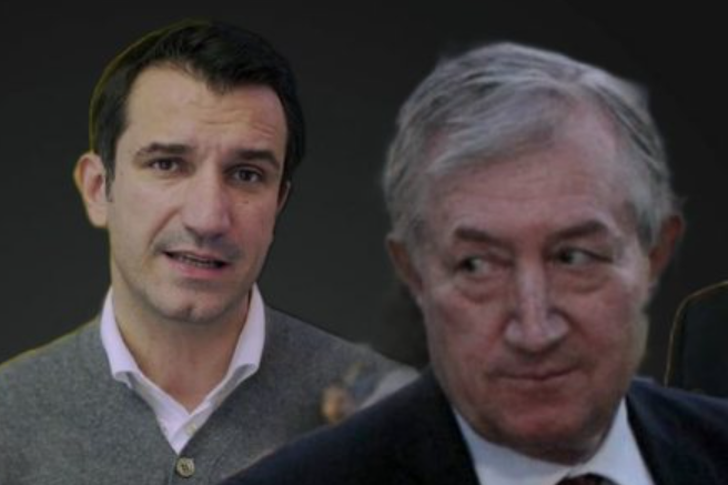
Irfan Hysenbelliu, through his media, has attacked the opp...
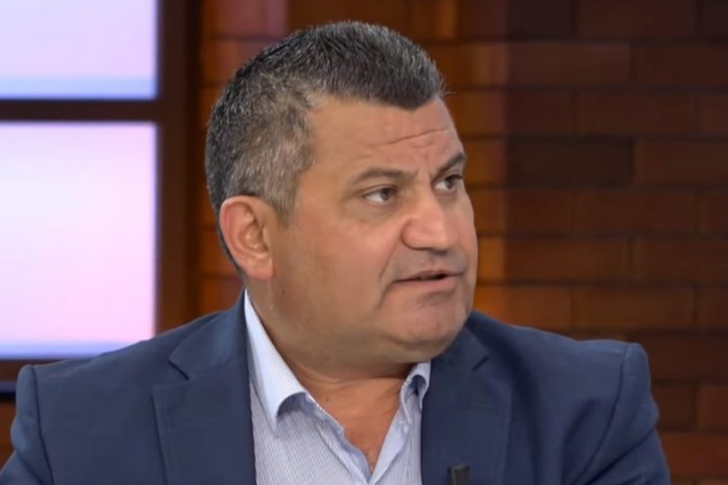
Journalist Mentor Kikia commented on the statements made t...
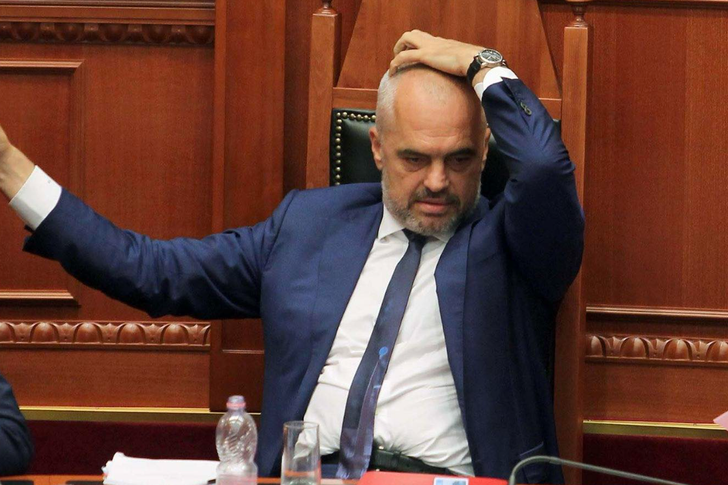
DP leader Sali Berisha has reacted to the government's dec...

Integration expert Ilda Zhulali has reacted to the stateme...
Democratic MP Bujar Leskaj was in Novosela, Vlora, this ev...
The Political Leader of the Socialist Party for the Diaspo...

DP MP Belind Këlliçi has reacted to the statements of Enla...
Democrat Ilir Alimehmeti declared today that the oppositio...
The CEC Regulatory Commission certified this Friday in a p...
Former MP Myslim Murrizi has published on social media a f...

MP and leader of the Opportunity Party, Agron Shehaj, reac...
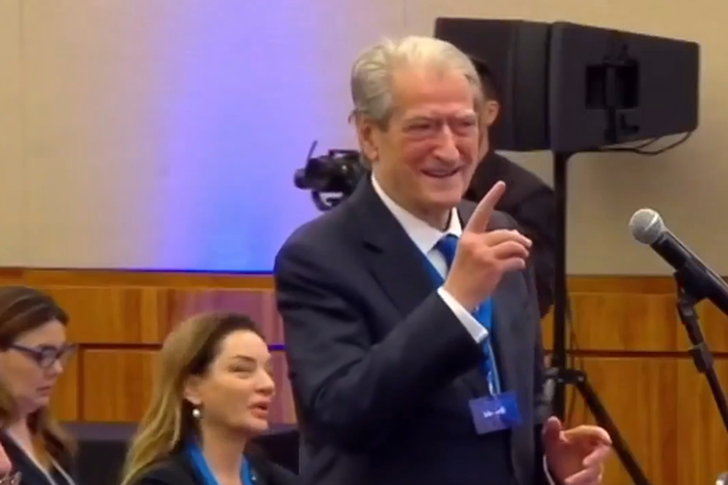
DP leader Sali Berisha stated at the CDI General Assembly ...
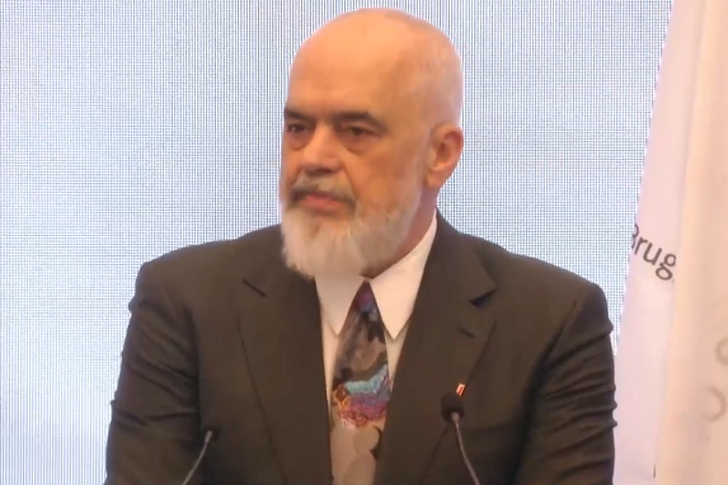
Prime Minister Edi Rama said today that the political tran...
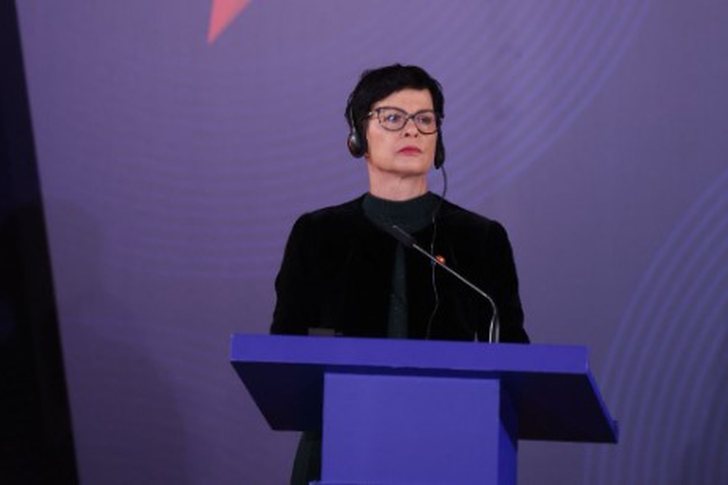
DP MP Oerd Bylykbashi commented on the statement of Enlarg...
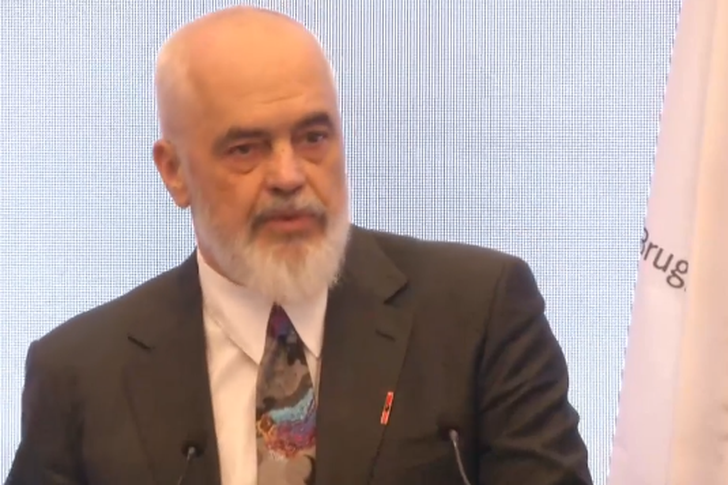
Prime Minister Edi Rama responded today remotely to the Br...
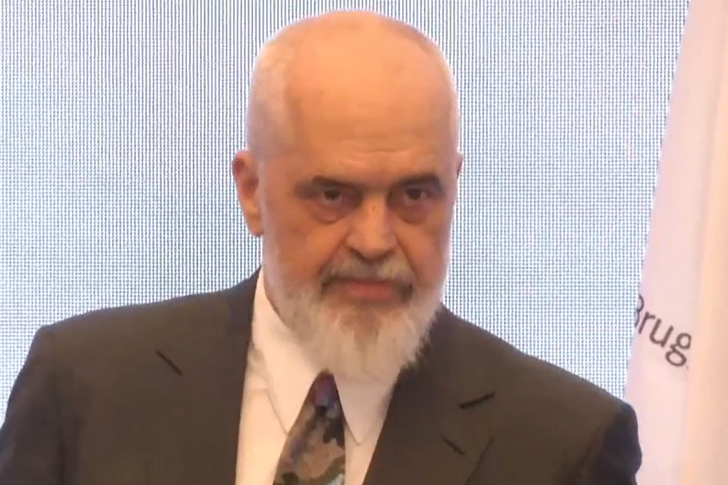
Prime Minister Edi Rama participated today in the opening ...
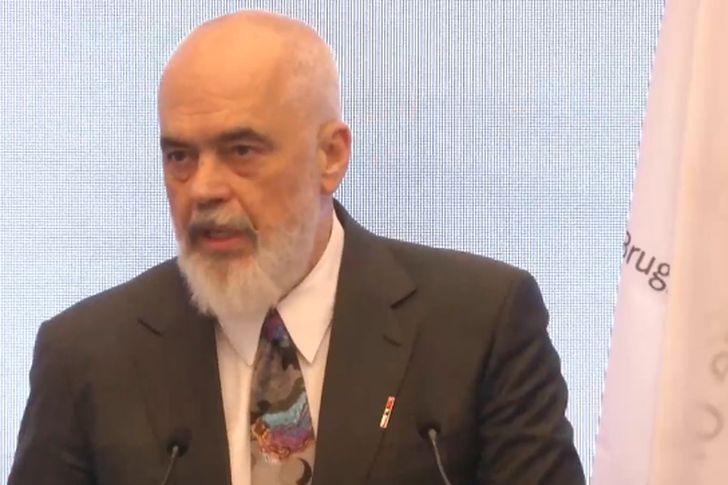
Prime Minister Edi Rama was present this Friday at the ope...
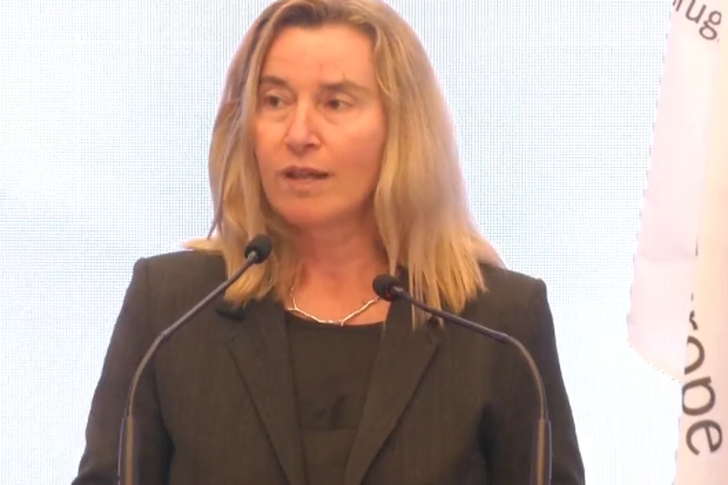
This Friday, the 2025-2026 Academic Year of the College of...

The Chairman of the Democratic Party, Sali Berisha, announ...
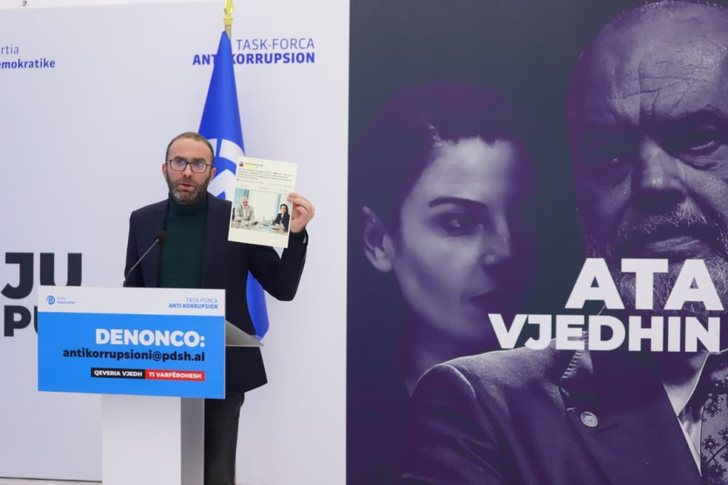
The Head of the Democratic Party Parliamentary Group, Gazm...
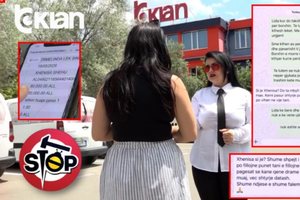
The next case broadcast on the show "Stop", this Thursday,...
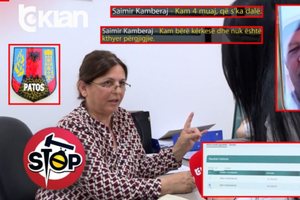
The case published this Thursday, June 4, on the show "Sto...

The protests of recent days related to the situation in Zv...
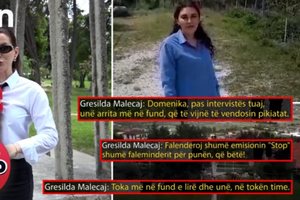
The case addressed this Wednesday, June 3, on the show "St...

The Special Board of Appeal (KPA) decided this Monday ...

The KPA vetting decided this Thursday to dismiss the p...

Suela Salavaçi, a prosecutor in the Prosecutor's Offic...

The Special Board of Appeal reinstated the prosecutor ...
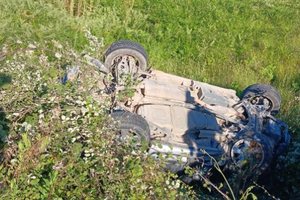
A serious accident occurred on the Kardhiq-Delvinë axis, i...

Authorities have conducted a large-scale anti-drug operati...
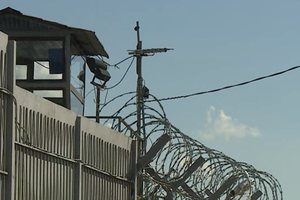
A convict was found dead today in the premises of the Pris...

Several images provided by CNA show the area where this mo...

Today our country will be affected by stable weather condi...

For many children and teenagers, the long summer holidays ...

Albania is facing an unprecedented demographic transition,...

On Thursday, our country will be affected by unstable weat...

Russian President Vladimir Putin said the war in Ukraine c...
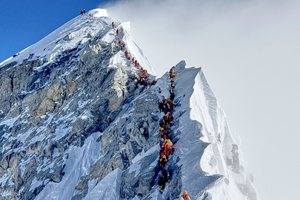
An extraordinary story of survival has been recorded in Ne...
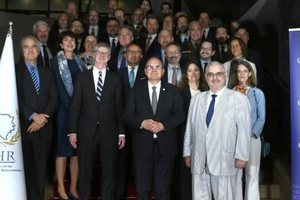
The Peace Implementation Council in Bosnia and Herzegovina...
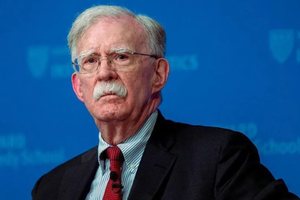
John Bolton, the former national security adviser to US Pr...
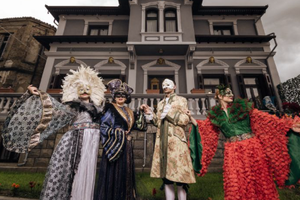
Korça is ready to open the summer season with one of the c...
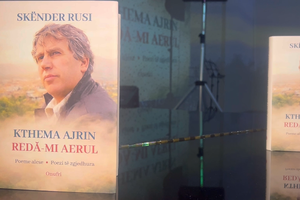
Two years after his passing, the renowned Korçë poet Skënd...
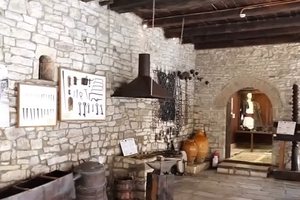
The Ethnographic Museum of Berat has opened its doors to v...
The story of Harilla Bakalli is one of the most chilling t...

Despite years of efforts at regional cooperation and free ...

Albania is the country with the highest level of severe ma...

This Friday, one US dollar is bought for 81.3 lek and sold...

The government aims to transform the country's industrial ...