

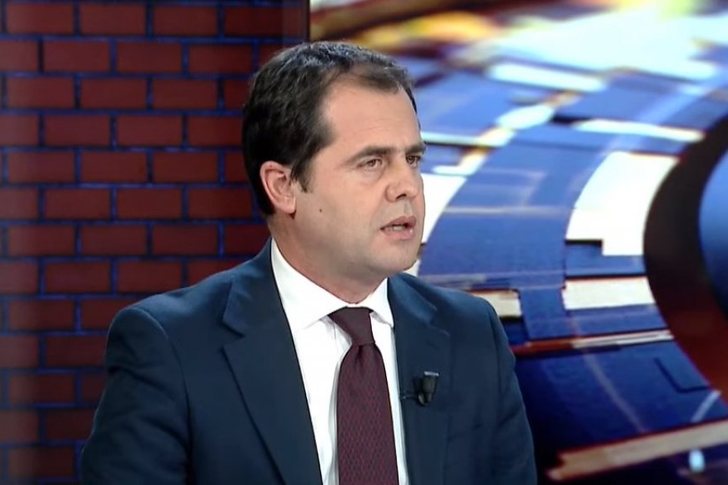
Commissioner Kos's statements on May 11/ Bylykbashi: If they were free and fair, we would not have carried out the electoral reform
Democratic MP Oerd Bylykbashi shared today a different pos...


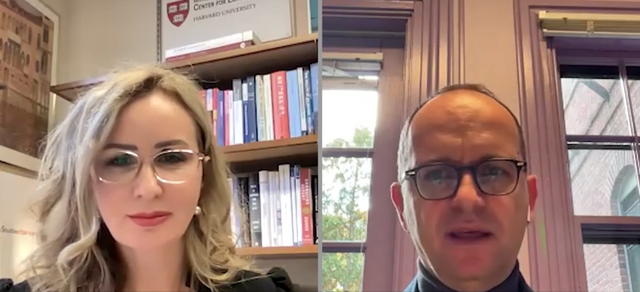
Former Minister Ditmir Bushati spoke extensively today on the issue of the political transition of Albania and Albanians.
In his podcast called "Public Square", Bushati had as a guest the political scientist at Harvard and the University of Michigan, Albana Shehaj.
During the conversation, Bushati said that even though 35 years have passed since the fall of the communist system in the country, there is still talk about transition, but the challenges associated with it.
"35 years after the fall of the communist system and Albania's opening to the democratic world, we still talk in Albania about the completion of the transition. About the need to complete it. Once, the completion of the transition was equated with the country's membership in the European Union. However, when you read the OSCE-ODIHR report on the elections in Albania or the annual reports on human rights of the US Department of State, or the reports of the European Commission, or even the PISA report that measures the assessment of the education and knowledge system in Albania, or reports of other international organizations, it seems that we still face the main challenges of the transition. How would you describe, as a researcher, as a political scientist but also as someone who has made an academic journey in elite institutions in the US, such as the University of Michigan or Harvard University or from the contacts through various research projects that you have, the reality that we face and what should be some of the experiences that we should take into account?", she said Bushati.
Meanwhile, political scientist Albana Shehaj emphasized that today Albania theoretically should no longer be in a transition period, but should be a consolidated democracy and a growing economy with its own place in the European Union.
"Today, Albania theoretically should no longer be in the transition period, but should be a consolidated democracy and a growing economy with its place in the European Union. But on the other hand, if we look at the concrete facts, economically we cannot say that Albania is the same Albania as 35 years ago. Currently, Albania reports about 3.5%-4% economic growth in GDP on an annual basis. Unemployment has decreased significantly. I believe it is below 10% over the last two years. Albania contributes and has a considerable import in the world. That is, there are many economic indicators that say that Albania is progressing.
In the political phase, an important part of the transition was also the democratic promise. Albania would be a consolidated democracy at this moment in time. This assumes a strong opposition within the country, it assumes very efficient institutions that promote and protect the rights of Albanian citizens, it also assumes an efficient government, a strong state both domestically and in the international arena. It also assumes, let us not forget, the law. A strong law uninvolved with the political system. If we consider all these points that I just mentioned to be true on a concrete and realistic basis, we see that Albania is not yet at the stage where the transition was supposed to be at this moment in time. The strength of the opposition, all indicators from different sources, concrete data from the European Commission, the World Bank, concrete data such as 'Varieties of Democracy' show that Albania is still a country where politics is focused, centralized in the hands of the ruling party and where the opposition is seen not only with political underestimation, but its role in a strong context is not recognized, which is necessary for a strong and efficient political system.
The opposition has been increasingly weakened and if you consider the recently published books, 'How Democracies Die' by Levitsky and Ziblatt, the lack of opposition strength signals a return to autocracy and not what a transition to democracy implies. Institutions, especially in the field of corruption, Albania leaves much to be desired. Systematically, we rank somewhere around 40-42 out of 100, in the system of institutional strength of Albania, which does not position us with other European Union countries, which are supposed to have successfully gone through the transition or have consolidated as democracies. Theoretically, Albania has advanced but its steps, those that were expected to be galloping in the democratic and economic system, are small steps and are three steps forward and one step back. All those criteria that needed to be consolidated are still in the process”, - said Shehaj./CNA

Democratic MP Oerd Bylykbashi shared today a different pos...

Integration expert, Ilda Zhulali, commented today on the s...

MP and leader of the Opportunity Party, Agron Shehaj, stat...

The Democratic Party today demanded the resignation of Pri...
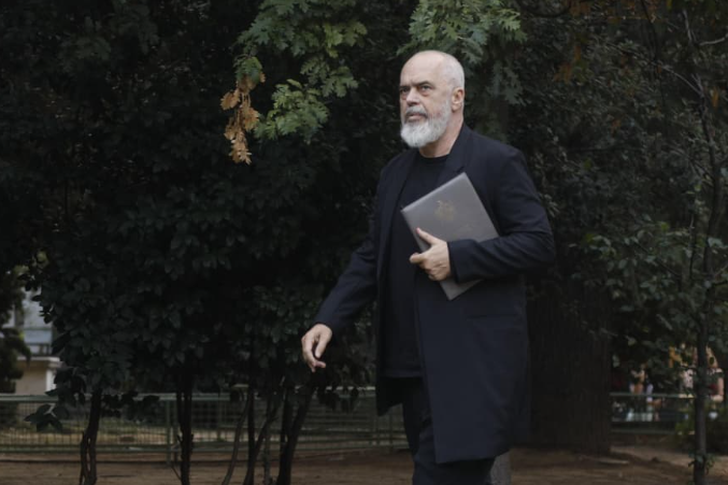
Prime Minister Edi Rama has published a note on social med...
Irfan Hysenbelliu, through his media, has attacked the opp...
Journalist Mentor Kikia commented on the statements made t...
DP leader Sali Berisha has reacted to the government's dec...
Integration expert Ilda Zhulali has reacted to the stateme...
Democratic MP Bujar Leskaj was in Novosela, Vlora, this ev...
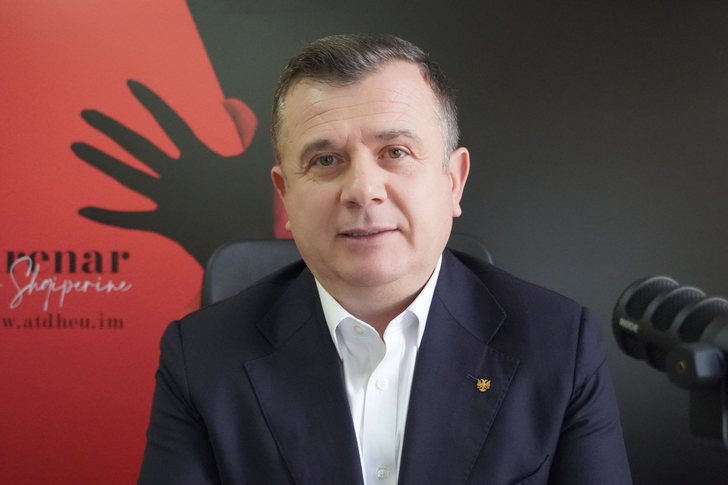
The Political Leader of the Socialist Party for the Diaspo...
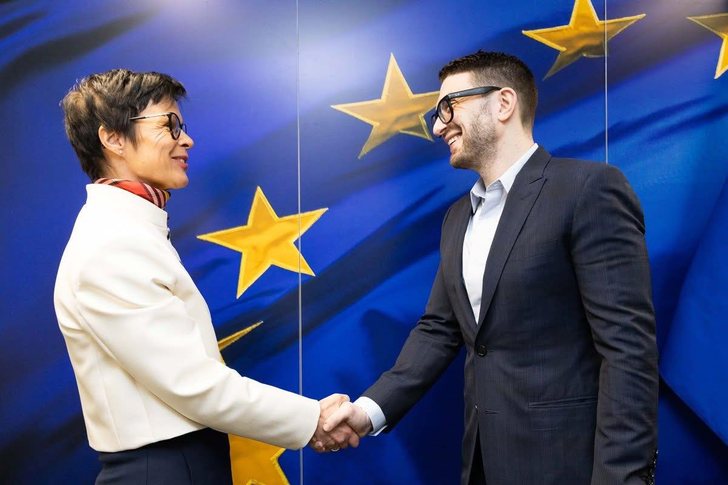
DP MP Belind Këlliçi has reacted to the statements of Enla...
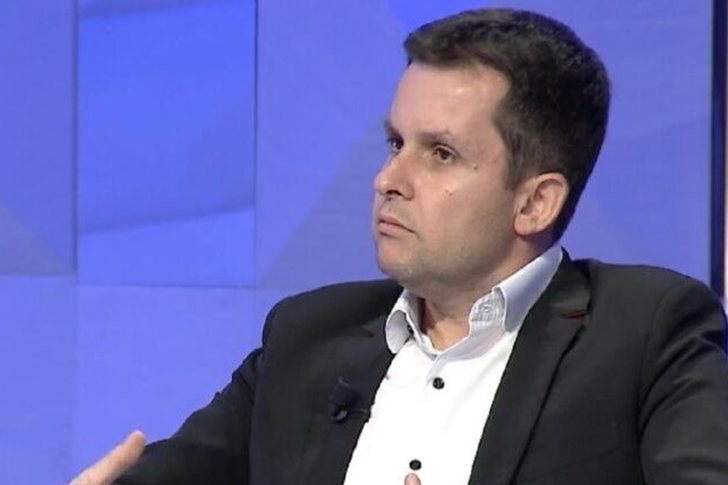
Democrat Ilir Alimehmeti declared today that the oppositio...
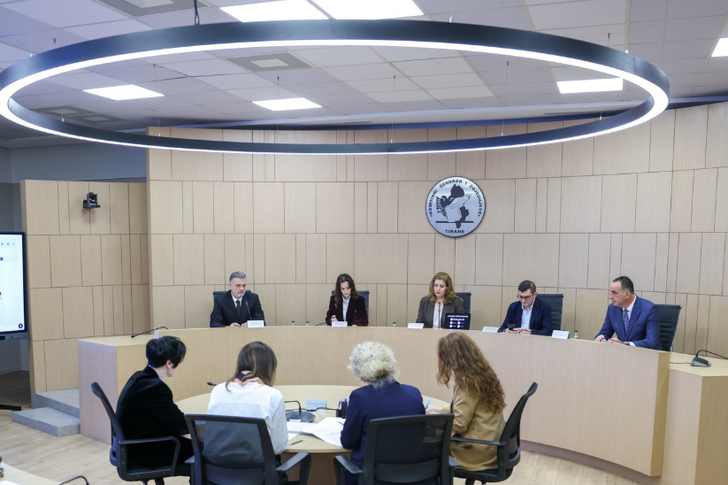
The CEC Regulatory Commission certified this Friday in a p...
Former MP Myslim Murrizi has published on social media a f...
MP and leader of the Opportunity Party, Agron Shehaj, reac...
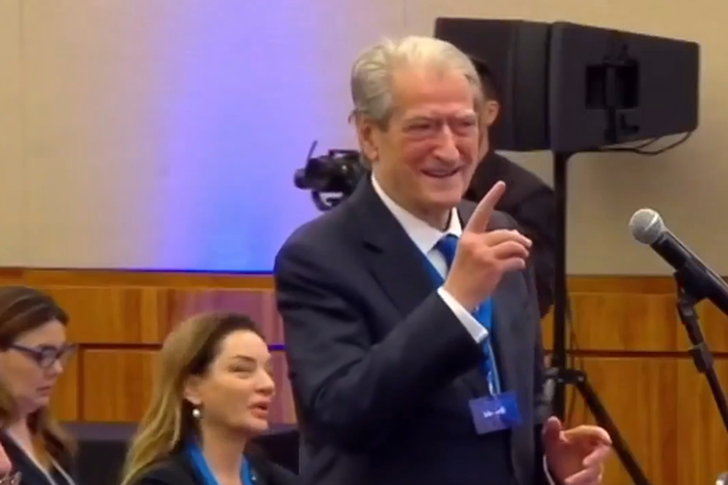
DP leader Sali Berisha stated at the CDI General Assembly ...
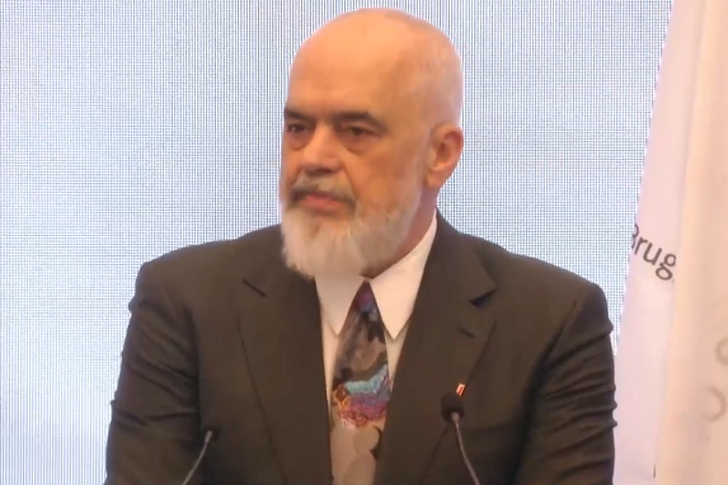
Prime Minister Edi Rama said today that the political tran...
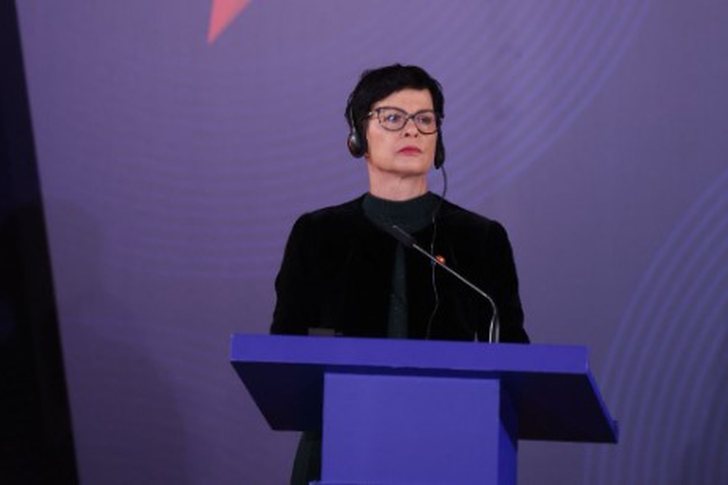
DP MP Oerd Bylykbashi commented on the statement of Enlarg...
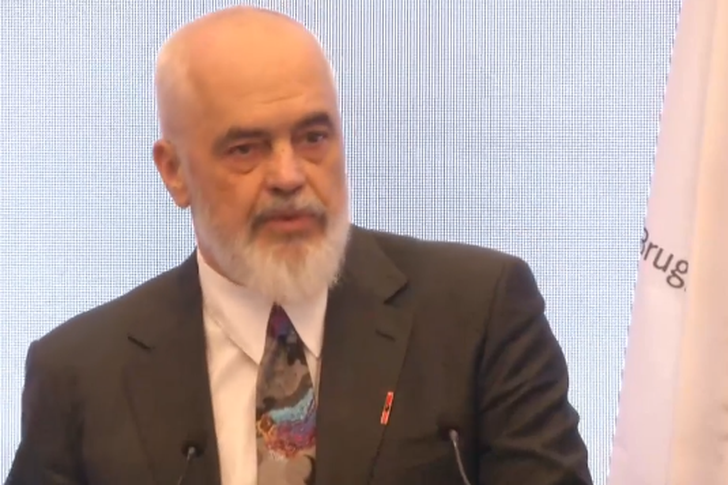
Prime Minister Edi Rama responded today remotely to the Br...
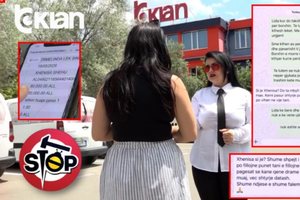
The next case broadcast on the show "Stop", this Thursday,...
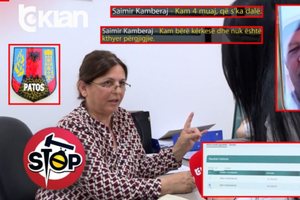
The case published this Thursday, June 4, on the show "Sto...

The protests of recent days related to the situation in Zv...
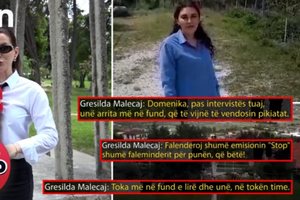
The case addressed this Wednesday, June 3, on the show "St...

The Special Board of Appeal (KPA) decided this Monday ...

The KPA vetting decided this Thursday to dismiss the p...

Suela Salavaçi, a prosecutor in the Prosecutor's Offic...

The Special Board of Appeal reinstated the prosecutor ...

A money changer in Durrës lost 60 thousand euros after bei...
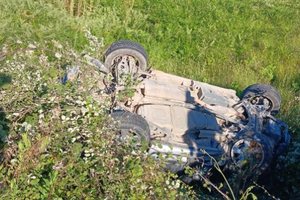
A serious accident occurred on the Kardhiq-Delvinë axis, i...
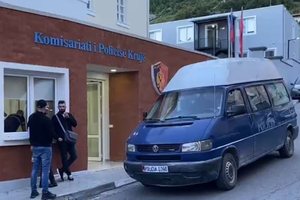
Authorities have conducted a large-scale anti-drug operati...
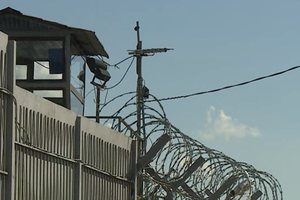
A convict was found dead today in the premises of the Pris...
Today our country will be affected by stable weather condi...

For many children and teenagers, the long summer holidays ...
Albania is facing an unprecedented demographic transition,...
On Thursday, our country will be affected by unstable weat...
Russian President Vladimir Putin said the war in Ukraine c...
An extraordinary story of survival has been recorded in Ne...
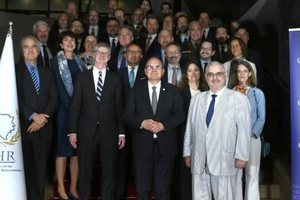
The Peace Implementation Council in Bosnia and Herzegovina...
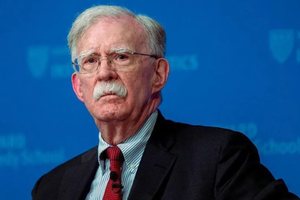
John Bolton, the former national security adviser to US Pr...
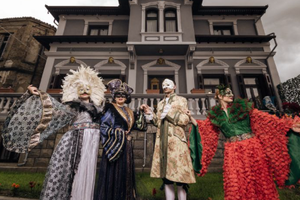
Korça is ready to open the summer season with one of the c...
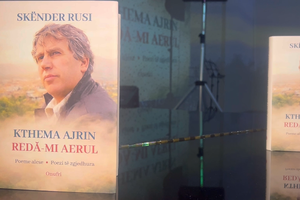
Two years after his passing, the renowned Korçë poet Skënd...
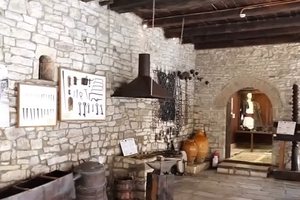
The Ethnographic Museum of Berat has opened its doors to v...
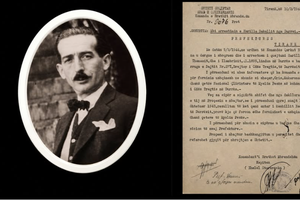
The story of Harilla Bakalli is one of the most chilling t...
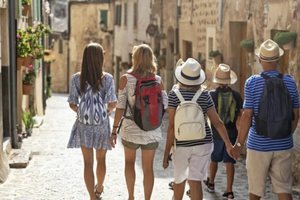
Despite years of efforts at regional cooperation and free ...
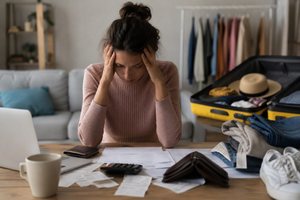
Albania is the country with the highest level of severe ma...

This Friday, one US dollar is bought for 81.3 lek and sold...
The government aims to transform the country's industrial ...