




There is very little news to share about labor market trends in the Western Balkans. However, if we put it all together, we are more likely to find an appropriate (not necessarily timely) response before we reach the point where we no longer have the "hydraulics" to unclog the prospect's pipelines. ours for employment.
Unemployment in the region is decreasing respectively from 2019 when it was at the level of 16.4% until 2022 (13.1%), when unemployment decreased by over 3%. At this rate, the Western Balkans can even afford to raise their hopes, especially if we add to the equation the increase in the level of activity in the labor markets in the region which increased by an average of 6.8%: from 60.8% in 2019 to 67.6% in 2022.
It is unfortunate that this positive trend cannot be attributed to just the right causes. Yes, it's true, we are picking up the pace of the post-Covid-19 recovery and new jobs are being created. BUT, currently across the Western Balkans, industries vital to economic growth such as information technology, construction, manufacturing, tourism and hospitality are facing acute shortages of skilled workers. Meanwhile, as if aging societies weren't troubling enough, depopulation continues with a steady stream of immigration, draining the region of the brightest minds and most talented workers, exacerbating the skills gap and impeding progress.
The lack of skills is visible, even palpable. Vacancies are hard to fill and are a daily battle for business owners. We are witnessing an increase in the number of workers imported from outside the region. This is especially true in the construction, tourism and hospitality, healthcare, engineering and manufacturing sectors. For example, in Bosnia and Herzegovina alone, the number of work permits in the period 2010-2023 increased from 1,380 to 3,719. This in itself is not significant, but if it is known that the quotas requested for this year double the permits granted for 2023, this fact casts a completely different light on the future.

So we can't help but wonder what is happening to our workforce and what it would take to ensure that we engage all available human resources. Especially knowing that half of the women in the labor markets in the region are unemployed, that youth employment is even worse than it has been, going up to 22.3%, that 18% of the workforce is categorized as long-term unemployed and that informal work in some economies reaches over 30%.
However, even though the picture is grim, we can turn the situation around and start looking at the numbers differently, that is, see them as an available potential that is waiting to be used.
Vocational Education and Training (VET) can be the key to addressing employment challenges and skills shortages. Despite its importance, AFT education participation rates vary from economy to economy from 4.6% to 24.2%, with marked gender disparities favoring young males. However, compared to the overall youth employment rate across the region (around 22%), at least half of recent AFT graduates are employed.

Today's labor market is characterized by protracted and unstable transitions of young people into employment, where combining work and study is increasingly becoming the norm. However, the high levels of unemployment among young people highlight the need for specific interventions.
The consequences of this mismatch between labor supply and demand are profound. Businesses struggle to fill essential roles, stifling innovation and productivity. Meanwhile, limited opportunities within the country push young people abroad, exacerbating economic stagnation and social unrest.
Recognizing the crucial role of VET, governments, businesses and civil society must work together to develop comprehensive strategies. Investments in VET should match the needs of industry, providing young people with essential skills. Partnerships between educational institutions and businesses can provide hands-on learning opportunities, as well as internships and mentoring programs.


Efforts to curb labor emigration must be accompanied by initiatives to attract skilled workers back to the region. Creating an entrepreneurial and innovative environment, offering competitive salaries and benefits, and supporting professional development are vital steps in retaining talent in the Western Balkans.
Living in a world with so many "know-it-alls but masters of none" should make us think about shifting our focus to creating true masters of a craft. Invest in them and give them the chance to thrive.
After all, if we want to paint our Western Balkans in brighter colors, we definitely need skilled painters.

I believe everyone is glad that parliamentary activity...
It began to be created in the first two mandates of th...
Tirana celebrated and roared today in several arteries...
] In an announcement that did not upset anyone, the Pri...
The bad news that 21,000 young people left the labor m...
The Democratic Party has made a pact where it has acce...
Do you remember Gazi? That terrible Gazi who declared...

An AliBaba-type thief named E had arrived to steal S's...
The news that Zelensky, the President of Ukraine, is o...
What is the first thought that comes to your mind when...

A very large part of the Albanian electorate and socie...
What we see today in the Albanian opposition is not one of...
Anyone who has followed the sharpest Greek analytical ...

Budva. Ezmerka had the date of birth. We staye...

"Eureka-Eureka-Eureka!" This was the first cry of the mon...

In dozens of daily news about the "violence" of the "s...
If you analyze it detached from the tyranny of the mom...

The conservative Greek newspaper "Ta Nea", very close ...

NATO spent about 55 million euros in Kuçovo and today Alba...
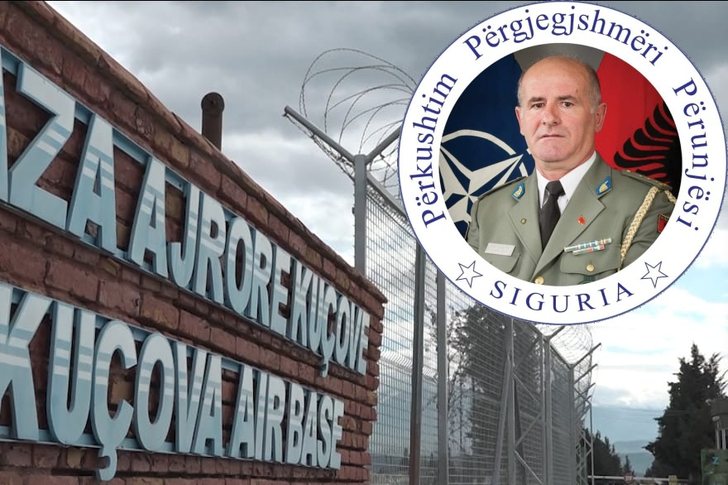
Siç është bërë gjerësisht e njohur, sot, “datë 4 Mars ...

Irfan Hysenbelliu claims to be a big businessman, an hones...

The murder of officer Enea Mekolli in the line of duty has...
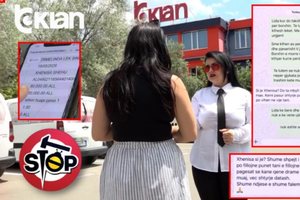
The next case broadcast on the show "Stop", this Thursday,...
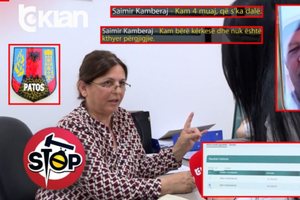
The case published this Thursday, June 4, on the show "Sto...

The Special Board of Appeal (KPA) decided this Monday ...

The KPA vetting decided this Thursday to dismiss the p...

Suela Salavaçi, a prosecutor in the Prosecutor's Offic...

The Special Board of Appeal reinstated the prosecutor ...

A 38-year-old man was arrested today near the Kamza turnof...

A money changer in Durrës lost 60 thousand euros after bei...
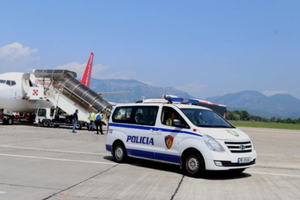
The 6 citizens captured in Dubai, members of criminal grou...
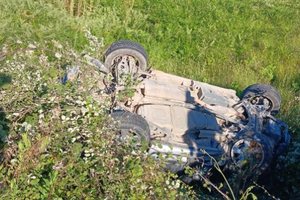
A serious accident occurred on the Kardhiq-Delvinë axis, i...

Today our country will be affected by stable weather condi...

For many children and teenagers, the long summer holidays ...

Albania is facing an unprecedented demographic transition,...

On Thursday, our country will be affected by unstable weat...
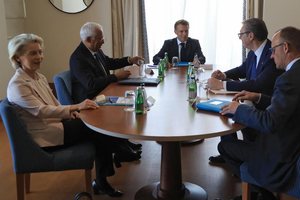
Leaders of the European Union and Western Balkan countries...
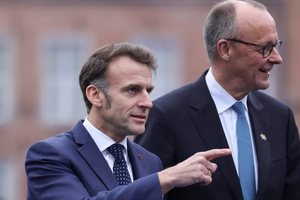
On the eve of the EU-Western Balkans summit, Germany and F...

Russian President Vladimir Putin said the war in Ukraine c...
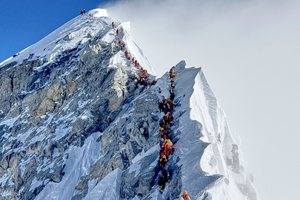
An extraordinary story of survival has been recorded in Ne...

Korça is ready to open the summer season with one of the c...

Two years after his passing, the renowned Korçë poet Skënd...
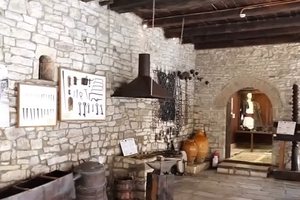
The Ethnographic Museum of Berat has opened its doors to v...
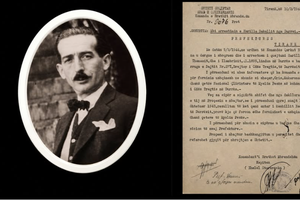
The story of Harilla Bakalli is one of the most chilling t...
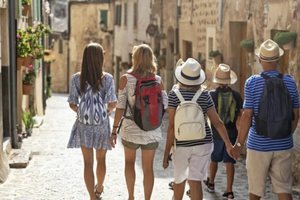
Despite years of efforts at regional cooperation and free ...

Albania is the country with the highest level of severe ma...

This Friday, one US dollar is bought for 81.3 lek and sold...
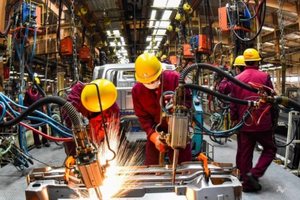
The government aims to transform the country's industrial ...