

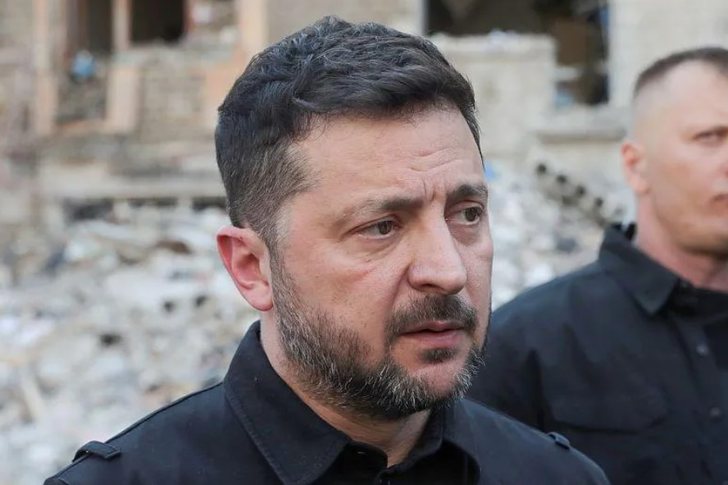
Zelensky seeks NATO help/Urgent need for air defense systems
Ukrainian President Volodymyr Zelensky is using the NATO s...


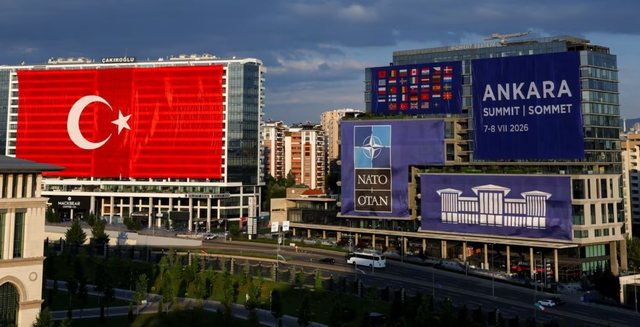
US President Donald Trump is headed to Ankara, where NATO leaders are gathering for what could be one of the alliance's most important summits in recent years - not because it is expected to produce any dramatic results, but because it could define what NATO will look like after decades of dominance by American military leadership.
The July 7-8 summit takes place at a time when Washington is openly preparing European allies for a gradual shift in the American military presence on the continent, is pressuring member states to significantly increase defense spending, and is signaling that Europe's security must increasingly become Europe's own responsibility.
Trump is staying in Ankara with well-known complaints that many allies continue to benefit from American defense without contributing enough themselves.
But behind the public rhetoric lies a much deeper debate about NATO's future: how to rebalance the alliance without weakening its deterrent against Russia.
Senior US officials confirmed before the summit that the Pentagon's ongoing review of the US military presence in Europe could lead to a reduction in the number of US forces stationed across the continent.
"It should come as no surprise that we are doing a review of our military presence," a senior US official said. "This review could very well lead to an adjustment of our presence as we seek to shift a greater share of the burden to Europe."
Another senior official told Radio Free Europe on July 6 that this review reflects "global demands" on US forces and insisted that any changes in troop numbers would be guided by strategic, not political, considerations.
A summit that will measure Europe's readiness
For the Trump administration, the Ankara summit is less about declarations and more about concrete results. The White House is looking for evidence that European allies are translating promises into military capabilities.
“We expect all allies to show a clear and meaningful trajectory of growth, both in quantitative and qualitative terms, in defense spending, so that the burden is shared more fairly,” U.S. Ambassador to NATO Matthew Whitaker told reporters ahead of the summit. He singled out Poland, Germany, and the Nordic and Baltic countries as examples of allies moving in the right direction.
Trump himself, however, has been less diplomatic.
"I was disappointed with Italy. I was disappointed with the United Kingdom... We were disappointed with Germany and France. Spain is a disaster. Spain is terrible... They think they're getting a free pass," Trump said last week during an Oval Office meeting with NATO Secretary-General Mark Rutte.
Megjithëse SHBA-ja mbetet kontribuuesja më e madhe e NATO-s sa u përket shpenzimeve, disa aleatë – përfshirë Poloninë, Lituaninë, Letoninë, Estoninë dhe Norvegjinë – tashmë ndajnë një përqindje më të madhe të Prodhimit të Brendshëm Bruto (PBB) për mbrojtjen sesa Uashingtoni.
Pas zotimeve të marra në samitin e vitit të kaluar në Hagë, vendet anëtare të NATO-s pritet që në Ankara të paraqesin plane konkrete që tregojnë se si synojnë të arrijnë shpenzime për mbrojtjen në nivelin prej 5 për qind të PBB-së deri në vitin 2035.
Matthew Kroenig, ish-këshilltar i posaçëm i Pentagonit për strategjinë dhe politikat e mbrojtjes, vlerësoi se ky samit do të shndërrohet në një “samit i rezultateve”.
“Çështja është nëse evropianët po e marrin vërtet përsipër barrën që administrata Trump synon t'u transferojë”, tha Kroenig më 6 korrik gjatë një diskutimi në Institutin Brookings.
Edhe pse pranoi se është shënuar përparim, Kroenig tha se zyrtarët amerikanë mbeten të shqetësuar se shumë aleatë ende nuk kanë plane të besueshme për të arritur objektivat e dakorduara të shpenzimeve për mbrojtjen, teksa ende ka pikëpyetje nëse nismat industriale evropiane mund të krijojnë kapacitete që tashmë ofrohen nga prodhuesit amerikanë, në vend që të forcojnë NATO-n në mënyrën më efikase.
Drejt 'NATO 3.0'
Përtej buxheteve, samiti pasqyron një transformim shumë më të gjerë strategjik. Në vend që të shpërbëjë NATO-n, shumë analistë besojnë se Uashingtoni po përpiqet ta ridefinojë rolin e aleancës.
Charles Kupchan, bashkëpunëtor i lartë në Këshillin për Marrëdhënie të Jashtme, e përshkroi këtë proces si ribalancim, që sipas tij është dashur të ndodhte më parë, e jo një krizë ekzistenciale.
“Po kalojmë një periudhë të domosdoshme ribalancimi, ku Evropa po merr më shumë përgjegjësi, ndërsa Shtetet e Bashkuara po rishpërndajnë burimet e tyre dhe po riorganizojnë prioritetet strategjike”, tha Kupchan gjatë një diskutimi të organizuar nga Këshilli për Marrëdhënie me Jashtë më 6 korrik.
Teksa disa analistë e përshkruajnë NATO-n si një aleancë që po hyn në një periudhë të pasigurisë strategjike, Kupchan argumentoi se themelet institucionale të aleancës mbeten të paprekura.
“Nuk besoj se jemi dëshmitarë të fundit të aleancës transatlantike”, tha ai. “Institucioni mbetet i paprekur”.
Megjithatë, ai paralajmëroi se qasja e Trumpit ka dëmtuar një nga asetet më të vlefshme strategjike të NATO-s: besimin.
“Forca më e madhe e Amerikës janë partneritetet e saj”, tha Kupchan. “Në Evropë do të ketë më shumë armë dhe më shumë tanke, por do të përballemi me probleme serioze nëse askush nuk na do”.
Liana Fix, një tjetër bashkëpunëtore e lartë në Këshillin për Marrëdhënie me Jashtë, tha se beson që Evropa tani po vepron njëkohësisht në dy realitete strategjike.
Publikisht, udhëheqësit vazhdojnë të flasin për një ndarje më të drejtë të barrës dhe për një NATO më të fuqishme. Privatisht, megjithatë, qeveritë po përgatisin gjithnjë e më shumë plane rezervë në rast se Uashingtoni e redukton më tej angazhimin e tij ushtarak në Evropë.
“Amerikanët po tërhiqen më shpejt sesa evropianët janë në gjendje ta mbushin boshllëkun”, tha Fix duke paralajmëruar se aleanca mund të përballet me mungesa të konsiderueshme të kapaciteteve, veçanërisht në mbrojtjen ajrore, logjistikën strategjike dhe mbrojtjen raketore.
Sipas saj, vetë Ukraina po bëhet një shtyllë gjithnjë e më qendrore e sigurisë së ardhshme të Evropës. “Sa më shumë që SHBA-ja të tërhiqet nga Evropa, aq më shumë Ukraina bëhet një garantuese e sigurisë për Evropën”, tha Fix.
Ukraina kërkon përfitime konkrete
Ukraina merr pjesë në samitin në Ankara në një kohë kur po përballet me sulme gjithnjë e më intensive raketore nga Rusia dhe me mungesa në rritje të penguesve të avancuar për mbrojtjen ajrore.
Presidenti ukrainas, Volodymyr Zelensky, pritet të takohet me Trumpin në margjinat e samitit, teksa do të përsërisë kërkesat për sisteme shtesë raketore Patriot, pas një tjetër sulmi vdekjeprurës ndaj Kievit.
Tyson Barker, ish-zëvendës i dërguari i posaçëm i SHBA-së për rimëkëmbjen ekonomike të Ukrainës, tha se beson që suksesi i Kievit nuk do të matet nga deklaratat politike, por nga zotimet konkrete ushtarake.
“Çdo zotim për më shumë sisteme të mbrojtjes ajrore do të ishte jashtëzakonisht i rëndësishëm dhe shumë i nevojshëm”, i tha Barker Radios Evropa e Lirë më 6 korrik.
Në vend që të përqendrohet te debatet për anëtarësimin e Ukrainës në NATO, Barker tha se samiti duhet t’i japë përparësi rritjes së prodhimit të armatimit, dërgesave të armëve dhe bashkëpunimit në industrinë e mbrojtjes.
“Nuk besoj se mesazhet politike për raportet në të ardhmen mes NATO-s dhe Kievit mund të sjellin ndonjë rezultat pozitiv në këtë moment”, tha ai. “Nevojat urgjente janë zotimet më të mëdha për furnizimin me armë, veçanërisht sisteme të mbrojtjes ajrore, si dhe bashkëpunim më i ngushtë në prodhimin e pajisjeve të mbrojtjes”.
Barker po ashtu sugjeroi se Ankaraja mund të forcojë më shumë dinamikën në zhvillim të bashkëpunimit në rajonin e Detit të Zi midis Turqisë dhe Ukrainës, përmes zgjerimit të bashkëpunimit në industrinë e mbrojtjes.
Kroenig vuri në pah se pavarësisht kritikave nga Evropa, administrata e Trumpit argumenton se vazhdon ta mbështesë Ukrainën përmes ndarjes së informacioneve të inteligjencës, zgjerimit të autorizimit për goditje thellë brenda territorit rus dhe lehtësimit të blerjes nga Evropa të armëve amerikane.
Megjithatë, ai pranoi se penguesit për sistemin Patriot mbeten ndër kapacitetet ushtarake më të rralla në botë.
“Nuk e di nëse SHBA-ja mund ose do të bëjë diçka më shumë”, tha Kroenig. “Ky është një nga kapacitete për të cilat kërkesa është jashtëzakonisht e lartë, ndërsa furnizimi mbetet shumë i ulët”.
Lindja e Mesme zgjeron agjendën e NATO-s
Although Ukraine dominates the security agenda, the Ankara summit will also highlight NATO's growing attention to the Middle East.
Senior US administration officials told Radio Free Europe/Radio Liberty that President Trump wants allies to take more responsibility for protecting commercial shipping through the Strait of Hormuz, following recent instability in the region.
Barker warned that European governments have already signaled a willingness to contribute to maritime security only once the situation stabilizes and there is a sustainable ceasefire.
The summit's location in Ankara also highlights Turkey's growing geopolitical importance.
Trump is expected to hold bilateral meetings with Turkish President Recep Tayyip Erdogan, Zelensky and Syrian President Ahmed al-Sharaa. The meetings reflect Washington's renewed diplomatic engagement in the region after months of heightened tensions.
Experts at the Council on Foreign Relations argue that Turkey's role within NATO is being driven less and less by European security and more and more by its strategic importance in Syria, the Eastern Mediterranean, and the Middle East as a whole.
Stephen Sestanovich, senior fellow for Russian and Eurasian studies at the Council on Foreign Relations, said the summit could also highlight Moscow's declining influence in the region.
"From Russia's perspective," Sestanovich said, "what this summit represents is the US's rapprochement and strengthening of relations with Turkey and Syria."
An alliance undergoing transformation
Despite disagreements over strategy, most analysts agree that the Ankara summit is unlikely to bring dramatic clashes or major breakthroughs.
Instead, the summit is expected to formalize a transformation process that has already begun.
Whether described as fairer burden-sharing, “NATO 3.0” or strategic rebalancing, Washington seems determined to hand over primary responsibility for Europe's conventional defense to European capitals, while preserving the alliance's basic political and nuclear architecture.
The question that remains unanswered is whether this transition can occur without creating dangerous security gaps and weakening the trust that has been the foundation of NATO for more than seven decades.
As leaders gather in Ankara, the challenge is no longer simply that Europe spend more on defense. The challenge is whether NATO can adapt to a new distribution of power while preserving the unity that has long been its greatest strategic advantage. /REL

Ukrainian President Volodymyr Zelensky is using the NATO s...
The Maine Senate race is engulfed in a deep political cris...
Tehran was transformed into a massive political specta...
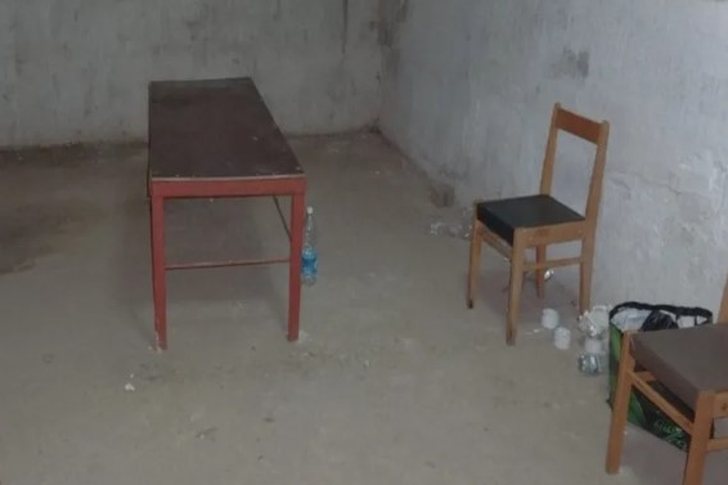
An in-depth investigation by BBC Eye Investigations has sh...
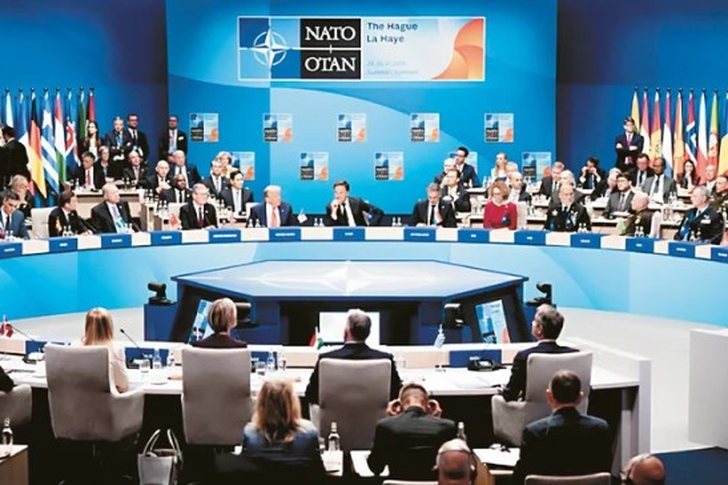
Ahead of the NATO summit to be held in Ankara on July 7-8,...
Canadian Prime Minister Mark Carney, before leaving for th...

Microsoft has announced that it has cut 4,800 jobs - rough...
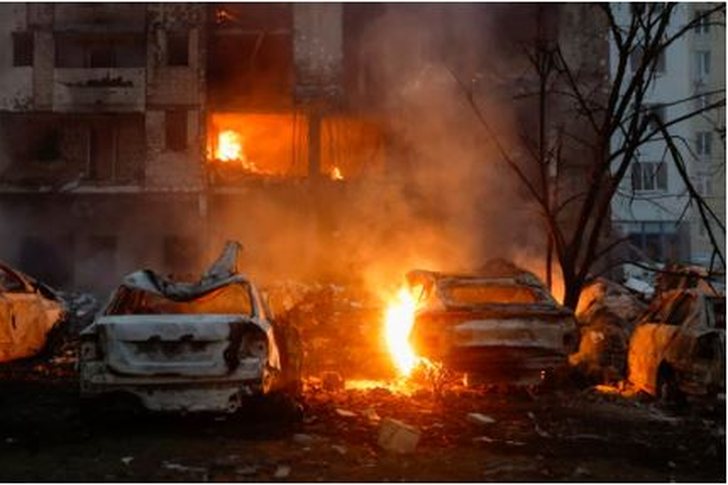
A wave of Russian missiles and drones has struck across Uk...
The family of American conservative activist Charlie Kirk ...
Russian President Vladimir Putin is likely in his most pre...
Hungary's new government, led by Prime Minister Péter Magy...
President Donald Trump has confirmed that he has asked FIFA ...
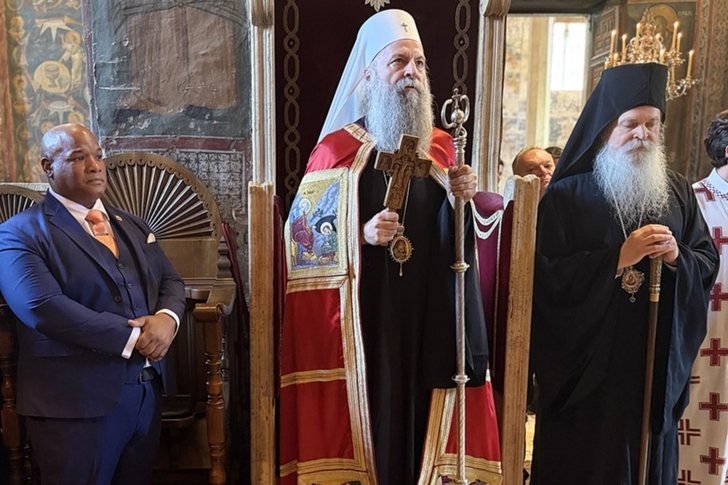
The informal religious advisor to United States President ...
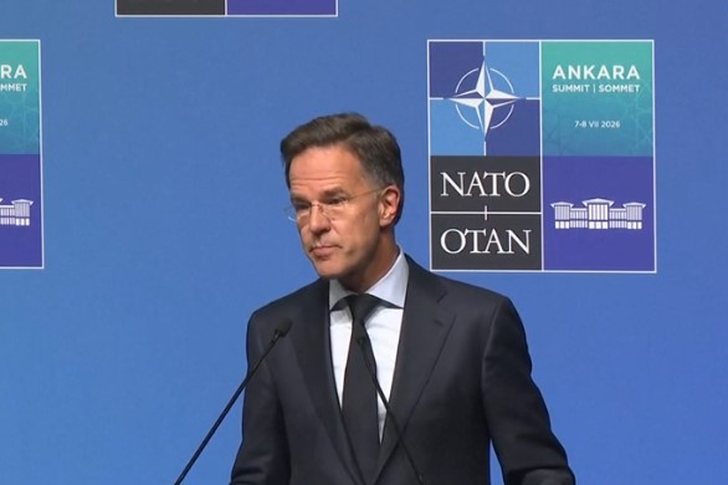
NATO Secretary General Mark Rutte held a press conference ...
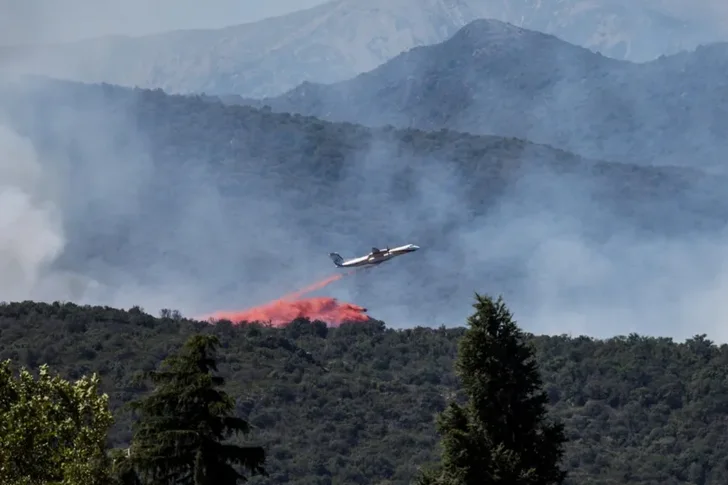
A huge fire has forced the evacuation of thousands of peop...
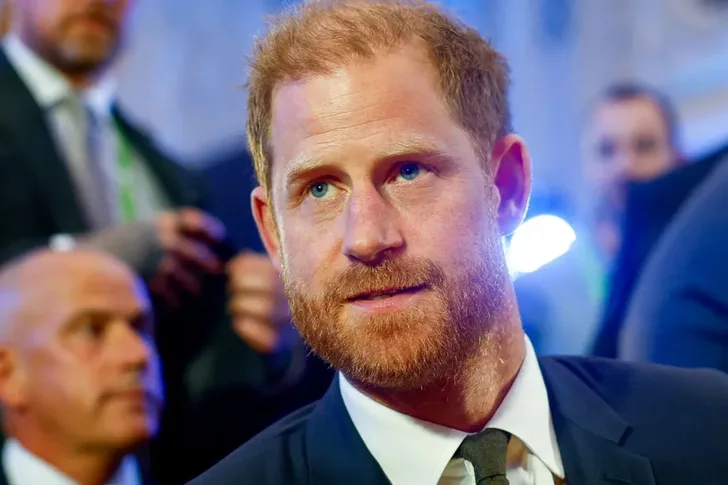
Buckingham Palace says Prince Harry will not stay at the p...
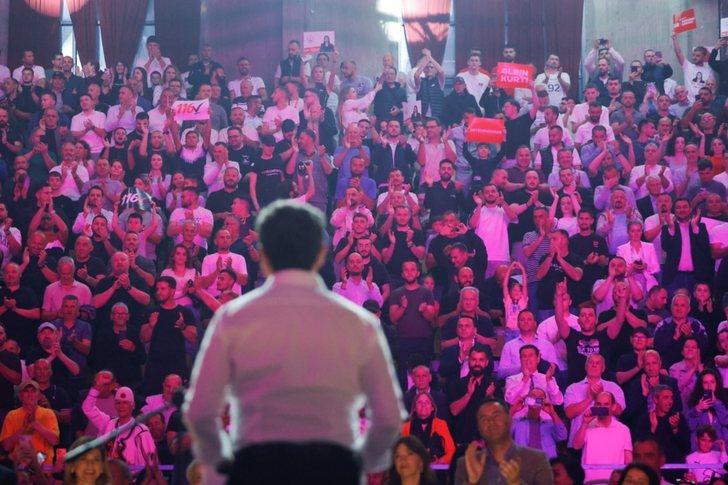
The Vetëvendosje Movement said it has secured the votes to...
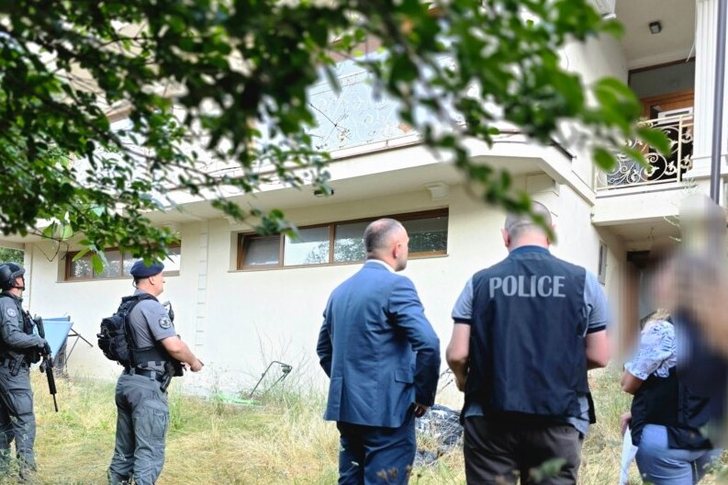
Kosovo authorities announced that on June 30 they conducte...
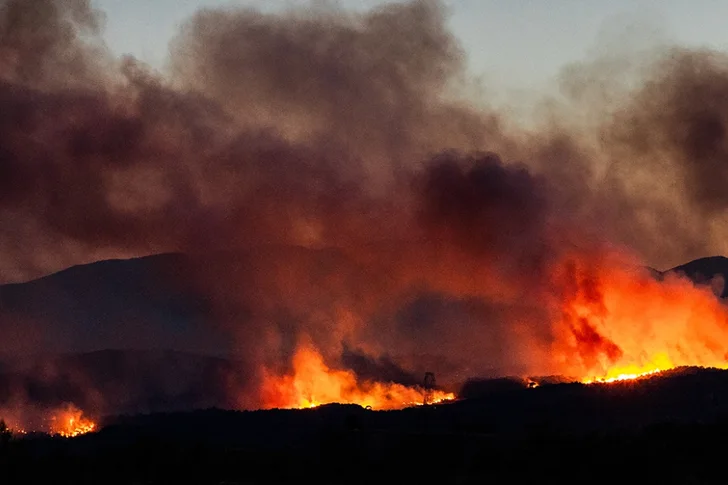
Southern Europe is experiencing difficult days due to fire...
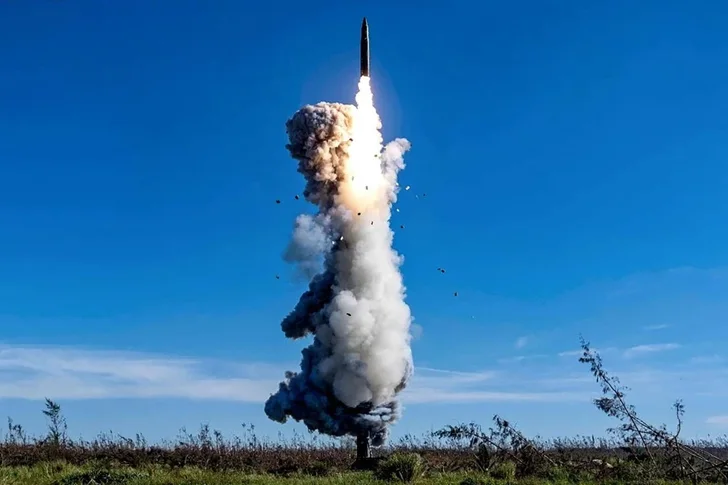
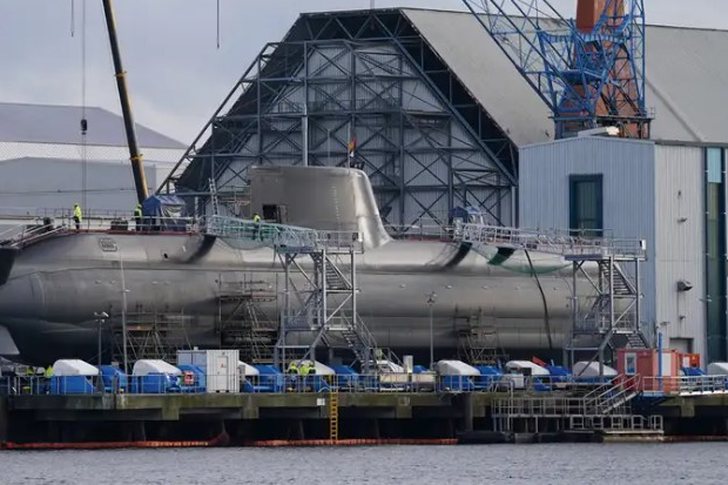
China has announced that one of its submarines has success...

The justice reform claimed that it would bring faster, fai...
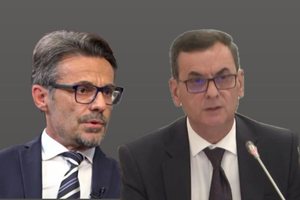
The Justice Reform and the vetting process were trumpeted ...
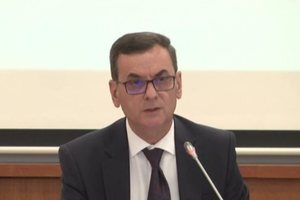
After revealing the property portfolio in Tirana, Kavaja, ...
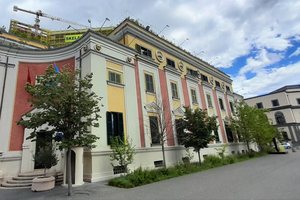
Four months ago, on March 11, CNA sent an official letter ...

The Special Board of Appeal (KPA) decided this Monday ...

The KPA vetting decided this Thursday to dismiss the p...

Suela Salavaçi, a prosecutor in the Prosecutor's Offic...

The Special Board of Appeal reinstated the prosecutor ...
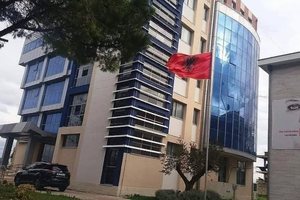
Fier Police have issued an official response regarding the...

The Serious Crimes Investigation Section, in cooperation w...

It is reported that a fire has broken out in the village o...
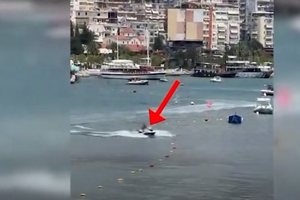
Two Jet Skis have been blocked in Saranda after they viola...

As Albania faces ongoing demographic challenges, the l...

Today our country will be affected by relatively unstable ...

In an interview with CNA TV, psychologist Bona Miekley sai...
Beyond the desire to be as elegant as possible on the mini...
An investigation by the British media outlet "The Sun" cla...

Two explosions rocked central Damascus on Tuesday, at the ...
A new online system for prior authorisation of entry into ...
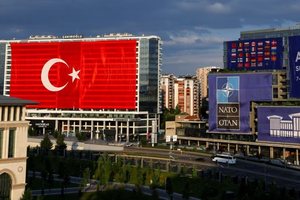
US President Donald Trump is headed to Ankara, where NATO ...

The German Embassy in Tirana has invited the Albanian publ...

Professor and literature scholar Ali Xhiku has passed away...

During my research into the life and artistic photographic...

This year's edition of the Gjon Mili International Video A...

The debate continues between the National Business Center ...

Since the launch of the real estate revaluation process in...
This Monday, one US dollar is bought for 81.2 lek and sold...
This Sunday, one US dollar is bought for 81.3 lek and sold...