


Photo News/ VIPs paid by Veliaj protesting against Rama
Some of the public figures, the so-called "VIPs", who toda...

Some of the public figures, the so-called "VIPs", who toda...


Autism spectrum disorder (ASD) is a developmental disability caused by changes in the brain.
People with ASD often have problems with communication and social interaction, as well as restricted or repetitive behaviors or interests.
People with ASD may also have different ways of learning, moving, or paying attention.
It is important to note that some people without ASD may also have some of these symptoms. But for people with ASD, these characteristics can make life very challenging. Signs and Symptoms
Social communication and interaction skills
Social communication and interaction skills can be challenging for people with ASD.
Examples of social communication and social interaction characteristics associated with ASD may include:
-Avoiding or failing to maintain eye contact
-Does not respond to name by 9 months of age
-Does not show facial expressions such as happy, sad, angry, and surprised by 9 months of age
-Does not play simple interactive games by 12 months of age
-Uses little or no gestures until 12 months of age.
-Does not share interests with others until 15 months of age (for example, pointing to an object they like)
-Doesn't tell you anything interesting at 18 months old
-Does not notice when others are hurt or upset by age 24 months (2 years).
-Does not notice other children and does not join them in play until the age of 36 months (3 years).
-Does not sing, dance, or act until the age of 60 months (5 years).
Restricted or repetitive behaviors or interests
People with ASD have behaviors or interests that may seem unusual. These behaviors or interests set ASD apart from conditions defined solely by problems with communication and social interaction.
Examples of restricted or repetitive behaviors and interests associated with ASD may include:
-Line up toys or other objects and get upset when the order changes
-Repeats words or phrases over and over again (called echolalia)
-Plays with toys the same way every time
-It is focused on parts of objects (for example, wheels)
-Gets irritated by small changes
-Has obsessive interests
-They want to follow certain routines
-Frequently clap their hands, shake their bodies, or spin around
-Has unusual reactions to the way things sound, smell, taste, look, or feel.
Other features
Most people with ASD have other associated characteristics. These may include:
-Delayed language skills
-Delayed movement skills
-Delayed cognitive or learning abilities
-Hyperactive, impulsive and/or inattentive behavior
-Unusual eating and sleeping habits
-Gastrointestinal problems (for example, constipation)
-Unusual humor or emotional reactions
-Excessive anxiety, stress, or worry
-Lack of fear or more fear than expected
It is important to note that children with ASD may not have all or any of the behaviors listed as examples here./ CNA


According to a study, depressed people eat differently tha...

The culture of the gym is changing. Once a preserve of mus...

Ginger root comes from a flowering plant native to Southea...

The fruitarian diet is a vegan diet. It excludes all anima...

The question often arises: should we prefer green or red a...

How many times has it happened to all of us to feel full f...

We're still in the first weeks of the year and it's the ri...

Breakfast is full of options, but not all choices are heal...

The 'paracetamol challenge' is a new trend on TikTok that ...

Who doesn't love cheese? Albanians eat a lot of it. A slic...
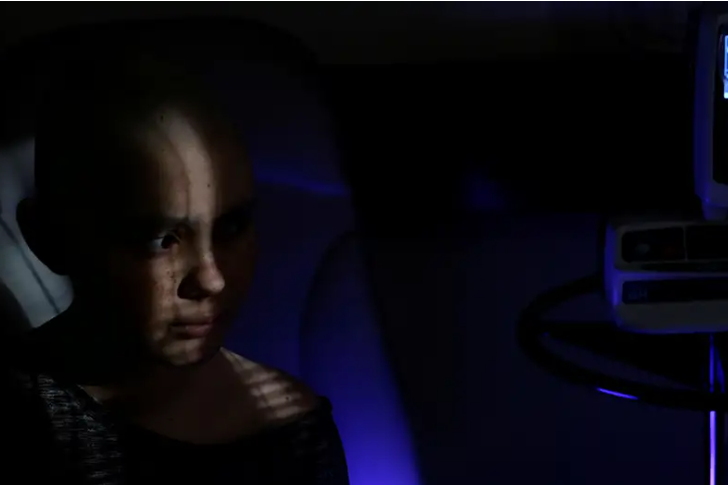
In 2022, more than 275,000 children and adolescents worldw...

The flu is the most common illness that we experience seve...

As the new year begins, it's easy to feel overwhelmed by u...

Your body uses sleep to strengthen the immune system, proc...
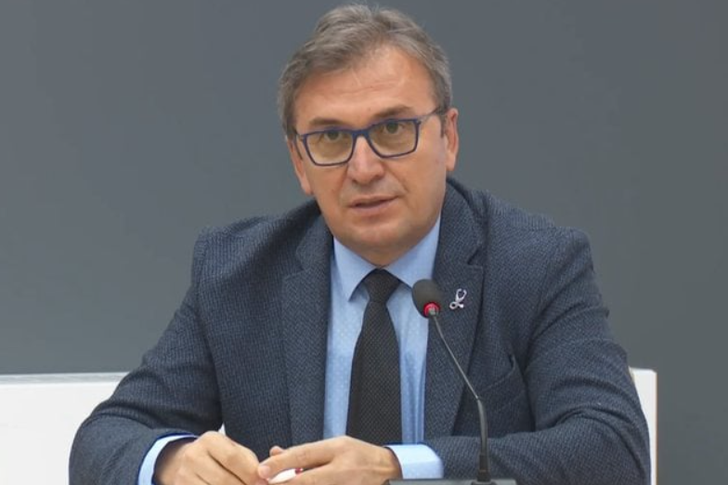
Skënder Brataj, director of the National Emergency Center,...

Bowel cancer, also known as colorectal cancer, affects the...
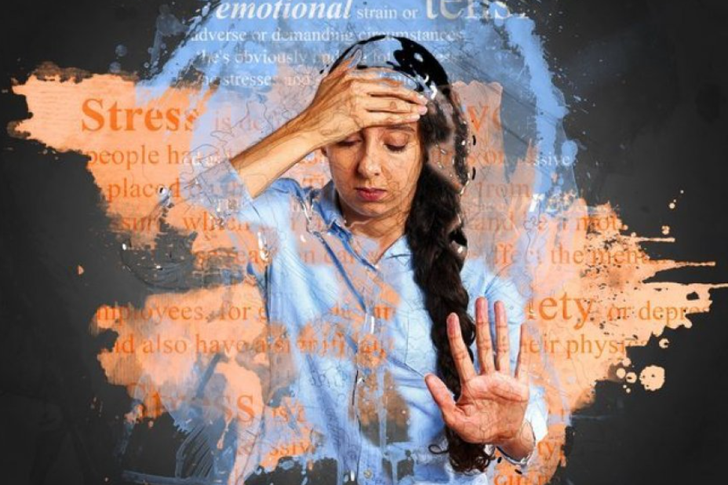
Sometimes what we feel is complicated. Feelings can be eit...
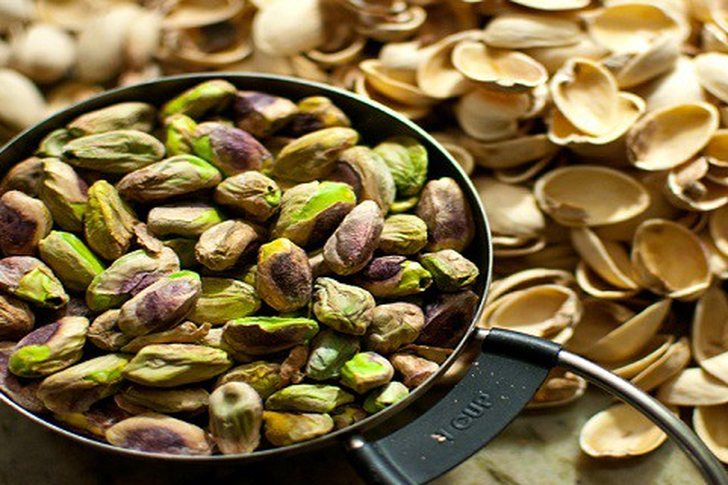
The lungs play an essential role in the respiratory system...

The burden of communicable and non-communicable diseas...

Blueberries, a small but powerful fruit, are increasingly ...

The next case broadcast on the show "Stop", this Thursday,...
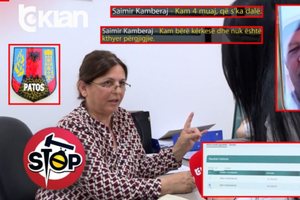
The case published this Thursday, June 4, on the show "Sto...

The protests of recent days related to the situation in Zv...

The case addressed this Wednesday, June 3, on the show "St...

The Special Board of Appeal (KPA) decided this Monday ...

The KPA vetting decided this Thursday to dismiss the p...

Suela Salavaçi, a prosecutor in the Prosecutor's Offic...

The Special Board of Appeal reinstated the prosecutor ...

A money changer in Durrës lost 60 thousand euros after bei...
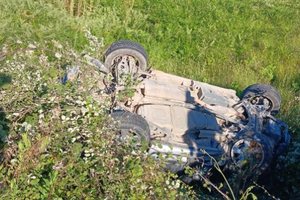
A serious accident occurred on the Kardhiq-Delvinë axis, i...

Authorities have conducted a large-scale anti-drug operati...

A convict was found dead today in the premises of the Pris...

Today our country will be affected by stable weather condi...

For many children and teenagers, the long summer holidays ...

Albania is facing an unprecedented demographic transition,...

On Thursday, our country will be affected by unstable weat...

Russian President Vladimir Putin said the war in Ukraine c...

An extraordinary story of survival has been recorded in Ne...

The Peace Implementation Council in Bosnia and Herzegovina...

John Bolton, the former national security adviser to US Pr...

Korça is ready to open the summer season with one of the c...

Two years after his passing, the renowned Korçë poet Skënd...

The Ethnographic Museum of Berat has opened its doors to v...
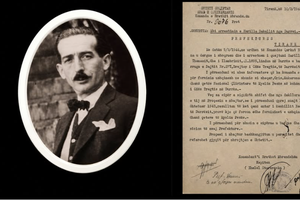
The story of Harilla Bakalli is one of the most chilling t...

Despite years of efforts at regional cooperation and free ...

Albania is the country with the highest level of severe ma...

This Friday, one US dollar is bought for 81.3 lek and sold...

The government aims to transform the country's industrial ...