


Photo News/ VIPs paid by Veliaj protesting against Rama
Some of the public figures, the so-called "VIPs", who toda...

Some of the public figures, the so-called "VIPs", who toda...

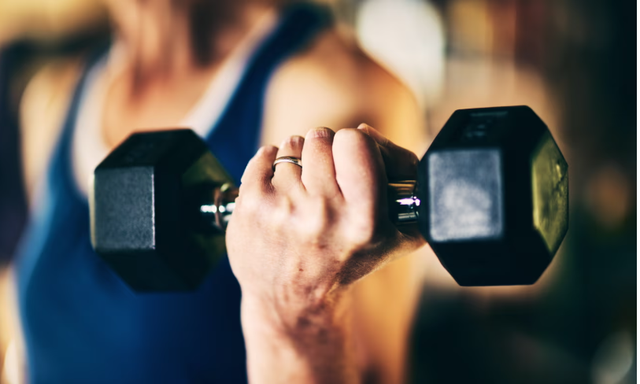
The culture of the gym is changing. Once a preserve of muscles whose veins looked ready to burst, muscle-strengthening activities are now advised by the NHS for those aged 19-64 at least twice a week.
That’s because a growing body of evidence links strength training to well-being and longevity, including a 2024 study that showed that 90 minutes of strength training a week resulted in four years less biological aging. Perhaps that’s why around 15% of the UK population now has a gym membership. Part of the appeal is accessibility – it’s not as technical as swimming, for example, but despite its simplicity, there’s a huge amount of misinformation and conflicting advice.
Low or high reps?
Strength training exercises are structured in sets, which are repeated. For example, eight weightlifting exercises, rest, followed by eight more weightlifting exercises, equals two sets of eight. Finding the optimal combination of sets, reps, and rest for strength gains is a debate that has been going on in the gym, but science is starting to settle on an answer.
"Muscle building - hypertrophy - can occur at all repetition levels, from low, moderate and high," says Chris Peden, a former Royal Navy physical training instructor and now a strength and conditioning coach to professional and amateur athletes. "However, the optimal range seems to be in the mid-range of 6-12 repetitions and with a moderate load intensity of between 65% and 85% of an individual's one-rep maximum," said the former instructor.
Peden adds that finding your one-repetition maximum (1RM) isn't essential for beginners, especially since you can strain a muscle due to inexperience. Just go with what feels hard but not dangerous. Alternatively, you can use an app like Heavy or Stronglifts to create a program, calculate your 1RM, track your progress, and suggest when you're ready to move up to a heavier weight.
Peden points out that a high rep count isn't the most efficient way to build strength. A 2015 study in the Journal of Strength and Conditioning Research compared a high-rep (25-35 reps), low-weight group to a higher-weight, low-rep (8-12) group and found that muscle size for both groups was similar. However, the heavier-weight group enjoyed greater strength gains due to greater muscle fiber recruitment.
How much rest do I need?
When it comes to strength gains, what you do between sets matters just as much as what you do during them. “Generally speaking, you should be getting 90-150 seconds of rest between sets for hypertrophy and 3-5 minutes of rest for strength. If time isn’t an issue, I would recommend resting a little longer if you can, as this improves the quality across all reps and sets. Rest as needed; in other words, rest until you feel ready to go again, not on a strict timer,” Peden said.
Free weights or machines?
"A mix of machines and free weights usually works best for strength and muscle building, although free weights help to train the body in a more rounded way. This has its advantages in sports settings and everyday life," said the former instructor.
How should I balance weights and cardio?
The benefits of strength training are unclear, but what if you want to do cardio too? A recent study found that people who got the NHS-recommended 150 minutes of moderate exercise a week lived longer than those who didn't, while those who combined regular aerobic exercise with muscle-strengthening activities once or twice a week fared even better.
Am I too old to start?
Thinking about hitting the gym, but are you too old to start? Don't. "It's never too late to start," says Peden. "We can still build muscle and get stronger, which helps offset the rate of aging. Weights are great for maintaining quality of life."
Muscle mass decreases with age, a process that can begin in your 30s, and reduced strength can lead to weakness and frailty. But studies have shown that strength training can reverse this process and is associated with a number of other benefits, including reduced belly fat and blood pressure, and improved cholesterol readings./ CNA

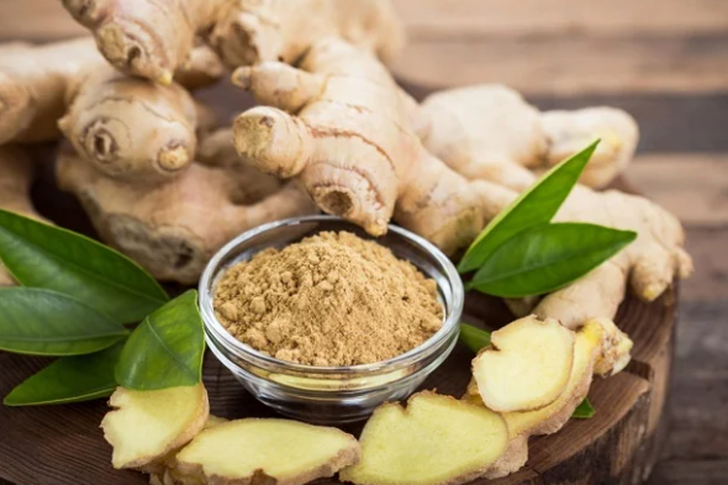
Ginger root comes from a flowering plant native to Southea...
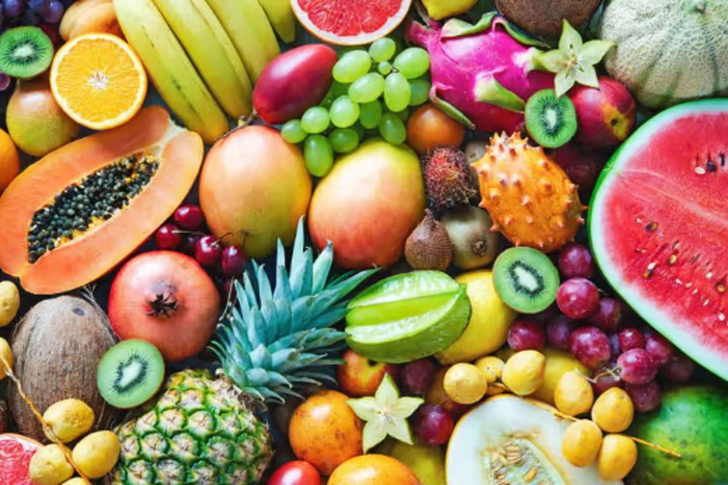
The fruitarian diet is a vegan diet. It excludes all anima...
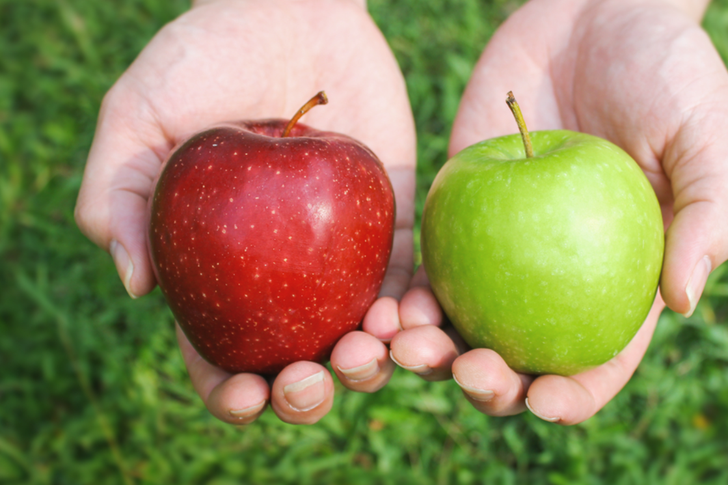
The question often arises: should we prefer green or red a...

How many times has it happened to all of us to feel full f...

We're still in the first weeks of the year and it's the ri...
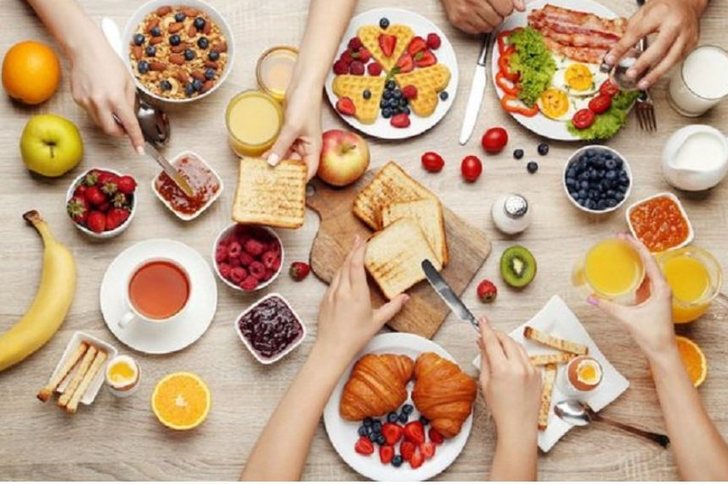
Breakfast is full of options, but not all choices are heal...
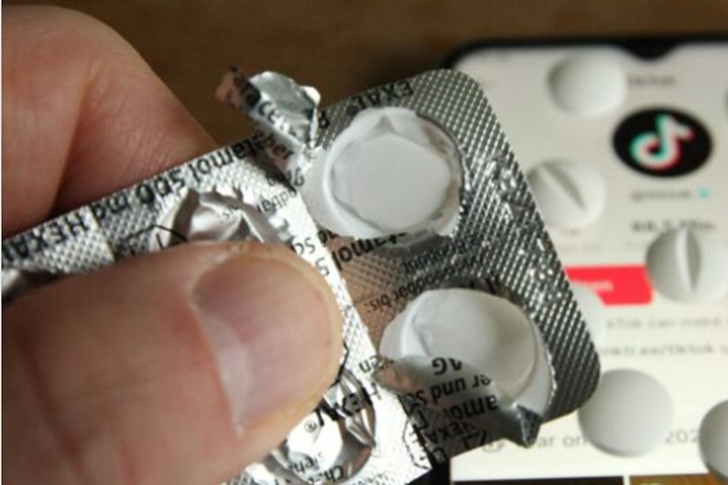
The 'paracetamol challenge' is a new trend on TikTok that ...
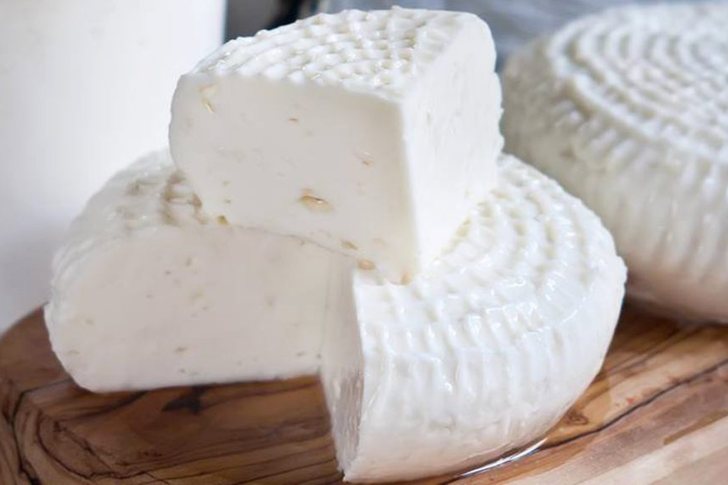
Who doesn't love cheese? Albanians eat a lot of it. A slic...

In 2022, more than 275,000 children and adolescents worldw...

The flu is the most common illness that we experience seve...
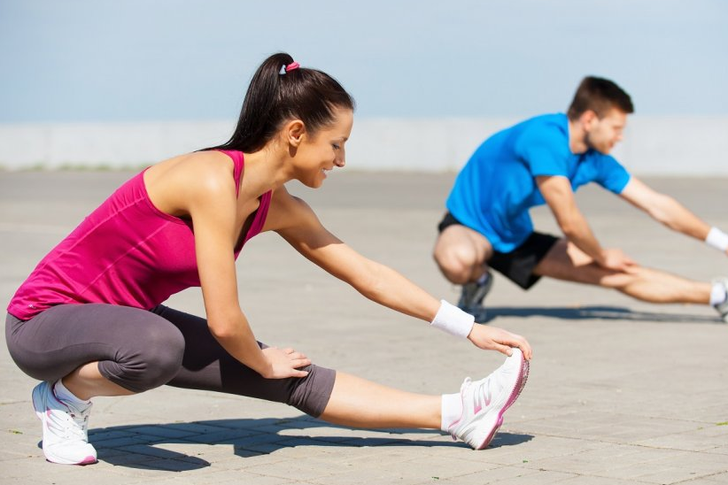
As the new year begins, it's easy to feel overwhelmed by u...

Your body uses sleep to strengthen the immune system, proc...
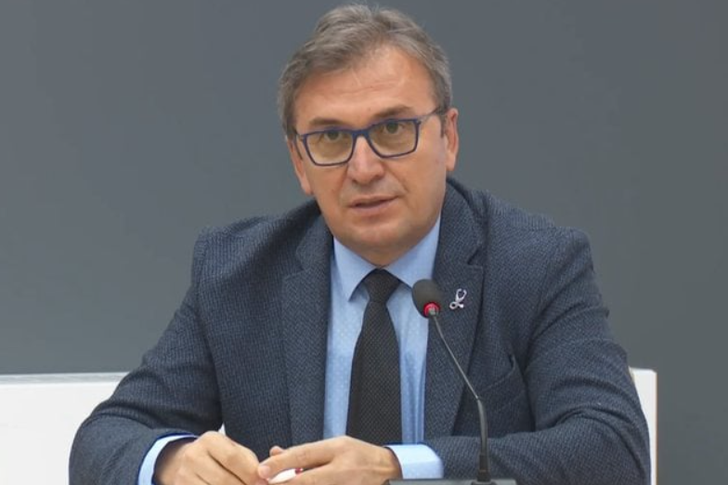
Skënder Brataj, director of the National Emergency Center,...
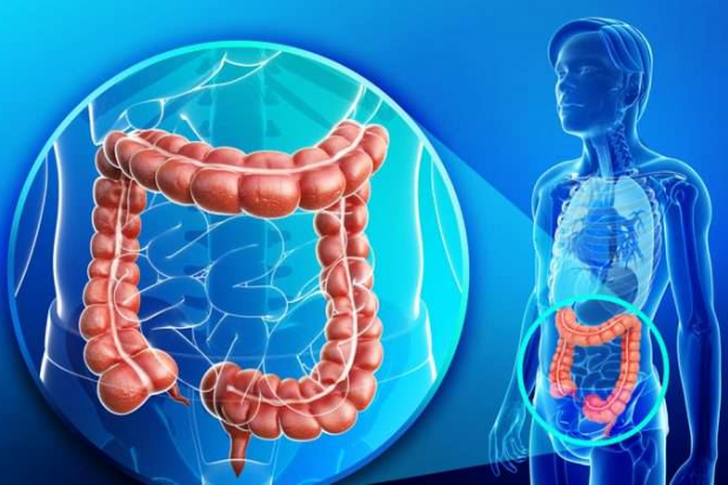
Bowel cancer, also known as colorectal cancer, affects the...

Sometimes what we feel is complicated. Feelings can be eit...
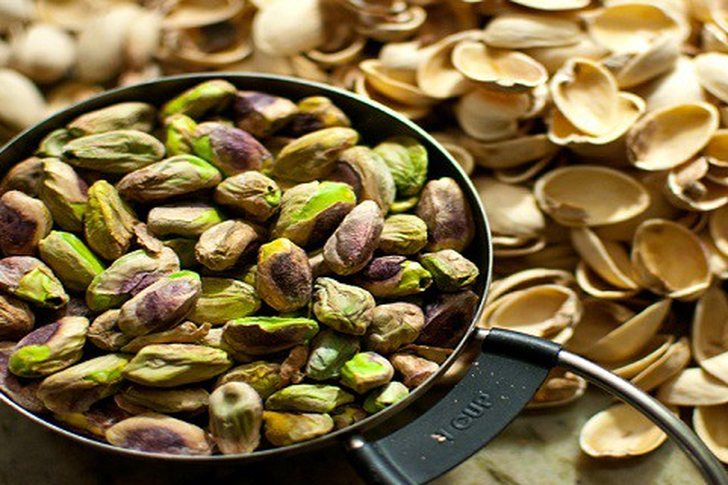
The lungs play an essential role in the respiratory system...

The burden of communicable and non-communicable diseas...
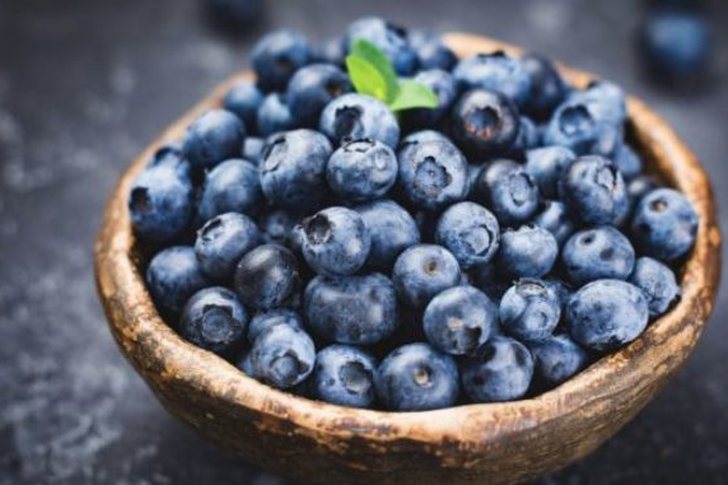
Blueberries, a small but powerful fruit, are increasingly ...

Our immune system is how our body protects itself from dis...

If you are concerned that you may be depressed, then i...

The next case broadcast on the show "Stop", this Thursday,...

The case published this Thursday, June 4, on the show "Sto...

The protests of recent days related to the situation in Zv...

The case addressed this Wednesday, June 3, on the show "St...

The Special Board of Appeal (KPA) decided this Monday ...

The KPA vetting decided this Thursday to dismiss the p...

Suela Salavaçi, a prosecutor in the Prosecutor's Offic...

The Special Board of Appeal reinstated the prosecutor ...

A money changer in Durrës lost 60 thousand euros after bei...
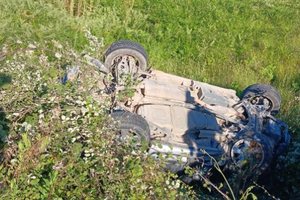
A serious accident occurred on the Kardhiq-Delvinë axis, i...

Authorities have conducted a large-scale anti-drug operati...

A convict was found dead today in the premises of the Pris...
Today our country will be affected by stable weather condi...

For many children and teenagers, the long summer holidays ...
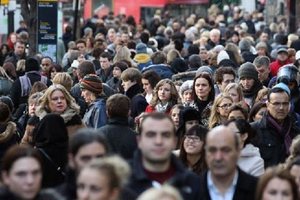
Albania is facing an unprecedented demographic transition,...

On Thursday, our country will be affected by unstable weat...

Russian President Vladimir Putin said the war in Ukraine c...
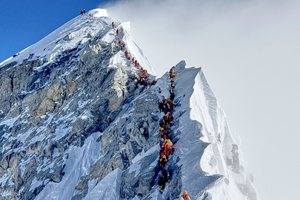
An extraordinary story of survival has been recorded in Ne...
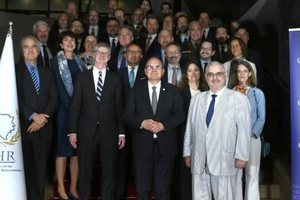
The Peace Implementation Council in Bosnia and Herzegovina...

John Bolton, the former national security adviser to US Pr...

Korça is ready to open the summer season with one of the c...

Two years after his passing, the renowned Korçë poet Skënd...
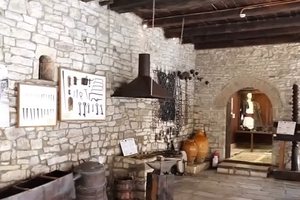
The Ethnographic Museum of Berat has opened its doors to v...
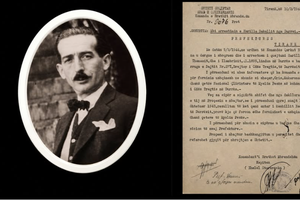
The story of Harilla Bakalli is one of the most chilling t...

Despite years of efforts at regional cooperation and free ...

Albania is the country with the highest level of severe ma...

This Friday, one US dollar is bought for 81.3 lek and sold...
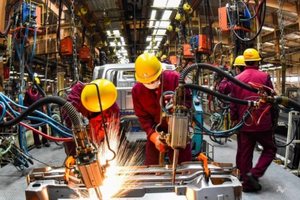
The government aims to transform the country's industrial ...