


Landslide on Currila Hill/ Palace at risk
Landslides were recorded on Currila Hill in the early hour...

Landslides were recorded on Currila Hill in the early hour...


The flu is the most common illness that we experience several times during our lives, which generally affects the respiratory tract and is caused by the influenza virus.
Symptoms often include fever, headache and body aches, cough, nasal congestion or runny nose.
Influenza is one of the most common infectious diseases. Each flu season, over 2 billion people worldwide are infected with influenza.
The flu and the common cold may have similar symptoms, such as a runny or stuffy nose and a cough. But cold symptoms are usually mild, and flu symptoms can be more severe and lead to serious complications. Both conditions are caused by different viruses.
Flu and Covid-19 have similar symptoms, the only way to differentiate them is to get tested. Both flu and Covid-19 carry a risk of serious illness.

People with underlying health conditions are at increased risk of developing severe flu symptoms, including life-threatening complications that require hospitalization.
Such are:
Asthma, COPD or other lung disease.
Kidney disease, liver disease, neurological problems including stroke.
Heart or blood vessel disease.
Diabetes disease.
Weakened immune system (from HIV/AIDS, cancer or medications).
You have a blood disease, such as sickle cell disease.
Obesity.
Age under 5 years old or over 65 years old.
Pregnancy.
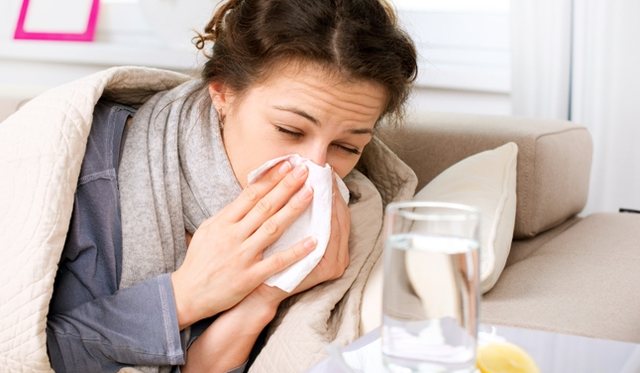
The flu, Covid-19, and the common cold have many symptoms in common, which makes it difficult to distinguish between them.
Flu symptoms usually appear quickly and may include:
Fever, high temperature, chills.
Body aches.
Cough.
Headache.
Sore throat.
Muscle and bone pain.
Runny or stuffy nose.
Physical fatigue, weakness.
Diarrhea or vomiting (usually only in children).
You may have some of these symptoms.
Viruses of groups A, B and C are the most common types that infect humans. Influenza caused by viruses A and B are seasonal (mostly in winter) and have more severe symptoms.

Influenza C does not cause severe symptoms and is not seasonal.
Swine flu and bird flu are both subtypes of influenza A.
Is the flu contagious?
Yes, the flu is contagious, it spreads from one person to another.
How does the flu spread?
The flu virus spreads through direct or indirect contact with someone else who is infected.
From someone near us who coughs, sneezes or talks. Droplets can land on your hands or travel through the air to enter your nose or mouth.
By touching a surface that has been contaminated with the flu virus, then touching your face, nose, mouth, or eyes. This includes things like doorknobs, desks, computers, and telephones.
By touching the hands or face of someone who has the flu, then touching your face, nose, mouth, or eyes.
How long after exposure does one get the flu?
If you become infected, you will usually have flu symptoms one to four days after exposure (the incubation period).

How is the flu diagnosed?
Your doctor diagnoses the flu by judging your symptoms and testing a sample of mucus from your nose (rapid swab). The results may take a few minutes. Your doctor or nurse can send the sample to a laboratory for molecular testing, and you will get the results within a day or two.
How is the flu treated?
Doctors can treat the flu with antiviral medications under certain circumstances.
Antivirals can reduce the risk of serious illness and shorten the time you are sick. Many people can treat the flu without prescription medication.
Antibiotics have no role in treating the flu; on the contrary, they often complicate the condition.
How to manage the flu yourself at home?
Many people can manage flu symptoms at home without antivirals or antibiotics, simply with supplements and over-the-counter medications:
Sufficient rest. It is important to take a few days off work to protect yourself from complications.
Drinking fluids: natural tea, squeezed fruits and citrus fruits, water, chicken broth, which nourish the body but also prevent dehydration.
Hot packs or hot water bottles can soothe muscle pain.
Taking acetaminophen, paracetamol, and other nonsteroidal anti-inflammatories can help reduce fever and relieve headaches and body aches.

Using saline nasal spray helps unblock your nose.
Taking herbal cough suppressants helps.
The use of expectorants such as acetylcysteine, n-acetylcysteine, tavipec, etc. facilitates the clearing of secretions from your lungs.
The best way to reduce your risk is to get the flu vaccine every year.
Wash your hands often with soap and water.
Cover your nose and mouth when you sneeze or cough.
Avoid crowded environments.
Do not go to work, other facilities, or for family visits if you have the flu.
Avoid places with sick people, don't go to hospitals for nothing.
Consider wearing a mask if you are sick and you absolutely must go somewhere.
Avoid touching your face, eyes, nose, and mouth.
Do not share food or eating utensils (forks, spoons, cups) with others.


As the new year begins, it's easy to feel overwhelmed by u...

Your body uses sleep to strengthen the immune system, proc...

Skënder Brataj, director of the National Emergency Center,...
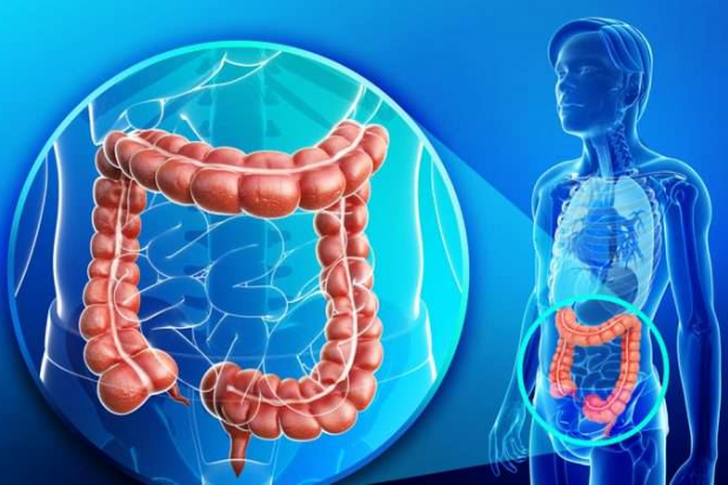
Bowel cancer, also known as colorectal cancer, affects the...

Sometimes what we feel is complicated. Feelings can be eit...

The lungs play an essential role in the respiratory system...
The burden of communicable and non-communicable diseas...

Blueberries, a small but powerful fruit, are increasingly ...

Our immune system is how our body protects itself from dis...

If you are concerned that you may be depressed, then i...

Experts have identified 2 concrete reasons why one sho...

One of the most popular and true tips for better healt...

In these cases, coffee consumption is not advised as it ma...

Kiwi is a super fruit and this is attributed to the hi...

After a tiring day at work, we decide to consume the l...

Often referred to as the "forbidden fruit" in antiquity, t...

There are several alternatives that can improve hormo...

Airplane food often tastes bad and all passengers comp...

Vitamin B12 is a nutrient necessary for the processes ...
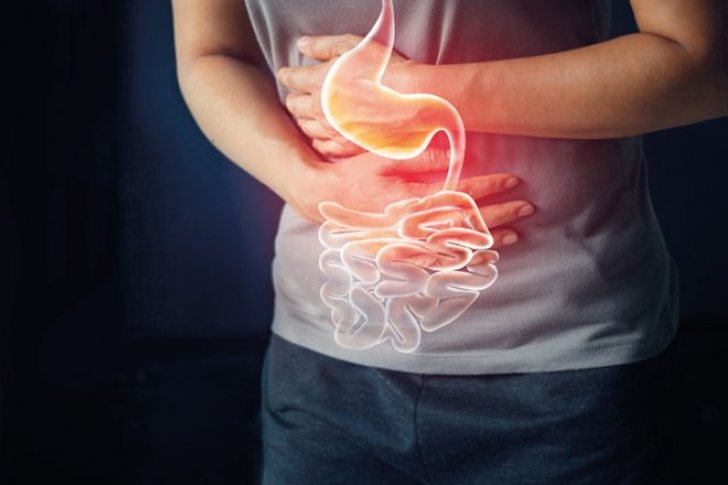
Indigestion and bloating are really uncomfortable and ...

The murder of officer Enea Mekolli in the line of duty has...

The next case broadcast on the show "Stop", this Thursday,...

The case published this Thursday, June 4, on the show "Sto...

The protests of recent days related to the situation in Zv...

The Special Board of Appeal (KPA) decided this Monday ...

The KPA vetting decided this Thursday to dismiss the p...

Suela Salavaçi, a prosecutor in the Prosecutor's Offic...

The Special Board of Appeal reinstated the prosecutor ...

A money changer in Durrës lost 60 thousand euros after bei...

The 6 citizens captured in Dubai, members of criminal grou...
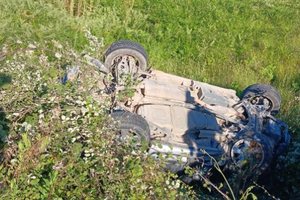
A serious accident occurred on the Kardhiq-Delvinë axis, i...

Authorities have conducted a large-scale anti-drug operati...

Today our country will be affected by stable weather condi...

For many children and teenagers, the long summer holidays ...

Albania is facing an unprecedented demographic transition,...

On Thursday, our country will be affected by unstable weat...

Russian President Vladimir Putin said the war in Ukraine c...

An extraordinary story of survival has been recorded in Ne...

The Peace Implementation Council in Bosnia and Herzegovina...

John Bolton, the former national security adviser to US Pr...

Korça is ready to open the summer season with one of the c...

Two years after his passing, the renowned Korçë poet Skënd...

The Ethnographic Museum of Berat has opened its doors to v...

The story of Harilla Bakalli is one of the most chilling t...

Despite years of efforts at regional cooperation and free ...

Albania is the country with the highest level of severe ma...

This Friday, one US dollar is bought for 81.3 lek and sold...

The government aims to transform the country's industrial ...