


Video/ Traffic is blocked in "Skënderbej" Square, revolted citizens argue with the officers
Today, the "Bread and Heart" architecture festival took pl...

Today, the "Bread and Heart" architecture festival took pl...

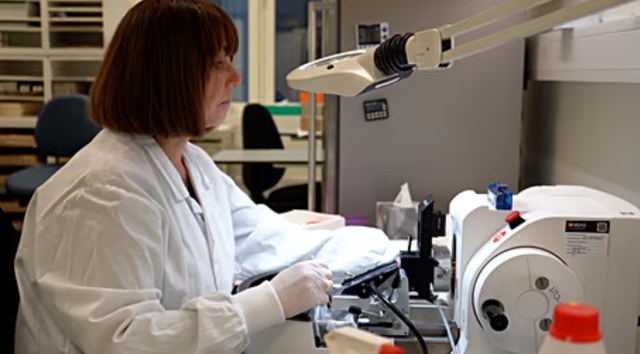
The tool scans digital images of the same cancer tissue samples that pathologists use and can show how quickly the cancer is likely to grow and how dangerous it is.
Cancer patients may soon be able to avoid or receive chemotherapy more accurately thanks to artificial intelligence (AI).
For decades, doctors have examined cancer biopsies under a microscope, but this approach can miss subtle patterns that reveal how dangerous a tumor may be.
A Norwegian startup is using artificial intelligence to change the way colorectal cancer is screened, providing better assessments while reducing potentially unnecessary and harmful treatments.
DoMore Diagnostics is developing artificial intelligence technology that analyzes tissue samples with far greater detail than the human eye can manage.
"We personalize cancer treatment by harnessing the power of artificial intelligence," Torbjorn Furuseth, CEO of Domore Diagnostics, told Euronews Health.
"While there have been major improvements in cancer care over the past few years, there are still many patients receiving toxic treatment without benefit," Furuseth added.
Colon cancer is the third most common and second deadliest cancer in the world, according to the World Health Organization.
In 2022, 2.74 million new cases of cancer were recorded in Europe, according to European Commission estimates published in the European Cancer Information System (ECIS).
"With artificial intelligence and big data, thousands of slides, we have super-specialized an algorithm," Furuseth said.
More accurate than human pathologists
The company is an offshoot of a research collaboration between the University of Oxford, Oslo University Hospital in Norway, and University College London (UCL). This partnership developed the fundamental research behind its AI-based prognostic technology.
Domore Diagnostics claims that its tool has proven to be more accurate in predicting patient outcome than human pathologists.
"We don't really know what the AI ??is looking for. But then we linked the AI ??results to the pathologist's assessment and we saw that it made sense," Andreas Kleppe, research director at Oslo University Hospital Research, told Euronews Health.
"AI captures many of the characteristics that pathologists also examine, but of course it also combines these and examines things that pathologists may not know," Kleppe added.
This improved accuracy could help doctors decide which patients need strong treatments such as chemotherapy and which patients can safely avoid them.
Prognostic analysis is an important step after surgery, where the tumor has been removed, as some patients may still have small metastases, secondary cancer growths that spread from the original tumor.
Most colorectal cancer patients are cured by surgery alone, however, chemotherapy often comes after surgery as a "universal approach," with "no benefit for most patients, exposing them only to short- and long-term side effects," the company said.
The company added that between 96 and 98 percent of patients in phase two and 80 percent of patients in phase three are exposed to short-term and long-term side effects without benefiting from improved outcomes.
"It's difficult for a human to judge exactly what represents high risk and low risk of metastasis, because it's so complex," Furuseth said.
How does it work?
DoMore Diagnostics' system has been trained on thousands of images.
According to Kleppe, this gives her much better judgment in identifying high-risk characteristics associated with cancer recurrence and death.
The tool scans digital images of the same cancer tissue samples that pathologists use to look at and can show how quickly the cancer is likely to grow and how dangerous it is.
"When we develop artificial intelligence solutions, we input these images directly and then the patients' outcome several years after surgery," Kleppe said.
"And then we make the computer see the relationship between them. So we don't rely directly on the pathologist's assessment, but only on the result," he added.
This process gives doctors a more accurate understanding of how aggressive a patient's cancer is, the Norwegian medical company said.
Domore Diagnostics' colorectal cancer test is currently used to validate prognostic analyses in hospitals in Europe, the United States, Japan and Mexico./ CNA


A new study conducted by researchers at the University of ...

Poliesteri është në thelb plastikë që vishet direkt në lëk...
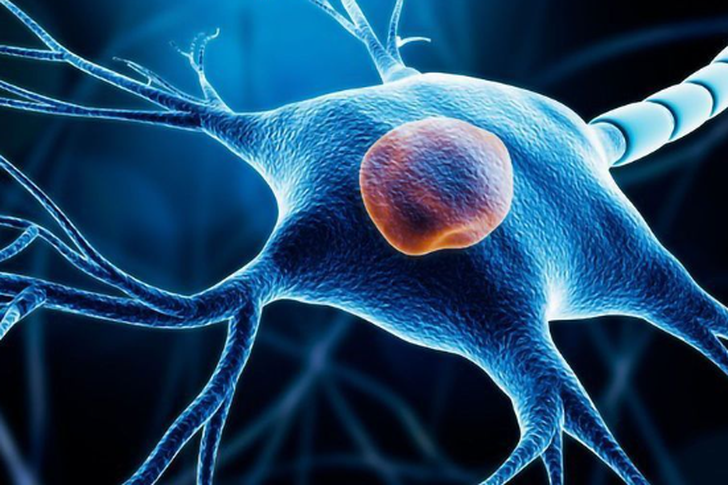
Parkinson's disease is a progressive neurological disorder...

Flax seeds are increasingly being valued as one of the mos...

Theobromine, a chemical found in dark chocolate, may have ...
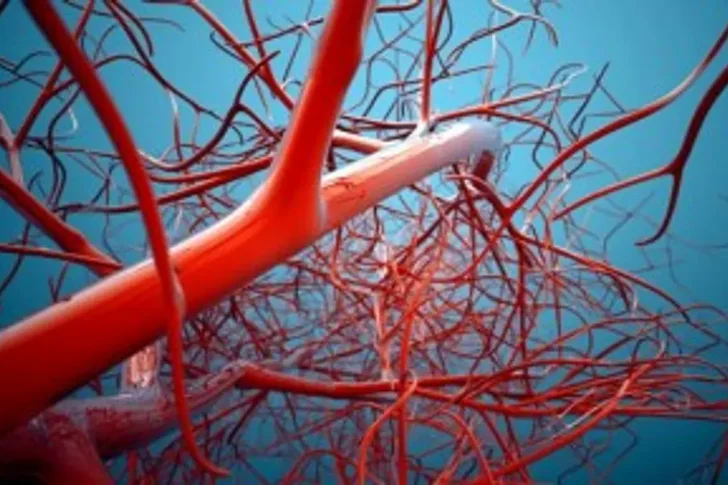
Vitamin K2 = Super vitamin that protects arteries Studies...

1. What are the main principles of a balanced diet for peo...
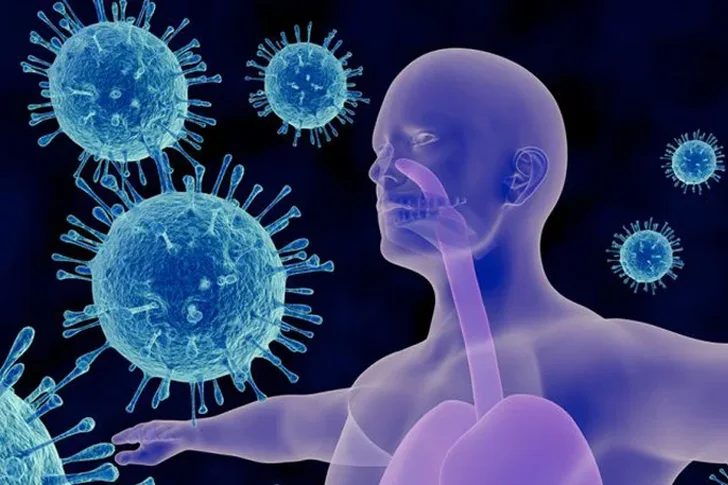
No single food will instantly “super-strengthen” your immu...

Every day, millions of people get behind the wheel for ano...

Coffee and tea are perhaps the most popular beverages in t...

How would you like to start your day with a nutrient-packe...
A recent study by scientists in Israel has investigated fo...

There are several foods with numerous benefits for our eye...

The World Health Organization (WHO) warned in a new report...

When the weather gets cold, many of us neglect fruit, cons...
The European Union is considering whether to classify etha...

A recent study found that regular consumption of orange ju...
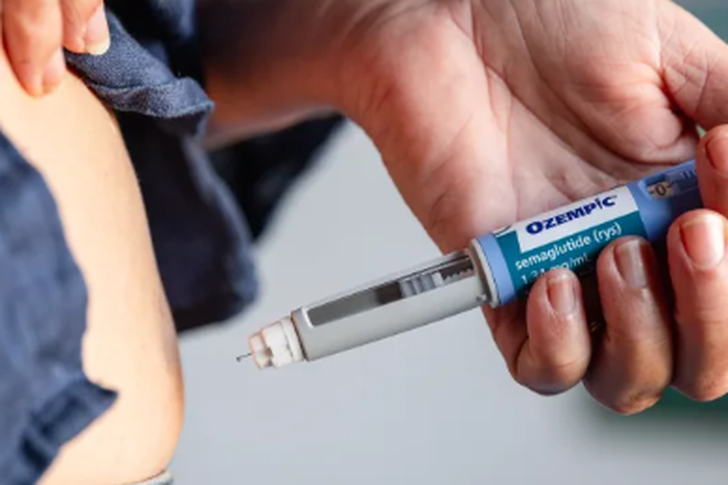
The World Health Organization has published guidelines rec...

Coffee is one of the world's most beloved beverages, and f...

Christmas brings no respite for allergy sufferers. Real tr...

The protests of recent days related to the situation in Zv...

The case addressed this Wednesday, June 3, on the show "St...

The show "Stop" broadcast this Wednesday, June 3, the case...

Irfan Hysenbelliu claims to be a big businessman, an hones...

The Special Board of Appeal (KPA) decided this Monday ...

The KPA vetting decided this Thursday to dismiss the p...

Suela Salavaçi, a prosecutor in the Prosecutor's Offic...

The Special Board of Appeal reinstated the prosecutor ...

The Head of the State Police, Skënder Hita, expressed his ...

New details have emerged regarding the serious incident th...

A serious incident occurred this Thursday in Lozhan, Maliq...
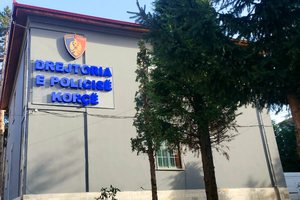
Korça Police has shared detailed information regarding the...

Witnesses in Lozhan, Maliqi, have shared details from the ...

Albania is facing an unprecedented demographic transition,...

On Thursday, our country will be affected by unstable weat...

An alarming figure of more than 166.4 thousand Albanians a...

Israel and Lebanon have agreed to renew their fragile ceas...

United States President Donald Trump announced in a post o...

Asambleja e Përgjithshme e Kombet e Bashkuara ka përfundua...

At least nine people have been killed in Israeli airstrike...

Korça is ready to open the summer season with one of the c...

Two years after his passing, the renowned Korçë poet Skënd...

The Ethnographic Museum of Berat has opened its doors to v...

The story of Harilla Bakalli is one of the most chilling t...

Today, in the foreign exchange market, one US dollar is bo...

The Minister of Finance, Petrit Malaj, announced today a n...

Guvernatori i Bankës së Shqipërisë, Gent Sejko, priti m...
Today, in the foreign exchange market, one US dollar is bo...