


Serious accident on the Kardhiq-Delvinë axis / One person dies, three others are injured
A serious accident occurred on the Kardhiq-Delvinë axis, i...

A serious accident occurred on the Kardhiq-Delvinë axis, i...

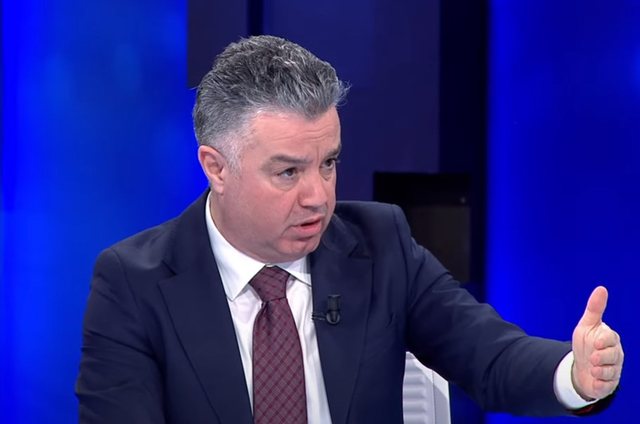
Democratic MP Enno Bozdo shared today his views regarding the draft laws on fiscal amnesty.
Invited to "Syri TV", Bozdo stated that the combination of the two draft laws could create confusion in public perception regarding their content.
According to Bozdo, it is worth noting that the accumulated debts for a period of over 10 years that businesses owe to taxes and customs amount to an accumulated amount of 2 billion euros.
"When it comes to the events that really matter, we always leave them at the end of the queue. But then what is happening? There are two draft laws, which are combined together and more or less confused with each other in public perception.
In public perception they are confused, but they are not the same thing. What does amnesty say? The debts accumulated over a period of 10 years plus, that the business owes to taxes and customs, all of these are erased with the stroke of a pen. It is not a little, it is 2 billion euros.
There are 2 billion euros. Of which 1 billion is the principal, so the main debt is 1 billion. The rest is fines, late payment interest, interest and other accumulated charges. But even 1 billion is, it's quite a lot.
Let's delve a little into the doctrine of debt cancellation or forgiveness. Such things happen abroad, as Elisa says, and films are made, as Elisa says, but generally when they happen, especially in countries that have some kind of stability, they happen once in a while and they happen when one chapter has to be closed to open another, which is a much higher standard.
So, you are forgiving all of this, but your standards are probably worse, at least for public institutions, worse than they were 10-15 years ago. Not maybe, but it is certainly worse than before. So you have no guarantee that another debt will not start accumulating.
Second, the Supreme State Audit Office itself, in its findings, states that for 2023 alone, and think about it, there are 400 million euros uncollected by tax authorities. Now think about it, 2023 was a year that we were competing, that is, we were in an electoral campaign.
Why don't we have 400 million euros every year, but we only have 400 million euros in 2023. They told you to keep these because I'm not calling them, vote for the Socialist Party, that's it. It's 400 million euros. Even 40 would be a lot, and four would probably be a lot. It's 400. We're talking about incinerators and it seems like a big number. We're talking with a drop of a pencil, these are uncollected. I'm not saying it, the Supreme State Audit Office says it.
Third, we assume that these things will happen and they certainly will. Our minimum requirement was that the 3,000 companies, which benefit the most from this amnesty, because the majority pay, sometimes also leave their personal properties, leave collateral in order to be able to pay the state.
And the other thing we requested, which was also not accepted, not only 3,000, but in any case, the list should also be made transparent for those who benefited from 5 million lek or more in forgiveness, that is, 50 thousand euros or more in forgiveness.
To set a limit, a final limit. And the other thing we were looking for is that in the case when, and there are many such cases, many, I can't quantify it now because I haven't read the data, but it's not the first.
When a company is owned by an individual or a group of individuals, who also have ownership with the second company and the third company, to put it, you and I are partners together and we have three companies, A, company A, company B, company C.
If company A has obligations to taxes and customs, company B, company C can operate normally and can even profitably receive public money. We asked that both of us as individual owners be exempted from this. Because it is not possible for the state to forgive you at one time, and on the other hand you still have money when you have the opportunity to pay the state and you do not pay the state, okay? This and this. This is the bill of forgiveness and extinction. It is understood that neither of these will work", - said Bozdo. /CNA


Economic expert Brisida Shehaj focused today on the situat...
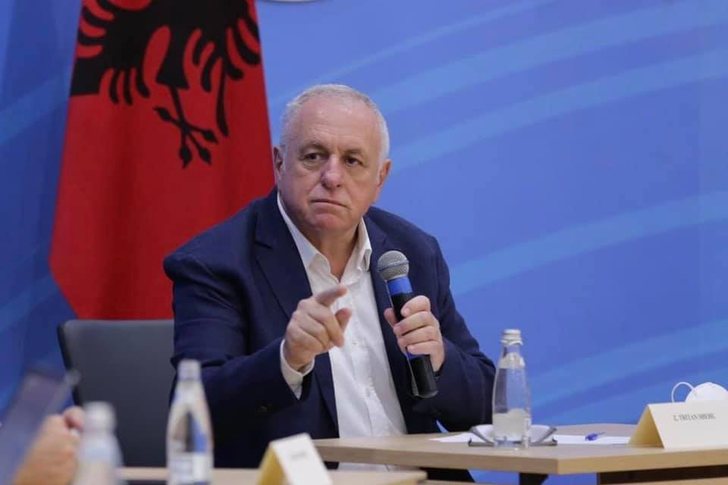
Democratic MP Tritan Shehu has shared a message on the occ...
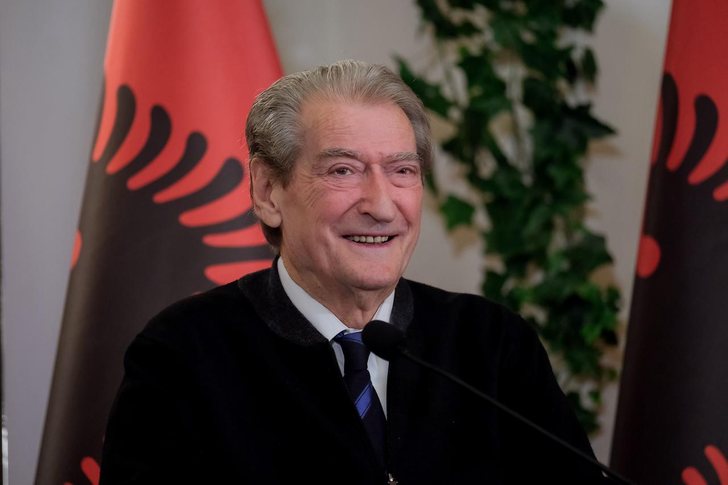
Leader of the Democratic Party Sali Berisha has shared a m...
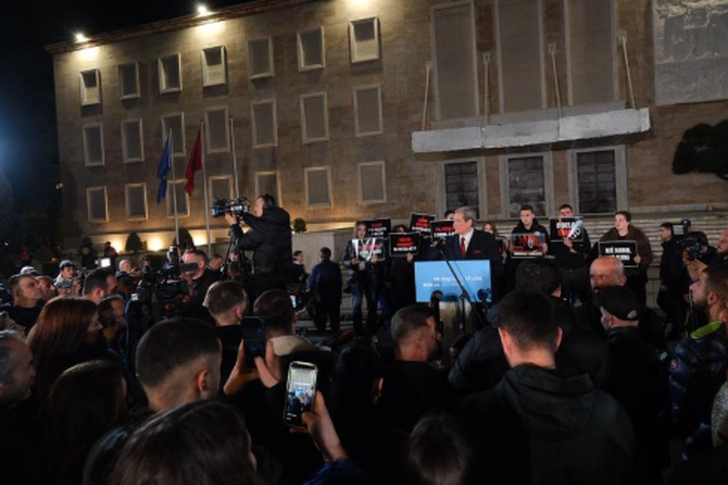
Democratic MP Luan Baçi commented today regarding the prot...
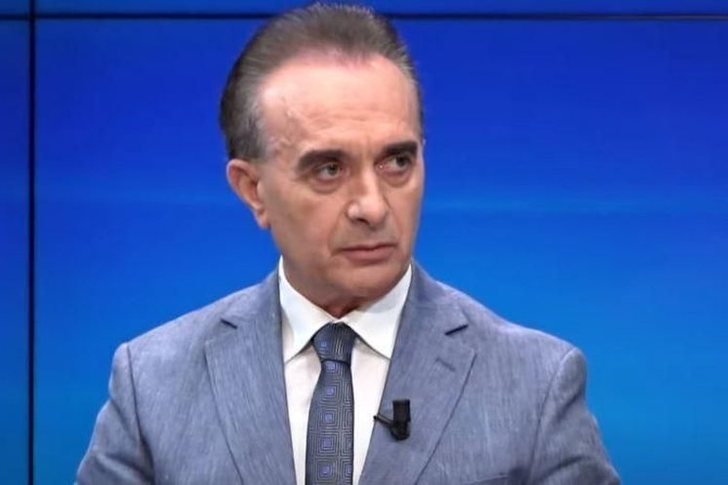
Democratic MP Luan Baçi stated today that the best action ...

Political scientist Ermal Hasimja commented today on the s...
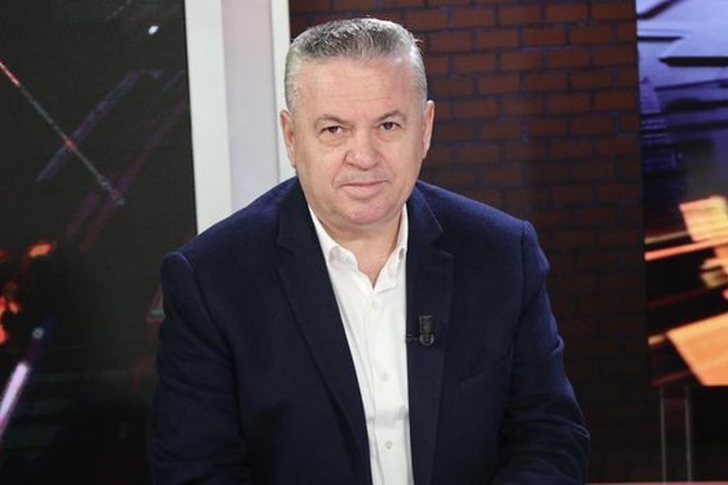
Former MP, Myslim Murrizi, reacted today regarding the sit...
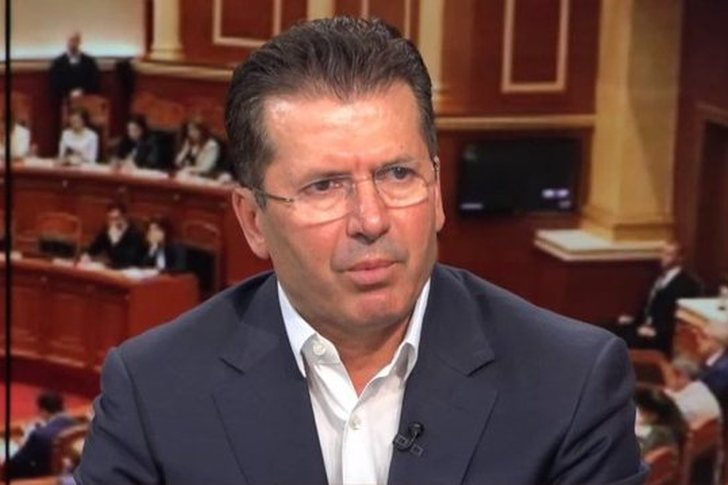
Republican Party leader and MP Fatmir Mediu today accused ...
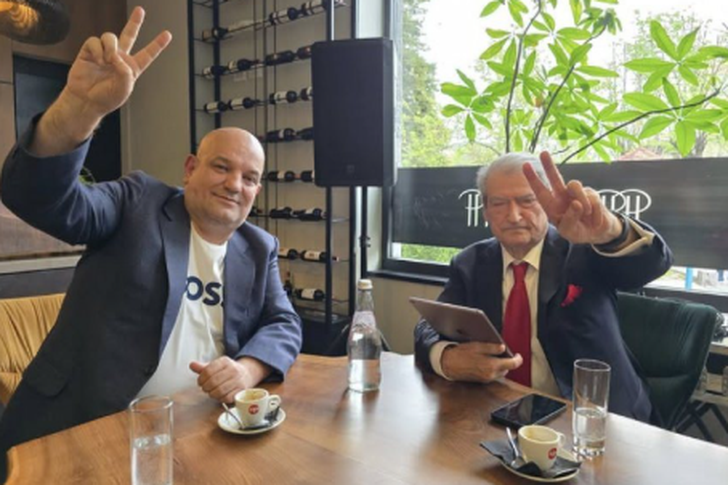
The famous democrat from Korçë, Ilir Vrenozi, has today ex...

Today in the US is National Pearl Harbor Remembrance Day, ...
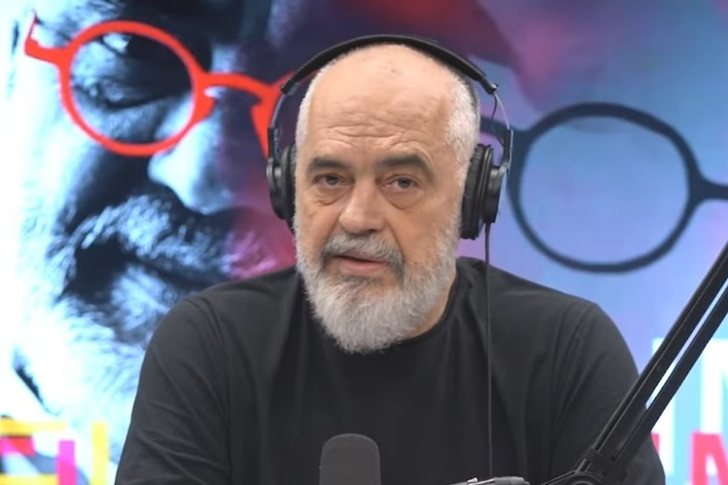
Prime Minister Edi Rama, in the "Weekly Notes" section of ...
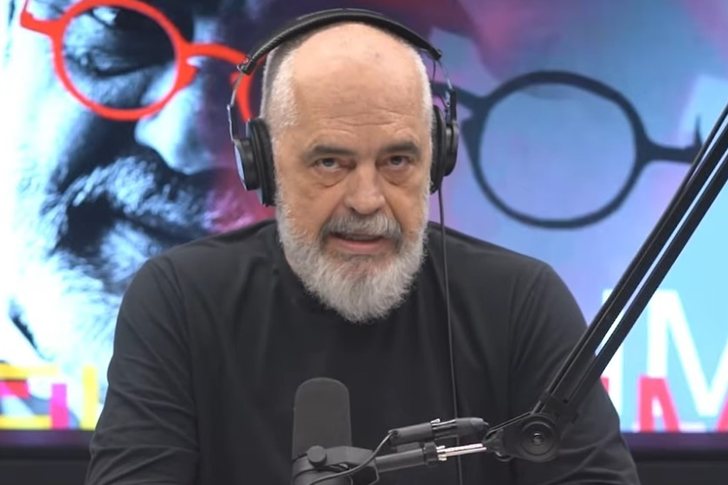
Prime Minister Edi Rama, in today's episode of his podcast...
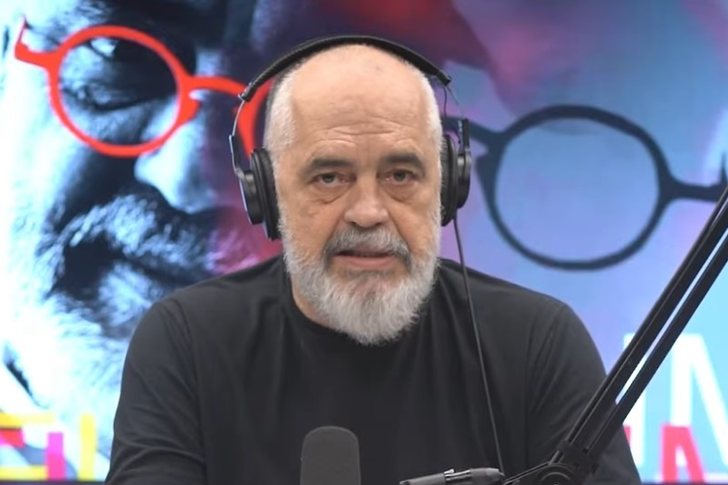
Prime Minister Edi Rama, in today's episode of his podcast...
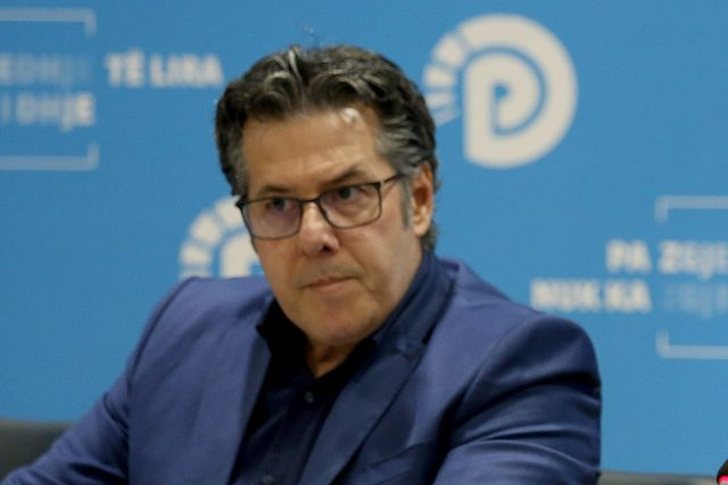
Democratic Party MP Edi Paloka spoke about Ervin Salianji'...
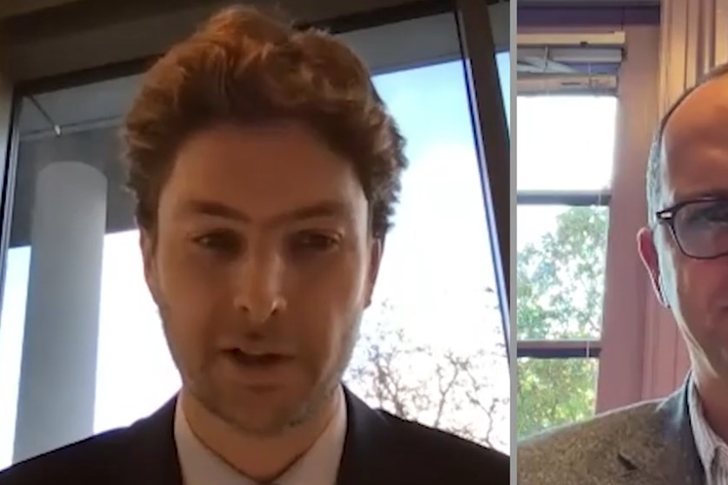
Europe is at a critical moment for its geopolitical archit...
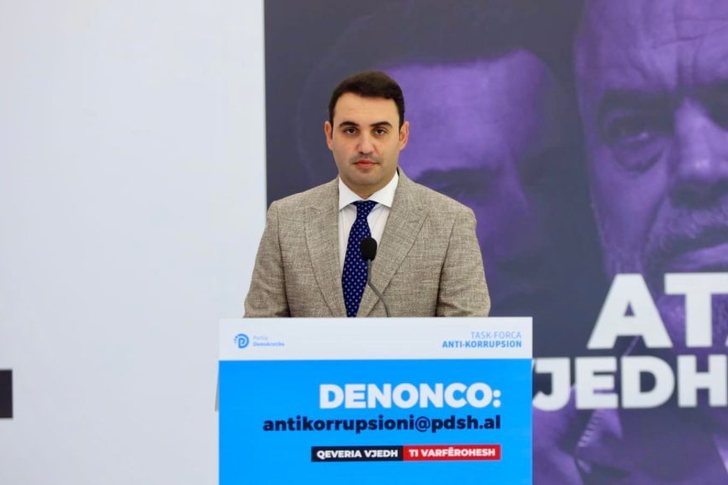
The International Democratic Union has adopted another res...
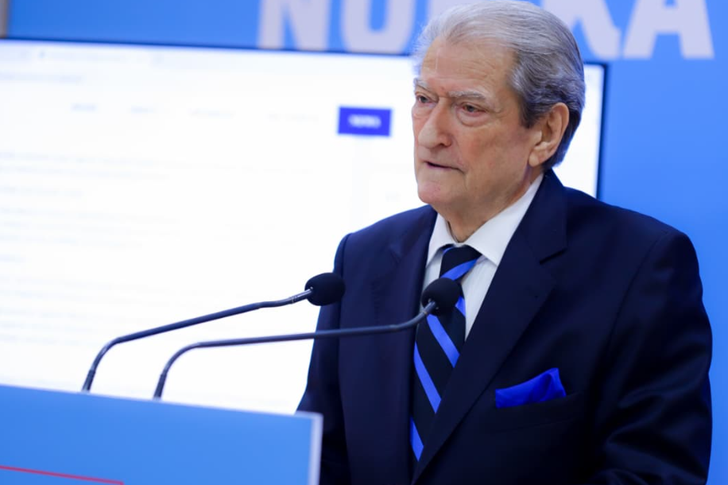
The leader of the Democratic Party, Sali Berisha, declared...
DP leader Sali Berisha told the media that he had received...
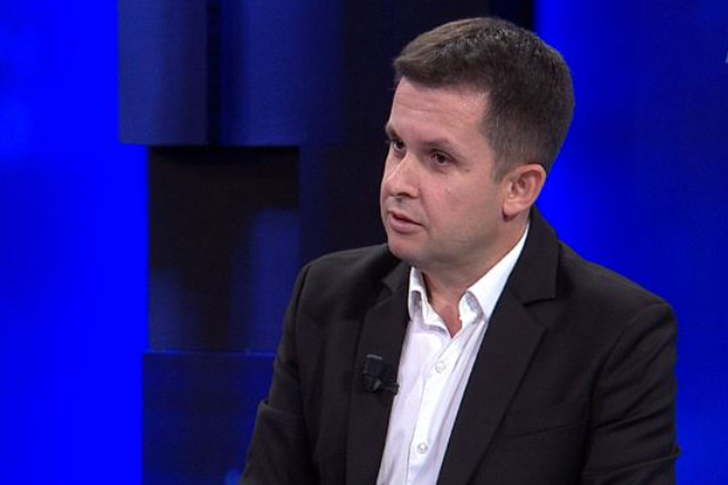
Democrat Ilir Alimehmeti reacted again today regarding sev...
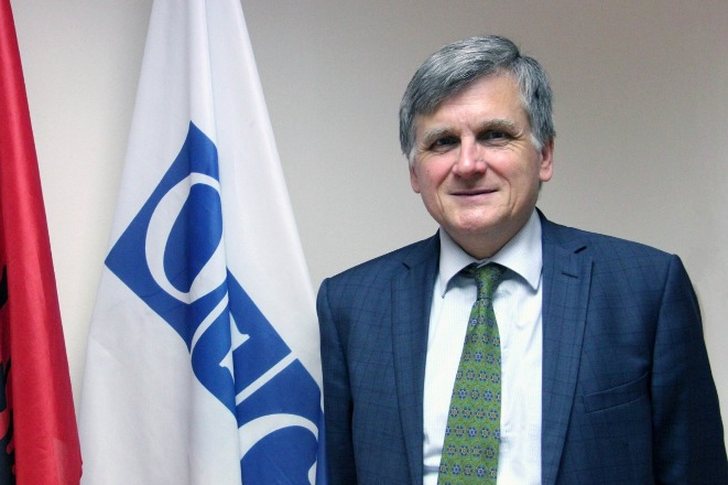
OSCE Ambassador Michel Tarran spoke today regarding the mu...
The next case broadcast on the show "Stop", this Thursday,...
The case published this Thursday, June 4, on the show "Sto...

The protests of recent days related to the situation in Zv...
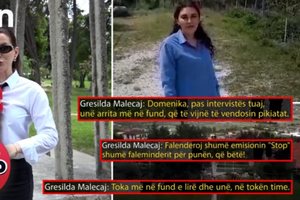
The case addressed this Wednesday, June 3, on the show "St...

The Special Board of Appeal (KPA) decided this Monday ...

The KPA vetting decided this Thursday to dismiss the p...

Suela Salavaçi, a prosecutor in the Prosecutor's Offic...

The Special Board of Appeal reinstated the prosecutor ...
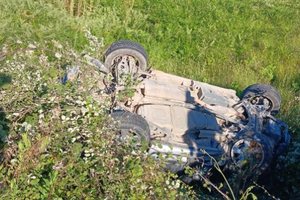
A serious accident occurred on the Kardhiq-Delvinë axis, i...

Authorities have conducted a large-scale anti-drug operati...
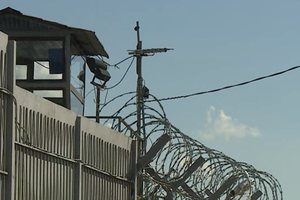
A convict was found dead today in the premises of the Pris...
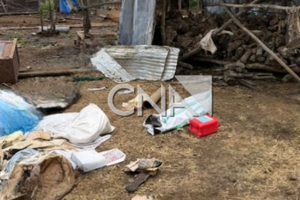
Several images provided by CNA show the area where this mo...
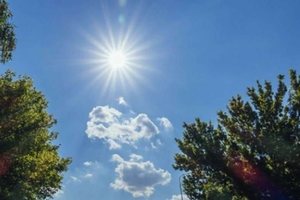
Today our country will be affected by stable weather condi...

For many children and teenagers, the long summer holidays ...
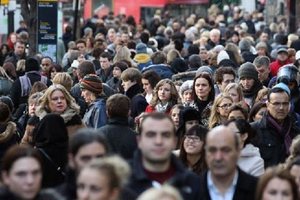
Albania is facing an unprecedented demographic transition,...

On Thursday, our country will be affected by unstable weat...
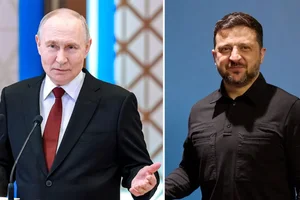
Russian President Vladimir Putin said the war in Ukraine c...
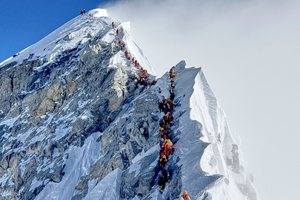
An extraordinary story of survival has been recorded in Ne...
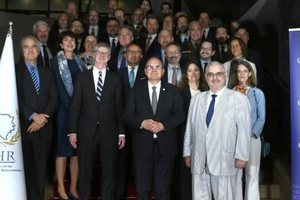
The Peace Implementation Council in Bosnia and Herzegovina...
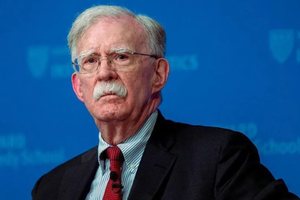
John Bolton, the former national security adviser to US Pr...
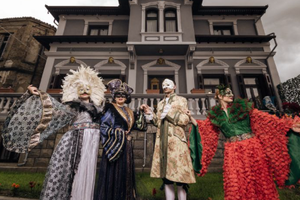
Korça is ready to open the summer season with one of the c...
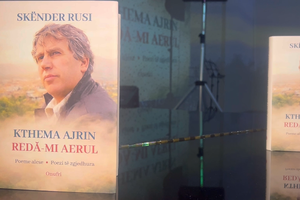
Two years after his passing, the renowned Korçë poet Skënd...
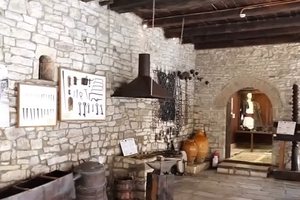
The Ethnographic Museum of Berat has opened its doors to v...
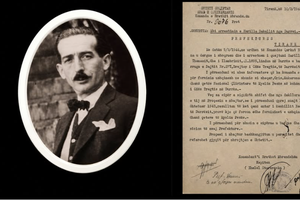
The story of Harilla Bakalli is one of the most chilling t...

Despite years of efforts at regional cooperation and free ...

Albania is the country with the highest level of severe ma...

This Friday, one US dollar is bought for 81.3 lek and sold...
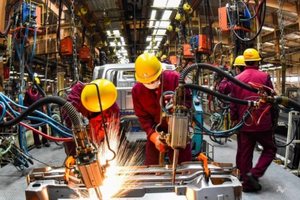
The government aims to transform the country's industrial ...