

Candidates who have problems with justice/ Rama: The list is compiled based on internal criteria, not external ones
Prime Minister Edi Rama commented today on the selection o...


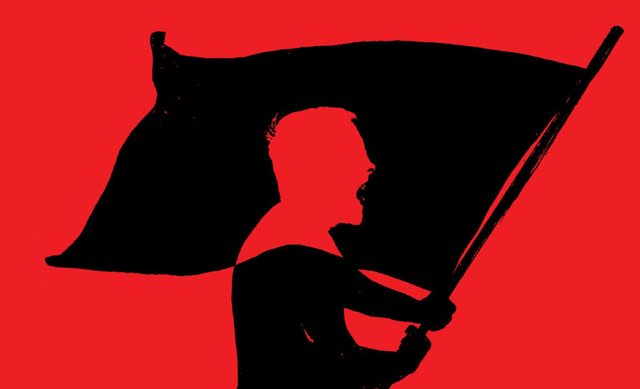
The communication strategies of political parties in this election campaign seem to have a strong focus on the facade, with strong notes of spectacle, and not on the essence of the messages for voters. The battle between each other continues to remain hostage to the denigrating language of the opponent and not to productive debate and clash of ideas, while in relation to the electorate, politicians are trying to appear more sensitive and closer to them. The inclusion of new elements in communication such as Podcasts and the widespread use of social media comes as a form of control for audiences. There is no lack of borrowing campaign elements from Western countries or the USA, but they are no guarantee of success. Once again, the epicenter remains political leaders and new figures who are seemingly being marketed as a kind of independence, but serve more as decor. The involvement of the diaspora is considered a theatrical experiment.
Large, brightly lit halls, squares filled with stage sets and politicians dancing in sync in well-thought-out choreography, casual, trendy clothing, rappers' "diss" where the lyrics don't matter much, but the show.
The electoral campaign, this time too, has not disappointed in terms of the spectacle it is offering, approaching it as a more improved form of entertainment than the previous gala, but what has not changed is the lack of maturity of Albanian politics.
Once again, what is taking on more importance is the facade where parties are investing heavily to capture the attention of the electorate, who in the May 11 elections will head to the ballot boxes to elect the representatives who will govern for the next four years.
Communication experts judge that parties as a whole do not have a clear communication strategy to convey messages to voters.
They are the product of spontaneous decision-making and hostage to leaders, at least for the major parties, while any "import" of strategy from other countries artificially resides in the Albanian reality.
The promises remain populist, without logical argumentation, and the electorate is being treated as an audience to whom an attempt is being made to sell a beautifully packaged product.
From podcasts and shows to traditional conferences, the "war" for attention
The two largest parties, the Socialist Party currently in power and the Democratic Party in opposition, have chosen different approaches to their communication strategy.
The Prime Minister has moved from the "Knee-to-Knee" meetings with the people that we saw in the last campaign, to the "Eye-to-Eye" section with the electorate, where it seems that the inclusion of Podcasts is a new element that is being paid attention to.
"Rama needs it, because that's how he controls the loyalty of the vote according to his method, words, and choices."
"He has never trusted the media. He believes that he is more capable of doing politics and the media together, better than any journalist or politician, which is why he has chosen 'new' ways," - underlines communication expert Edlira Gjoni.
Meanwhile, the Democratic Party's approach in a more traditional form has to do with the influence of its leader, Sali Berisha.
"The Democratic Party is like Sisyphus. It has a huge rock on its back, which is the history, the deeds, the people and the names that hold back its development into a political force. And this rock has been placed on its back by the oldest and most contested of them, who think it still has the potential to perform miracles."
"So he is trying with all the traditional methods of the past to get this weight to the top of the steep mountain filled with voters who cannot extend a hand to help him climb, because they no longer believe in him," says Ms. Gjoni.
Regarding the clarity or structuring of the strategies, according to political scientist and communication expert Ermal Hasimja, the Socialist Party is somewhat more differentiated than the Democratic Party.
"The Socialist Party is more structured and clear in pursuing its strategy.
In both cases, the deviations from the electoral strategies are mainly due to the 'whims' of the two leaders Rama and Berisha. While Rama is often attracted by the element of political spectacle, Berisha is influenced by his trust in his political experience and intuition”, – claims Mr. Hasimja.
The strategic approach of the parties is also influenced to some extent by the positions they hold today. According to marketing expert Edlira Mali, the ruling party tends to project stability and strength.
"Organizing meetings in large halls, with mass participation or in squares, aims to create a sense of broad support and legitimacy. The visual appearance of a crowded hall or square is a means of communicating authority and maintaining the perception of control," she says.
Meanwhile, the opposition party, according to her, aims to present itself as closer to ordinary citizens, by organizing meetings in smaller communities, businesses or rural areas. This approach aims to strengthen the narrative of change and show sensitivity to people's everyday lives.
Small parties competing with each other, the square of confrontation, social networks
Social networks have become a battlefield for small parties, as a result of the greater ease of reaching the electorate but also as part of a basic strategy that lacks the experience and resources of large parties.
Often, the young ones are pitted against each other in an attempt to score points. "It is normal for new parties to clash with each other, because they are fighting for the same category of voters. We have two sets of strategies.
The first category includes the 'Mundësia' party, which has a clear ideological strategy and program, with a focus on the small state and the liberation of entrepreneurship.
"In the second category are all the other new parties that focus instead on increasing the role of the state and mainly populist promises," says Mr. Hasimja.
Meanwhile, seen in a broader perspective, according to communication experts, the political situation in the country does not favor them much in terms of being identified.
"Some of them have attempted to make good use of social media to convey more humane messages focused on concrete issues."
But it is a difficult arena with hungry lions and tigers in Albanian politics, and the new parties have entered the race with a gladiator's sword and shield, and with dreams like those of Ridley Scott and Russell Crowe. But here, the direction is in the hands of the hungry", says Ms. Gjoni.
New elections, old voices, language remains denigrating
No matter how many years pass, Albanian politics seems to have difficulty changing its discourse regarding the opponent. In confrontation, arguments are not put forward, but insults, changing the epithets of the opposing party from time to time.
"To each other, politicians are still using harsh and emotional language. Although in some cases it seems like there is a formal improvement in the communication style, the real tone often remains polarized, filled with irony, denigration of the opponent and with a focus on personal figures and not on the political argument," - underlines expert Gjoni.
The language used by politics seems to come as a result of a lack of ideas and essential debate among political parties, which prefer to be hostage to the rhetoric built over three decades and with which they have fed voters every time.
"Language is the constant. If this language and the lack of ideological debate seem normal to us, it's because we've been used to it for 30 years."
"This language and the lack of debate of ideas are in a way an insult to the intelligence of a minority of voters with a higher level of education and political culture, but these are too few to be taken into account by politicians' calculations and consequently are not taken into account," says Mr. Hasimja.
Expert Edlira Mali is also in the same line, who believes that personal attacks, negative marketing, and the lack of direct confrontations have replaced real debates on policies and visions.
"Instead of fact-based arguments, attention has shifted to sarcastic comments and emotional messages, which may be appealing to young voters but fundamentally undermine the quality of public debate."
"The language used on social media by political leaders increasingly resembles the communication style of digital audiences: memes, diss, irony, and indirect or direct disparagement," she says.
When confronting each other, it seems that politicians do not spare epithets, but in relation to the electorate, there seems to be a slight improvement, trying to have a greater dose of sensitivity in communication.
Borrowed elements are no guarantee of success, the epicenter of the campaign remains the leader
Involving foreign consultancies or innovative elements in campaigns is nothing new for Albania. This has happened repeatedly in the past. But do communication experts see this as a guarantee of success?
"On this question, I will suffice by saying that wheat does not grow on stone. Onion grows on stone, for example. Or sage."
"You can't bring a seed that thrives in another soil and expect it to flourish in a plot with a different composition and climate. However, good luck to the new Methodists," says Mrs. Gjoni.
A pure orientation towards strategies applied in election campaigns in the US often clashes with the Albanian reality.
"There is a clear discrepancy with the Albanian reality, where the culture of political communication is still influenced by extreme personalization and lack of transparency. Often innovation is simply imitative and not functional. It is not enough to borrow methods and tactics without proper adaptation," says Ms. Mali.
But clearly how campaigns are oriented and where they place emphasis is a leader's decision.
Communication experts agree that these elections, despite an attempt to highlight new figures, have failed to make a difference and have served as a decoration for party leaders.
"Parties are voluntary organizations and free to have their own rules. Naturally, they tend towards elitism and hierarchy, even more so within the framework of Albanian political traditions and culture."
"Therefore, in the entire political scene, the new element is a creation of the president and as such, it can hardly eclipse him," says political scientist Hasimja./ Monitor Magazine

Prime Minister Edi Rama commented today on the selection o...

Prime Minister Edi Rama, invited to an interview this even...
Prime Minister Edi Rama declared today that the Democratic...
Prime Minister Edi Rama gave some explanations today regar...
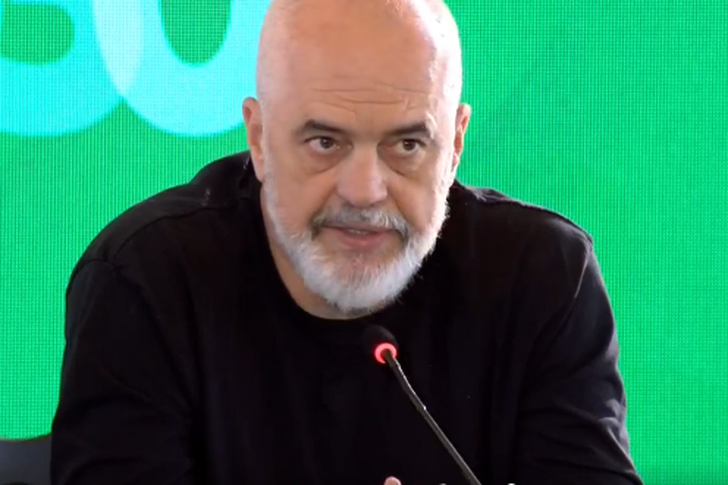
Prime Minister Edi Rama has reacted to the resolution adop...
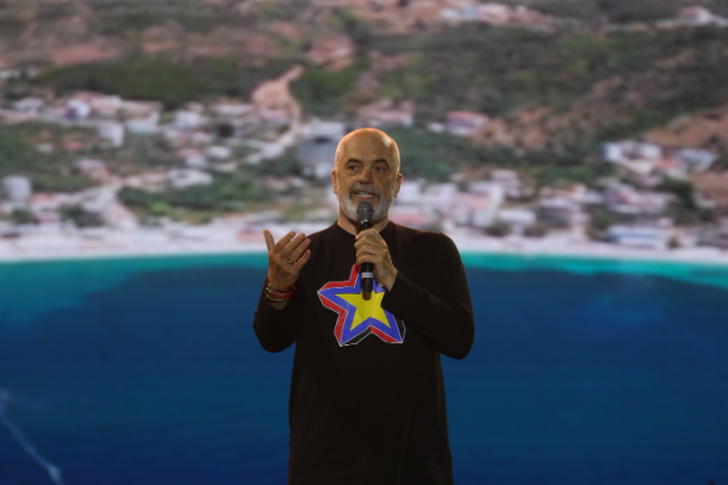
Kryeministri Edi Rama ishte këtë mbrëmje në Himarë, i pran...
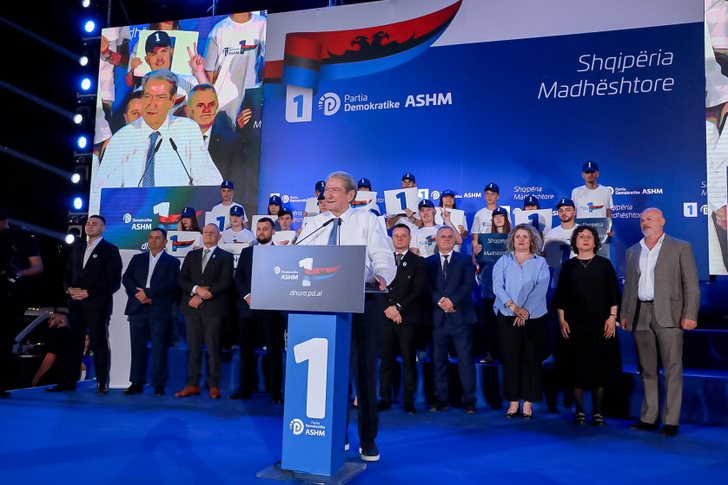
The leader of the Democratic Party, Sali Berisha, held the...
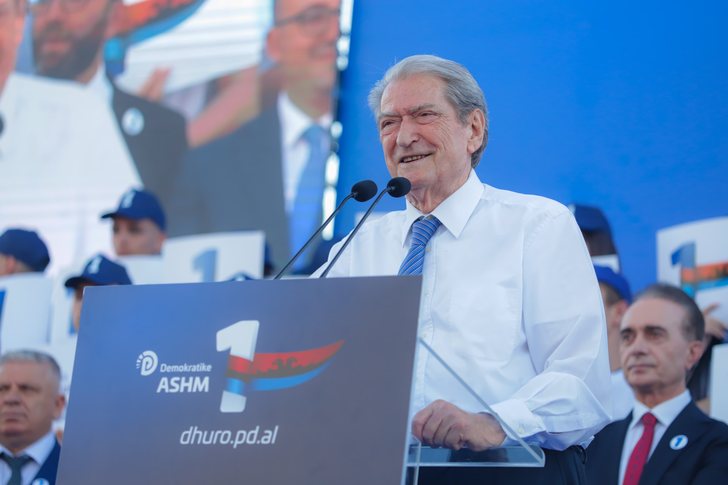
The leader of the Democratic Party, Sali Berisha, held a c...
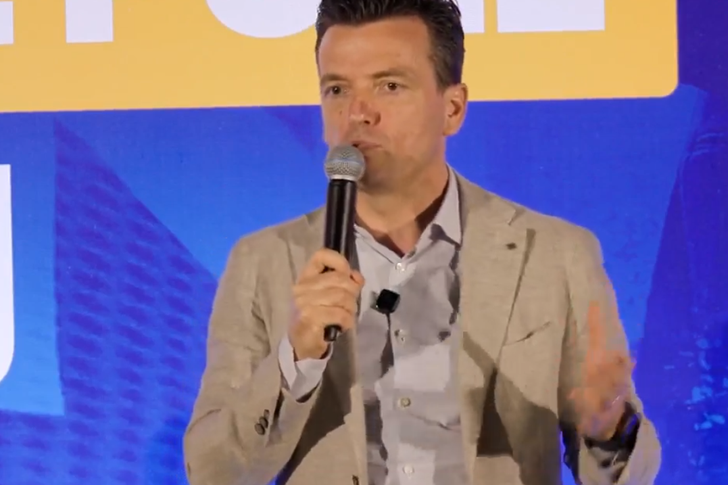
The leader of the Mundësia Party, Agron Shehaj, held an el...
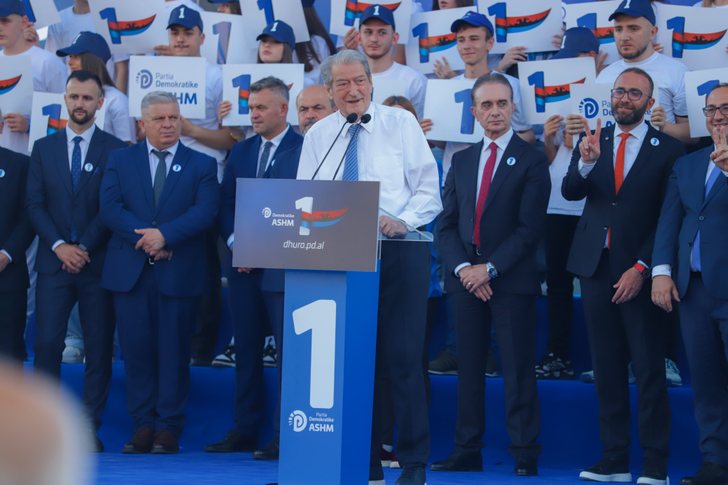
The leader of the Democratic Party, Sali Berisha, held tod...
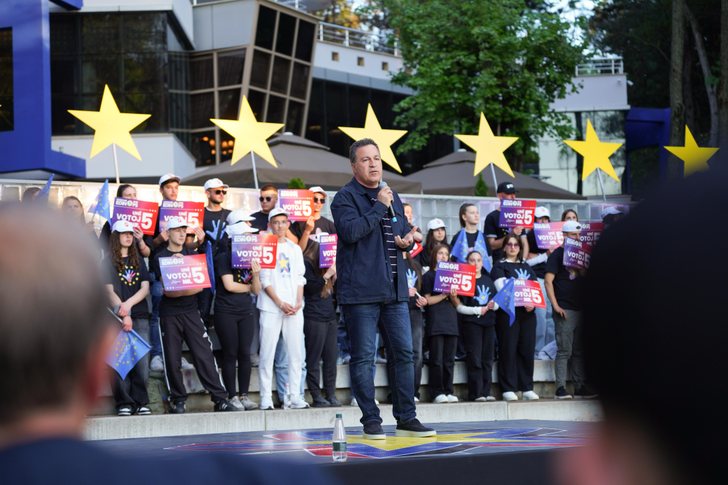
The Socialist Party has held a special electoral meeting w...
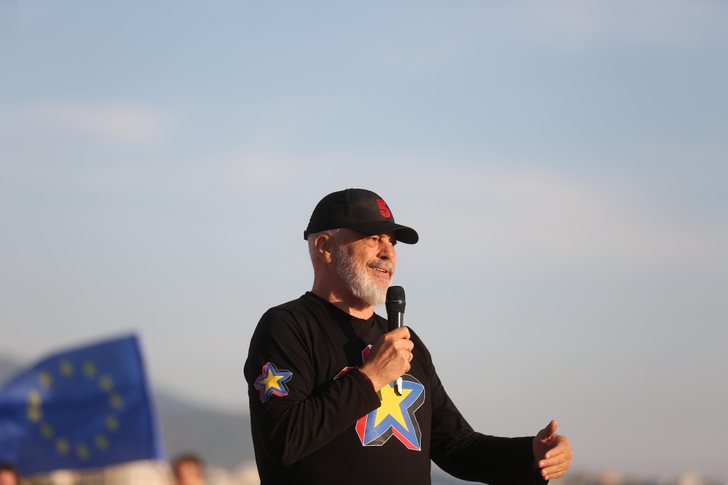
Prime Minister Edi Rama held the closing election meeting ...
Prime Minister Edi Rama held the closing election meeting ...
The chairman of the PDIU, Shpëtim Idrizi, shared today sev...
Prime Minister Edi Rama held a closing electoral meeting i...
The President of the FRPD, Besart Xhaferri, has reacted to...
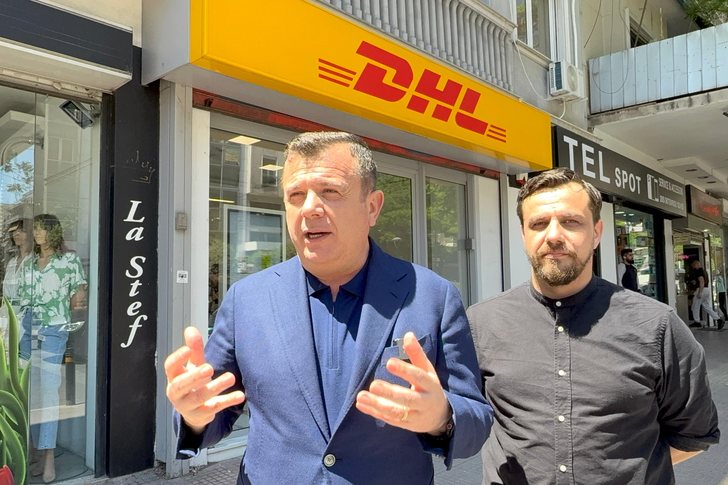
At one of the DHL offices in Athens, the Political Leader ...
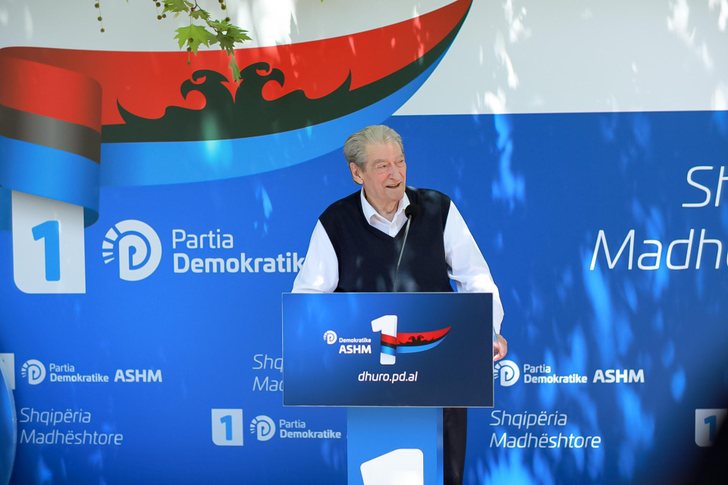
The Chairman of the Democratic Party, Sali Berisha, was in...
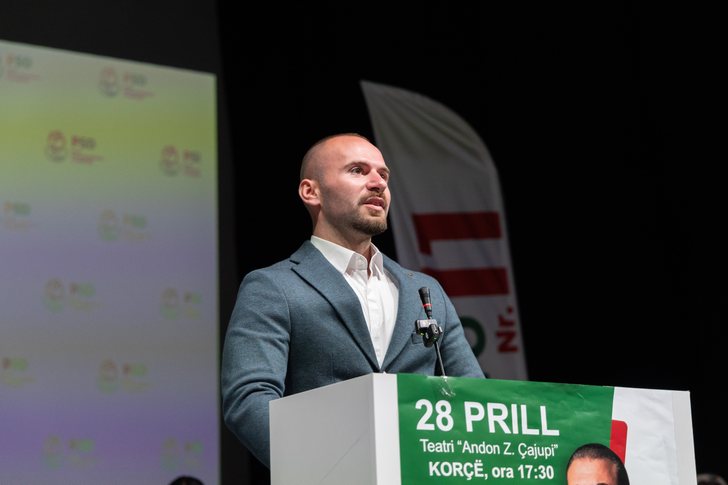
Dhimitri Tona, a boy from Korça who comes from a family wi...
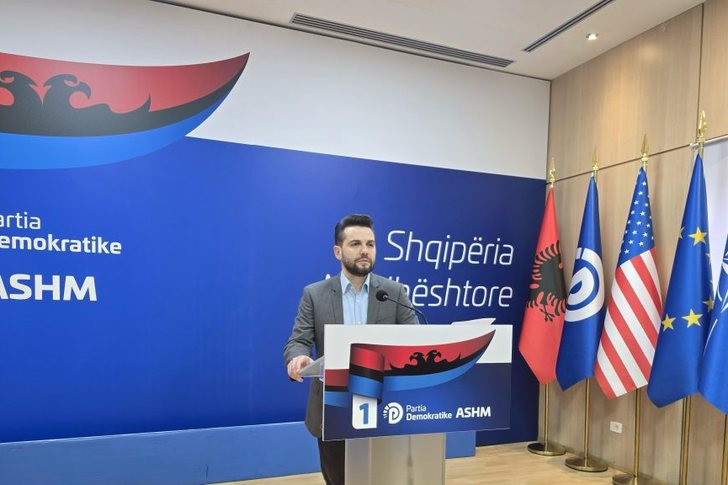
The opposition candidate in the Tirana district, Grigels M...

CNA has launched another investigation that could lead to ...

Irfan Hysenbelliu is a businessman that we call "Irfan the...

In March 2026, CNA launched another investigation centered...
The arrested mayor of Tirana, Erion Veliaj, with 13 charge...

The Special Board of Appeal (KPA) decided this Monday ...

The KPA vetting decided this Thursday to dismiss the p...

Suela Salavaçi, a prosecutor in the Prosecutor's Offic...

The Special Board of Appeal reinstated the prosecutor ...
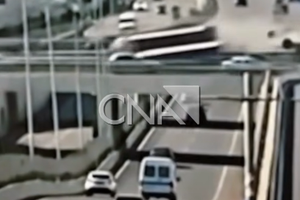
Footage emerges from the serious accident that occurred th...

A Shkodra traffic police officer was hit with hard objects...
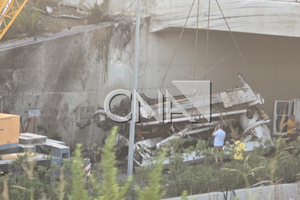
This Wednesday, around 4:00 PM, a serious accident occurre...
Tirana Police have shared details regarding the accident t...
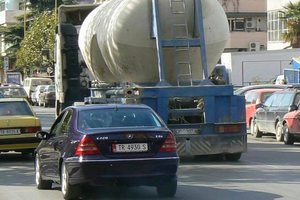
A serious accident that occurred this Wednesday with the c...

The Institute of Geosciences has shared a forecast for wea...
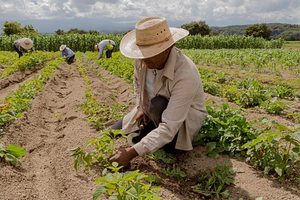
Rising energy and fertilizer prices are expected to contin...
Over 18,000 foreign citizens from 140 countries have appli...
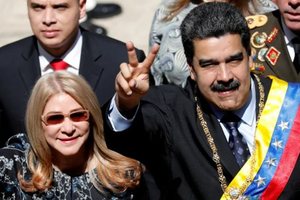
The trial of ousted Venezuelan President Nicolas Maduro on...
US President Donald Trump has issued another warning to Ir...
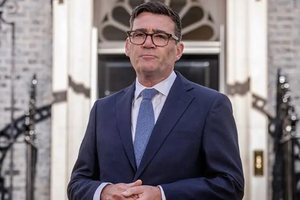
Prime Minister Andy Burnham has announced that most bus fa...

France's parliament has passed a law to ban social media f...

At a time when industrial products are increasingly taking...

Trust among people is not just a three-syllable word. It c...

Master of humor Todi Llupi has passed away at the age of 7...

The ninth edition of "MIK Festival" kicked off with one of...

The price of diesel reached 206 lek per liter from 198 lek...

Businesses will no longer be required to simply register t...

Despite economic growth and income in recent years, Albani...

This Wednesday, one US dollar is bought for 81.4 lek and s...