Communication with Rama and threat from Bajrat/Koçek talks about leaving the SP Group
MP Marjana Koçeku spoke today regarding her departure from...

MP Marjana Koçeku spoke today regarding her departure from...


Last week, the Parliament of Albania approved a declaration for the repeal of the law of war by Greece against Albania. The declaration proposed by the parliamentary group "Democracy and Integration" and approved by consensus by the Parliament of Albania calls on the Greek parliament to promote the repeal of martial law. At the same time, it asks the Albanian government to continue its efforts to enable the repeal of the law and its consequences.
The repeal of the absurd law of war that Greece still maintains in force against Albania would also be read as a concern for the Greek national minority, as long as the legal act is in force, which holds the properties of the Albanian state, Albanian citizens, including those of Greek nationality.
The declarations or resolutions of the Assembly have an important weight because they embody the political will of the representatives of the sovereign. Usually, they are done for issues where sensitization or shaking of the government in particular or society in general is needed. These documents are accompanied by concrete tasks and a reporting and control mechanism before the Assembly.
In the exercise of foreign policy, the time and context in which certain actions are taken are important. For example, in 2013, due to the fluctuations of Albanian foreign policy, the Assembly adopted a resolution where the government was asked to make the "Cham issue" part of the diplomatic file with Greece and to report to the Assembly on its progress. A few months later, this issue was included to be addressed in accordance with international standards of freedoms and basic human rights, in the political program voted in the Assembly on September 15, 2013.
11 years later, the Assembly approved a declaration on an issue, for which, from the day of the declaration of the state of war until now, no government, regardless of the form of the regime, has had any dilemma in Albania. Immediately after the end of the Second World War, Albania requested the lifting of the law of war by Greece at the Paris Peace Conference in 1947. Likewise, in the bilateral plan, the restoration of diplomatic relations with Greece in 1971 was accompanied by Albania's continuous demands for the abolition of this regime.
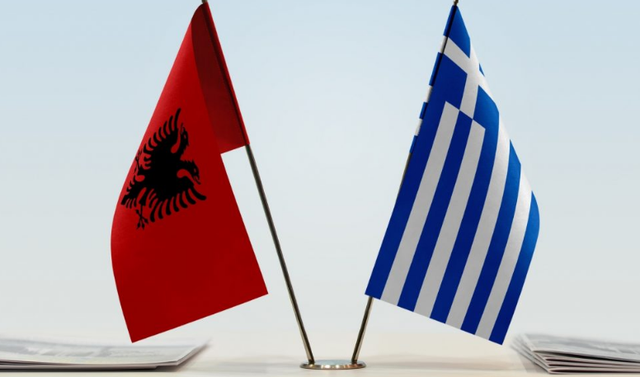
It is worth noting that the range of unresolved issues with Greece, regardless of their specificity, is wider than the law of war. Albanian-Greek relations are typical Balkan relations. A tough love where there are no shortage of episodes that are dominated by the lack of rationality or the fusion of the borders of foreign and domestic politics.
With the aim of dealing with unresolved issues and opening a new chapter in bilateral relations, at the end of 2013 it was thought that these issues should be presented systematically. Subsequently, these issues were included in what is known as the "package of bilateral issues". Issues that span a period of time from the imposition of the law of war on the part of Greece against Albania, up to those of the present day. In this dynamic bilateral process, the important international institutions of which Albania is a member were kept informed about the progress of the talks, in addition to the responsible constitutional institutions of the country. The positions of the representatives of these international institutions on concrete issues have also been reported in the media.
Sometimes it is forgotten that through this process some of the issues affecting the citizens were concluded. Addressing the issue of toponyms in accordance with the rules and practices of the UN eliminated the obstacles in the cross-border movements of our citizens. Greece removed the reservation for the use of the apostille stamp, saving the pockets of our citizens about 5 million euros per year for various documents.
About 150,000 Albanian citizens benefited from the solution to the problem of registering children born in Greece from one or both parents who do not have a residence permit in Greece. Driving licenses were recognized. About 800 euros cost Albanian citizens in Greece the procedure of recognizing the license. Work on revising the textbooks, based on the 1998 agreement, resumed, exchanging reports on the findings in the respective textbooks on issues of concern to each side.
For the implementation on the ground of the 2009 agreement on the search, exhumation, identification and reburial of Greek soldiers who fell in Albania, during the Italo-Greek war of 1940-1941 and the construction of a resting place for them in the territory of the Republic of Albania, several technical protocols with the aim of: (i) specifying the number of Greek casualties; (ii) specifying the areas where excavations should be carried out; (iii) the method of identifying the fallen; (iv) ensuring the presence of all relevant institutions during the exhumation process and the accompanying documentation of the process.
For the rest of the unresolved issues of the package, there was documented progress on the state track, although not a final solution. The political changes in Greece in the middle of 2019 brought back to government the "New Democracy" party, which was in government during the signing of the agreement on the delimitation of maritime spaces with Albania, in 2009. For this party, this agreement was considered the most important achievement. Greece's major strategic role in foreign policy.
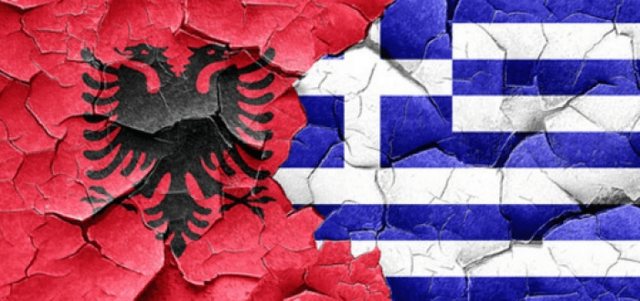
The political change in Greece was accompanied by a different approach on the package of unresolved issues between our two states, regarding how it was separated from the package and how the issue of the delimitation of maritime spaces will be addressed. For example, the package also contained the treatment of agreements for the administration of pyramids and border signs as well as that of cross-border cooperation. Although not related in the legal sense of the word, the conclusion of these agreements, in parallel with that of the delimitation of maritime spaces, finally closes the border issues between Albania and Greece, and at the same time buries any territorial claims of the extremist circles.
Despite several years of efforts for the issue of maritime space delimitation to remain at a bilateral level, the way to resolve this bilateral issue became part of the Negotiating Framework document that will guide the process of Albania's EU membership talks. Although the EU has in its bosom member states, which have not yet found a way to resolve with each other the issues of delimitation of maritime spaces, due to the lack of a European standard, Greece's insistence to do this issue bilateral, which is resolved through international law, part of the European agenda, unfairly increases the pressure on Albania.
Negotiating the issues in the package also helped to reduce prejudice. The survey data of June of this year by the Greek Foundation for European and Foreign Policy, on Albanian-Greek relations, show the information and the progressive reduction of the prejudices of the Greek society on some of the unresolved bilateral issues, including the "Cham issue". Of course, this does not eclipse the fact that certain segments of the ruling party "New Democracy" keep the flame of former nationalism burning, encouraging the implementation of an arrogant policy towards Albania.
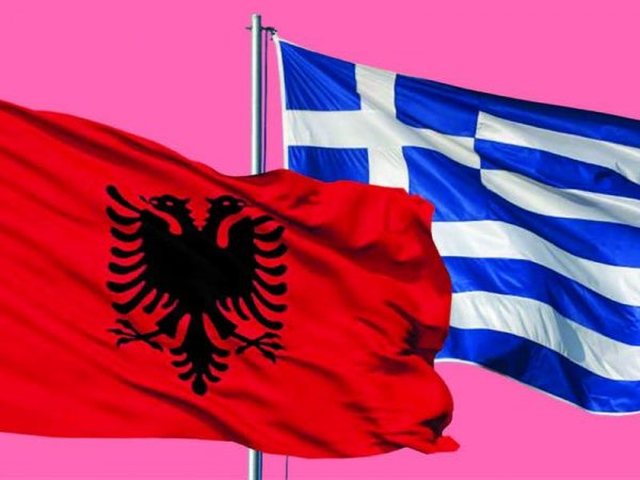
However, the most encouraging data of the survey of Greek public opinion concerns the widespread acceptance of Albanians who live and work in Greece, as a progressive force, which imposes a new dynamic in Albanian-Greek relations. There is nothing unknown in Albanian-Greek relations. Findings and criticisms about various problems should not be confused with efforts to find appropriate solutions for them. Initially, time is needed to heal from the "wounds" received especially during the last year, to get out of the situation between conflict and embarrassment. Declaratory acts must then give way to strategic discipline in handling and closing all issues with neighbors.
Geography and history are irreplaceable components in interstate relations. No one chooses their neighbors, as happy and difficult days are faced with them. Meanwhile, history allows us to draw lessons to look to the future with optimism. Nothing is impossible in the Albanian-Greek relationship, as long as there is a mutual will to build a common European future. This requires giving up the mindsets of the past and accepting the fact that we live in a troubled era, from a security point of view, where dealing with unresolved issues with neighbors is a priority. Above all, the Albanian-Greek relationship requires the building of a solid bridge for the future, without remaining hostage to the past.

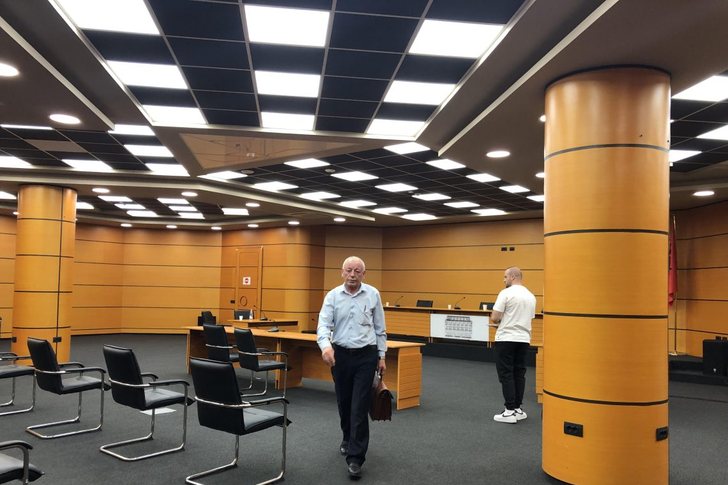
Unfortunately, yesterday "Vetting" suspended from offi...
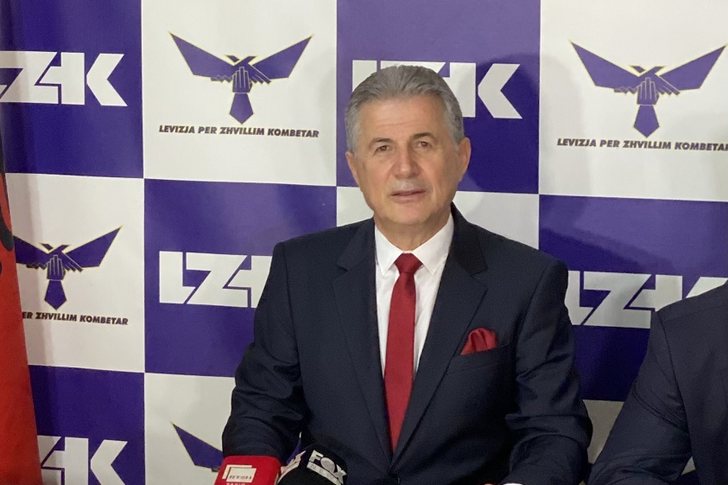
"Movement for National Development", as a subject with...
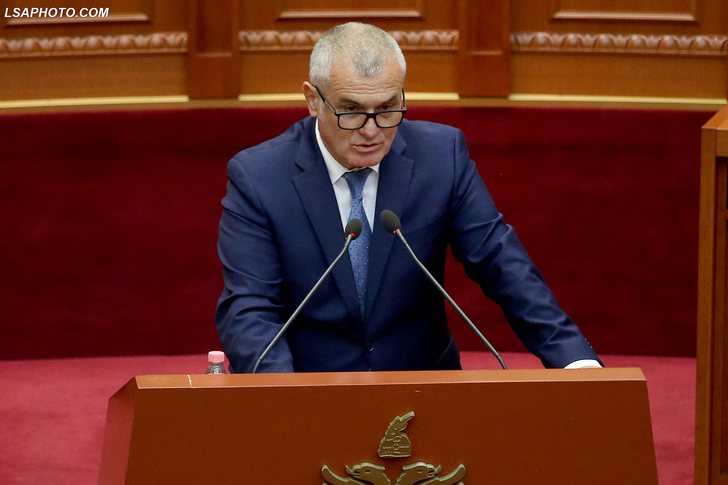
In the current talks on the electoral code for the gen...
I believe you remember a few years ago when mobile pho...
Erjon Veliaj's deputy was at SPAK, he stayed there for...
"Albanians are a people who read the newspaper a lot!",- s...

I wonder what's the point of writing slogans, walking ...
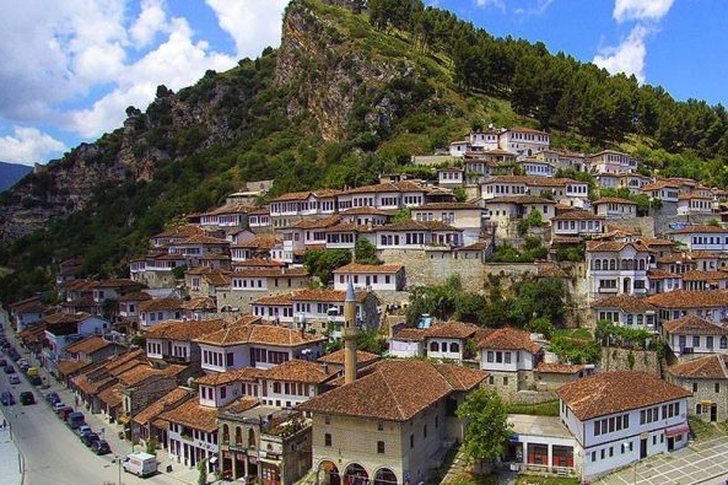
Rome "Eternal City", London "Wet City", Prague "Singin...
Today marks 47 years since poets Vilson Blloshmi and Genc ...
In the last few days, a news circulated in the media about...
The affairs of Erion Veliaj are neither sophisticated nor ...
"Top Channel" i drejtuar nga Vjollca Hoxha ishte media...

Why are our beaches left behind the Maldives empty the...
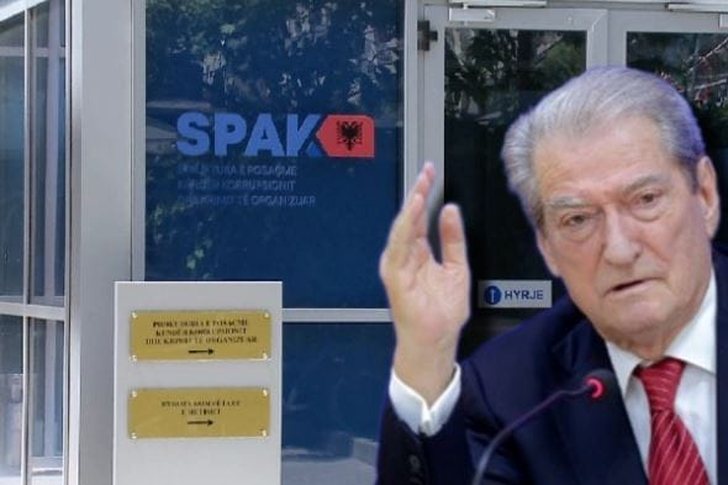
The politician, or more precisely the Political Univer...
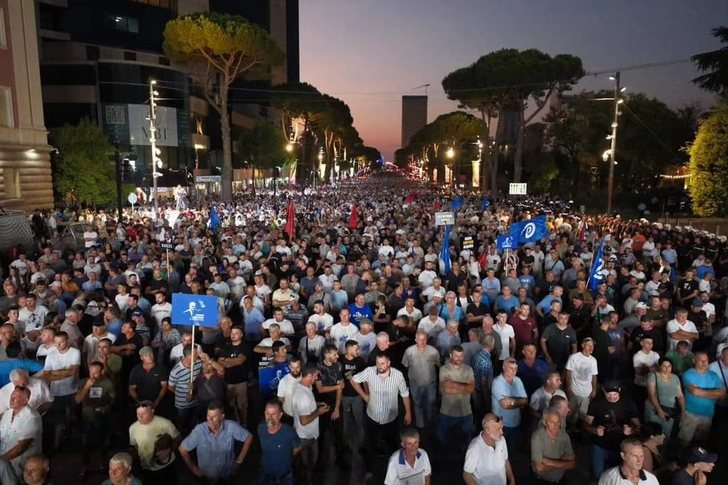
The July 11 protest will be long remembered as it succ...
Protests are the only way to remember that we live in a de...
The invitation to protest today is as universal as it is e...
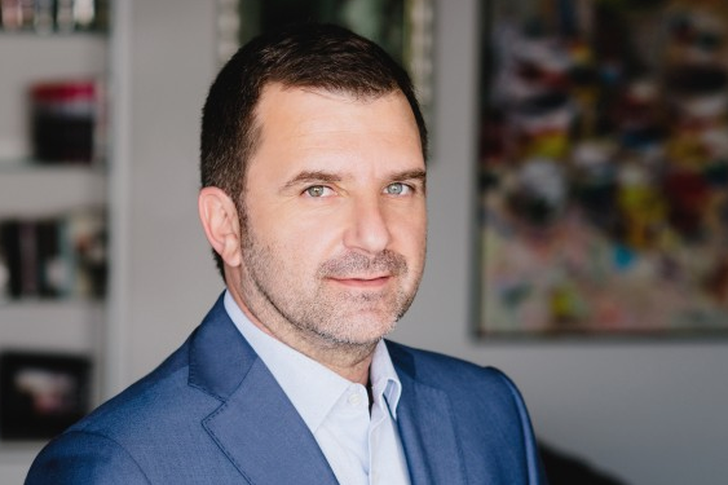
The sudden announcement of the election race for Himar...
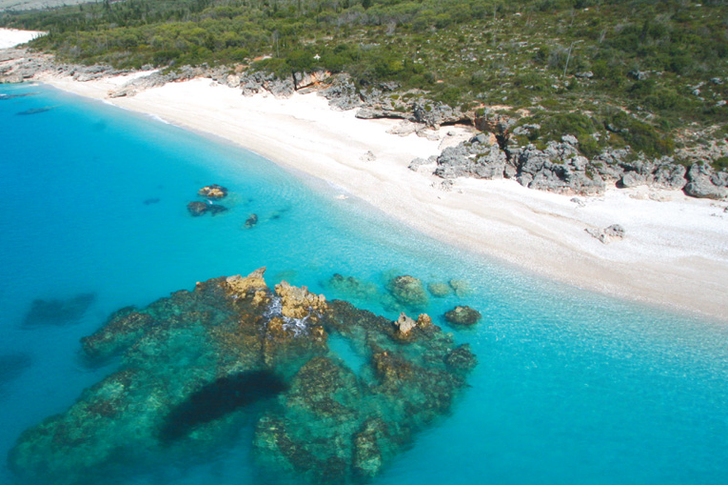
Inspired by the protests of residents in Barcelona aga...
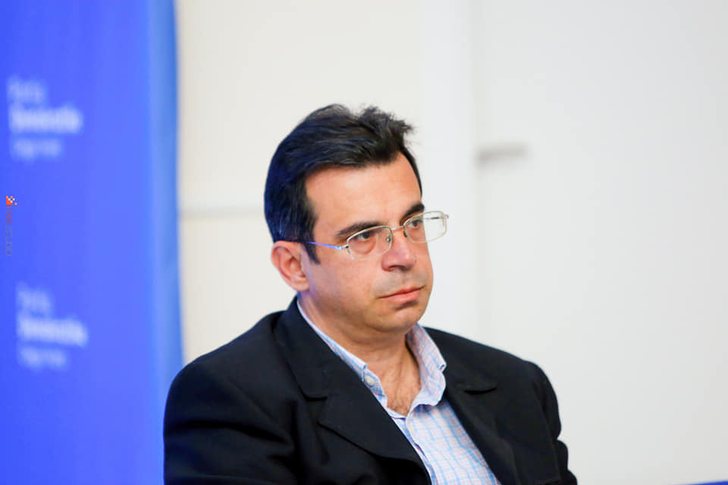
How much society has changed... How much has politics...

CNA has launched another investigation that could lead to ...

Irfan Hysenbelliu is a businessman that we call "Irfan the...

In March 2026, CNA launched another investigation centered...
The arrested mayor of Tirana, Erion Veliaj, with 13 charge...

The Special Board of Appeal (KPA) decided this Monday ...

The KPA vetting decided this Thursday to dismiss the p...

Suela Salavaçi, a prosecutor in the Prosecutor's Offic...

The Special Board of Appeal reinstated the prosecutor ...

An accident occurred this Tuesday on "Dituria" street in K...
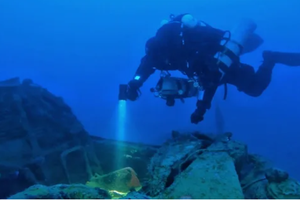
A tourist has lost her life on Orikum beach, where she was...

Two people were arrested and two others were prosecuted af...

At around 08:40, in neighborhood no. 10, Korça, a "Benz" t...

Albania was hit by temperatures significantly higher than ...

For the first time, Pogradec welcomed the Inter-Lake Chess...
Albania has achieved a record for the employment of foreig...

Today our country will be under the influence of relativel...

The United Kingdom's new Prime Minister, Andy Burnham, has...
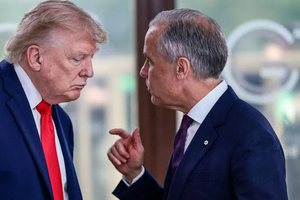
United States President Donald Trump has imposed 50% tarif...
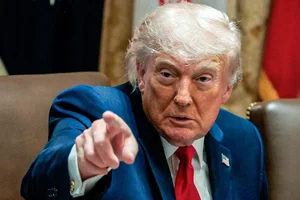
US President Donald Trump responded with harsh rhetoric to...
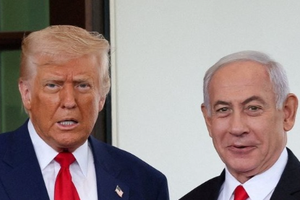
US President Donald Trump said on Monday that Israeli Prim...

At a time when industrial products are increasingly taking...

Trust among people is not just a three-syllable word. It c...

Master of humor Todi Llupi has passed away at the age of 7...

The ninth edition of "MIK Festival" kicked off with one of...
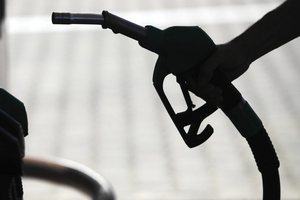
The Centralized Purchasing Operator recently opened a tend...
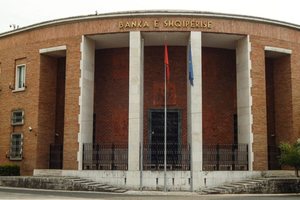
The new draft law "On the Bank of Albania" provides that t...

This Tuesday, one US dollar is bought for 81.2 lek and sol...
Deputy Minister of Economy and Innovation, Enkelejd Musabe...