

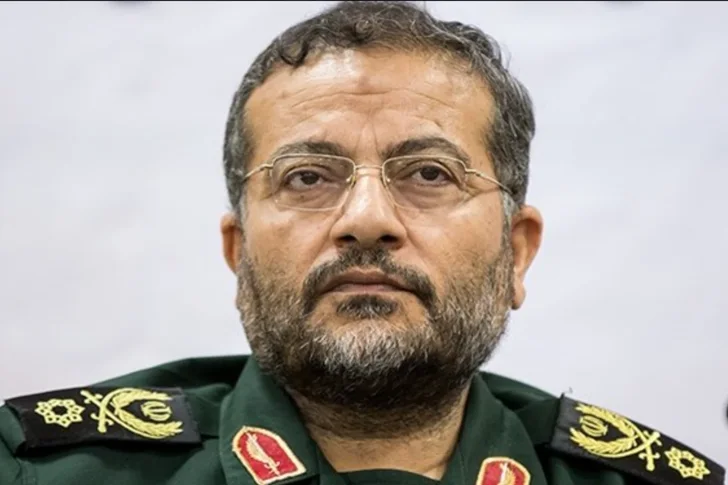
Iran acknowledges death of Basij militia commander Gholamreza Soleimani
Iran's IRGC (Islamic Revolutionary Guard Corps) has acknow...


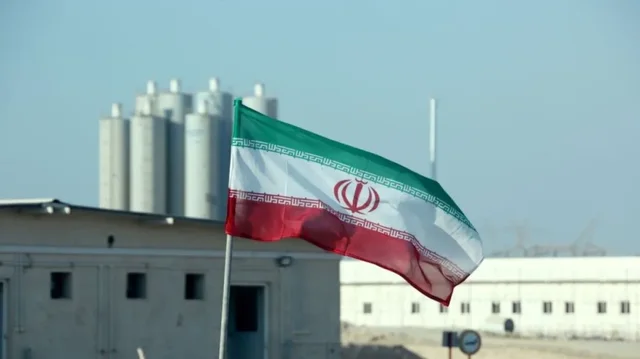
The Iran war is causing major disruptions to the global market and raising fears of worsening food security, especially in poorer countries.
At the heart of the crisis is the Strait of Hormuz, through which about a third of the world's fertilizer trade passes. Since the conflict began, passage has been restricted, while missile and drone attacks in the Persian Gulf have disrupted production at power plants.
Fertilizer production is directly linked to energy, with up to 70% of its costs based on natural gas. The disruption of energy flows has forced fertilizer factories in the Middle East to suspend or reduce their operations, at a critical time for farmers in the Northern Hemisphere preparing for spring planting.
The impact is direct on the food chain. About half of the world's food production depends on the use of chemical fertilizers, while in some countries their cost corresponds to up to 50% of grain production.
Nitrogen fertilizers, such as urea, are considered critical, as not using them for even one growing season can lead to a significant reduction in yields. The urea market was already under pressure before the Iran conflict, due to reduced production in Europe following the loss of cheap Russian gas and restrictions imposed by China on exports to ensure domestic sufficiency.
The current crisis has worsened the situation. In Qatar, Qatar Energy has suspended operations at the world’s largest urea plant after natural gas production was halted by attacks on LNG facilities. In India, three major plants have reduced production after imports of liquefied natural gas (LNG) from Qatar were restricted. India, home to nearly a fifth of the world’s population, relies on more than 40% of its fertilizer imports from the Middle East.
Bangladesh has suspended operations at four of its five factories, while in Egypt, nitrogen fertilizer production is threatened after natural gas exports from Israel were cut off.
In Brazil, which is almost entirely dependent on urea imports, about half of its supplies pass through the Strait of Hormuz.
In the US, farmers are already reporting market shortages, with the country about 25% below its usual season. Globally, urea exports are expected to decline significantly.
Prices have already risen sharply. In the Middle East, urea export prices have risen by about 40%, to more than $700 per ton, while in the US they have risen by up to 32%. Analysts warn that if the conflict drags on, nitrogen fertilizer prices could double.
The scope to make up for the losses is seen as limited. The Middle East dominates the global market, while Russia, the world's largest exporter of fertilizers, is facing drone attacks and China continues to restrict its exports./CNA

Iran's IRGC (Islamic Revolutionary Guard Corps) has acknow...

Asian countries are being forced to take energy-saving mea...

British Prime Minister Keir Starmer welcomed Ukrainian Pre...
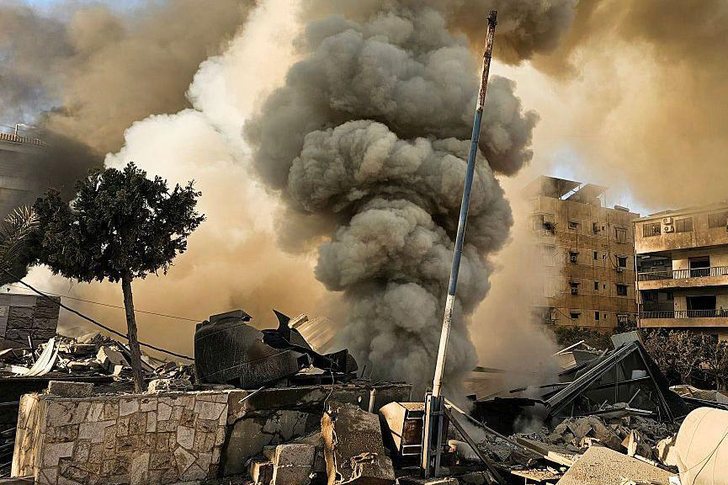
The war in Iran could push 45 million people into acute hu...

The health of Norway's Crown Princess Mette-Marit has dete...

The rapporteur for Serbia in the European Parliament, Toni...

US President Donald Trump shared with the Italian media ou...

The Greek government will present a legal proposal within ...
Before Trump spoke to reporters in the Oval Office, his pr...

The leader of the Democratic Party, Sali Berisha, has reac...
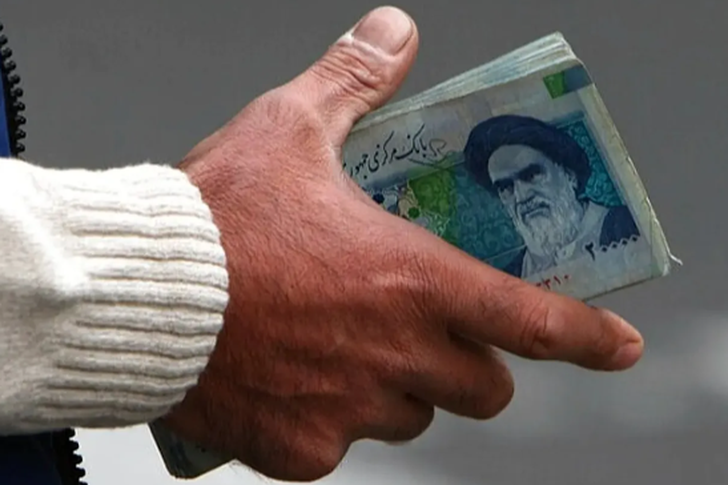
The Iranian regime has announced a 60% increase in the min...
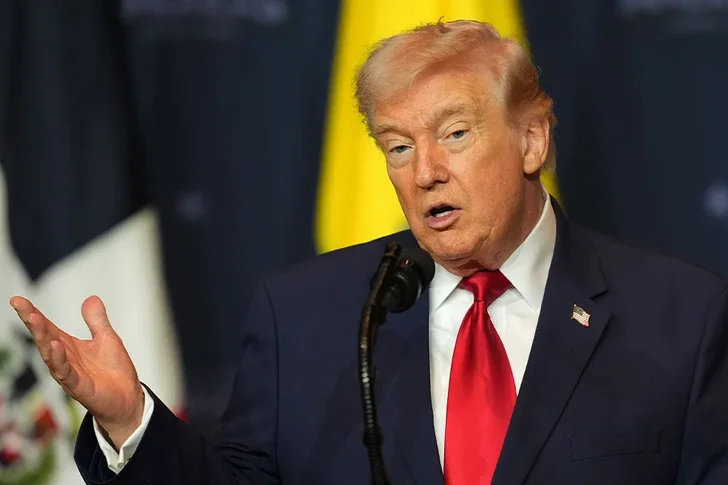
US President Donald Trump has reacted on Truth Social rega...
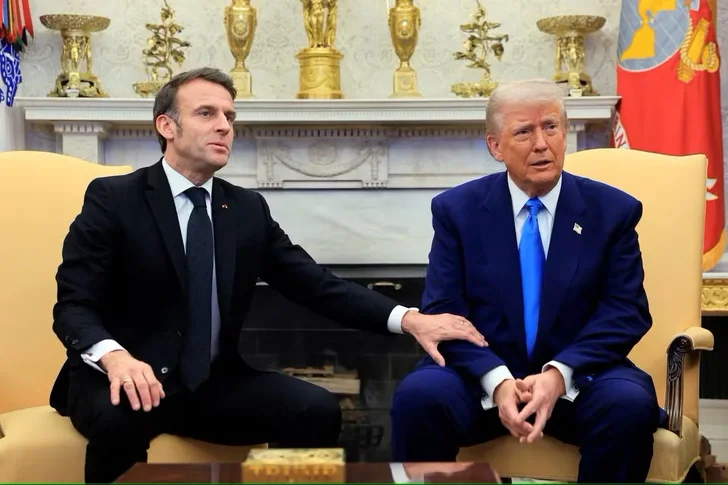
French President Emmanuel Macron said his country would no...

A former Belgian diplomat, 93, must stand trial for allege...
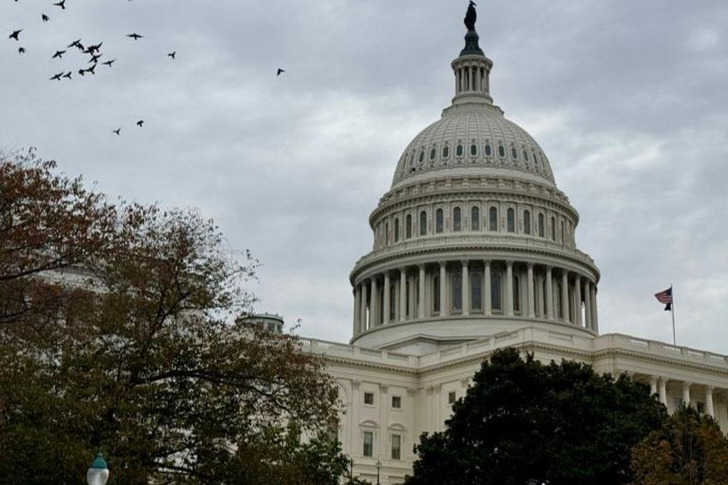
The Trump administration's top counterterrorism official h...
Oil tankers are passing through the Strait of Hormuz and I...

The Minister of Industry, Entrepreneurship, Trade and Inno...
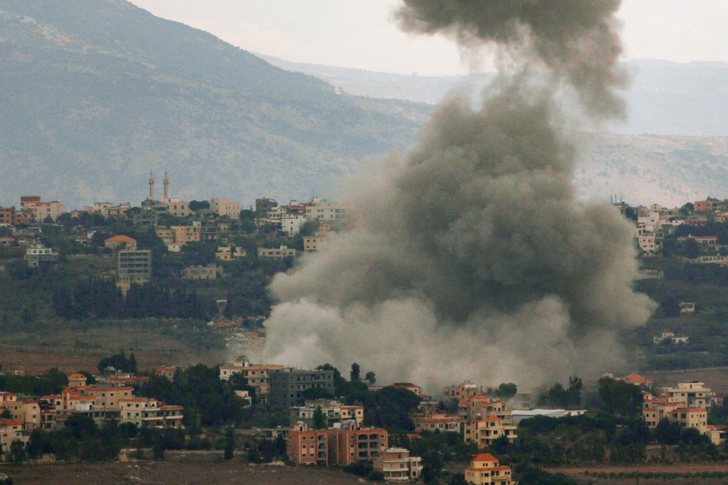
A Lebanese soldier has been killed and four others wounde...
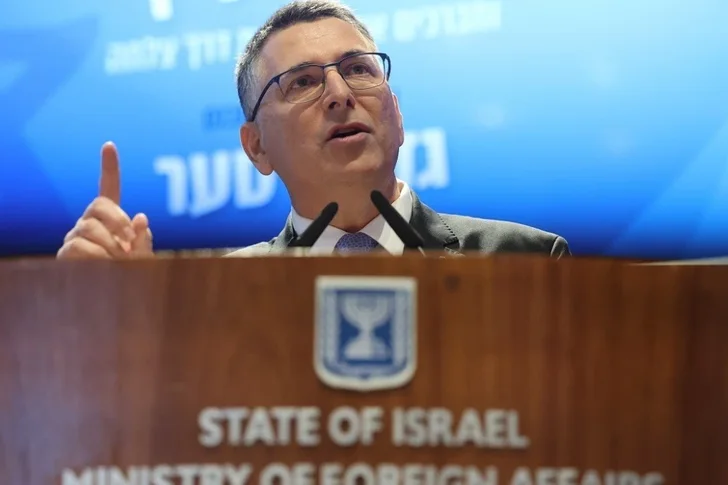
Israeli Foreign Minister Gideon Sa'ar held a press confere...
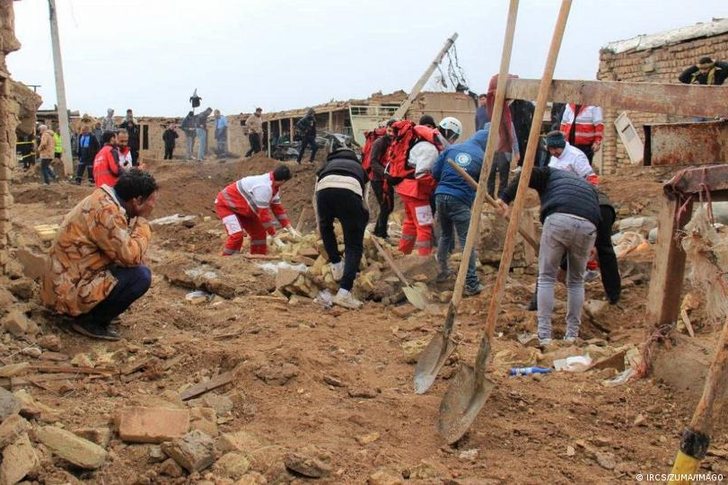
The UN World Food Programme has warned that another 45 mil...

CNA has launched another investigation that could lead to ...

Irfan Hysenbelliu is a businessman that we call "Irfan the...

In March 2026, CNA launched another investigation centered...
The arrested mayor of Tirana, Erion Veliaj, with 13 charge...

The Special Board of Appeal (KPA) decided this Monday ...

The KPA vetting decided this Thursday to dismiss the p...

Suela Salavaçi, a prosecutor in the Prosecutor's Offic...

The Special Board of Appeal reinstated the prosecutor ...

New details have emerged from the serious accident that oc...
A serious accident occurred this Wednesday on the Elbasan-...
Citizen MH, 61, a fisherman, was found dead near the islan...

Another phase of the international operation, codenamed "T...

The Institute of Geosciences has shared a forecast for wea...
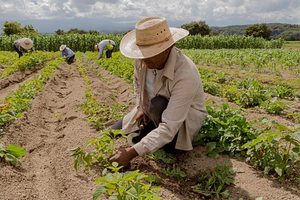
Rising energy and fertilizer prices are expected to contin...

Over 18,000 foreign citizens from 140 countries have appli...

This Wednesday, our country will be under the influence of...

Prime Minister Andy Burnham has announced that most bus fa...

France's parliament has passed a law to ban social media f...

US Secretary of State Marco Rubio arrived in Manila on Jul...

In the space of a few days, Ukrainian President Volodymyr ...

At a time when industrial products are increasingly taking...

Trust among people is not just a three-syllable word. It c...

Master of humor Todi Llupi has passed away at the age of 7...

The ninth edition of "MIK Festival" kicked off with one of...

Businesses will no longer be required to simply register t...

Despite economic growth and income in recent years, Albani...

This Wednesday, one US dollar is bought for 81.4 lek and s...

Construction company licenses will have a validity period ...