

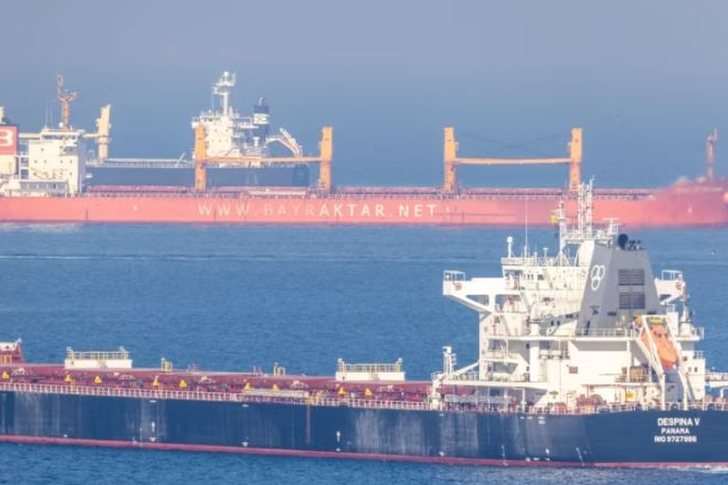
Turkey warns Russia after the attack on the ship in the Black Sea
Turkey has warned Moscow to avoid further escalation after...


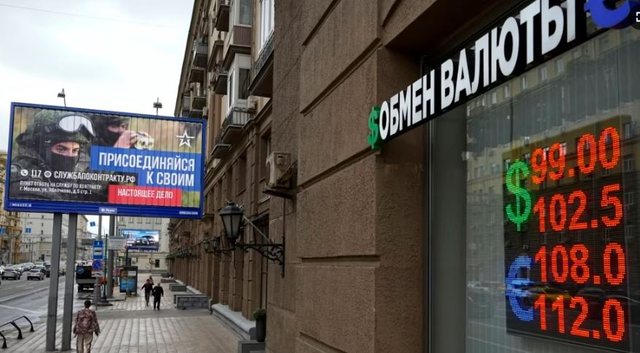
When Russia's central bank surprised economists on July 21 by raising interest rates by a full percentage point — twice the expected increase — the decision should have strengthened the ruble, whose value has been in decline since December. .
However, the Russian currency continued to slide against the US dollar over the next three weeks, breaking the 100-ruble level on August 14 and prompting a remarkable 3.5 percentage point rise the next day - to 12 percent. The ruble's recent decline is happening even as Russian oil — Russia's main source of foreign currency earnings — is selling at sky-high prices. High oil prices and a stronger ruble have often gone hand in hand, but not this time: Russia's invasion of Ukraine has hit the country's economy and the Russian national currency has suffered from the war.
"There is a lack of confidence in the ruble," said Sergei Aleksashenko, the former head of the Russian Central Bank who is now a vocal critic of the Kremlin.
In a post on X (formerly known as Twitter), following the August 15 hike, he predicted that the rate hike would have little impact on the currency.
The ruble's months-long slide comes as fierce fighting rages in Ukraine, where Russian forces have made little progress in the first months after launching a full-scale invasion of the neighboring country in February 2022. Russian forces now are facing a Ukrainian counter-offensive in the east and south.
This strong Ukrainian resistance is forcing Russia to increase military spending as Western sanctions hit energy export revenues, creating a huge budget deficit that is putting pressure on the ruble's exchange rate.
Meanwhile, Russian industrial and consumer demand for machinery, high technology and other imported goods has increased, increasing the demand for dollars and euros, which are hard to find in the Russian market.
The weakening ruble is putting President Vladimir Putin in a difficult position, analysts said. He must rein in spending if he wants to tame inflation and stabilize the ruble.
But Putin has signaled that he intends to continue the occupation indefinitely and the next presidential election, to be held in March - with Putin certain to win if he runs, as is expected, given the Kremlin's control over politics and the media. . However, he needs to shore up his image after the brief but embarrassing mutiny by mercenary group Wagner in June and amid continuing stalemates in the war against Ukraine.
As a result, he is unlikely to cut military or social spending to an adequate level, causing the burden to shift to protecting the ruble through the Central Bank.
"There is a war going on right now in Russia between President Putin's military ambitions on the one hand, and the objectives of the Central Bank and Ministry of Finance on the other," Liam Peach, economist at research firm Capital Economics, said in a note. in London.
This struggle was evident even before the sharp rise in interest rates, adding to the signs within the ruling elite of the dire situation in the economy and society as the struggle continues.
In a column published by state news agency TASS on August 14, Putin's economic adviser Maksin Oreshkin spoke about the Central Bank without mentioning the bank or its chief, Elvira Nabiullina. He wrote that "the source of the weakening of the ruble and the increase in inflation is a soft monetary policy".
Nabiullina, e cila është një personazh i respektuar jashtë vendit dhe ka merita për minimizimin e dëmit në ekonominë ruse gjatë kohës që është në krye të Bankës për më shumë se një dekadë, deklaroi se rënia e tregtisë së jashtme është shkaktari kryesor i dobësimit të rublës. Ajo tha se rritja e shpenzimeve shtetërore dhe mungesa e fuqisë punëtore, si rezultat i luftës, ka nxitur inflacionin. Ekspertët e kanë mbështetur shefen e Bankës në këtë debat.
Pavarësisht kësaj, puna e Nabiullinës nuk do të jetë e lehtë. Perëndimi ka ngrirë rreth 300 miliardë dollarë në rezerva valutore të Bankës Qendror ruse, ka shmangur investimet në vend dhe ka vendosur një tavan çmimi për eksportet e tij të naftës, duke kufizuar aftësinë e politikanëve që ta mbështesin rublën, tha Peach.
Gjatë periudhave të dobësimit të monedhës para se të niste pushtimi i Ukrainës dhe sanksionet që u vendosën për shkak të pushtimit, Banka Qendrore ka mundur të shesë miliarda dollarë në rezerva valutore për të mbështetur rublën ose investitorët perëndimorë, duke besuar se monedha ishte zhvlerësuar dhe mund të blinin rezervat.
Peach tha se rreziqet ndaj stabilitetit të ekonomisë ruse po materializohen më shpejt sesa që priste. Ai tani pret që Banka Qendrore të rrisë normën edhe për dy pikë të përqindjes para fundit të vitit, duke bërë që normat e interesit të arrijnë në 14 për qind.
Normat e larta ulin huamarrjen nga korporatat dhe konsumatorët, duke bërë që të ngadalësohet inflacioni dhe depozitat në rubla të jenë një investim më tërheqës.
“Muajt e ardhshëm ka të ngjarë të karakterizohen me rënie të mëtejme të rublës dhe me inflacion më të lartë dhe norma më të larta të interesit”, tha ai.
Chris Weafer, themelues i Macro-Advisory, një firmë konsulence e përqendruar në shtetet e ish-Bashkimit Sovjetik, i tha Radios Evropa e Lirë se dobësimi i rublës nuk është shenjë paralajmëruese për një krizë në rritje financiare, “sepse rubla është një monedhë që menaxhohet në një ekonomi të menaxhuar. Rregullat normale në këtë rast nuk zbatohen”.
Rubla kishte qenë një monedhë e luhatshme para nisjes së pushtimit në shkurtin e kaluar. Banka Qendrore e ka menaxhuar atë me ndihmë të kontrolleve të monedhave që nga marsi i vitit 2022, kur Perëndimi vendosi sanksionet gjithëpërfshirëse financiare ndaj Rusisë, tha Weafer.
Ai tha se Banka Qendrore dhe Ministria e Financave dëshironin të dobësonin rublën pas rritjes së mprehtë të vlerës së saj më 2022, në mënyrë që të ndihmonin që të ngushtohej deficiti buxhetor. Megjithatë, “ata lanë që vlera e rublës të binte shumë” dhe tani po udhëzohen “nga lart” që ta kthejnë vlerën e monedhës në nivelin që ishte paraprakisht.
Rubla arriti nivelin më të lartë në shtatë vjet prej 53 për dollar në qershor të vitit 2022, pasi rritja e çmimeve të naftës dhe gazit nxiti një fitim të papritur në valuta të huaja, ashtu sikurse importet që ranë për shkak të sanksioneve perëndimore.
Buxheti i Rusisë merr më shumë të ardhura tatimore nga rubla nga eksportuesit kur kursi i këmbimit të rublës është më i ulët. Por, një rënie e madhe në krahasim me monedhat e tjera çon po ashtu në rritje të inflacionit, pasi importet bëhen shumë të shtrenjta në rubla.
Monedha ruse ka rënë deri në 30 për qind këtë vit dhe vlera e saj është pothuajse sa gjysma që kishte në qershor të vitit 2022 – kur arriti pikun – pasi të ardhurat nga eksporti i naftës dhe gazit kanë rënë dhe importet janë rritur.
Weafer tha se rritja e 15 gushtit kishte për qëllim të dërgonte një mesazh se “Banka Qendrore e ka situatën në kontroll dhe dëshiron që rubla të rimëkëmbet”.
Tatiana Orlova, ekonomiste në Oxford Economics në Britani, i tha REL-it më 15 gusht se Banka Qendrore ndoshta do të duhet të përdorë kontrollin e kapitalit për të stabilizuar rublën. Ajo tha se një gjë e tillë mund të detyrojë eksportuesit që të shesin monedhat e tyre të huaja ose të kufizojnë sasinë e valutës së huaj që qytetarët mund të dërgojnë jashtë shtetit.
Më 16 gusht, Putin ka mbajtur një takim me zyrtarët e Ministrisë së Financave për të diskutuar për vendosjen e kontrolleve të kapitalit, ka raportuar Financial Times.
Rusët kanë transferuar 43 miliardë dollarë në bankat jashtë shtetit, kryesisht në Armeni, Gjeorgji dhe Kazakistan. Ky transferim është bërë nga janari i vitit 2022 deri në maj të vitit 2023, shkroi në një raport Aleksandra Prokopenko, ish-këshilltare e Bankës Qendrore ruse, e cila aktualisht është studiuese në Qendrën Carnegie për Rusinë dhe Euroazinë me seli në Berlin.
Orlova tha se edhe faktorë të tjerë kanë ndikim në rublën ruse, përfshirë edhe valutat e ndryshme që Rusia tani merr nga eksportet e saj dhe valutave të huaja që janë të nevojshme për importet e saj. Ky fenomen, sipas saj, është shkaktuar nga sanksionet perëndimore.
Që kur Perëndimi vendosi sanksione ndaj sektorit të energjisë së Rusisë, Moska është detyruar që të zhvendosë shumë nga eksportet e saj të naftës në Azi, përfshirë edhe në Kinë dhe Indi.
Në vend të dollarëve, Rusia tani pranon rubla, huan kinez, rupi të Indisë për disa nga shitjet që bën. Por, kompanitë ruse dhe qytetarët ende kanë nevojë për dollarë dhe euro për të importuar makineritë, teknologjinë dhe mallrat e konsumit.
“Eksportuesit rusë po përfundojnë duke marrë rupi, por këtë valutë askush nuk e do, ndërkaq importuesit duan euro apo dollarë”, tha Orlova. “Pra, i gjithë ky joefikasitet po kontribuon në rënien e vlerës së rublës”.
Ka edhe faktorë sezonalë që kanë ndikuar në rënien e fundit të rublës pasi rusët blejnë valuta të huaja para pushimeve të tyre verore jashtë shtetit, tha ajo, duke shtuar se kjo praktikë shumë shpejt do të përfundojë.
Orlova said the ruble is now undervalued after its sharp decline, putting it at around 85 to the dollar. The ruble strengthened to 95 to the dollar on August 16, following a rate hike and talks on the use of capital controls.
Putin may be able to get out of the difficult economic situation he is in now if current oil prices stay where they are or rise even more, Weafer said, adding that Russia is now selling oil for more than $70 a barrel. a power. This value is higher than the price ceiling set by the West, which is $60.
"If something doesn't get worse, Russia's budget will perform much better in the second half of the year than in the first half, and the Kremlin will have enough money," Weafer said./ Rel

Turkey has warned Moscow to avoid further escalation after...
The President of Kosovo, Vjosa Osmani, said that as a resu...
It is the largest arms deal in Israel's history. The US ga...

Afghanistan's hardline rulers, the Taliban, have banned al...

The United States has imposed sanctions on four Russians a...

Iran's security forces have arrested nine women's rights act...

Afghanistan's hardline rulers, the Taliban, have banned al...

On Thursday night, storms and rain covered central and sou...

The United States of America and the mission of the Europe...
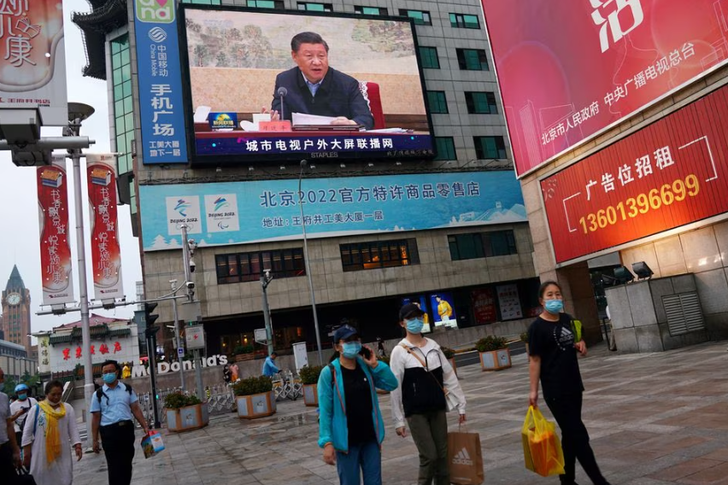
With China at risk of slipping into prolonged stagnation a...
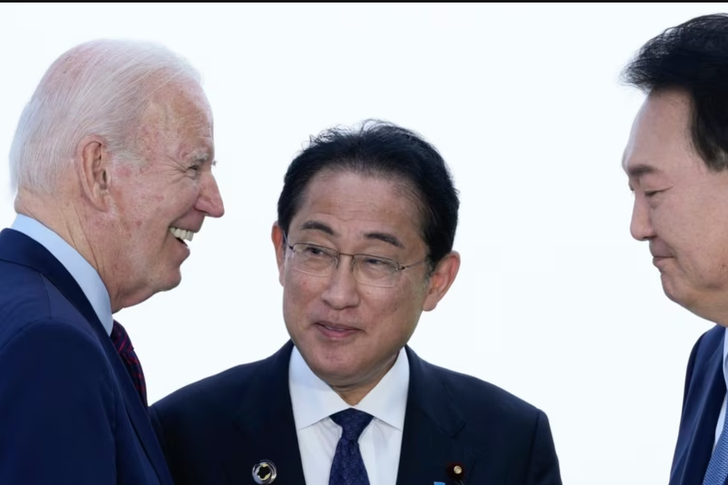
Amid growing concerns over the actions of China and North ...

Suedia do të rrisë alarmin për terrorizmin në nivelin e dy...

In the first half of 2023, three times more right-wing...
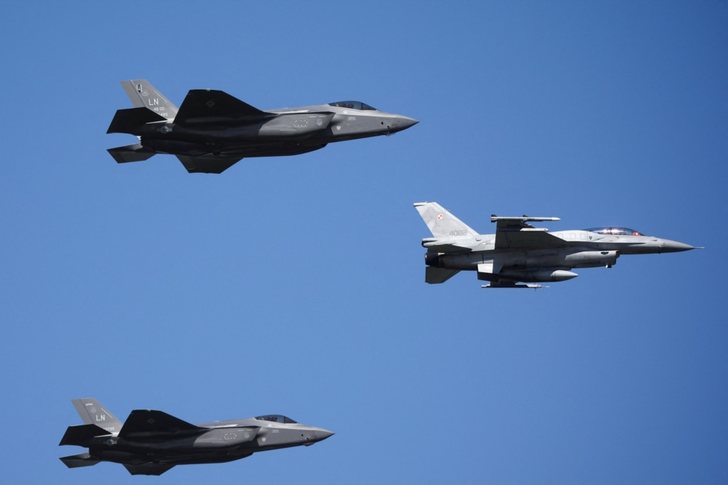
Ukraine has given up hope of receiving US F-16 fighter jet...
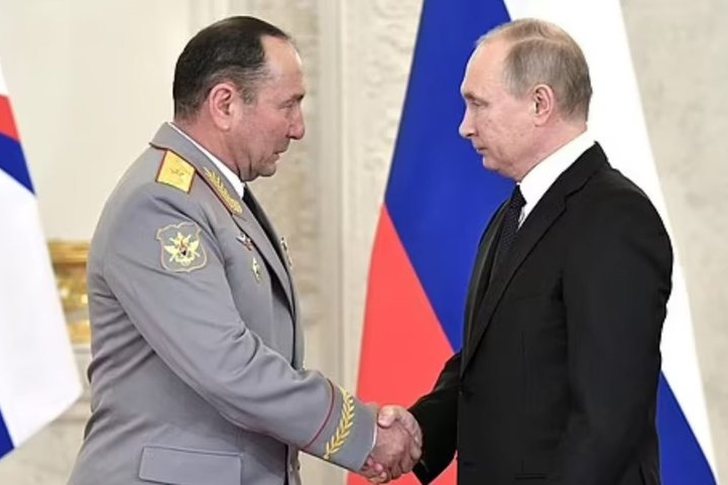
A senior general who briefly headed Russia's armed for...
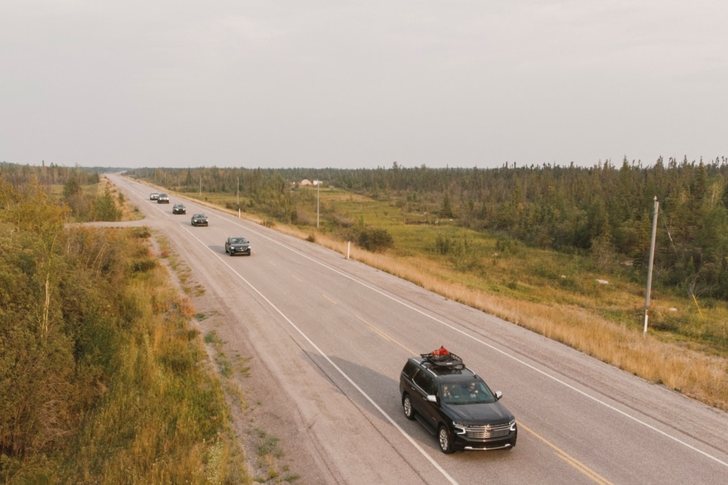
Residents of one of Canada's largest northern cities, Yell...
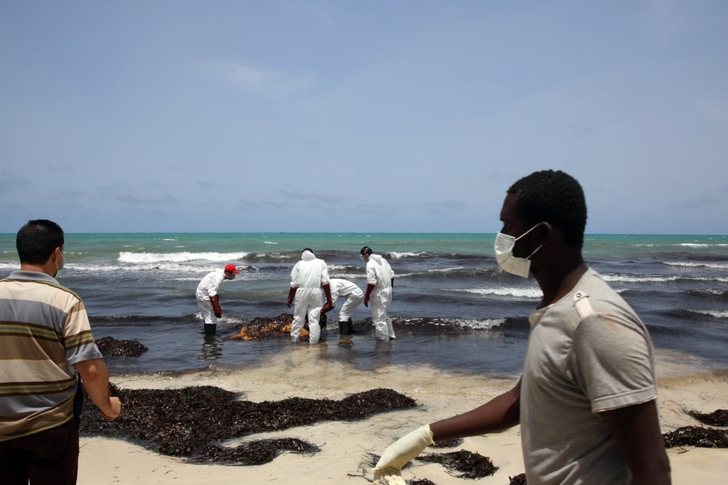
More than 60 people are believed to be dead after a ship w...
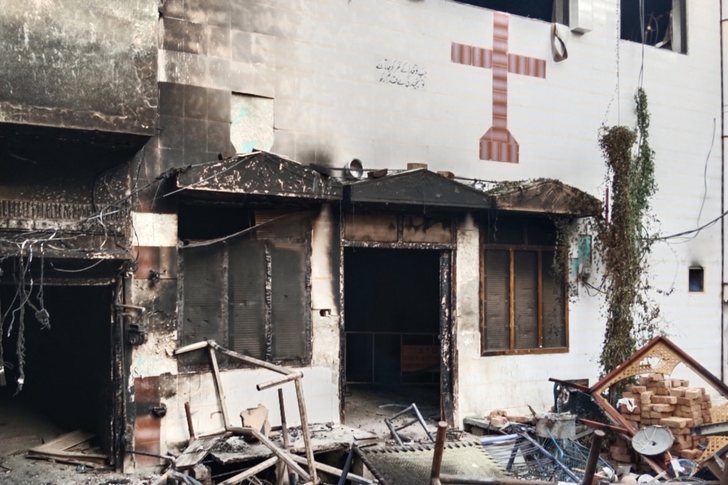
Thousands of Muslims have burned at least four churche...
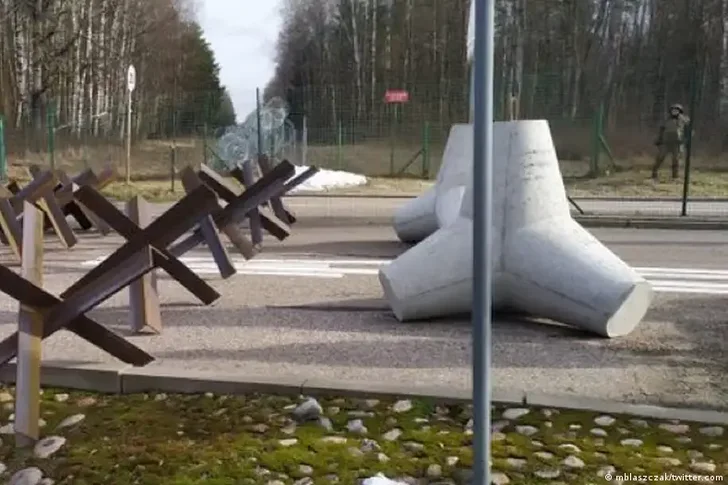
The Lithuanian government announced that it has closed two...
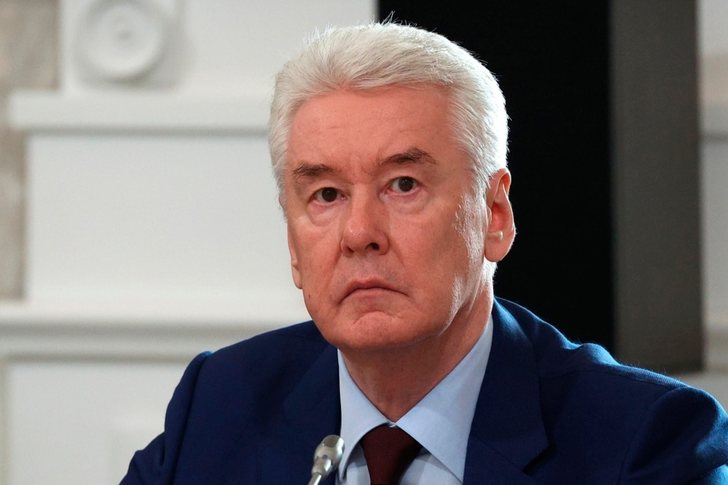
Tens of thousands of Muscovites are participating in m...
A 39-year-old citizen has been arrested in Lezha, after se...

CNA has launched another investigation that could lead to ...

Irfan Hysenbelliu is a businessman that we call "Irfan the...

In March 2026, CNA launched another investigation centered...

The Special Board of Appeal (KPA) decided this Monday ...

The KPA vetting decided this Thursday to dismiss the p...

Suela Salavaçi, a prosecutor in the Prosecutor's Offic...

The Special Board of Appeal reinstated the prosecutor ...

A conflict for weak motives was recorded today in the vill...

An accident involving three vehicles occurred a few minute...

55-year-old Belere Plaka, who was injured today with a sho...

Police Announcement: Following preliminary information...

By noon, cloudiness is expected to prevail in almost all o...

Children without parental care, for whom alternative famil...

On Thursday, our country will be under the influence of st...

A serious accident that occurred this Wednesday with the c...

Peru and Venezuela will restore diplomatic relations, the ...
United States President Donald Trump has left open the pos...
Israeli Prime Minister Benjamin Netanyahu will travel to t...

A bipartisan group of US lawmakers is calling for a Europe...

In my research at the Central State Archives, specifically...

At a time when industrial products are increasingly taking...

Trust among people is not just a three-syllable word. It c...

Master of humor Todi Llupi has passed away at the age of 7...

War, weather and supply disruptions could send gas prices ...
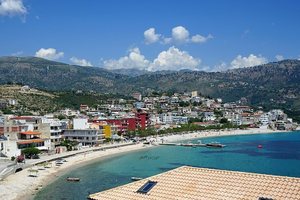
The number of active enterprises in Albania continued to g...
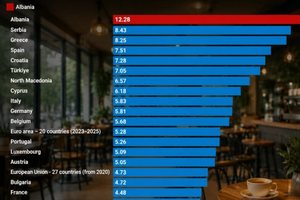
In Albania, the bar-cafe has long become an almost unique ...

This Friday, one US dollar is bought for 81.7 lek and sold...