




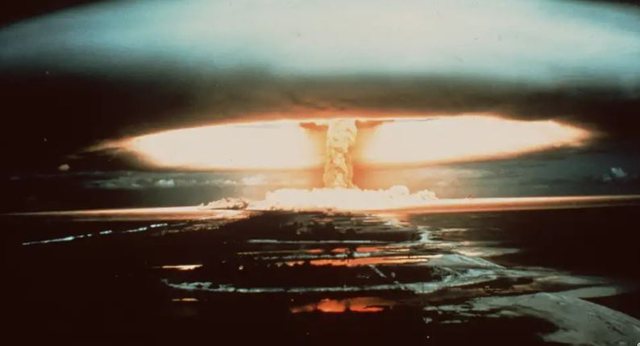
The fear of a German atomic bomb pushed forward from 1942 the American Manhattan Project. In 1945, the US dropped atomic bombs on Hiroshima and Nagasaki. But how far did the German search for the atomic bomb go?
In late 1938, two German chemists, Otto Hahn and Fritz Strassmann, discovered nuclear fission, the process by which an atomic nucleus splits into two or more smaller nuclei, thereby releasing large amounts of "energy." Harness this force, the physicists said, and you could develop a powerful bomb capable of leveling entire cities.
German scientists immediately began working on the atomic bomb project. Backed by powerful industry and military interests, the purpose-built uranium club secured contracts with some of the world's top nuclear researchers.
Although the project was kept secret, scientists who fled Nazi Germany leaked information. Among them was Albert Einstein, who in 1939 warned the then US president, Franklin D. Roosevelt. Around the world, concern was growing that the Nazis were developing a secret weapon.
The US response was the Manhattan Project. Right in the middle of World War II, this program, led by J. Robert Oppenheimer, began to examine in the summer of 1942 how to build an atomic bomb using the elements uranium and plutonium.
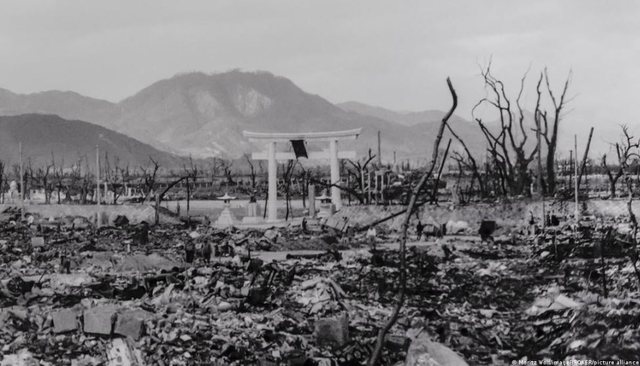
Fear of a competing Nazi project spurred the American government. Thanks to massive financial support, it took just three years for Oppenheimer and his team to successfully complete the first nuclear weapon test. The first atomic bomb actually used hit the Japanese city of Hiroshima three weeks later.
"I don't believe a word of this whole story," said Werner Heisenberg, director of the German uranium project, when he heard the news from Hiroshima.
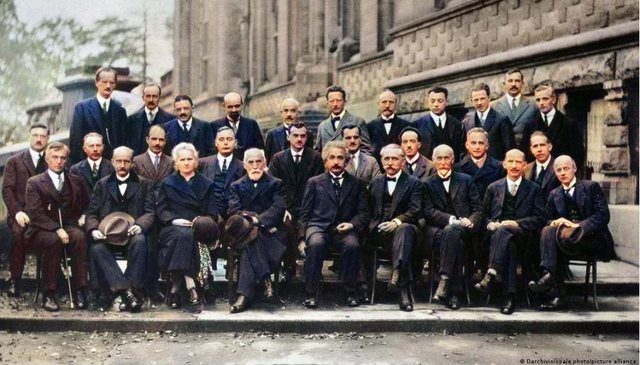
At the time, Heisenberg and nine other leading nuclear physicists who had conducted research in Germany were being held prisoner at the English mansion of Farm Hall. The British secretly recorded their conversations to learn more about the Nazis' nuclear plans.
Other physicists supported Heisenberg's disbelief. Most of them suspected a bluff intended to get Japan to capitulate. Otto Hahn had stated that he did not think the construction of such a bomb would be possible in the next 20 years. The reaction of Heisenberg and Hahn shows that the German program was in fact a long way from developing a nuclear weapon.
The United States had greatly overestimated the state of progress of the German uranium project, and it was only thanks to the Farm Hall records that they realized this, German-Japanese historian Takuma Melber from the University of Heidelberg explains to DW.
Other physicists supported Heisenberg's disbelief. Most of them suspected a bluff intended to get Japan to capitulate. Otto Hahn had stated that he did not think the construction of such a bomb would be possible in the next 20 years. The reaction of Heisenberg and Hahn shows that the German program was in fact a long way from developing a nuclear weapon.
The United States had greatly overestimated the state of progress of the German uranium project, and it was only thanks to the Farm Hall records that they realized this, German-Japanese historian Takuma Melber from the University of Heidelberg explains to DW.
Abandoned nuclear program
Kur Projekti Manhattan po vazhdonte me vrull, programi i armëve bërthamore të Gjermanisë ishte tashmë i vdekur. Studiuesit gjermanë e dinin se nuk do të ishin në gjendje të ndanin izotopet për të bërë një bombë atomike për disa vite. Ata nuk kishin arritur të fillonin një reaksion zinxhir me ndarje bërthamore dhe nuk dinin për ndonjë metodë të pasurimit të uraniumit. Programi i armëve bërthamore u anulua në korrik 1942 dhe kërkimi i tij u nda në nëntë institute të ndryshme në Gjermani.
Deri në vitin 1942, programi ishte një projekt ushtarak, shpjegon historiani Melber, por më pas u kthye në një projekt civil. Qëllimi i ri ishte të ndërtohej një reaktor bërthamor i aftë për të trajtuar ndarjen bërthamore në një shkallë më të vogël. Heisenbergu dhe ekipi i tij eksperimentuan me një reaktor kërkimor në një bodrum të gdhendur në shkëmb poshtë kishës së kështjellës në Haigerloch, Baden-Württemberg. Kubat e uraniumit u ngjitën në tela dhe u ulën në një rezervuar me ujë të rëndë, përbërjen kimike oksid deuterium.
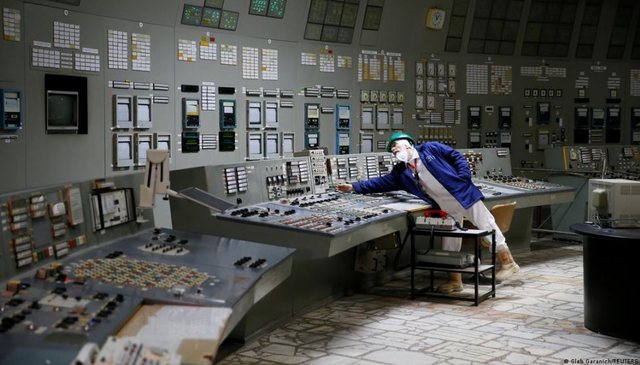
Programi bërthamor gjerman nuk shkoi më tej - reaktori nuk funksionoi kurrë. Nuk kishte uranium të mjaftueshëm në bërthamën e reaktorit për të shkaktuar një reaksion zinxhir.
Por studiuesit nuk ishin larg. Shkencëtarët tani besojnë se po të kishte pasur 50 për qind më shumë uranium në reaktor, Heisenbergu mund të kishte zhvilluar reaktorin e parë bërthamor.
Rrëmuja gjermane dhe studiuesit e arratisur
Pse dështoi programi bërthamor gjerman, pavarësisht përparimeve të tij dhe shkencëtarëve të tij të shkëlqyer?
Nga njëra anë, sepse Gjermanisë i mbaruan shkencëtarët. Shumë shkencëtarë hebrenj dhe polakë u larguan nga persekutimi, si fizikania hebreje Lise Meitner, e cila ishte e rëndësishme në zbulimin e ndarjes bërthamore nga Hahn dhe Strassmann. Disa nga këta refugjatë shkuan në Britaninë e Madhe ose Shtetet e Bashkuara, ku ata bashkëpunuan në projektin Manhattan. Shkencëtarë të tjerë u rekrutuan si ushtarë.
Lufta gjithashtu bëri që disa nga lëndët e para të nevojshme për kërkime të pakësohen, thotë Takuma Melber. Këto përfshinin uraniumin e pasuruar dhe ujë për të ftohur reaktorët. Uji i rëndë prodhohej në Norvegjinë e pushtuar, por trupat aleate dhe norvegjeze sulmuan vendet e prodhimit.
Por në fund, ishte mungesa e mbështetjes politike ajo që ndaloi përparimin. Adolf Hitleri nuk e kuptoi të gjithën dhe e ndaloi mbështetjen në vitin 1942, raporton historiani Melber. Atëherë praktikisht nuk kishte asnjë mbështetje financiare, veçanërisht në krahasim me Projektin Manhattan. Në të u punësuan 500.000 vetë, rreth një për qind të fuqisë punëtore të SHBA, dhe i kushtoi qeverisë rreth dy miliardë dollarë amerikanë. Sot, kjo do të korrespondonte me 24 miliardë dollarë amerikanë. Në të kundërt, Shoqata Gjermane e Uraniumit dhe projektet pasardhëse të saj kishin më pak se një mijë shkencëtarë që punonin për një buxhet prej tetë milionë Reichsmarks, që sot do të arrinte në rreth 24 milionë dollarë amerikanë.
Ndërtoni reaktorë në vend të bombave!
Të dhënat e Farm Hall-it ofrojnë një arsye tjetër për dështimin gjerman: vetë shkencëtarët e kundërshtuan bombën atomike për arsye morale dhe sabotuan fshehurazi zhvillimin e saj. Fizikanti dhe studiuesi i ardhshëm i paqes Carl Friedrich von Weizsäcker tha: "Unë mendoj se nuk ia dolëm, sepse jo të gjithë fizikantët donin me të vërtetë që ajo të kishte sukses. Nëse të gjithë do të kishim dashur që Gjermania të fitonte luftën, ne mund ta kishim bërë atë."/ DW




The Prime Minister of Kosovo, Albin Kurti, has announced t...

A protest against the president of Russia, Vladimir Putin,...

The leader of the coup in Niger, Abdourahmane Tchiani,...
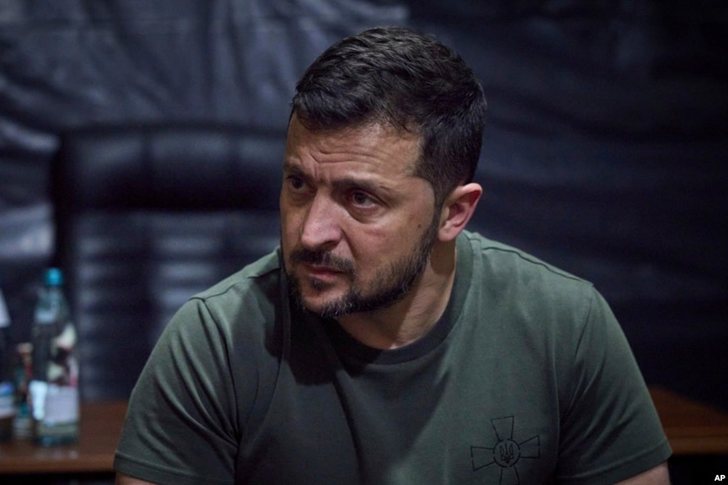
Ukrainian President Volodymyr Zelenskyy said on Sunday tha...
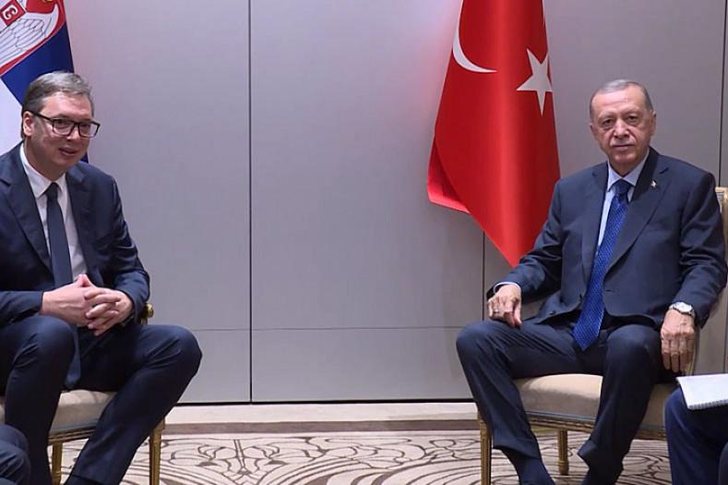
The President of Serbia, Aleksandar Vucic, and the Preside...

A protest against the president of Russia, Vladimir Putin,...
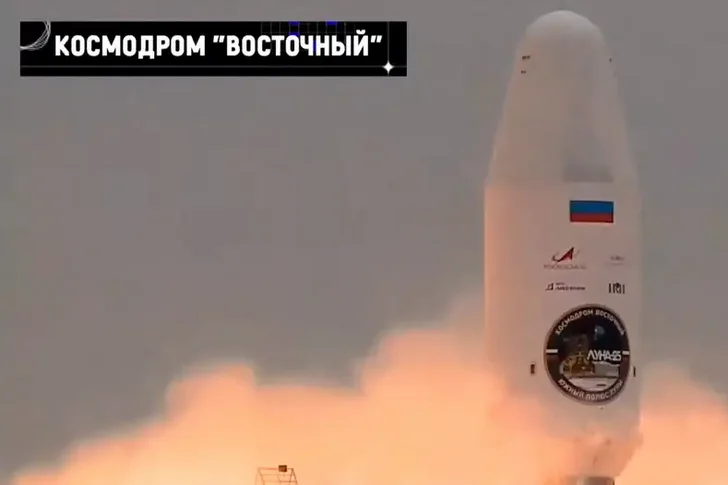
Russia's first moon mission in nearly 50 years was unsucce...
The United States, Japan and Australia plan to hold a join...
Perhaps the war in Ukraine could end around 2025, predicts...
The fate of the nuclear plant at the center of Europe's bi...
"Hurricane Hilary, which is heading for the Pacific coast ...

A California appeals court on Friday remanded lawsuits...
Backers of Niger's junta were forced on Saturday to halt a...

A fish has caused a power outage in New Jersey. ...
Russia has reported an "abnormal situation" on its moon-bo...
China launched military exercises around Taiwan on Sat...
Two Israelis have been killed in a suspected Palestinian a...

Some 64% of Germans who responded to the poll released on ...

The head of VMRO DPMNE, Hristijan Mickoski, in North Maced...

Italian Prime Minister Giorgia Meloni in a post on social ...
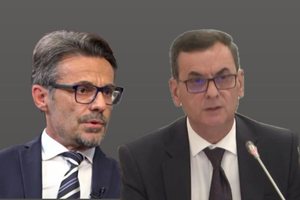
The Justice Reform and the vetting process were trumpeted ...
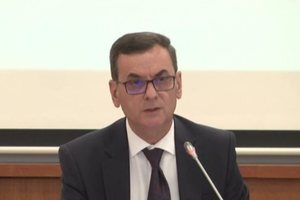
After revealing the property portfolio in Tirana, Kavaja, ...
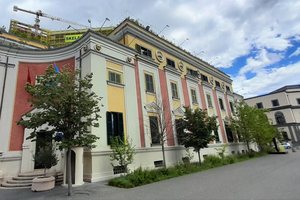
Four months ago, on March 11, CNA sent an official letter ...
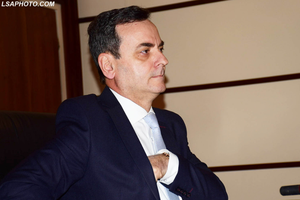
Sokol Sadushi, the president of the Supreme Court, is the ...

The Special Board of Appeal (KPA) decided this Monday ...

The KPA vetting decided this Thursday to dismiss the p...

Suela Salavaçi, a prosecutor in the Prosecutor's Offic...

The Special Board of Appeal reinstated the prosecutor ...

A serious incident occurred on Thursday afternoon in the M...

A vehicle caught fire today in neighborhood no. 4 of the c...

A lightning strike has struck a herd of cattle on Nikollar...

This morning, a powerful explosion suspected to be caused ...

Today is characterized by hot and mostly clear weather thr...

On Wednesday, our country will be affected by relatively s...

A field inspection has begun in the Maliq area, after the ...
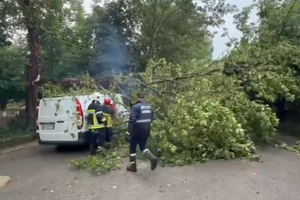
Heavy rainfall accompanied by strong winds has caused prob...

The Vita milk factory in Kosovo has been closed. According...

Iran's Supreme Leader Mojtaba Khamenei will not attend the...

After eight days under the rubble of a building collapsed ...
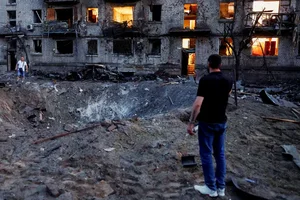
Russian forces have launched a major drone and missile att...

Professor and literature scholar Ali Xhiku has passed away...

During my research into the life and artistic photographic...

This year's edition of the Gjon Mili International Video A...

The promotion of the book by author Aleksandër Ikonomidhi ...
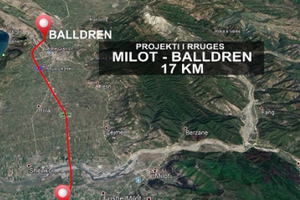
Whenever a new infrastructure project is announced, the fi...
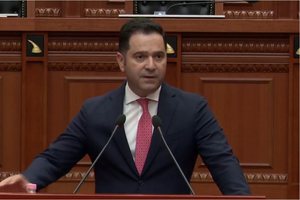
Minister of Finance, Petrit Malaj, spoke in today's plenar...

This Thursday, one US dollar is bought for 82 lek and sold...
Guvernatori i Bankës së Shqipërisë, Gent Sejko, në një kon...