

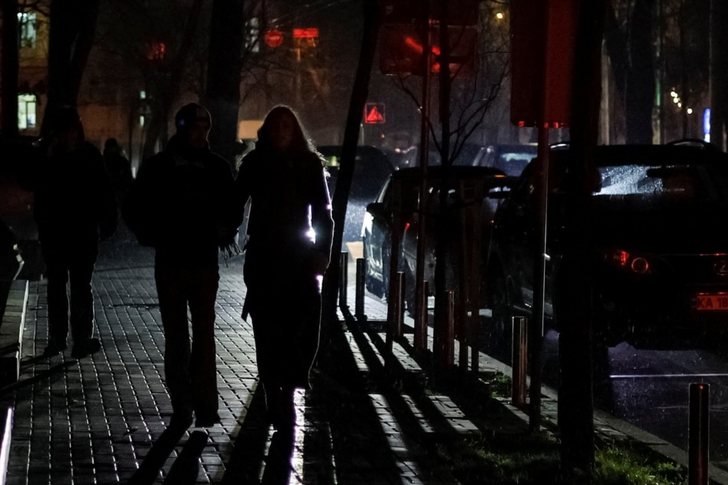
Half of Kiev in the dark after Russian attacks as Ukraine takes steps to save electricity
Ukraine will impose new restrictions on electricity use an...


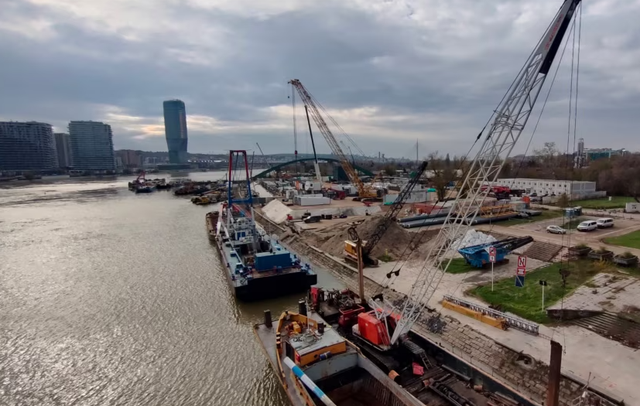
Work to replace the Sava Bridge in Serbia has already begun, but the government's reluctance to fully disclose agreements with Chinese companies involved in the construction is fueling opposition to the project and raising doubts about the transparency of how contracts were awarded.
China State Construction Engineering (CSEC), one of two Chinese state-owned companies involved in the project, announced that the installation of steel structures on the new 420-meter bridge in the heart of the capital, Belgrade, began on December 5.
PowerChina, a giant state-owned conglomerate and one of the world's largest engineering, procurement and construction companies, is the main contractor.
It participated in the demolition of the old Sava Bridge in July and is building the new bridge worth 94.1 million euros, which is expected to be completed by the end of 2026.
But the lack of public tendering procedures for contracts, which could have an impact on the overall cost and quality of the project, has raised major questions about transparency.
This is a particularly controversial issue in Serbia, following the roof collapse at the Novi Sad railway station in November 2024, which killed 16 people.
The incident sparked mass protests and led to the resignation of Prime Minister Miloš Vu?evi? in January. Protesters blamed corruption and poor workmanship for the collapse.
Several contractors, including Chinese companies, participated in the reconstruction of the railway station. Serbian authorities insisted that the Chinese consortium China Railway International Company (CRIC) and China Communications Construction Company (CCCC) were not at fault, and both companies stated that the concrete roof of the station was not part of the reconstruction work they carried out.
An investigation into the incident was subsequently opened, and the prosecution accused several Serbian officials of having "materially benefited" from at least $18.7 million from the Chinese consortium that is building a railway project.
Transparency International's program director, Nemanja Nenadic, told Radio Free Europe that exceptions and legal loopholes in Serbia have effectively created a "shortcut to awarding jobs without competition."
“We can generally assume that the price is higher than it would be in a public tender, because the company that wins the job has no incentive to offer better conditions when it knows there is no competition,” said Nenadic, a lawyer with experience in the fight against corruption.
"They said it's all secret"
Ura e vjetër e Savës u ndërtua në vitin 1942 gjatë pushtimit nazist të Serbisë dhe u shpëtua pavarësisht se gjatë tërheqjes së tyre gjermanët e minuan para se të largoheshin nga qyteti. Që atëherë, ura është shndërruar në një pikë referimi dhe simbol të Beogradit.
Në maj, qyteti i Beogradit tha se ura kishte nevojë të zëvendësohej për shkak të “një sërë rreziqesh strukturore dhe sigurie” dhe sepse nuk i plotësonte “nevojat ekzistuese dhe në rritje të trafikut të qytetit të Beogradit”.
Ura e re, më e madhe, do të mund të përballonte më shumë trafik dhe të ofronte lidhje më të mirë me projekte të tjera të reja, tha qyteti.
Por, dyshimet për transparencën dhe ndërtimin e kanë shoqëruar projektin qëkurse ideja për shembjen e urës së vjetër mori hov në vitin 2017, dhe kontrata me PowerChina u nënshkrua në vitin 2020.
Qeveria serbe e ka anashkaluar procesin e prokurimit publik për urën e re të Savës duke iu referuar një marrëveshjeje ndërqeveritare mes Kinës dhe Serbisë të nënshkruar në vitin 2009, që lejon kontraktim të drejtpërdrejtë publik dhe rritje bashkëpunimi në ndërtimin e infrastrukturës.
Kushtetuta e Serbisë thotë se marrëveshjet ndërkombëtare janë pjesë e sistemit juridik dhe ligjet e brendshme nuk mund të jenë në konflikt me kontratat ndërkombëtare.
Shqetësimet lidhur me prokurimet bëhen edhe më të mëdha duke ditur se dokumentacioni i plotë i projektit nuk është bërë kurrë publik.
As Ministria e Ndërtimit, Transportit dhe Infrastrukturës, as qyteti i Beogradit nuk iu përgjigjën pyetjeve të REL-it për ndërtimin e urës.
CSEC dhe PowerChina nuk u përgjigjën kërkesave të REL-it për koment mbi procedurën e prokurimit apo përfshirjen e tyre në projekt.
Rastko Naumov nga grupi aktivist Beogradi Mbetet, i cili organizoi protesta kundër vendimit për të shembur urën e vjetër të Savës, i tha REL-it se ai beson që hollësi të rëndësishme të projektit janë fshehur nga publiku.
Ai tha se iu drejtua Drejtorisë së Tokës Ndërtimore dhe Ndërtimit të Beogradit në janar për të paraqitur kërkesa zyrtare për publikimin e kontratave mbi shembjen e urës së vjetër dhe ndërtimin e urës së re, por kërkesa e tij iu hodh poshtë.
“Ata refuzuan t’i dorëzonin kontratat. Thanë se të gjitha ishin të fshehta”, tha Naumov, avokat dhe aktivist.
Naumov ndau me REL-in kërkesat që kishte dorëzuar dhe letrën e refuzimit nga autoritetet.
Letra thoshte se atij iu mohua qasja në kontrata sepse ato përbëjnë “sekret biznesi” dhe PowerChina ka deklaruar se publikimi i tyre do të zbulonte sekrete tregtare.
Drejtoria e Tokës Ndërtimore dhe Ndërtimit nuk iu përgjigj kërkesës së REL-it për koment.
Një model kontratash së fshehura
Pekini gëzon marrëdhënie të ngushta me presidentin e Serbisë, Aleksandar Vuçiq, dhe ka thelluar vazhdimisht lidhjet me Beogradin gjatë dy dekadave të fundit.
Relations have expanded across many sectors, from trade and defense to technology and education, with billions of dollars of Chinese investment flowing into the country under the Belt and Road Initiative (BRI) and bilateral agreements.
The construction of the new bridge over the Sava River is just one of many major projects in Serbia that have raised doubts about transparency.
PowerChina is also a key contractor in the construction of the giant complex in Belgrade for Expo 2027, as well as exhibition halls, a national football stadium and related infrastructure such as metro lines, a new highway and a ring road around the Serbian capital.
These contracts were also able to circumvent Serbian public procurement law, which regulates which companies can be licensed to work on state projects and ensures competition and transparency.
Concerns about transparency were also raised in the European Commission's report on Serbia this year, while assessing its status as a candidate country for membership in the European Union.
The report warned that intergovernmental agreements like the one signed with China - and others like it - are destroying the checks and balances over major projects in the country.
"This leads to a risk of corruption and non-compliance with European standards," the report says. /REL

Ukraine will impose new restrictions on electricity use an...
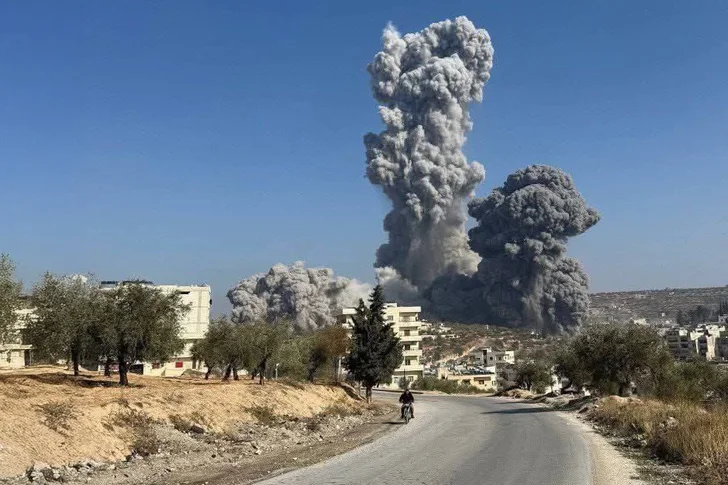
Shells of unknown origin reportedly fell near the Meza mil...
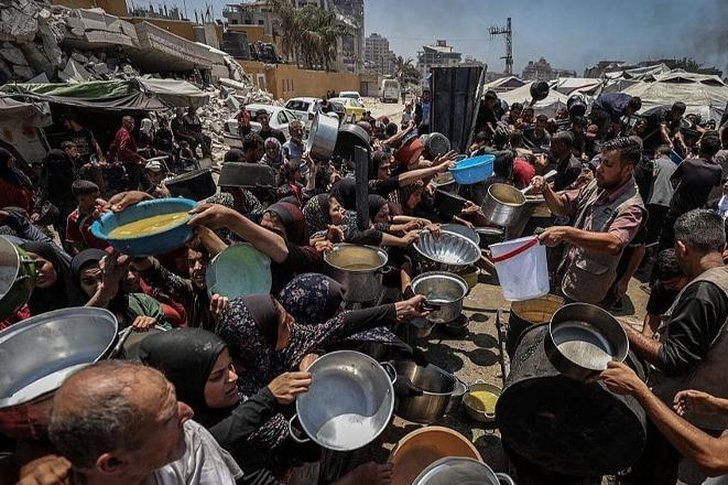
Malnutrition continues to affect young people in Gaza, des...
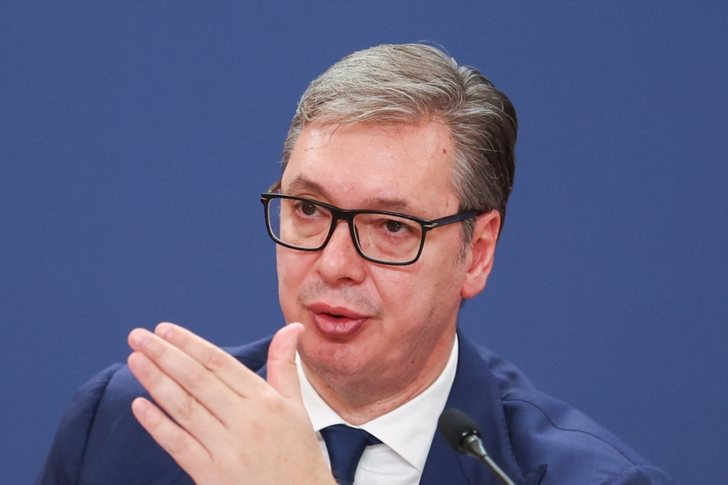
President Aleksandar Vučić said on Tuesday that there are ...
A member of the British Armed Forces has died in an accide...
A bird flu alert has been raised in Spain. Around 400 stor...

Serbian President Aleksandar Vučić has started the war aga...
Donald Trump has hinted that he may withdraw support for U...
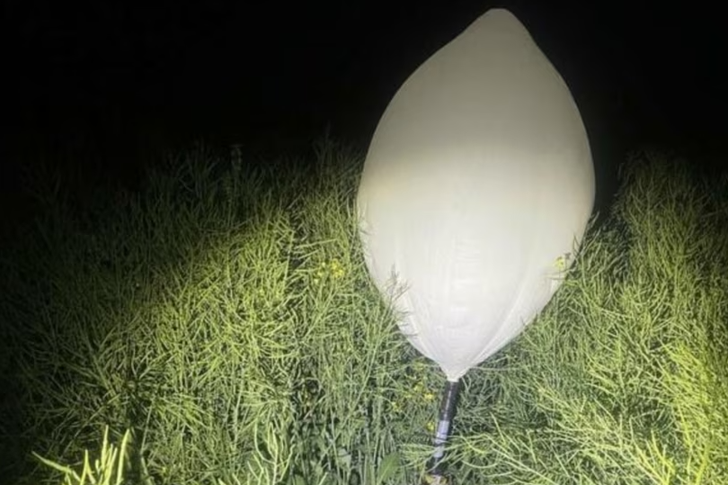
Lithuania declared a "state of emergency" on December 9 du...
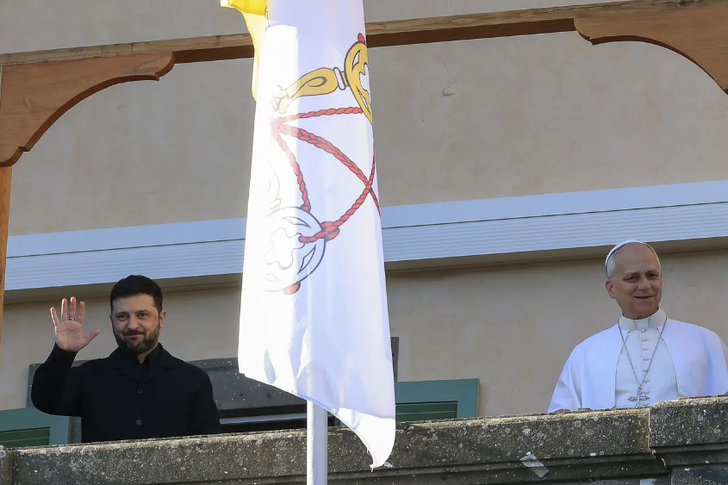
Ukrainian President Volodymyr Zelensky met this Tuesday wi...
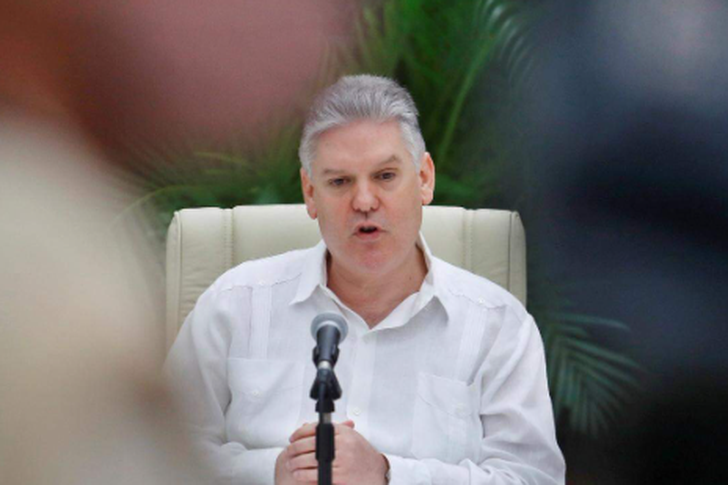
Cuba's Supreme Court has sentenced former Economy Minister...
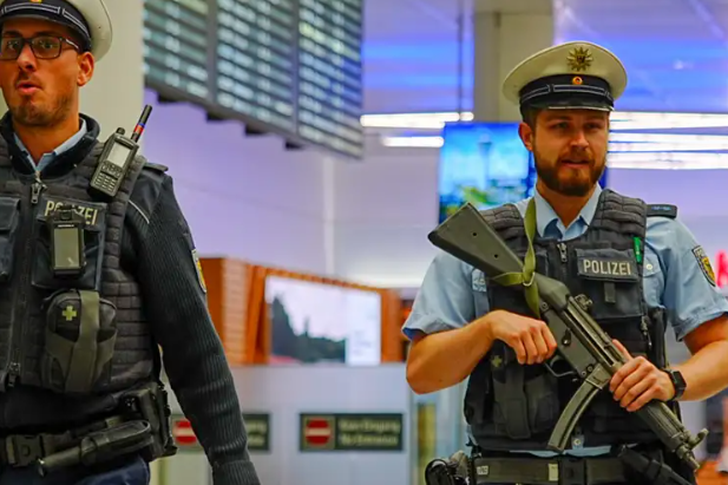
Drones flying near major airports or aircraft are creating...
Japan's Meteorological Agency has issued its highest-level...
Ukraine is finalizing a revised peace plan that is expecte...
The first American ambassador to Albania, Christopher Hill...
Former Greek Prime Minister Costas Karamanlis and former D...
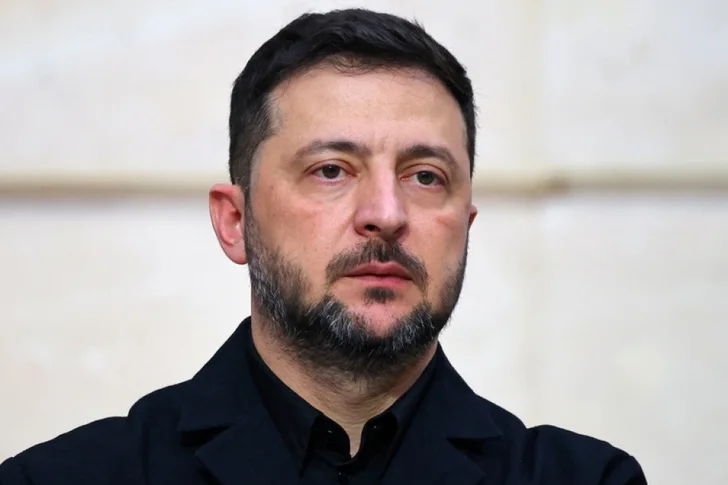
Ukrainian President Volodymyr Zelenskyy has reacted to the...
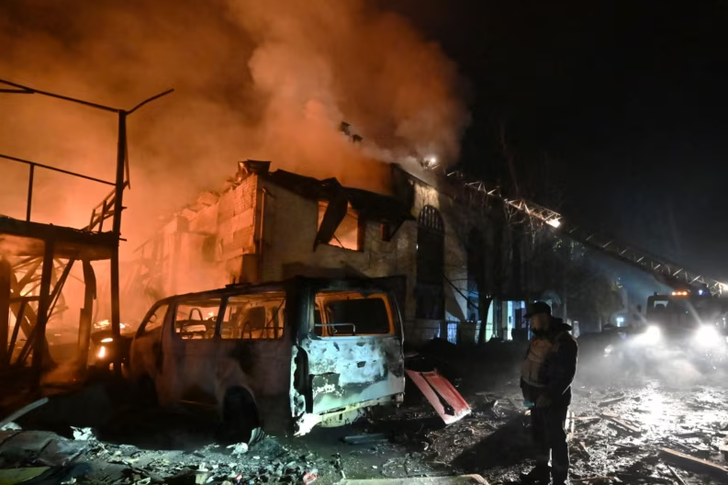
A Russian government-backed foundation has distributed fun...

Israeli Prime Minister Benjamin Netanyahu will meet with U...
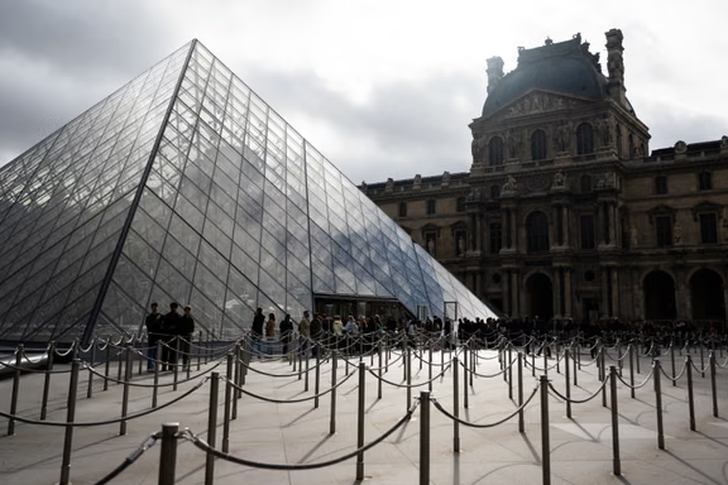
The Louvre Museum has faced another problem, weeks after t...

CNA has launched another investigation that could lead to ...

Irfan Hysenbelliu is a businessman that we call "Irfan the...

In March 2026, CNA launched another investigation centered...
The arrested mayor of Tirana, Erion Veliaj, with 13 charge...

The Special Board of Appeal (KPA) decided this Monday ...

The KPA vetting decided this Thursday to dismiss the p...

Suela Salavaçi, a prosecutor in the Prosecutor's Offic...

The Special Board of Appeal reinstated the prosecutor ...
A road accident occurred this evening on Nikolla Zoraqi St...
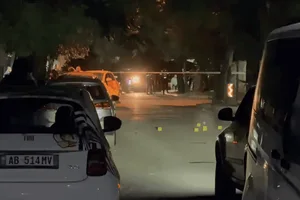
Three people were shot and wounded in Elbasan last night b...
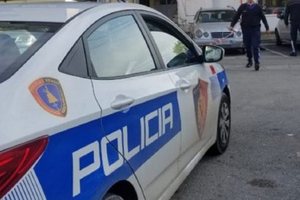
A serious incident occurred this Tuesday in the Yrshek are...

An accident occurred this Tuesday on "Dituria" street in K...
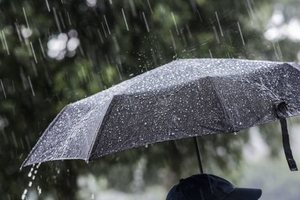
This Wednesday, our country will be under the influence of...
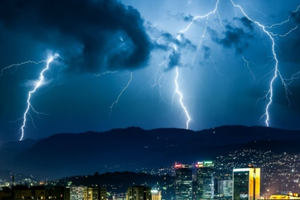
All of Southern Europe will face changing weather conditio...
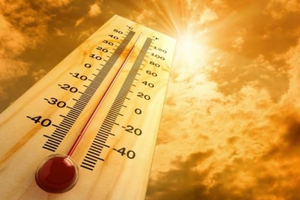
Albania was hit by temperatures significantly higher than ...

For the first time, Pogradec welcomed the Inter-Lake Chess...

Prime Minister Andy Burnham has announced that most bus fa...

France's parliament has passed a law to ban social media f...
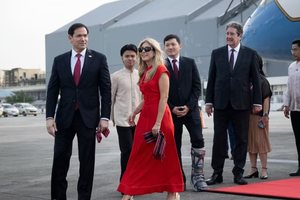
US Secretary of State Marco Rubio arrived in Manila on Jul...
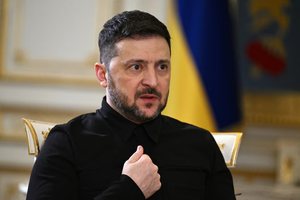
In the space of a few days, Ukrainian President Volodymyr ...

At a time when industrial products are increasingly taking...

Trust among people is not just a three-syllable word. It c...

Master of humor Todi Llupi has passed away at the age of 7...

The ninth edition of "MIK Festival" kicked off with one of...

Businesses will no longer be required to simply register t...

Despite economic growth and income in recent years, Albani...

This Wednesday, one US dollar is bought for 81.4 lek and s...
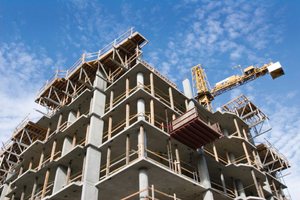
Construction company licenses will have a validity period ...