


"A great folly"/ Trump on Britain: Our "brilliant" ally will restore sovereignty to the Chagos Islands
US President Donald Trump has said in a social media post ...


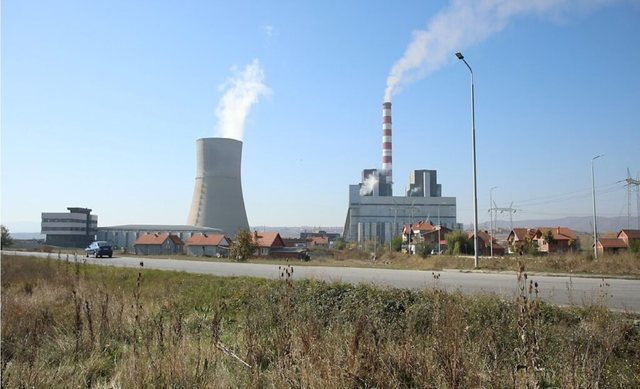
Today, Kosovo woke up to the sound of generators. For the second time in a few days, the energy system in Kosovo is in chaos. KOSTT has announced that KESCO has again deviated between energy and real demand.
The Kosovo System, Transmission and Market Operator (KOSTT) announced that the country is facing electricity supply problems.
Through an announcement, KOSTT has indicated that it is facing difficulties in balancing the energy system, due to, as it was stated, large deviations between nominated energy and real demand.
Nominated energy is the prediction made by the Electricity Supply Operator (KESCO) of how much energy consumers need.
"Today, KESCO has nominated about 26.17 percent less energy than the real demand, leading the KOSTT control area to average imbalances of about 211 MW per hour, while in some hours these imbalances exceed 260 MW per hour. This situation is unacceptable and undermines the stability of the power system."
KOSTT requested that the nominations accurately reflect "real demand" and requested immediate correction in order to maintain the security of the energy system.
"In this situation, KOSTT has been forced to request the application of load shedding, as a last resort measure to guarantee safe operation, until the situation improves," the announcement said.
Meanwhile, KESCO has notified consumers and the public that the power system is currently operating in difficult winter conditions.
According to KESCO, low temperatures and increased use of electricity for heating have led to a significant increase in consumption.
"In periods when domestic production remains low, the need for electricity imports increases significantly. However, the possibilities for securing energy from imports are limited due to the technical conditions of the electricity system in which Kosovo operates, making it difficult to fully cover demand at any time."
KESCO says it is continuously committed to utilizing all available opportunities for securing electricity, including long-term contracts and purchases in short-term markets.
However, the announcement states that in situations where the need for imports is very high, fully covering the demand presents great difficulties.
"Saving electricity is essential from both an operational and technical perspective. KESCO remains committed to fulfilling its obligations to customers and, in continuous cooperation with relevant institutions, is working to maintain system stability and ensure electricity supply. Thank you for your understanding and cooperation during this challenging period."
Political expert Ilir Deda said that KOSTT should show the schedule of reductions.
"KOSTT can freely simplify the communications, instead of "KESCO nominations" just tell us the schedule of reductions - how much by how much - how many hours there will be electricity and how many hours there will be no electricity."
Political analyst Shenoll Muharremi also reacted, linking the energy situation to the government's performance and the election result of the Vetëvendosje Movement.
In a public post, Muharremi writes that, just as the KEK blocs are falling, electoral support for the LVV should have fallen as well. According to him, if the party had 42.3 percent of the votes, after this government it should have dropped to around 30 percent.
"You want to be proud, but you are poor. You want to hold your head high, but your shoes are torn," writes Muharremi, using metaphors to describe the country's economic and infrastructural state.
He adds that the state is leaving businesses without electricity, but at the same time is continuing to collect taxes from them, comparing this situation to the exploitation of a cow that is fed less and less, until it risks dying.
Citizens in Kosovo have faced electricity shortages in the past, and the last case was in December 2025, when authorities called for electricity savings during peak hours.
Kosovo produces most of its electricity through two old thermal power plants, Kosovo A and B.
Through these two coal-fired power plants, Kosovo produces 94 percent of its energy, or about 800 megawatts per hour, while the rest is provided through green energy, namely from hydropower plants, wind turbines, and solar panels.
The acting government of Kosovo has said that in 2025 alone it has allocated millions of euros for their rehabilitation.
Kosovo Customs data show that the country imported electricity worth around 248 million euros in the period January-November 2025, while exporting around 48 million euros.
Kosovo has mainly sourced imports from North Macedonia, worth 114 million euros, and from Albania, worth 94 million euros, while it has also imported 3-4 million euros from Slovenia, Serbia and Denmark. /Monitor

US President Donald Trump has said in a social media post ...
At a time when it seemed that Kosovo was moving towards th...

US President Donald Trump has made it clear that he has no...
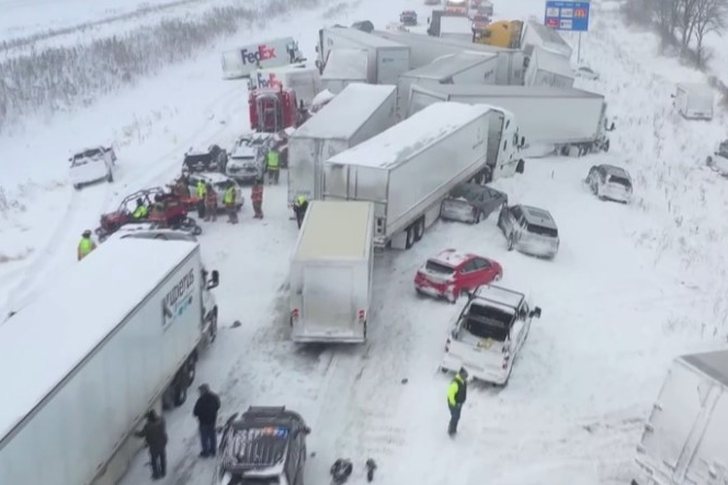
More than 100 vehicles have been involved in a massive acc...

Donald Trump's participation in the Davos Forum aroused gr...
US President Donald Trump has vowed to fully implement his...
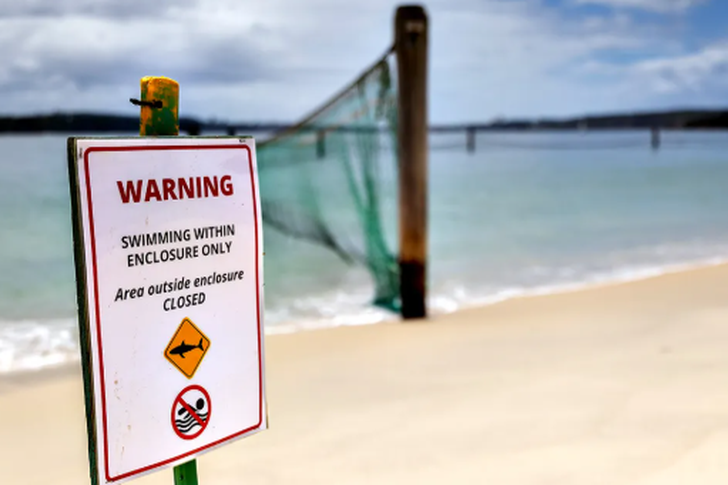
A series of three shark attacks in just over 24 hours near...
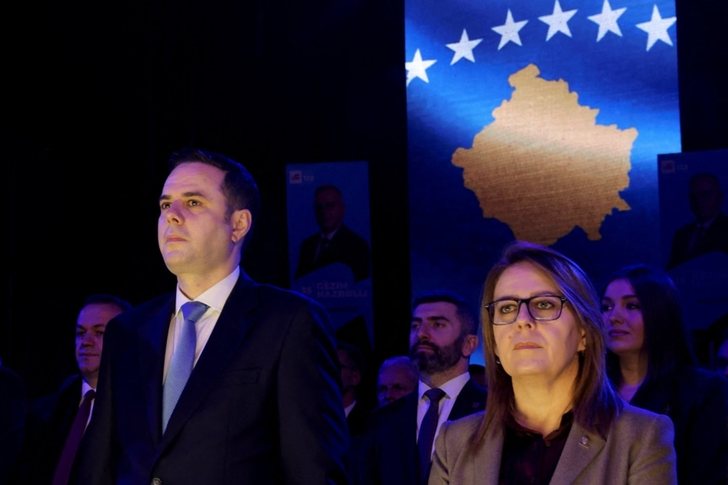
The Democratic League of Kosovo (LDK) will hold its party ...
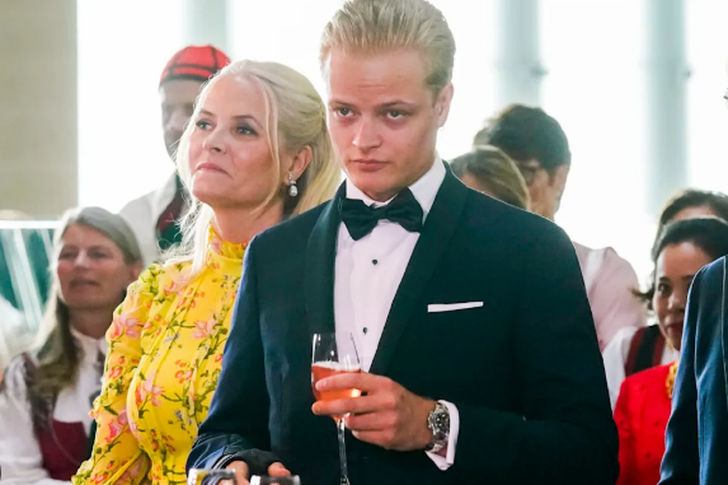
The son of the Crown Princess of Norway, Marius Borg Hoiby...
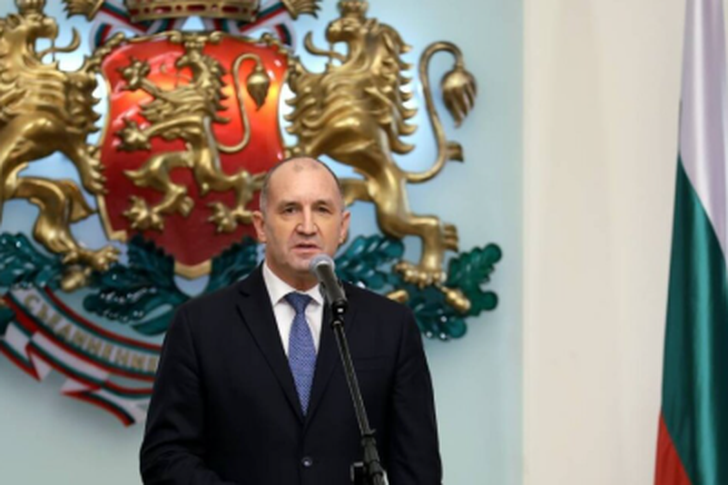
Bulgarian President Rumen Radev announced this Monday that...

Armed gangs have kidnapped dozens of people attending two ...
The Ministry of Finance announced that only certain catego...
An Albanian prisoner serving a life sentence was murdered ...
At a time when Kosovo has boasted and been praised by othe...
The Kremlin has announced that Vladimir Putin has been inv...
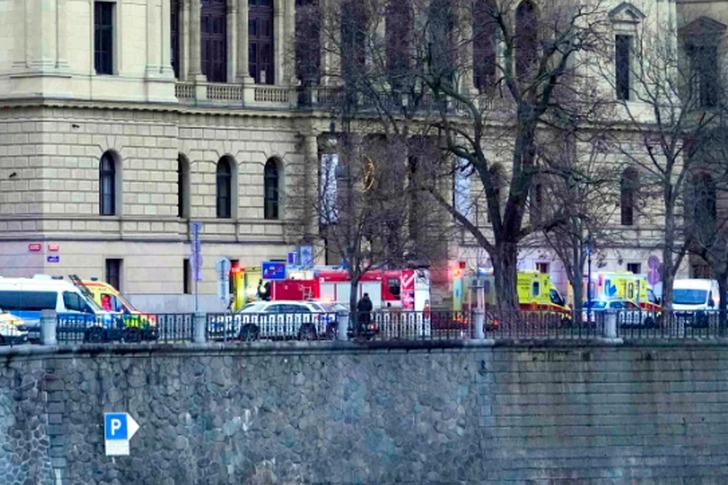
Two people, including a gunman, were killed and six others...
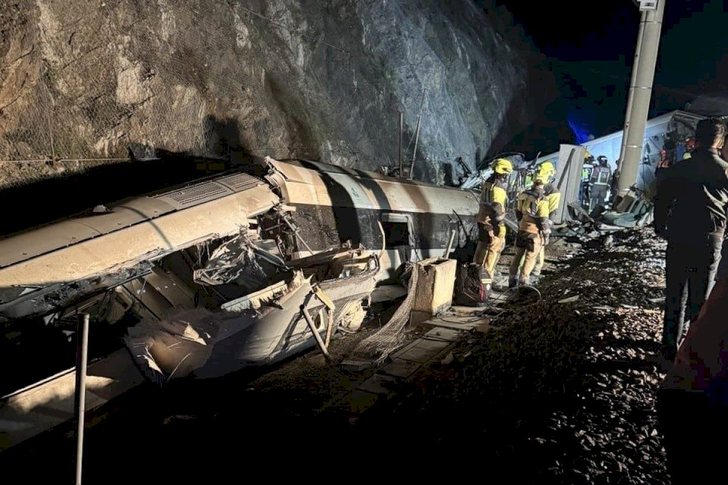
The Spanish government has officially confirmed three days...
US President Donald Trump has said he no longer feels comp...
The Central Election Commission has decided to have a full...
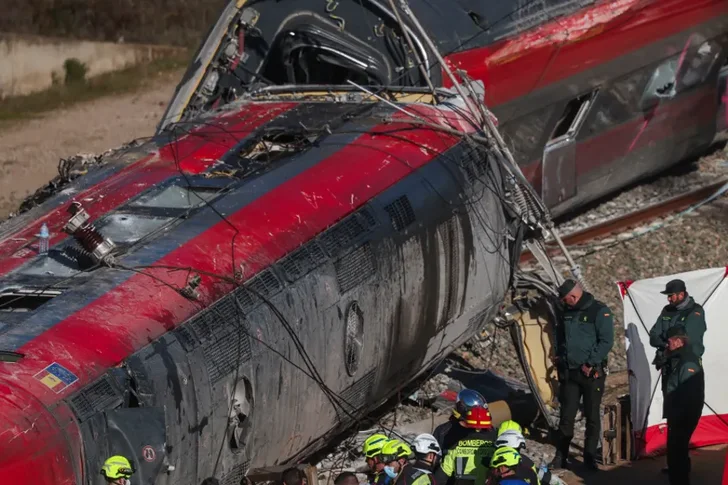
At least 39 people have died and dozens more have been inj...
The next case broadcast on the show "Stop", this Thursday,...
The case published this Thursday, June 4, on the show "Sto...

The protests of recent days related to the situation in Zv...
The case addressed this Wednesday, June 3, on the show "St...

The Special Board of Appeal (KPA) decided this Monday ...

The KPA vetting decided this Thursday to dismiss the p...

Suela Salavaçi, a prosecutor in the Prosecutor's Offic...

The Special Board of Appeal reinstated the prosecutor ...
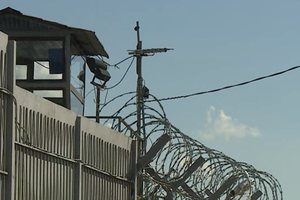
A convict was found dead today in the premises of the Pris...
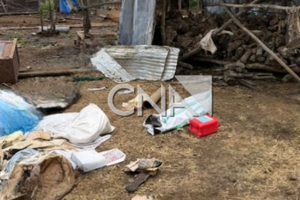
Several images provided by CNA show the area where this mo...
A quantity of explosive material exploded this morning at ...
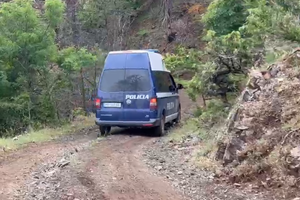
Witnesses in Lozhan, Maliqi, have shared details from the ...
Today our country will be affected by stable weather condi...

For many children and teenagers, the long summer holidays ...
Albania is facing an unprecedented demographic transition,...
On Thursday, our country will be affected by unstable weat...
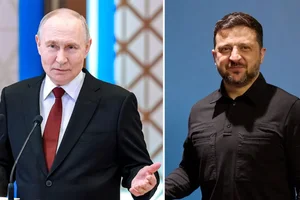
Russian President Vladimir Putin said the war in Ukraine c...
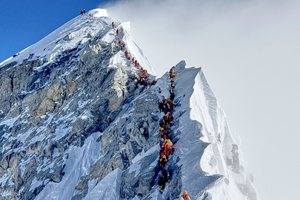
An extraordinary story of survival has been recorded in Ne...
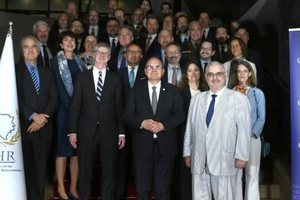
The Peace Implementation Council in Bosnia and Herzegovina...
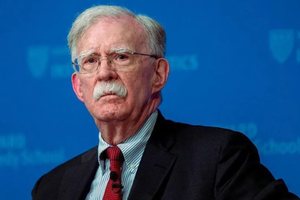
John Bolton, the former national security adviser to US Pr...

Korça is ready to open the summer season with one of the c...
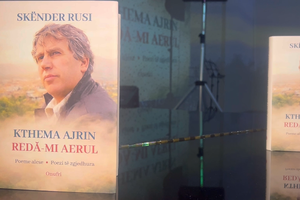
Two years after his passing, the renowned Korçë poet Skënd...
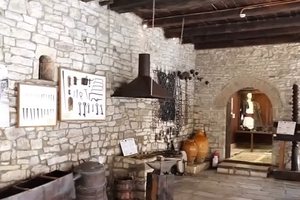
The Ethnographic Museum of Berat has opened its doors to v...
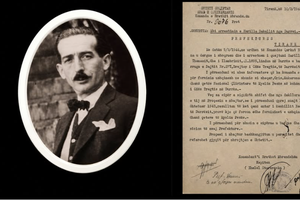
The story of Harilla Bakalli is one of the most chilling t...
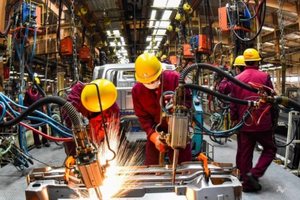
The government aims to transform the country's industrial ...
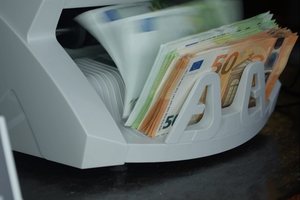
Kursi i këmbimit të euros me lekun ka rënë më tej këtë jav...

Profit margins in the construction sector have increased s...
The Transparency Board, at its meeting today, decided to i...